Scotland
Wolf HallScotland is both a diplomatic counterpart and a vulnerable frontier in the novel’s account of Tudor statecraft. A treaty with the Scots marks a recent success for the council, while the uncertain disposition of estates along the Scottish border gives Cromwell a reason to intervene in the affairs of Henry Percy, Earl of Northumberland.
Diplomatic and Political Setting
During a summer of sustained negotiation, the council secures a treaty with Scotland. The achievement sits beside a more urgent imperial concern: Ireland is in revolt, and rebel lords are offering their services and harbours to the Emperor’s forces. The contrast places Scotland within a wider effort to manage England’s neighboring territories through diplomacy, military planning, and the consolidation of royal authority.
The Northern Border and Percy’s Estates
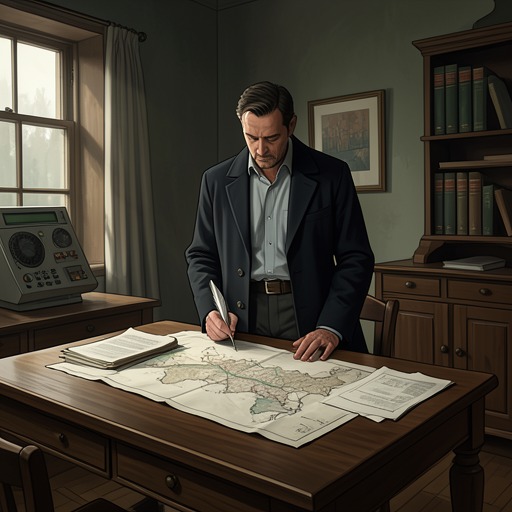
Cromwell shows his son Gregory a map of the Scottish border and explains that parts of Percy’s estates have been transferred to creditors. Percy is sick or possibly mad, has no heir, is estranged from his brothers, and owes the king money. Cromwell argues that leaving the border’s ownership unsettled would be dangerous; his proposed solution is to name the king Percy’s heir, while allowing Percy to retain his title and providing him with an income.
Gregory asks whether this plan is connected to the cardinal. His question recalls Percy’s role in Wolsey’s arrest at Cawood: Percy had stopped the cardinal as he travelled south and declared him under arrest for high treason. The past thus shadows Cromwell’s present policy, though the stated grounds for the proposed transfer are Percy’s debts, lack of an heir, and the need to secure the border.
Scotland as a Measure of Statecraft
Scotland’s significance is conveyed less through a depicted encounter than through the practical concerns of treaty-making and border administration. The treaty represents negotiated stability; the Percy estates show how private inheritance and royal finance could affect the security of the frontier. Together, these references make the Scottish border a place where diplomacy, property, succession, and government meet.