
The Career of an Unlikely Writer
WomenThis flow follows Chinaski’s move from postal work into writing, performance, and an unstable public identity.
increasing Bearing strength in each event
 decreasing
Bearing strength in each eventdecreasingLeaving the Postal Job
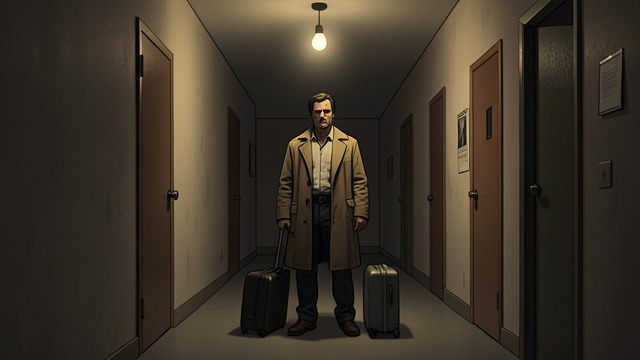
Leaving the Post Office
A risky change
At fifty, Chinaski quits his long postal job and attempts to make a living as a writer. Fear and heavy drinking accompany the change.
A new routine
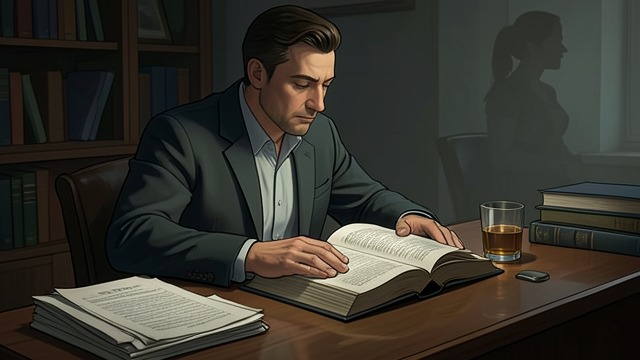
He writes at night, often without remembering how much he has produced. The work is an alternative to the job that once structured his life.
The First Novel
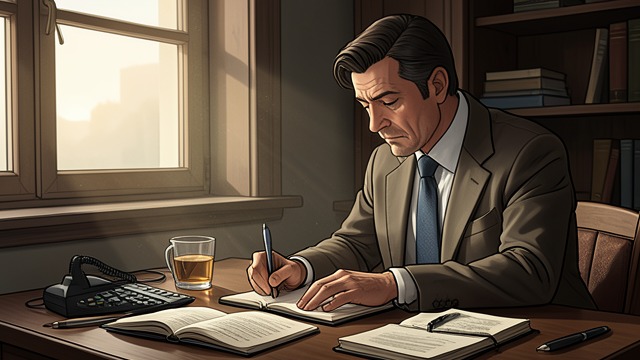
The Nightly Manuscript
Writing through intoxication
Chinaski sets a ten-page goal, drinks whiskey and beer, and types until dawn. Each morning he discovers the night’s work after vomiting and waking.
A fragile breakthrough
He finishes his first novel in twenty-one nights, though he must later clean up or discard the pages. The achievement establishes a working method built on excess and uncertainty.
Readings as Public Spectacle
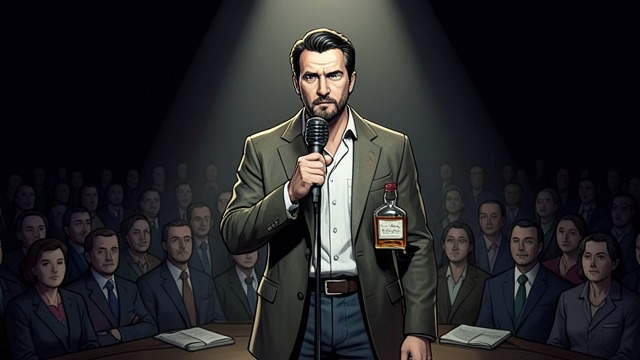
The Writer on Stage
A reluctant performer
Chinaski accepts readings for money, even though he dislikes audiences and often vomits beforehand. His stage persona blends poems, insults, drinking, and improvised jokes.
A volatile exchange
At clubs, hostile crowds can become part of the performance. Chinaski learns that audiences want intensity, but can detect a false gesture or a reading that loses its edge.
The Legend and the Man
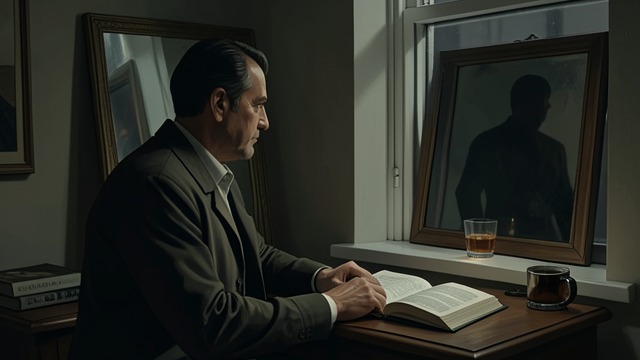
An Unsteady Reputation
A public image
Chinaski is introduced as a notorious writer, and strangers expect a drunken, aggressive character. He recognizes that this image can attract attention and bring paid appearances.
Private contradiction
Away from the stage, he is often fearful, withdrawn, and unsure of his own worth. The legend helps him perform, but it does not resolve his loneliness or insecurity.
The Return to the Typewriter
Work After the Affairs
A pause in writing
Chinaski notices that chasing women and drinking have displaced his work. He remembers that writing requires discipline, though he does not reliably follow that insight.
Experience as material
He regards episodes with women as sources for fiction and poetry, yet recognizes that the writing is only residue after the living encounter. The book leaves his artistic practice continuing, imperfectly.
About six years before the main events
During Chinaski’s first months as a full-time writer
After Chinaski begins receiving invitations to read
During Chinaski’s growing reading circuit
Late in the novel, after repeated affairs and readings
