
The Racetrack Dream and False Control
WomenThis flow interprets horse racing as a recurring fantasy of mastery that gives Chinaski structure while repeatedly exposing chance and loss.
increasing Bearing strength in each event
 decreasing
Bearing strength in each eventdecreasingSystems and Hope
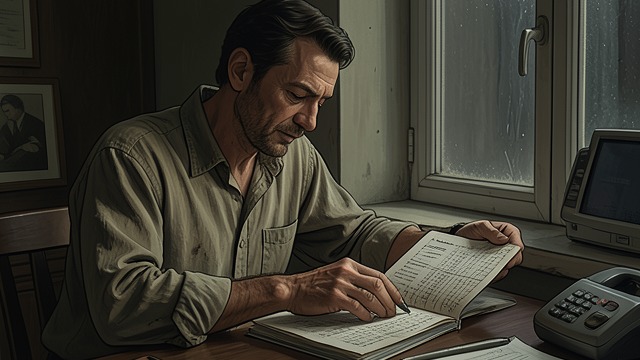
The Promise of a System
Studying the form
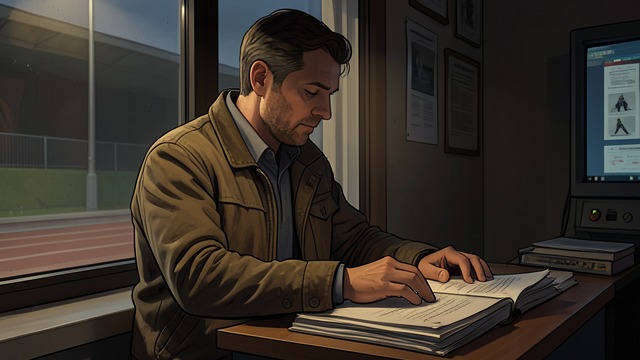
Chinaski reads racing programs and believes each new betting system moves him closer to wealth. Numerical analysis gives him a sense of control.
Chance remains
The system cannot make winners predictable. His confidence is part of the attraction, not proof that the track can be mastered.
The $950 Illusion
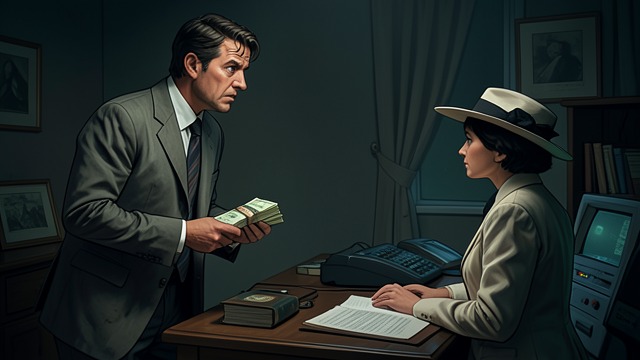
A Night of Winning
A temporary identity
After winning nearly nine hundred fifty dollars, Chinaski calls himself a winner and tells Lydia she does not deserve him. The winnings briefly become evidence for a larger self-image.
Fortune turns comic
He has phoned the wrong person, reaching Bonnie instead of Lydia. The scene reduces triumph to a misdirected outburst.
The Track’s Boaster
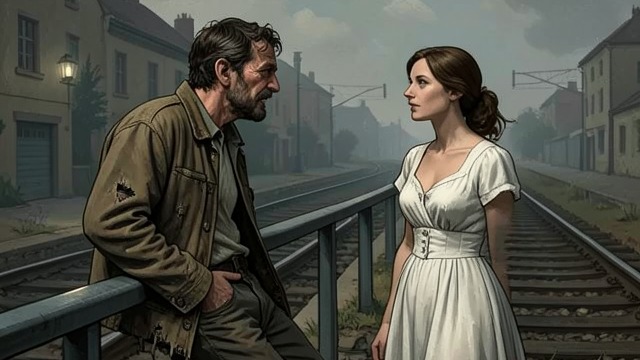
The Man Who Claims to Win
Performance for Katherine
A man at Hollywood Park repeatedly tells Katherine how much he has won. Chinaski judges him by his worn clothes and small bets.
Shared illness
Chinaski calls the crowd sick on the dream, yet he belongs to it too. His contempt does not remove his own hope of winning.
The Crowd’s Need
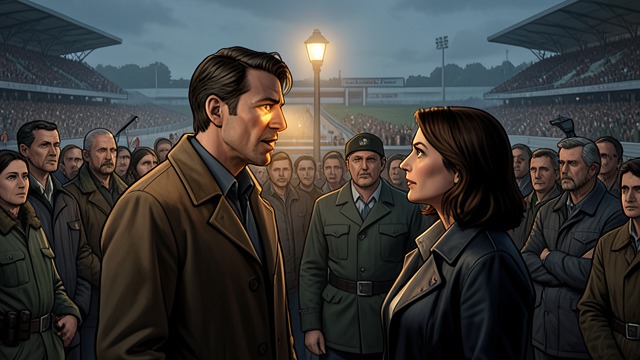
Why They Keep Betting
A question from Tanya
Tanya asks why people come to the track when so few win. Chinaski admits he is not a psychologist and cannot fully explain his own presence.
A social mirror
The crowd appears to seek more than profit: routine, hope, and escape. The track becomes a miniature of a larger life organized around uncertain rewards.
Returning to the Windows
Habit over Revelation
Familiar choices
Chinaski continues to visit the races after breakups, injury, and emotional crises. He still watches odds and searches for a sound bet.
No final system
The novel offers no method that secures wealth or emotional peace. The repeated return shows that the dream persists even after its failures are understood.
Early in Chinaski’s life as a writer
After an early breakup with Lydia
During Katherine’s visit
During Chinaski and Tanya’s visit to Santa Anita
In the final stretch of the novel
