
Death, Chance, and Survival
WomenThis flow traces the novel’s encounters with mortality, from illness and injury to sudden loss and Chinaski’s habit of making jokes against fear.
increasing Bearing strength in each event
 decreasing
Bearing strength in each eventdecreasingA Lost Love’s Death

Death in the Past
The first great loss
Chinaski says that the only woman he truly loved died of acute alcoholism at forty-eight. Her death remains an early measure of intimacy and grief.
A pattern of evasion
He does not dwell on the loss for long, but his drinking and fear of attachment echo it. The past gives emotional weight to his later attempts to avoid dependence.
The Cut Ankle
A Body at Risk
Blood and bravado
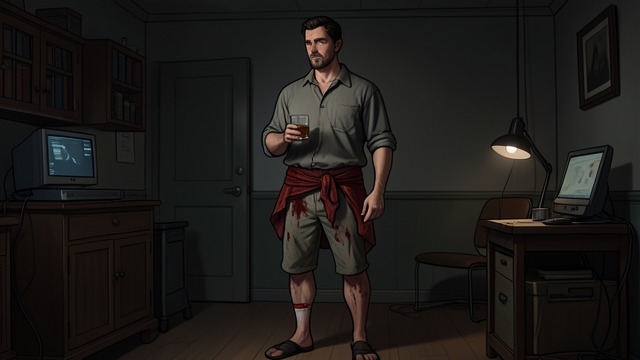
Chinaski’s accidental cut causes significant bleeding, yet he jokes about death and possible amputation rather than seeking immediate help.
Survival by delay
Friends intervene and a doctor eventually treats him. The incident shows that survival sometimes depends on other people overriding his indifference.
Keesing’s Death

An Unexpected Ending
A sudden report
Cecelia tells Chinaski that William Keesing has died after being taken to a hospital. He had appeared alive and active only days earlier.
Grief resists routine
Chinaski drinks and reflects that people often seem nowhere near death until they are gone. The loss interrupts his usual joking distance.
The Stars and the Cemetery
Mortality in the City
A visit to the dead
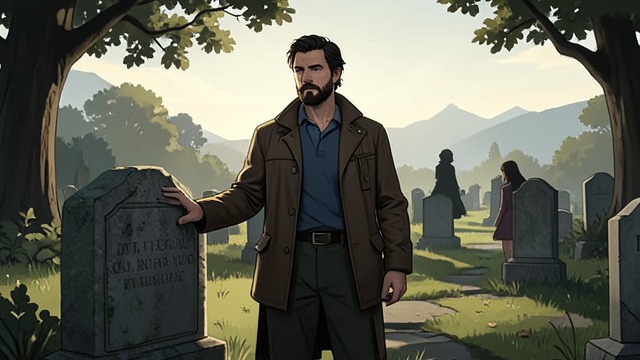
Dee Dee takes Chinaski through a Hollywood cemetery, showing him famous graves and old tombs. The setting brings death into a day otherwise intended to comfort him.
A defiant fantasy
Chinaski imagines living to eighty and having sex with a young woman. The thought is both comic defiance and evidence of his fear of disappearing.
Still Here

Survival as a Small Victory
Counting what remains
Chinaski considers his age, drinking, damaged health, and continued ability to write. He treats another year alive as enough to celebrate.
No settled meaning
Death remains certain, but he finds no final doctrine that resolves it. He continues with ordinary routines, as if persistence itself were a workable answer.
Before the novel’s main events
Before the Houston reading
About a week and a half after Chinaski’s visit
During the first days after Lydia leaves
Near the novel’s closing pages
