
The Contested Meaning of Freedom
WomenThis flow follows the competing ideas of freedom represented by Chinaski’s solitude, Lydia’s social appetite, and the obligations created by desire.
increasing Bearing strength in each event
 decreasing
Bearing strength in each eventdecreasingFreedom from Employment
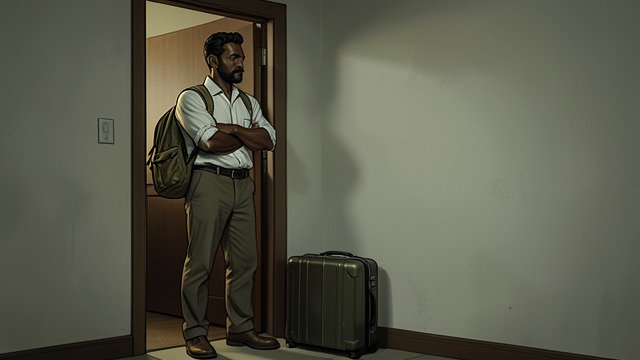
Leaving the Job
Escape from routine
Chinaski quits the postal service and chooses the uncertain life of a writer. Freedom means controlling his time and avoiding a job he has endured for years.
New dependence
The freedom is not independence from need: he still requires rent, food, and reading fees. He replaces a wage routine with a precarious one.
Lydia’s Freedom to Socialize

A Different Kind of Life
Lydia wants movement
Lydia argues that people must meet others to learn about them. She wants parties and dancing, while Chinaski sees them as exhausting and pointless.
Freedom becomes conflict
Each treats the other’s preference as a limitation. Their disagreement reveals that a relationship requires negotiation, not merely the freedom to do whatever one already wants.
Freedom in the Wilderness
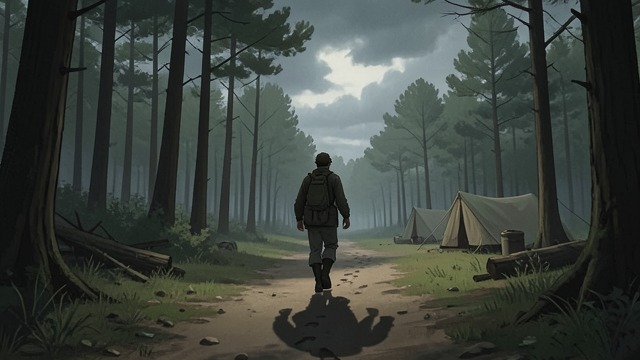
Autonomy Turns to Dependence
Alone without choice
Chinaski walks away from the camp and becomes lost. His desire to escape the women around him becomes a dangerous isolation.
Revaluing connection
He longs for Lydia’s voice and imagines accepting the social life he dislikes. The episode shows that chosen solitude and enforced abandonment are not the same.
The Freedom of the Unattached
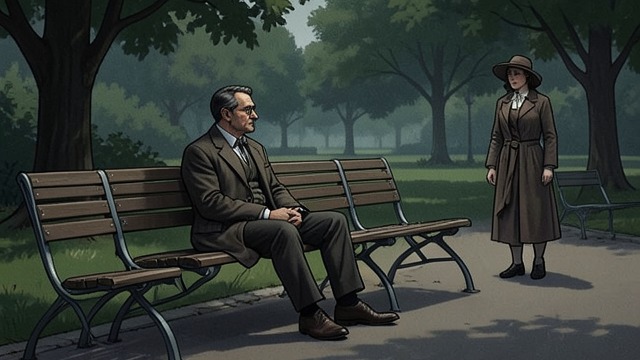
No One Can Own Him
A defense of mobility
Chinaski often treats new relationships as freedom from the demands of the previous one. He pursues multiple women and resists promises that might limit his choices.
Freedom has consequences
His choices injure others and create obligations he would rather avoid. The novel tests whether freedom without responsibility is merely another form of selfishness.
Freedom Without Resolution

Remaining Unsettled
No final domestic answer
Chinaski does not settle into marriage, a stable household, or a lasting public identity. He remains attached to freedom even when it produces loneliness.
A limited independence
His life continues through writing, drinking, sex, and ordinary encounters. The novel leaves open whether this is independence, evasion, or an unstable mixture of both.
When Chinaski quits the post office
During the couple’s arguments about parties
During the Utah camping trip
During Chinaski’s succession of affairs
Near the novel’s ending
