
The Magazine Party and Literary Circles
WomenThis flow follows Chinaski’s encounters with literary communities, where artistic ambition, social performance, and his distrust of writers collide.
increasing Bearing strength in each event
 decreasing
Bearing strength in each eventdecreasingEditing The Laxative Approach
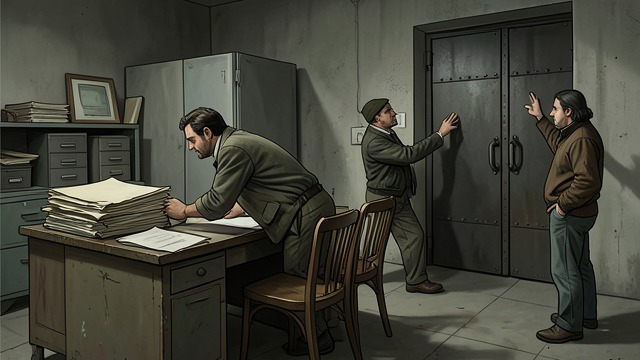
A Small Press Project
Editorial work
Chinaski edits a little magazine with Sammy Levinson and Kenneth Mulloch. They believe they are publishing important contemporary poets, though their circumstances are modest.
Literary ambition
The magazine gives Chinaski a role in a community he otherwise dislikes. He is both participant and critic, skeptical of the ambitions and mannerisms around him.
The Party That Changes
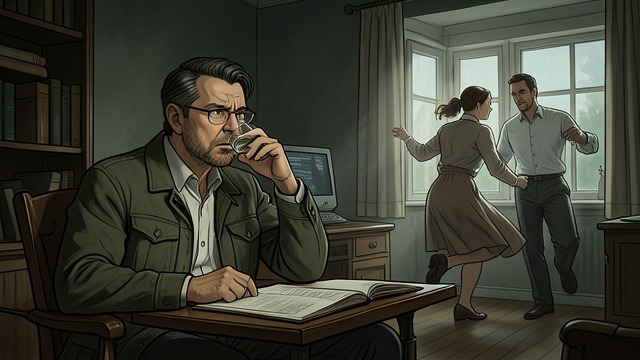
A Gathering Goes Awry
Guests arrive
Sammy organizes a party, and Chinaski invites Lydia. She arrives late and gives her attention to bookstore clerk Randy Evans.
Jealous withdrawal
Chinaski drinks more and watches her foot touch Randy’s beneath a table. He later resents her affection for the guests, revealing how social gatherings become tests of loyalty.
Harry Ascot’s Dinner
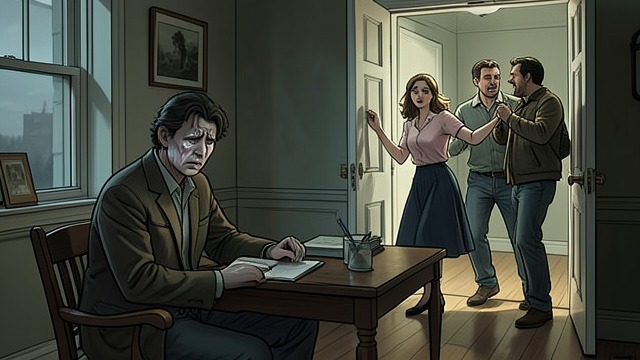
Dance and Discomfort
Lydia in motion
At Harry Ascot’s party, Lydia dances with a young man while Chinaski drinks and watches. He recognizes the performance as intensely erotic and feels displaced by it.
An argument outside
The couple leaves after Chinaski becomes sick. Lydia calls him a party-pooper, while he questions whether dancing excuses behavior he would resent from himself.
The New York Hotel Room
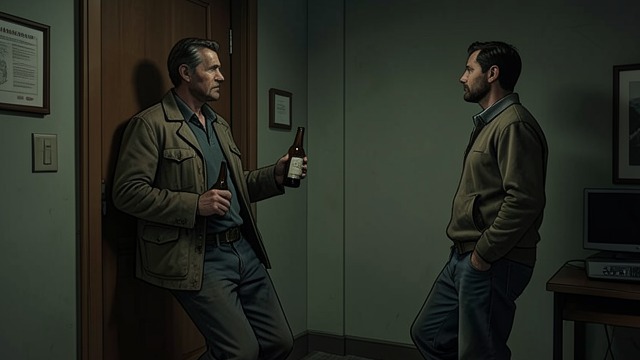
Writers at the Door
An unwanted visit
After Chinaski reads at St. Mark’s Church, Morse Jenkins and Sadie Everet arrive at the Chelsea Hotel with beer. Morse wants to read his poems.
A refusal
Chinaski declines, tired of poetry and literary fellowship. The encounter reinforces his belief that writers seek social affirmation that does not help the solitary work.
The Artist’s Uncertain Place
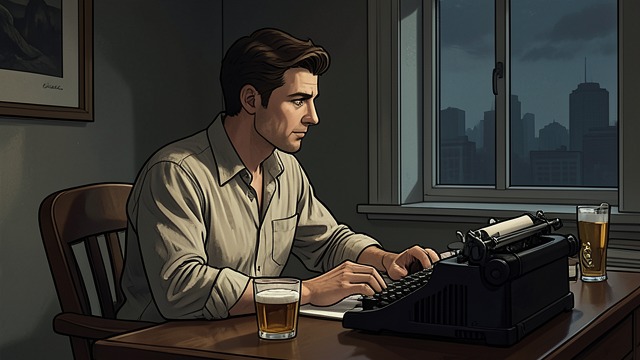
Fame Without Ease
A divided identity
Chinaski’s readings attract crowds, but he still dislikes literary circles and sometimes feels like a paid spectacle. The public success does not make him feel secure among writers.
Work remains solitary
He continues to regard the typewriter as the real measure of his vocation. Social approval and sales may provide money, but they cannot substitute for the act of writing.
Early in Chinaski’s writing career
The night the magazine issue is completed
After Chinaski and Lydia begin attending gatherings together
During Chinaski’s New York City reading trip
Near the novel’s final third
