124 Bluestone Road
124 Bluestone Road is the haunted house in Cincinnati where Sethe, Denver, and the ghost of Sethe's murdered baby daughter live. It is the novel's central location, embodying the trauma of slavery and the struggle for freedom and healing.
The House and Its Haunting
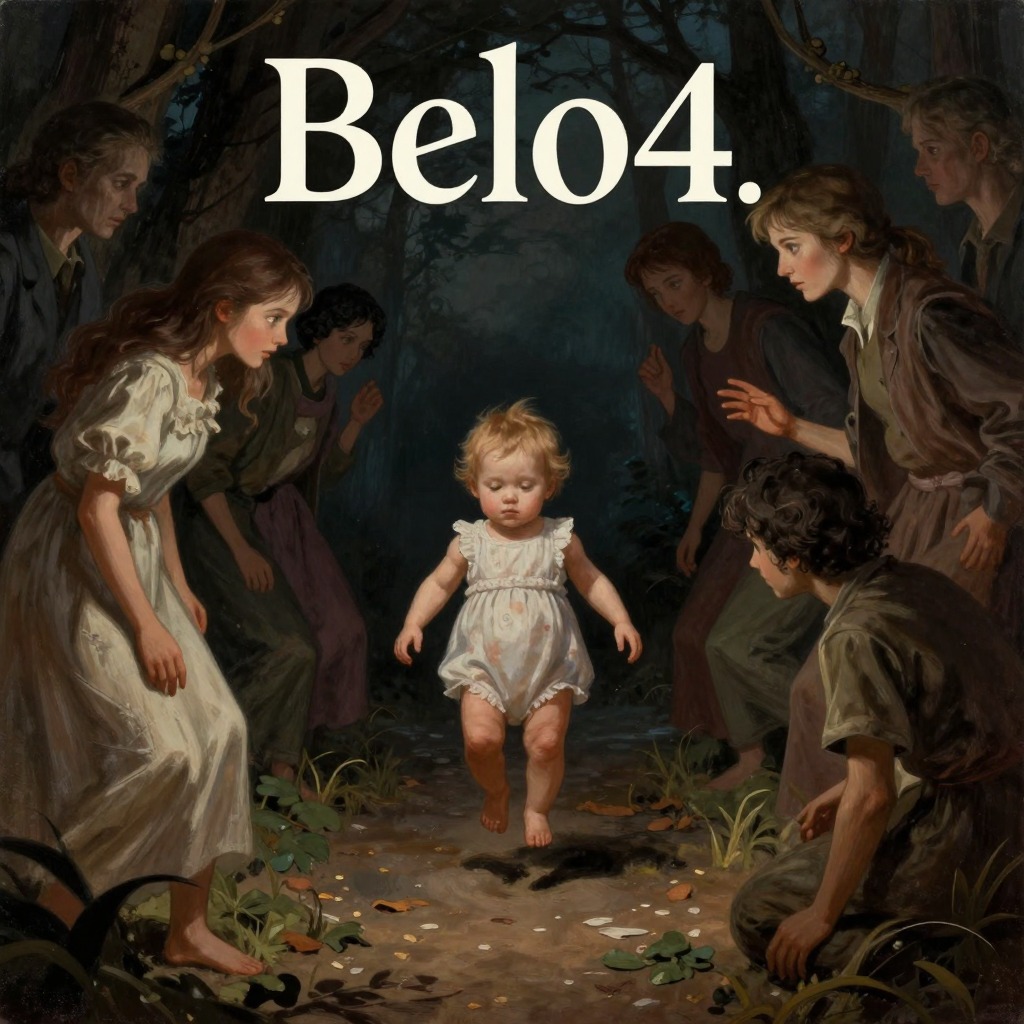
124 Bluestone Road is a gray and white house on the outskirts of Cincinnati, Ohio, a city that did not stretch that far when the house was first occupied. The house is described as "spiteful," full of a baby's venom, a presence that the women in the house know and the children endure. By 1873, Sethe and her daughter Denver are its only victims, as the grandmother Baby Suggs has died, and the sons Howard and Buglar have run away—Buglar after a mirror shattered, Howard after two tiny handprints appeared in a cake. The house's mischief includes turned-over slop jars, smacks on the behind, gusts of sour air, and a kettleful of chickpeas smoking on the floor. The ghost is the spirit of Sethe's baby daughter, whom Sethe killed with a handsaw to save her from being returned to slavery. The house is so full of strong feeling that Sethe is oblivious to the loss of color in her life, and the ghost's presence is a constant reminder of her past.
The House as a Way Station and a Place of Community
Before the haunting, 124 was a cheerful, buzzing house where Baby Suggs, holy, loved, cautioned, fed, chastised, and soothed. It was a way station for fugitives, where messages were left, strangers rested, and children played in the shoes of visitors. The house was the site of a famous feast for ninety people, sparked by Stamp Paid's gift of blackberries, which made the community angry at Baby Suggs' excess. The house's decline began after Sethe's infanticide, when the community shunned the family, and the ghost's venom drove away visitors. The house became a place of isolation, where Denver had no friends and Sethe lived in a solitary world.
The House's Transformation and the Arrival of Paul D and Beloved
Paul D's arrival at 124 marks a turning point. He drives out the baby ghost with a table and a loud male voice, making the house quiet for the first time. But his presence also brings new tensions, and the house becomes a battleground for Sethe's love and Denver's jealousy. The arrival of Beloved, a mysterious young woman who emerges from a stream, transforms the house again. Sethe, Denver, and Beloved form a strange family, and the house becomes a place of intense, possessive love. The house's atmosphere shifts from haunting to a kind of enchantment, as the three women play, skate, and sing together. But as Beloved's demands grow, the house becomes a prison of hunger and exhaustion, and Sethe's health declines.
The House's Exorcism and Aftermath
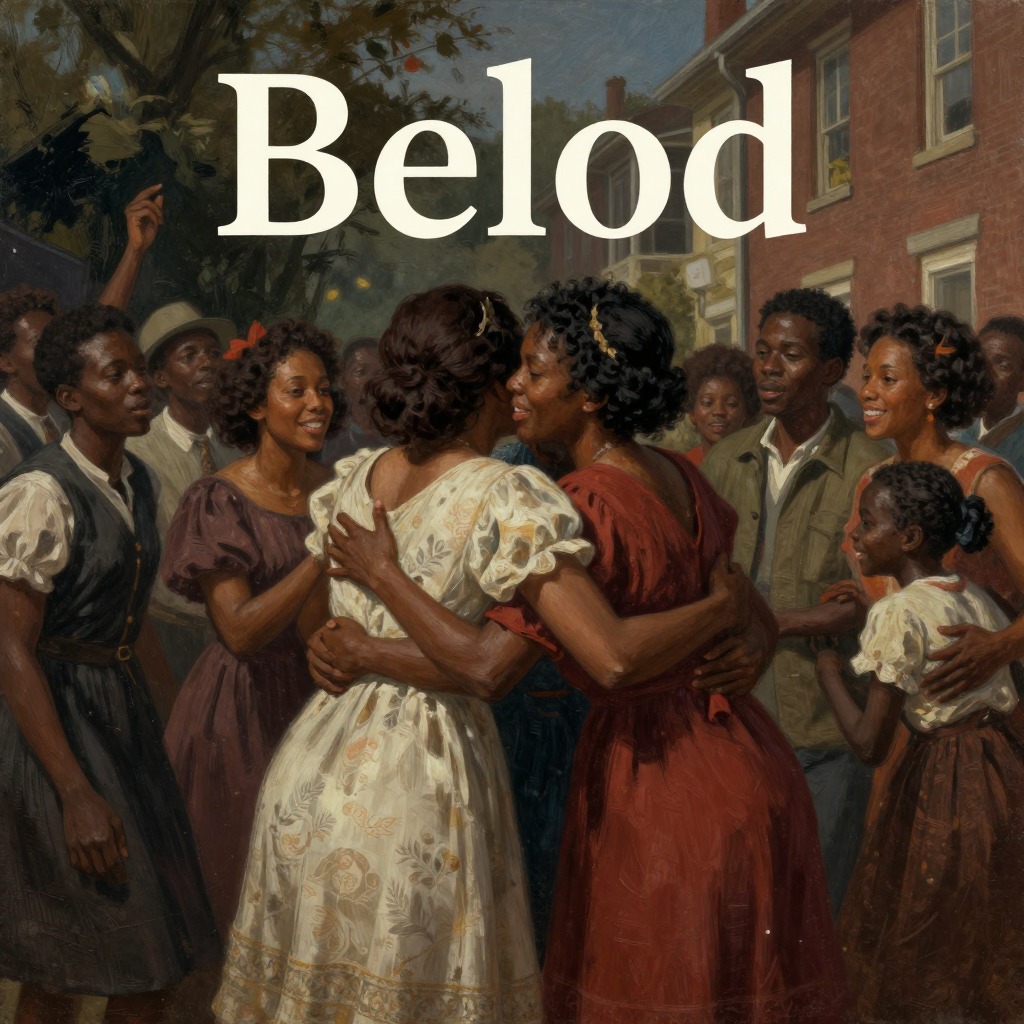
The community's intervention, led by Ella, brings an end to Beloved's hold on the house. Thirty women gather outside 124 and sing, a sound that breaks the back of words and causes Beloved to disappear. In the chaos, Sethe attacks Edward Bodwin, mistaking him for schoolteacher, and is restrained by Denver and Ella. After Beloved's disappearance, the house is quiet, and Paul D returns to find it "just another weathered house needing repair." The house is unloaded of its haunting, and the family begins to heal. Sethe, lying in Baby Suggs' bed, is coaxed back to life by Paul D, who tells her, "You your best thing, Sethe. You are." The house, once a symbol of trauma, becomes a place of potential new beginnings, though the memory of Beloved lingers in the footprints by the stream.
The House's Narrative Significance
124 Bluestone Road is more than a setting; it is a character in the novel, a repository of memory and grief. The house's haunting represents the unquiet past of slavery, and its exorcism symbolizes the possibility of healing. The house's transformation from a place of spite to a place of quiet reflects the novel's arc from trauma to recovery. The house also serves as a microcosm of the black community's struggles and resilience, and its history—from way station to haunted house to empty shell—mirrors the broader history of African Americans in the post-Civil War era. The novel's epigraph, "Sixty million and more," and the final refrain, "This is not a story to pass on," underscore the house's role as a site of memory that must be both remembered and released.