Buglar
Buglar is one of Sethe's two sons, the elder of the brothers who flee 124 Bluestone Road in the opening pages of Toni Morrison's Beloved. His flight, along with that of his brother Howard, is a pivotal early event that strips the household of its male children and leaves Sethe and her daughter Denver alone with the ghost that torments them. Buglar's departure is not merely a personal act of self-preservation but a symptom of the profound psychological damage wrought by the haunting and the legacy of slavery that permeates the novel.
Identity and Family Background
Buglar is the second son of Sethe and Halle, born into slavery at Sweet Home plantation in Kentucky. He is one of four children: Howard, the elder brother, and Denver, the youngest, along with an unnamed baby girl who is killed by Sethe in an act of infanticide. Buglar and Howard are described as being close, often holding hands in their sleep, a detail that underscores their bond and the shared trauma they endure. Their childhood at 124 is marked by the presence of the baby ghost, which manifests in increasingly violent ways, from shaking the house to leaving tiny handprints in cake. Buglar, like Howard, is sensitive to these disturbances, and his reaction to the ghost's antics is a key factor in his decision to leave.
The Haunting and the Flight
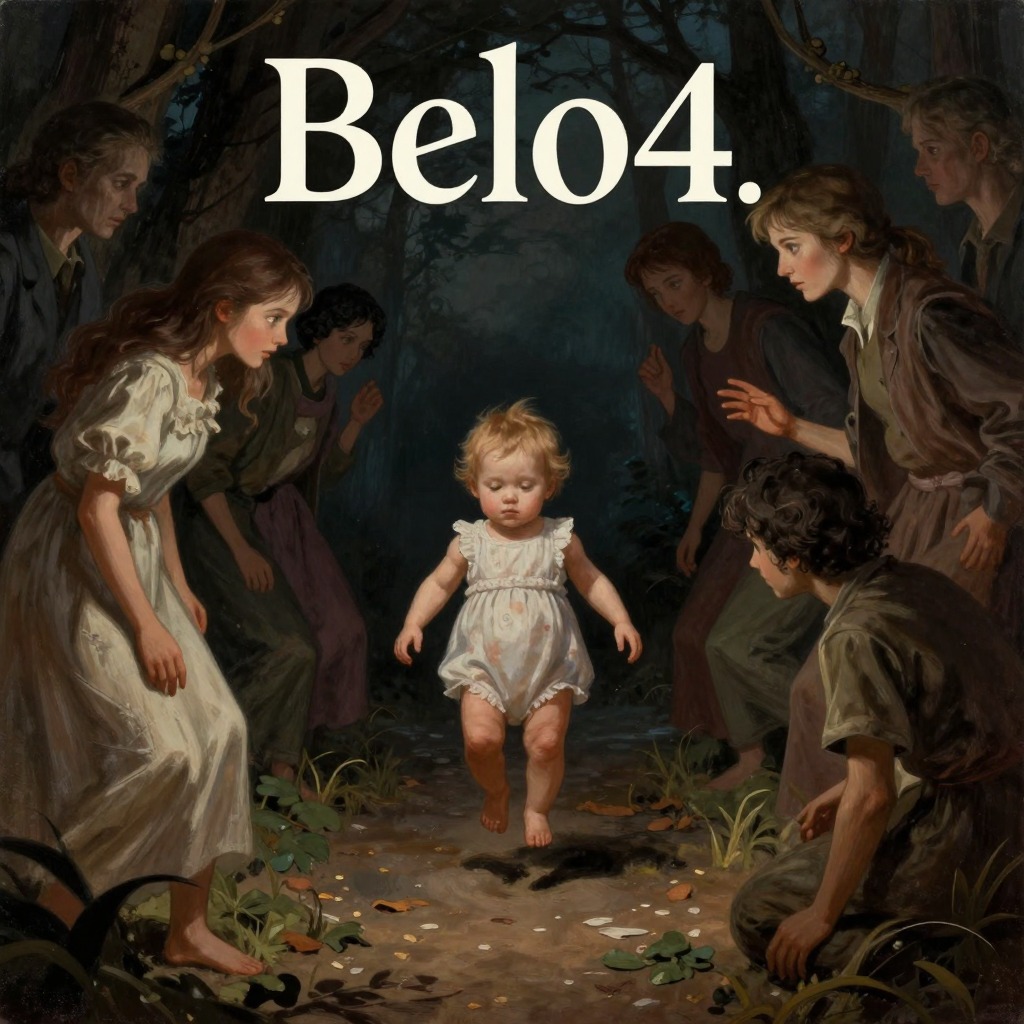
The novel opens with the declaration that "124 was spiteful," and it is Buglar who is the first to flee when the ghost's behavior becomes unbearable. The text specifies that Buglar runs away "as soon as merely looking in a mirror shattered it," a signal that the ghost has targeted him personally. He does not wait for the relief periods when the house is quiet; instead, he leaves abruptly, within two months of the first insult, in the dead of winter. His departure is described as a creeping away, with quilt packing stuffed into his hat and shoes snatched up, leaving his grandmother Baby Suggs, his mother Sethe, and his little sister Denver alone in the gray and white house on Bluestone Road. The flight of Buglar and Howard is a direct consequence of the ghost's malevolence, but it also reflects a deeper pattern of abandonment and loss that characterizes the lives of the formerly enslaved.
Life After Leaving
After leaving 124, Buglar and Howard are not heard from again in the novel. Sethe's memories of them are tinged with grief and a sense of fading: she recalls their thirteen-year-old faces, which gradually dissolve into baby images that come to her only in sleep. She dreams of them running along railroad tracks, laughing, but they never turn around to see her. The boys' absence is a constant ache for Sethe, who had already lost her husband Halle and her baby daughter. Buglar's fate remains unknown, but his departure is a testament to the impossibility of living with the ghost's rage and the psychological toll it takes on the family.
Thematic Significance
Buglar's flight is emblematic of the novel's exploration of the haunting legacy of slavery and the ways in which trauma is passed down through generations. His departure, along with Howard's, leaves Sethe and Denver isolated, making them more vulnerable to the ghost's attacks and to the community's shunning. Buglar's absence also highlights the theme of motherlove and its limits: Sethe's fierce love for her children is what drove her to kill her baby rather than let her be returned to slavery, but that same love cannot keep her sons from fleeing. The novel suggests that the past, like the ghost, cannot be easily escaped, and Buglar's flight is a futile attempt to outrun the history that haunts them all. His story, though brief, is a crucial part of the novel's meditation on memory, loss, and the possibility of healing.