chokecherry tree
The chokecherry tree is the name given to the intricate pattern of scar tissue that covers Sethe's back, the result of a brutal whipping she received at Sweet Home. The term is first introduced by Amy Denver, the white runaway girl who helps Sethe escape, and it becomes a recurring symbol throughout the novel, embodying the physical and psychological scars of slavery, the violation of motherhood, and the struggle for self-possession.
Origin and Description
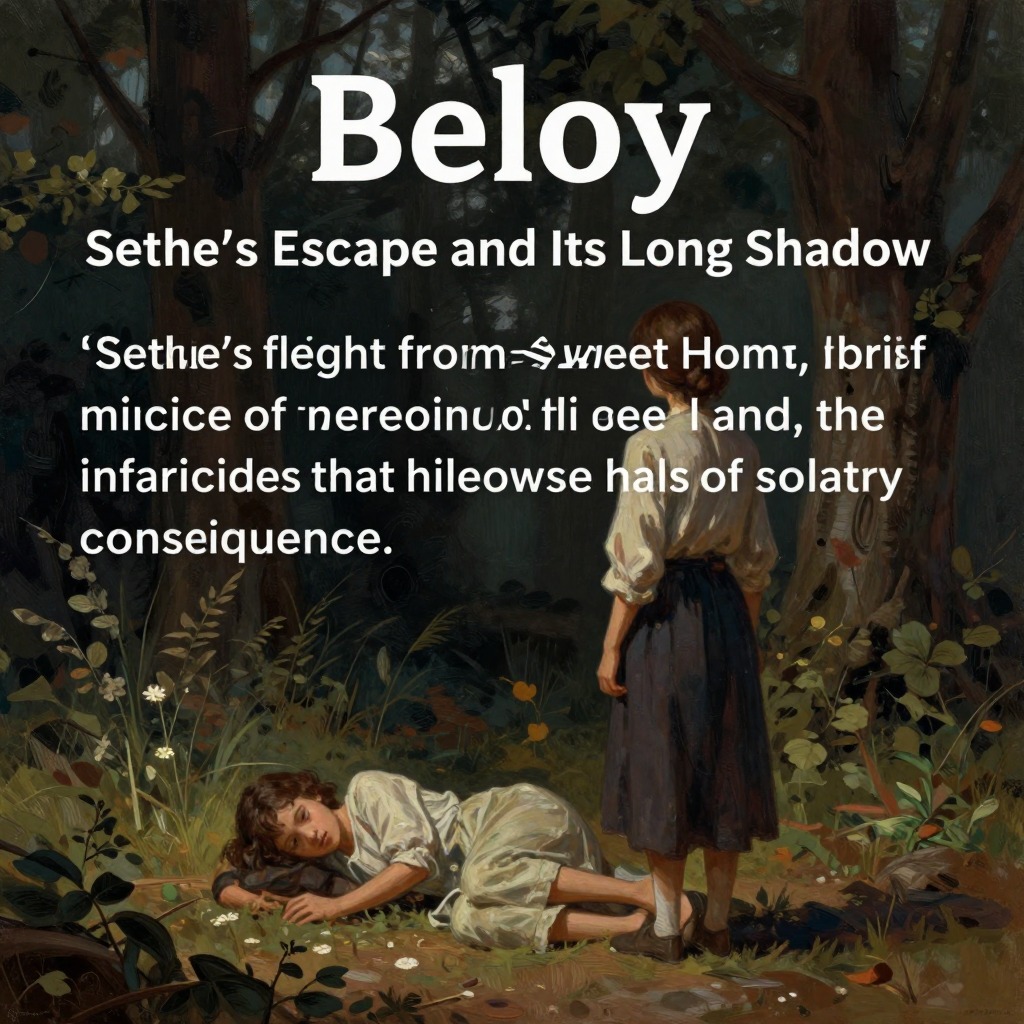
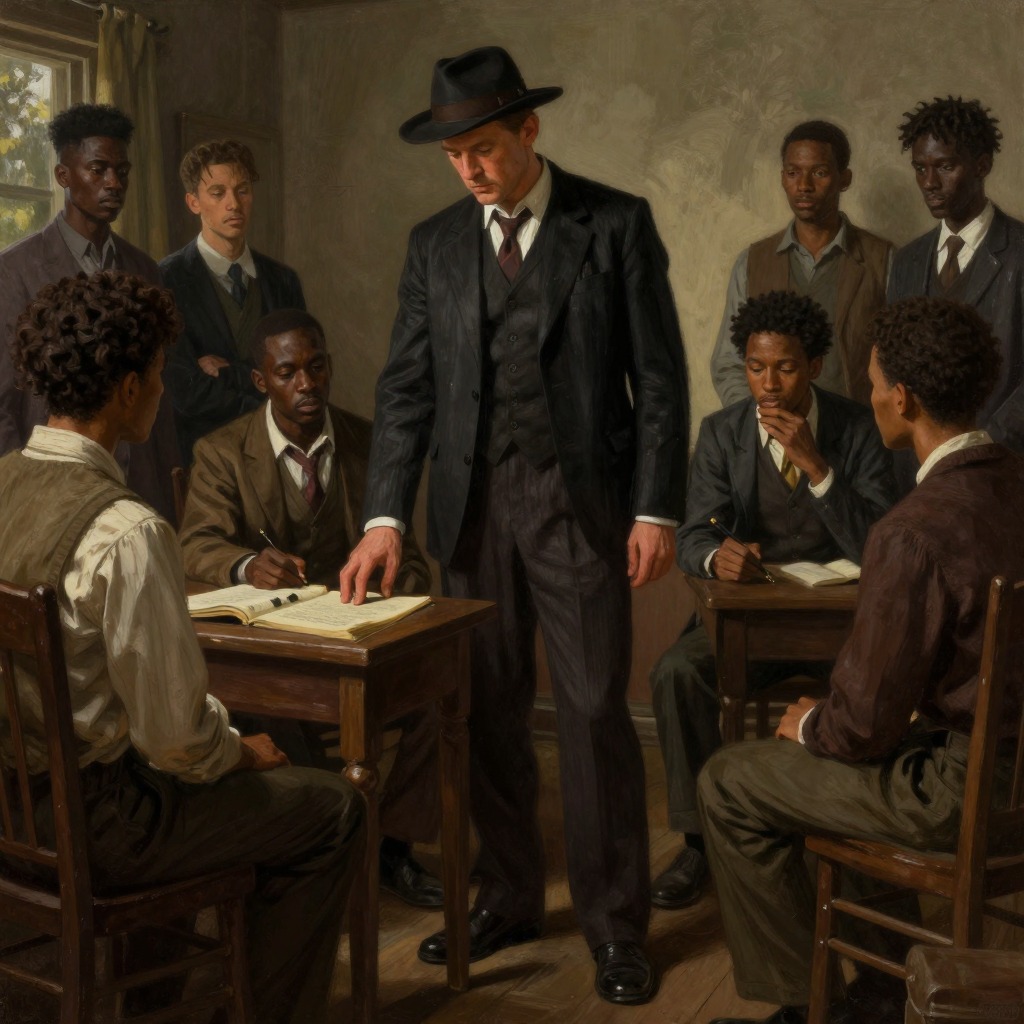
The tree is born from violence. After Sethe reports to Mrs. Garner that schoolteacher's nephews have held her down and stolen her milk, schoolteacher punishes her by having one of the nephews "open up" her back with a cowhide whip. The beating is so severe that when the wounds heal, they form a raised, branching pattern that Amy Denver, upon seeing it, describes as a chokecherry tree: "It's a tree, Lu. A chokecherry tree. See, here's the trunk--it's red and split wide open, full of sap, and this here's the parting for the branches. You got a mighty lot of branches. Leaves, too, look like, and dern if these ain't blossoms. Tiny little cherry blossoms, just as white." Sethe herself has never seen the scars, as they are on her back, and she relies on Amy's description. She tells Paul D, "That's what she called it. I've never seen it and never will. But that's what she said it looked like. A chokecherry tree. Trunk, branches, and even leaves. Tiny little chokecherry leaves." The tree is thus a symbol that is both intimately known and unseen, a constant presence that Sethe can feel but never fully perceive.
Symbol of Trauma and Memory
The chokecherry tree is a powerful emblem of the trauma of slavery. It is a permanent, visible mark of the dehumanization and brutality that Sethe endured, a physical manifestation of the psychological wounds that she carries. The tree is also a symbol of memory, particularly the kind of memory that Sethe calls "rememory." She explains to Denver that places and events are not just in one's mind but exist out in the world, waiting to be encountered again: "If a house burns down, it's gone, but the place--the picture of it--stays, and not just in my rememory, but out there, in the world." The chokecherry tree is such a place, a scar that is both on her body and in the world, a reminder of the past that can never be erased. The tree also represents the way trauma is inscribed on the body, a narrative that is told through flesh rather than words.
The Tree and Paul D
When Paul D arrives at 124, he is both drawn to and repelled by the tree. In the kitchen, as Sethe tells him about the stolen milk, he stands behind her and presses his cheek against the scars, "his body an arc of kindness." He then kisses every ridge and leaf of the scar, an act of tenderness that Sethe cannot feel because the skin is dead. Later, however, when they are in bed, Paul D recoils from the sight of the scars, seeing them not as a tree but as "a revolting clump of scars." He thinks, "Not a tree, as she said. Maybe shaped like one, but nothing like any tree he knew because trees were inviting; things you could trust and be near." This contrast highlights the different ways the tree is perceived: for Sethe, it is a part of her identity, a symbol of her survival and her love for her children; for Paul D, it is a reminder of the brutality that he himself has witnessed and endured, and it threatens his ability to see Sethe as a whole person. The tree thus becomes a site of conflict between intimacy and revulsion, between understanding and judgment.
The Tree and Identity
The chokecherry tree is also a symbol of Sethe's identity as a mother. The whipping occurred because she tried to protect her milk for her baby, and the tree is a permanent reminder of her fierce, protective love. It is also a symbol of her claim to her own body and her children. When Paul D tells her that her love is "too thick," she responds, "Love is or it ain't. Thin love ain't love at all." The tree is the physical evidence of that thick love, a love that is willing to endure any pain to keep her children safe. In the end, when Paul D returns to Sethe after Beloved's disappearance, he tells her, "You your best thing, Sethe. You are." This affirmation suggests that Sethe is more than her scars, more than the tree on her back. The tree remains, but it is no longer the defining feature of her identity.
The Tree and the Supernatural
The chokecherry tree is also connected to the supernatural elements of the novel. When Sethe is in the Clearing, she feels Baby Suggs' fingers on her neck, but the touch becomes strangling, and she later believes it was the ghost of her baby. The tree, like the ghost, is a presence that is both part of Sethe and separate from her, a reminder of the past that will not stay buried. The tree is also associated with the idea of "rememory," which is a kind of haunting, a way in which the past continues to exist and affect the present. The tree is thus a symbol of the inescapable nature of trauma, a scar that is both physical and spiritual.
The Tree and the Community
The chokecherry tree also serves as a marker of Sethe's isolation from the community. After the infanticide, the community shuns Sethe, and the tree on her back becomes a symbol of her difference, her pride, and her crime. When the women of the community gather to exorcise Beloved, they see Sethe and Beloved standing in the doorway, and they are struck by the sight of the "devil-child" but also by Sethe's own transformation. The tree is a reminder of the violence that Sethe has both suffered and committed, and it sets her apart from others who have not been marked in the same way.
The Tree and the Ending
In the final chapter, Paul D returns to 124 and finds Sethe in Baby Suggs' bed, withdrawn and broken. He tells her, "me and you, we got more yesterday than anybody. We need some kind of tomorrow." He then says, "You your best thing, Sethe. You are." This moment suggests a possibility of healing, of moving beyond the past. The chokecherry tree remains, but it is no longer the sole definition of Sethe. The novel ends with the image of Beloved's footprints by the stream, fading away, and the words "This is not a story to pass on." The tree, like Beloved, is a part of the past that must be remembered but also, perhaps, released. The chokecherry tree is thus a complex symbol that encompasses trauma, memory, identity, and the possibility of redemption.