Arrakis terraforming project
The Arrakis terraforming project is the monumental, multi-generational ecological engineering effort to transform the desert planet Arrakis into a habitable world with open water, green plant life, and a self-sustaining ecosystem. Conceived by the Imperial Planetologist Pardot Kynes and carried forward by his son Liet-Kynes, the project becomes the defining dream of the Fremen people, binding their culture, religion, and political destiny. It is the hidden engine behind the novel's central conflicts: the struggle for control of Arrakis, the Fremen's messianic expectations, and Paul-Muad'Dib's eventual ascension as both a religious and political leader. The project's ultimate goal—to make Arrakis a paradise—stands in tension with the planet's role as the sole source of the spice melange, a tension that shapes the fate of the entire Imperium.
Origins and Vision
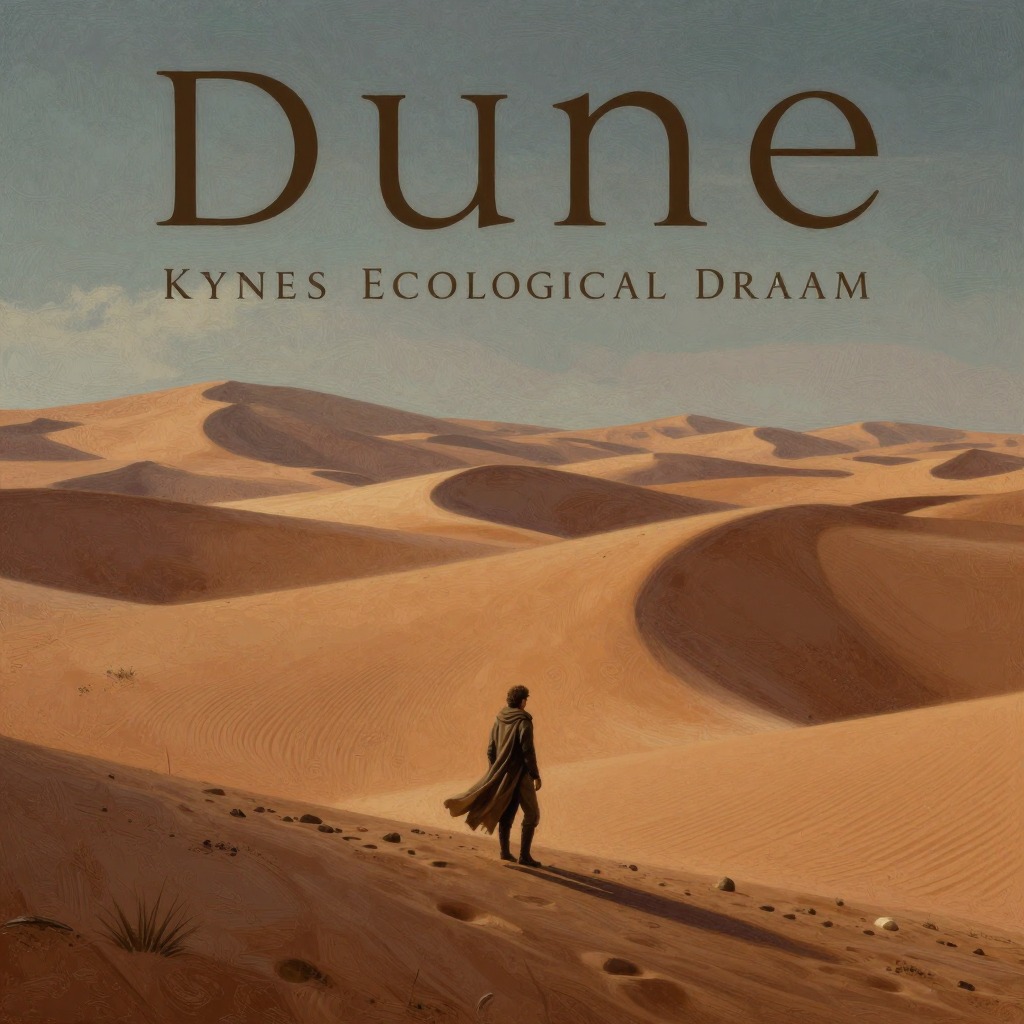
The terraforming project originates with Pardot Kynes, the first Imperial Planetologist of Arrakis, who saw the planet not as a barren wasteland but as "an expression of energy, a machine being driven by its sun" that could be reshaped to fit human needs. His vision was ecological: to introduce plant life that would anchor dunes, capture atmospheric moisture, and gradually build a self-sustaining cycle. Kynes believed that "life improves the closed system's capacity to sustain life" and that the key was to achieve a critical threshold—three percent of the green plant element involved in forming carbon compounds—to tip the entire structure into a self-sustaining system. He taught this vision to the Fremen, creating a new language of ecological literacy and instilling in them a dream that would outlast him. His methods were unconventional: he married a Fremen woman, and his son Liet-Kynes was born into the tribe, becoming a full Fremen and sandrider. Kynes's single-mindedness was such that when he stumbled upon Harkonnen bravos killing Fremen youths, he intervened not out of bravery but because they were destroying "the tools with which he intended to remake a planet." This act earned him the Fremen's trust, and his lectures on water, dunes, and palmaries gradually convinced them of his vision, despite initial skepticism. The project's timeline was vast—Kynes estimated it would take three hundred to five hundred years—but the Fremen, accustomed to patience under oppression, accepted the long wait.
The Fremen's Dream and the Water of Life
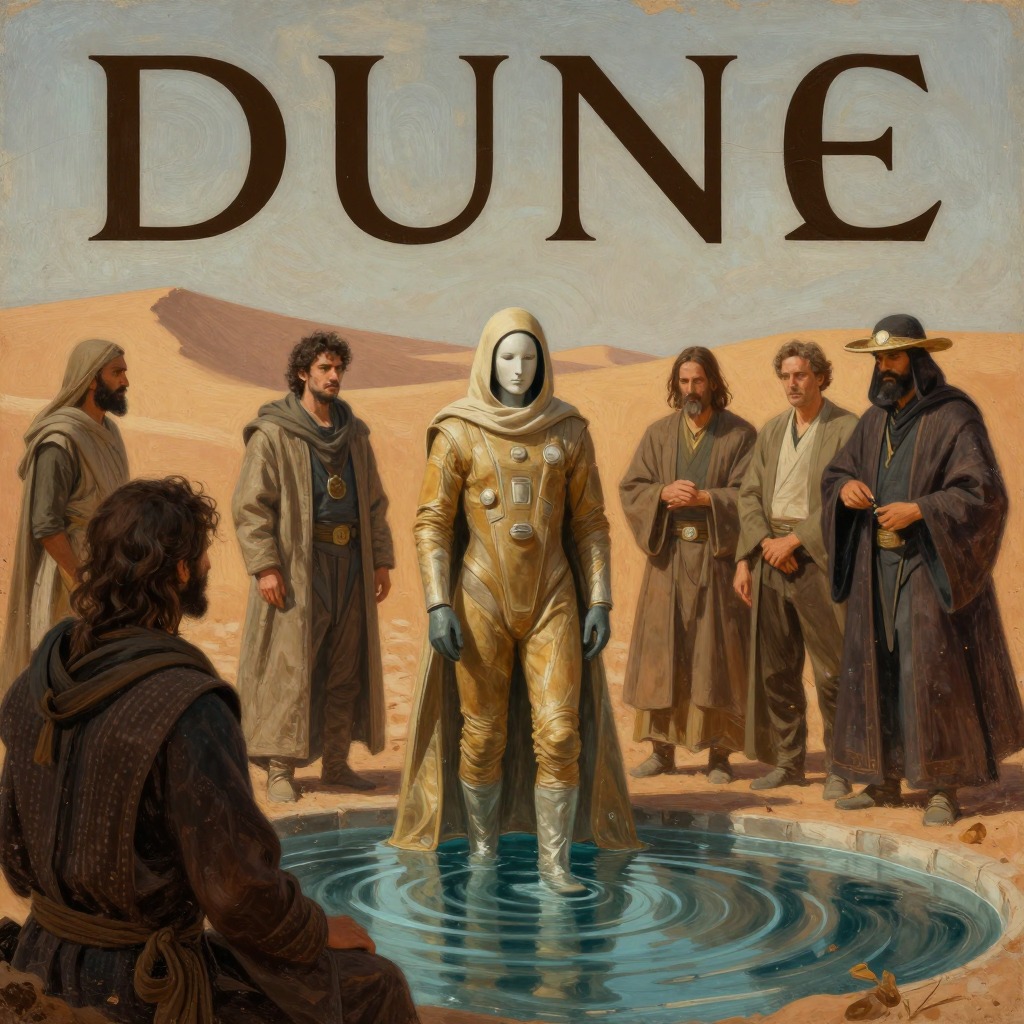
The terraforming project became the Fremen's central cultural and religious aspiration. Stilgar, the Fremen leader, articulated this dream when he spoke of "open water and tall green plants and people walking freely without stillsuits." The Fremen's entire way of life—their water discipline, their stillsuits, their reverence for moisture—was oriented toward this future transformation. The project also intertwined with their religious beliefs, as the Fremen saw the coming of a messiah, the Lisan al-Gaib, who would lead them to paradise. This messianic expectation was deliberately planted by the Bene Gesserit's Missionaria Protectiva, but it found fertile ground in the Fremen's ecological dream. The Water of Life, a poison produced from the drowning of a sandworm, became a central ritual element: a Reverend Mother would transform it within her body, making it safe for the tribe to drink and inducing a communal awareness (the tau). This ritual not only strengthened social bonds but also connected the Fremen's spiritual life to the very ecology they sought to change, as the Water of Life derived from the sandworm, the creature whose existence was tied to the spice and the desert.
The Project's Implementation and Challenges
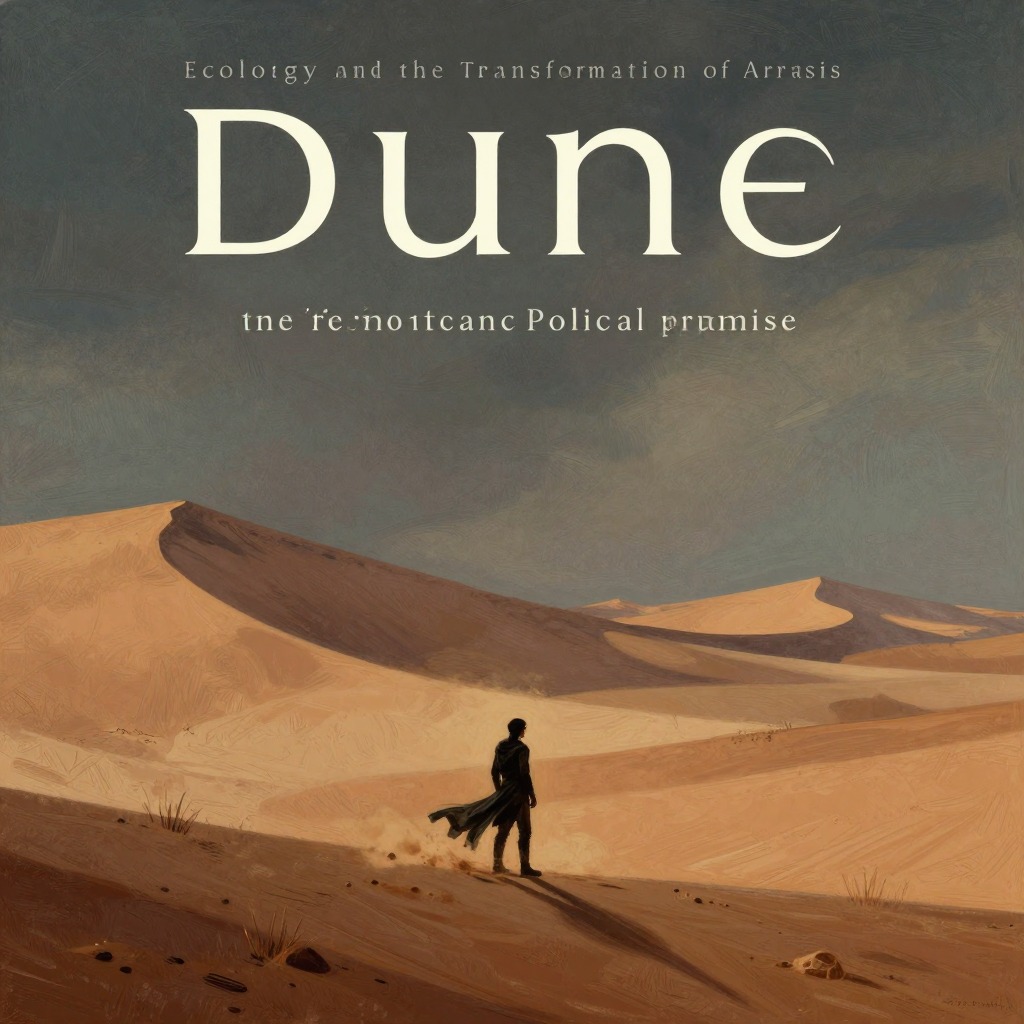
Under Pardot Kynes and later Liet-Kynes, the Fremen began implementing the terraforming project in secret, far from Harkonnen watchers. They planted mutated poverty grasses on the slipfaces of dunes to anchor them, then introduced deeper plantings—ephemerals, scotch broom, low lupine, vine eucalyptus, and true desert growths like candelilla, saguaro, and barrel cactus. They introduced burrowing animals to aerate the soil and predators to keep them in check. They built windtraps to precipitate moisture from the air and dug underground catchbasins. A crucial discovery came when they found that a barren zone created by protein incompatibility between new plant life and sand plankton could be converted into a rich plant bed by adding sulfur and fixed nitrogen, allowing the plantings to advance at will. The project faced constant challenges: the need to bribe the Guild with spice to keep weather satellites away, the threat of Harkonnen discovery, and the inherent difficulty of transforming a desert planet. Yet the Fremen persisted, driven by the dream that "the blessed day was coming." The project's ultimate goal was not merely survival but the creation of a world where water would be freely available—"It shall be there for any man to take. It shall be his for holding out his hand."
The Project's Role in Paul-Muad'Dib's Rise
The terraforming project became a political and military asset for Paul-Muad'Dib. When Paul and his mother, Lady Jessica, were taken in by the Fremen, they found a people already united by a common dream and a willingness to fight for it. Paul recognized that the Fremen's ecological vision gave them a sense of purpose that could be harnessed for his own ambitions. He saw that "the Fremen are the key" to desert power, and their dream of transforming Arrakis made them a formidable force. The project also provided a moral justification for Paul's rule: he promised the Fremen that "there will be flowing water here open to the sky and green oases rich with good things," while also acknowledging that "there will always be desert on Arrakis" to preserve the spice. This dual promise—transformation and preservation—allowed Paul to unite the Fremen behind him and to challenge the Emperor. The terraforming project thus became not just an ecological endeavor but a symbol of Fremen identity and a tool for political conquest.
The Project's Legacy and Significance
The Arrakis terraforming project represents the novel's central theme of human agency in shaping the environment, but it also carries a warning about the unintended consequences of such ambition. The project's success would mean the end of the desert and, with it, the sandworms and the spice—the very resources that made Arrakis valuable. This paradox is embodied in Paul's threat to destroy the spice if the Guild or the Emperor opposed him: "He who can destroy a thing has the real control of it." The project thus becomes a double-edged sword, offering the promise of paradise while threatening the foundation of the Imperium's economy and the Fremen's own way of life. In the end, the terraforming project remains an unfinished dream, a testament to the power of human vision and the cost of its realization. It is the backdrop against which Paul-Muad'Dib's story unfolds, a reminder that the greatest transformations are often the slowest and most difficult to achieve.