Law Courts
The Law Courts are the primary setting for the novel's pivotal trial sequence, a sprawling, imposing building whose physical layout and bureaucratic rituals mirror the moral bankruptcy of the institution it houses. The courtrooms are described in meticulous detail: a raised platform with a green-clothed table, high-backed oak chairs for the judges, a portrait of the Emperor, an icon of Christ crowned with thorns, and a separate oak grating for the prisoners. This arrangement visually enforces hierarchy and separation, with the judges elevated and the accused confined behind bars. The space is designed to overawe, and the prisoners, like Katerina Maslova, are brought in through a back door, processed like objects rather than subjects of justice.
The Trial as a Flawed Mechanism
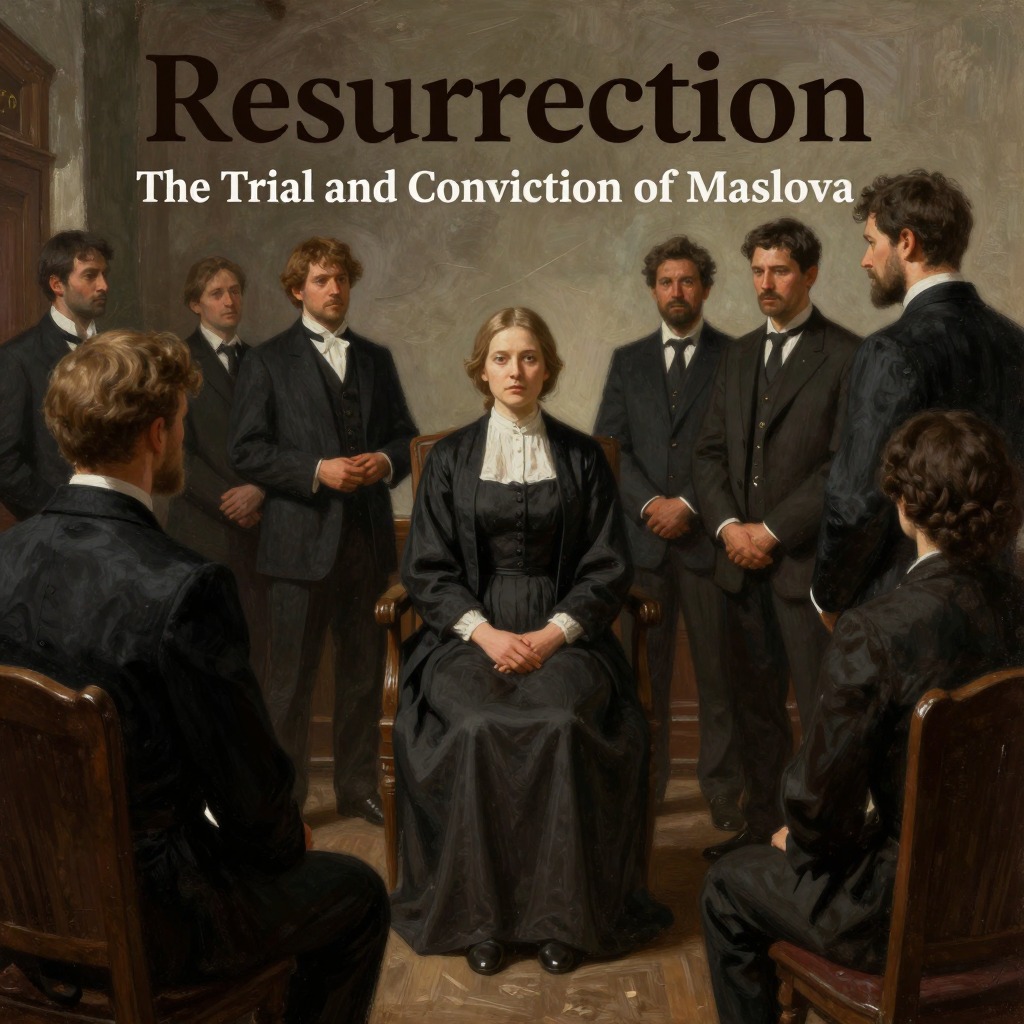
The trial of Maslova, Simeon Kartinkin, and Euphemia Botchkova unfolds within these walls as a grotesque parody of justice. The president of the court is preoccupied with a romantic rendezvous, the public prosecutor has not prepared the case, and the jury, including Dmitri Ivanovitch Nekhludoff, is a collection of bored, distracted citizens. The proceedings are dominated by procedural formalities—the swearing-in of the jury, the reading of the indictment in a monotonous drone, the examination of witnesses—while the substance of the case is repeatedly distorted. The prosecutor delivers a florid, pseudo-scientific speech invoking heredity and hypnotism, while Maslova's own advocate is so timid and ineffective that his intervention only embarrasses the court. The president's summing-up is deliberately incomplete, omitting the crucial instruction that the jury could find Maslova guilty of administering the powder without intent to kill, a direct consequence of his haste to finish the session.
The Verdict and Its Aftermath
The jury's verdict, reached in a cramped, smoke-filled debating room, is a product of exhaustion, prejudice, and a fatal omission. They find Maslova guilty of poisoning but without intent to rob, a logical contradiction that the president notices but fails to correct. The sentence—four years' penal servitude in Siberia—is pronounced in the same room where the trial was held, and Maslova's cry of innocence echoes through the chamber, met only by the impassive faces of the officials. The Law Courts thus become the site where a fundamentally innocent woman is condemned, not through malice but through the routine, careless operation of a system that values procedure over truth. Nekhludoff's subsequent attempts to rectify the error—his conversation with the president on the courthouse steps, his consultation with the advocate Fanarin, and his appeal to the Senate—all originate from this building, which stands as a monument to the failure of institutional justice.
Symbolic and Thematic Significance
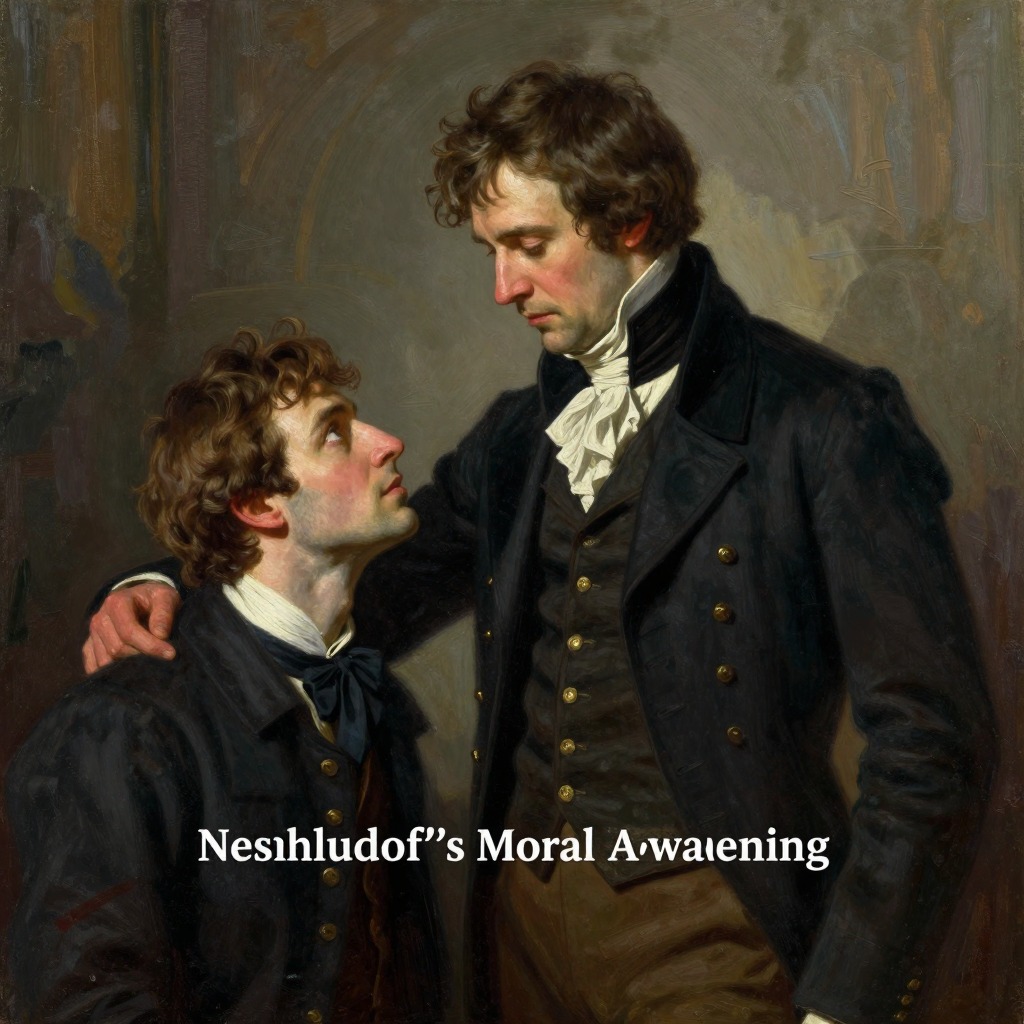
The Law Courts function as a microcosm of the broader social and political order that Tolstoy condemns. The building's grandeur and the solemnity of its rituals are a facade that conceals the arbitrary cruelty of the state. The judges, prosecutors, and lawyers are not villains but functionaries, each absorbed in their own petty concerns—the president's affair, the prosecutor's ambition, the advocate's fees—while the lives of the accused hang in the balance. The space itself, with its portrait of the Emperor and its icon, is a shrine to the twin idols of autocracy and orthodoxy, which together sanctify the oppression of the poor and the powerless. For Nekhludoff, the Law Courts are the catalyst for his moral awakening; it is here that he first recognizes the woman he betrayed and is forced to confront the consequences of his own past. The building thus becomes a threshold between his old life of privilege and his new path of repentance and service, a place where the lie of the existing order is exposed, even as it continues to operate.