Samanas
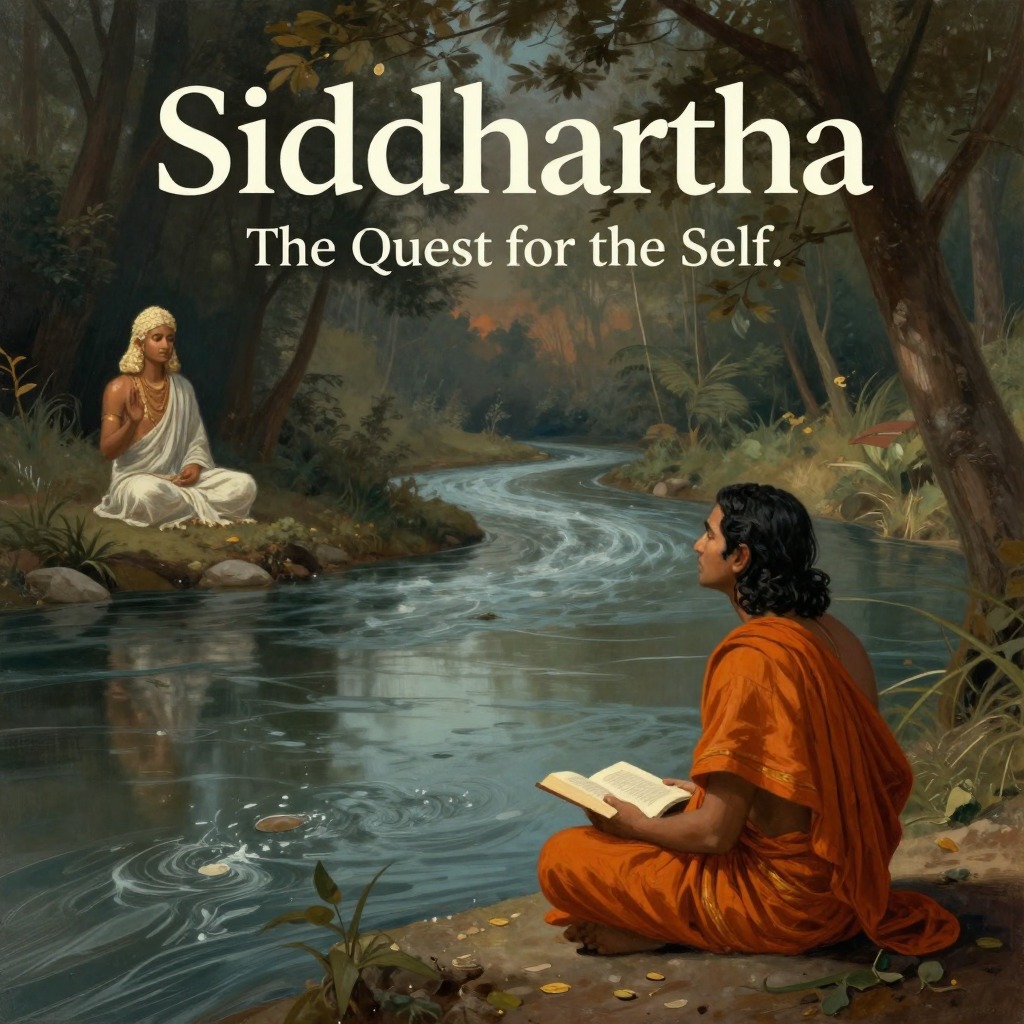
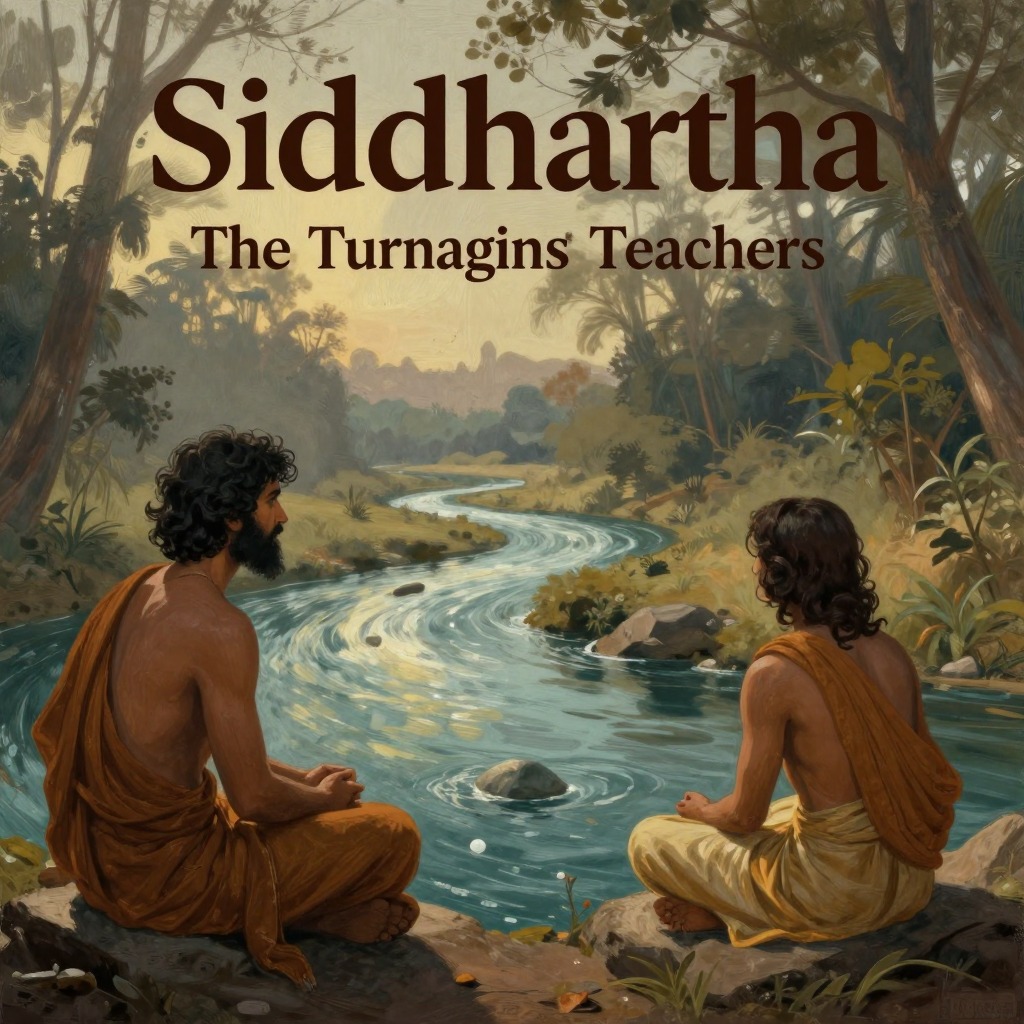
The Samanas are a wandering order of ascetics who appear in the forest near Siddhartha's town, and their way of life becomes the first alternative path the young Brahman chooses after growing disillusioned with the rituals and teachings of his father's religion. Three skinny, withered men, neither old nor young, with dusty and bloody shoulders, almost naked and scorched by the sun, they are described as strangers and enemies to the world, surrounded by loneliness, and behind them blows a hot scent of quiet passion, of destructive service, of merciless self-denial. It is this radical rejection of the world that draws Siddhartha, who resolves to join them and persuades his father to let him go after a night of silent, motionless vigil. His friend Govinda follows him, and together they offer the Samanas their companionship and obedience, being accepted into the order that same evening.
Practices and Teachings
Siddhartha learns a great deal from the Samanas, mastering many ways of leading the self away from itself. He gives his garments to a poor Brahman and wears only a loincloth and an earth-coloured, unsown cloak, eating once a day and never anything cooked. He fasts for fifteen days, then for twenty-eight, until the flesh wanes from his thighs and cheeks, feverish dreams flicker from his enlarged eyes, and a dry, shaggy beard grows on his chin. He exposes himself silently to the burning rays of the sun, standing until he feels neither pain nor thirst, and in the rainy season stands motionless as water drips from his hair over freezing shoulders and hips until he can no longer feel the cold. He cowers in thorny bushes until blood and pus drip from festering wounds and he feels nothing. He learns to breathe sparingly, to stop breathing, to calm the beat of his heart until it is almost still. Instructed by the oldest of the Samanas, he practises self-denial and meditation according to new rules: he accepts a heron into his soul, flies over forest and mountains, eats fish, feels a heron's hunger, speaks its croak, dies its death; he slips his soul into the body of a dead jackal, lies on the sandy bank, bloats, stinks, decays, is dismembered by hyenas, skinned by vultures, turned to dust and blown across the fields. He kills his senses and his memory, slipping out of his self into thousands of other forms—animal, carrion, stone, wood, water—only to awake every time and find his old self again, turning round in the cycle, feeling thirst, overcoming it, feeling new thirst.
Siddhartha's Disillusionment
Despite mastering these techniques, Siddhartha grows deeply dissatisfied with the Samana path. He confides to Govinda that what he has learned among the Samanas—meditation, holding his breath, insensitivity to hunger and pain—he could have learned more quickly and by simpler means in any tavern where whores gather, among carters and gamblers. He argues that these practices are merely a short escape from the agony of being a self, a numbing of the senses no different from what a driver of an ox-cart finds in a bowl of rice-wine. Govinda protests that a Samana is no drunkard, that the drinker returns from his delusion unchanged, having gathered no enlightenment, but Siddhartha insists that he himself finds only a short numbing in his exercises and remains as far from wisdom and salvation as a child in the mother's womb. He observes that the oldest Samana, about sixty years old, has not reached nirvana and will not reach it at seventy or eighty, and he believes that out of all the Samanas, not a single one will find the path of paths. They find comfort and numbness, they learn feats to deceive others, but the most important thing eludes them. This leads him to the radical conclusion that there is no such thing as learning, that knowledge has no worse enemy than the desire to know it, and that the only true knowledge—Atman—is already within every creature.
Departure and Legacy
When news of Gotama the Buddha reaches the Samanas in the forest, Govinda urges Siddhartha to go and hear the teachings. Siddhartha agrees, though he believes they have already tasted the best fruit of those teachings: that Gotama has called them away from the Samanas. When Siddhartha informs the oldest Samana of his decision to leave, the old man becomes angry and speaks crude swearwords. Siddhartha, positioning himself closely in front of the Samana with a concentrated soul, captures the old man's glance with his own, deprives him of his power, makes him mute, takes away his free will, and subdues him under his own will, commanding him silently to do whatever he demands. The old man becomes motionless, his arms hanging down, and he makes several bows and performs gestures of blessing, stammering a godly wish for a good journey. Govinda marvels that Siddhartha has learned to cast a spell on an old Samana, but Siddhartha dismisses such feats, saying he does not seek to walk on water. The Samanas thus serve as the crucible in which Siddhartha hones his extraordinary mental discipline—the ability to think, wait, and fast—which he later deploys in the worldly life of commerce and love, and which ultimately enables his final awakening by the river. Yet the order itself remains a stage he must surpass, a necessary but incomplete path whose limitations teach him that no external teaching or practice can deliver the self from itself.