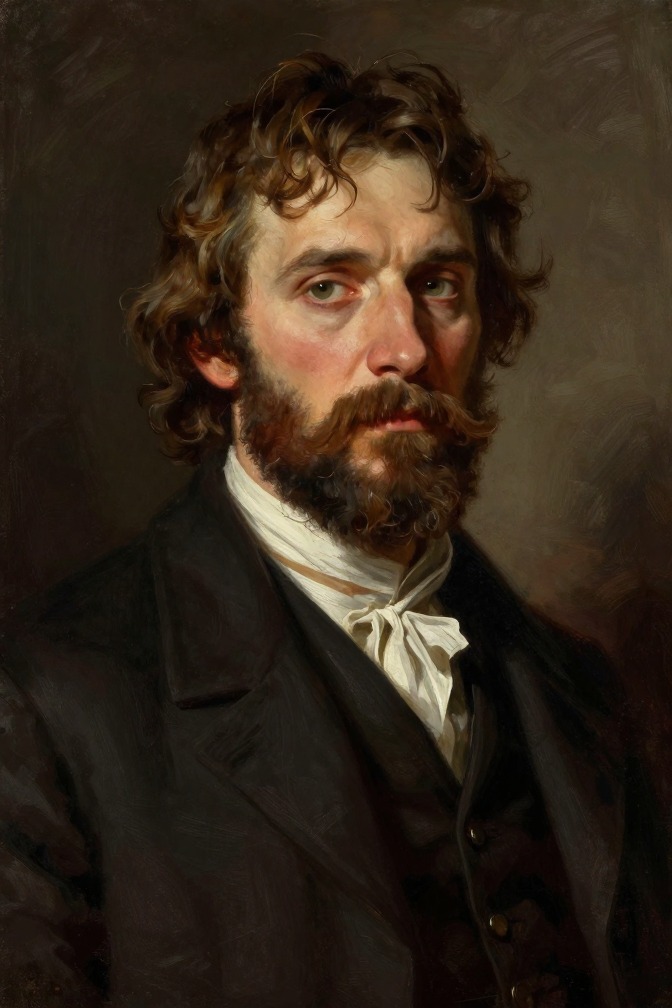
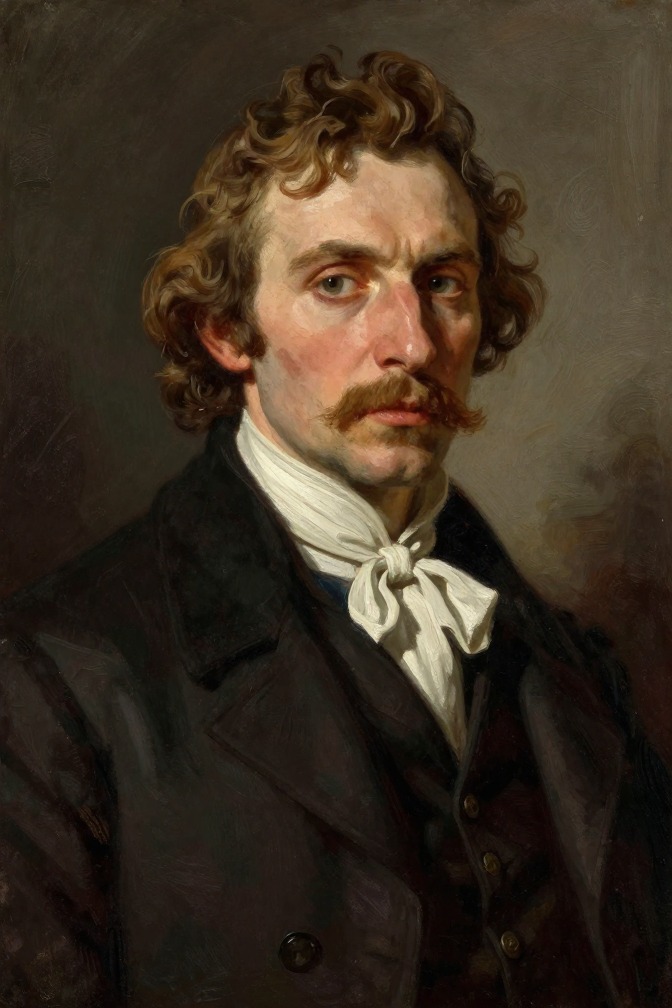
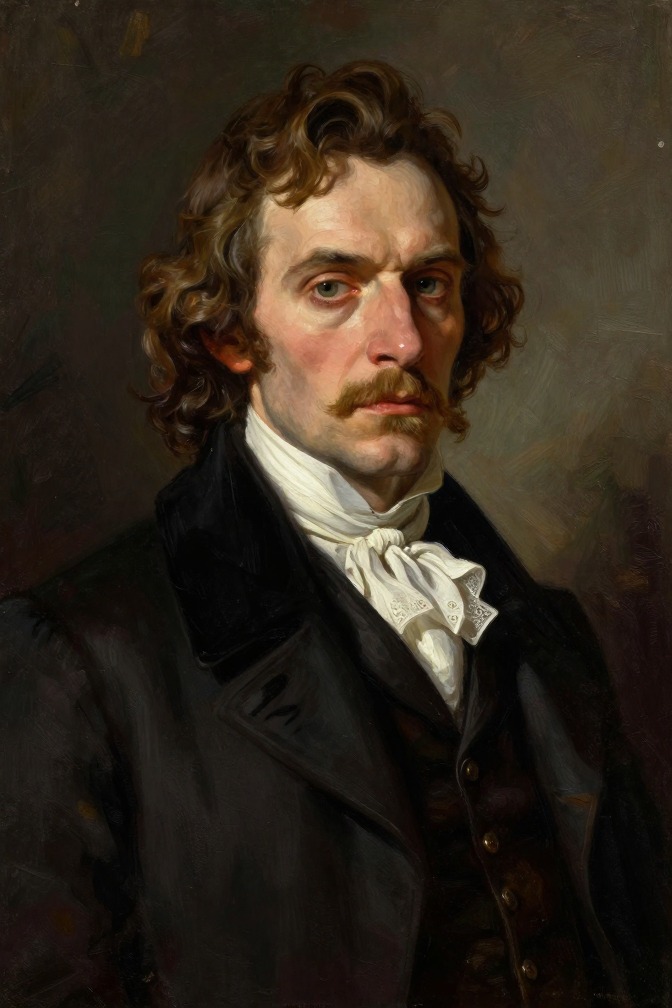
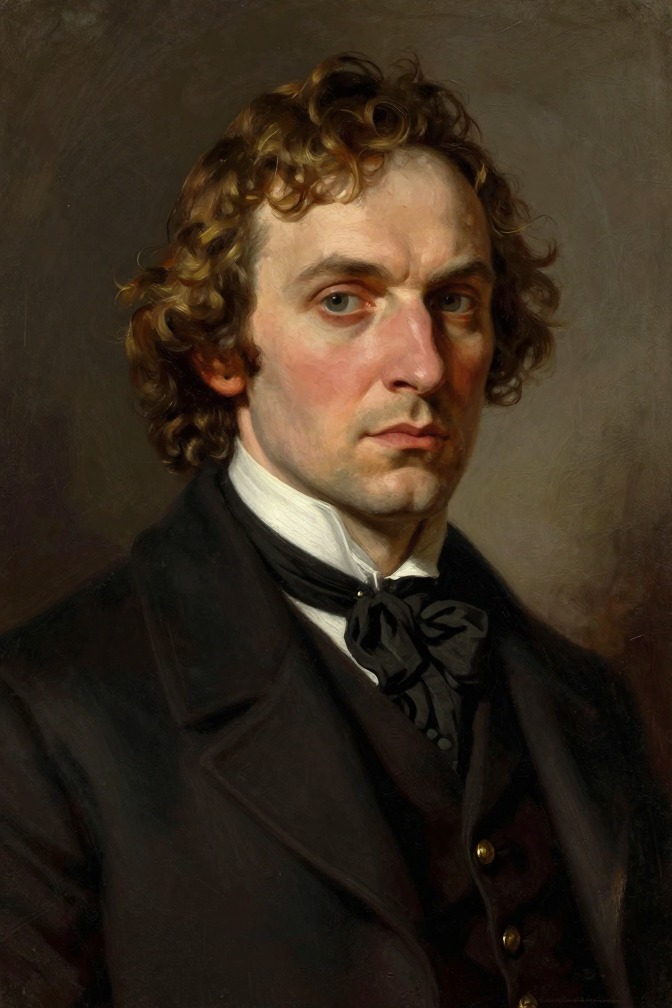
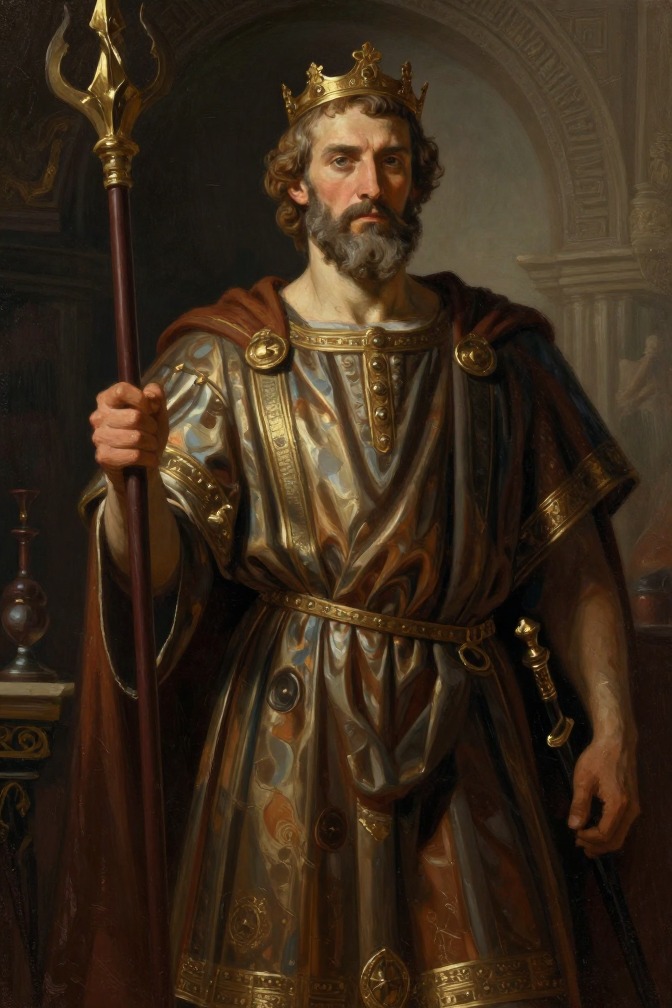
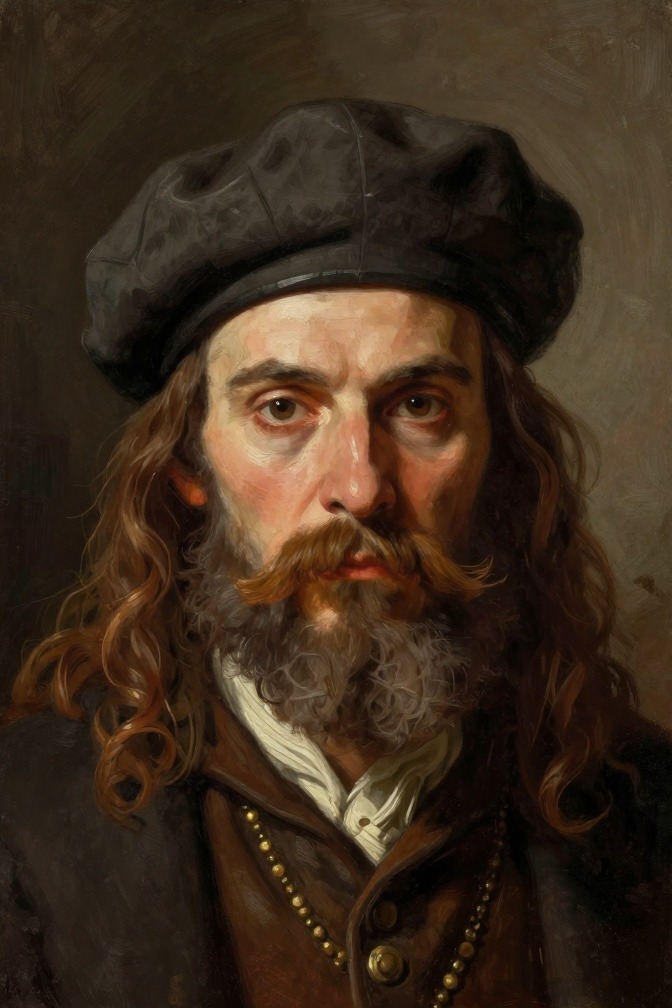
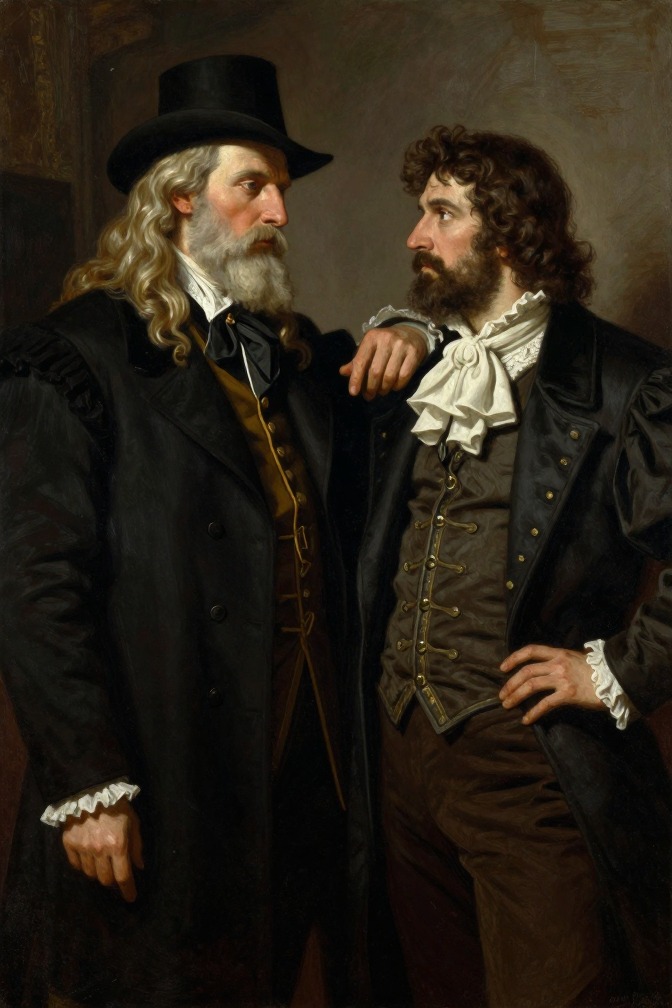
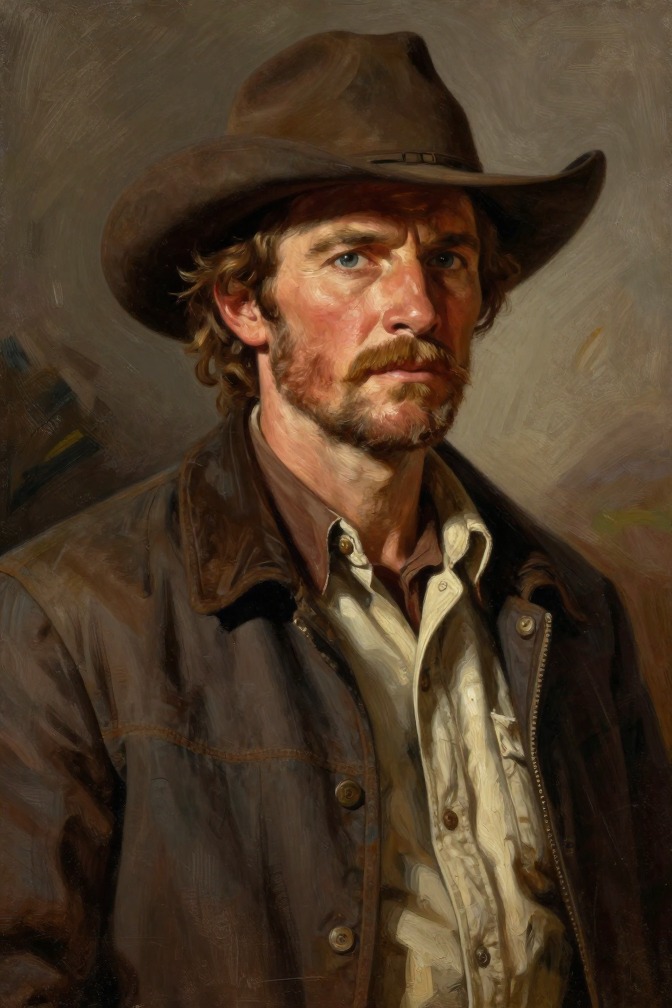
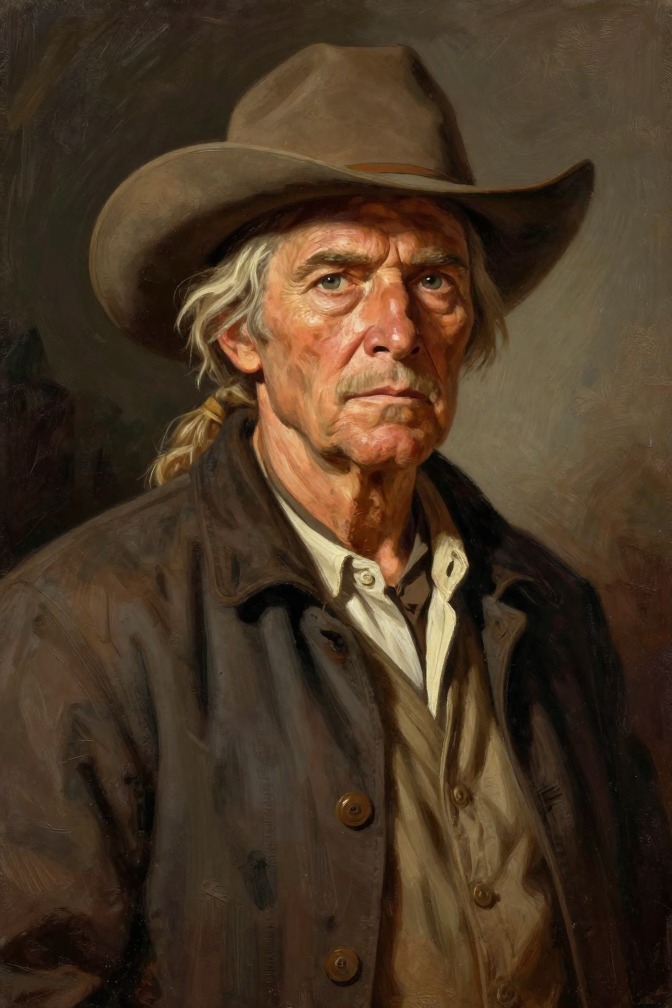
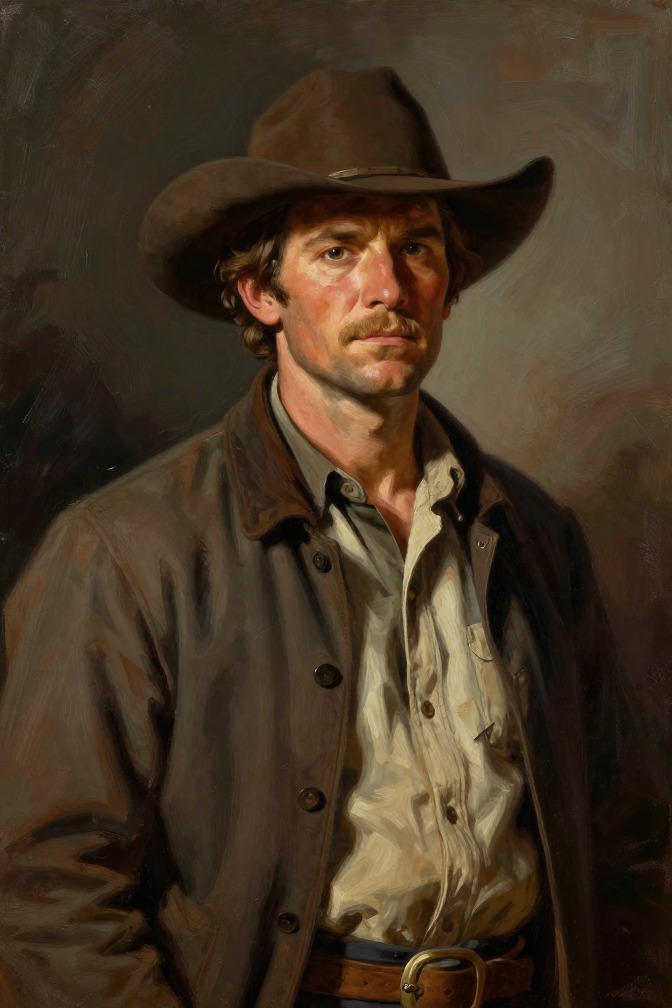
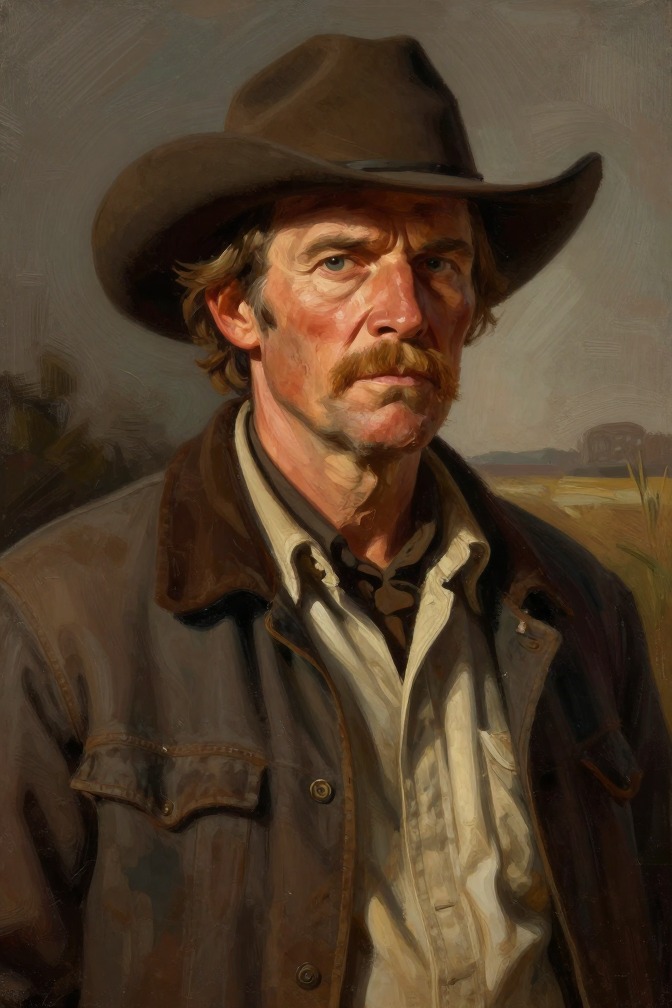
Joseph Kaifa, the High Priest of the Sanhedrin in Yershalaim, is the primary antagonist in the Pilate narrative, embodying the inflexible religious and political authority that condemns Yeshua Ha-Nozri. His confrontation with Pontius Pilate over the release of Bar-Rabban reveals the deep conflict between Roman imperial power and Jewish religious law, and his actions set in motion the irreversible tragedy of the crucifixion.
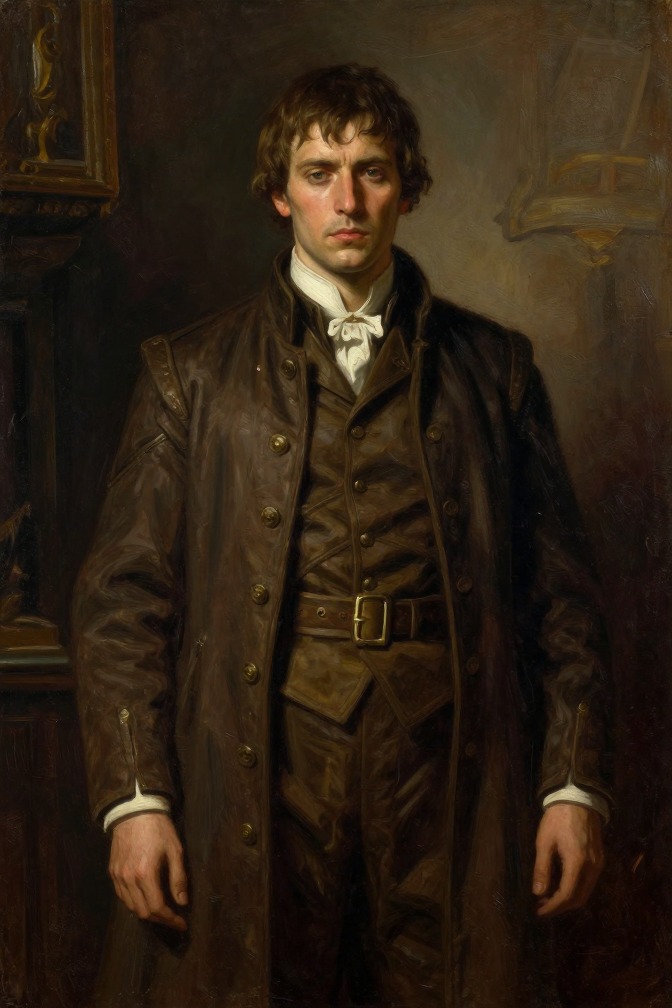
Latunsky is a literary critic in Mikhail Bulgakov's *The Master and Margarita* who leads a vicious press campaign against the master's unpublished novel about Pontius Pilate, publishing an article titled 'A Militant Old Believer' that brands the work as an apology for Jesus Christ and its author as an 'icon-dauber.' His attacks, alongside those of Ariman and Mstislav Lavrovich, trigger the master's psychological collapse, and his name becomes the target of Margarita's vengeful fury during her transformation into a witch, marking him as a symbol of the cowardly, state-serving literary establishment that persecutes genuine art.
Professor Stravinsky is the chief psychiatrist at the elite clinic on the outskirts of Moscow, a figure of calm authority and penetrating intelligence who manages the novel's most volatile characters—Ivan Homeless and the master—with a blend of clinical precision and humane irony. He embodies the rational, institutional response to the supernatural chaos unleashed by Woland, yet his own methods reveal the limits of science when confronted with metaphysical truth.
Stepan Bogdanovich Likhodeev, the director of the Variety Theatre, is a corrupt, alcoholic, and incompetent official who becomes the first Moscow victim of Woland's retinue. His sudden and inexplicable transportation from his apartment in Moscow to Yalta serves as the catalyst for the chaotic events that engulf the theatre and exposes the moral decay of the Soviet cultural establishment.
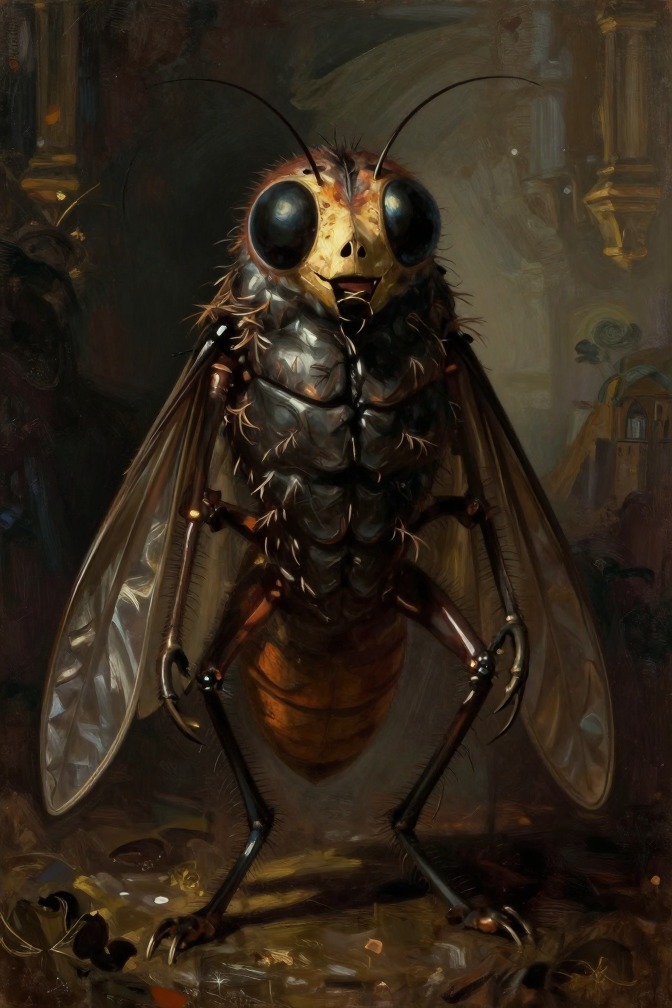
The gadfly is a minor but symbolically charged creature in Mikhail Bulgakov's The Master and Margarita, appearing during the crucifixion of Yeshua Ha-Nozri on Bald Mountain. Its presence, alongside flies and horseflies, underscores the physical degradation and abandonment of the executed, and connects to the novel's broader themes of suffering, the indifference of nature, and the grotesque reality of state-sanctioned violence.
The fifth procurator of Judea, the equestrian Pontius Pilate is the formal title of Pontius Pilate, the Roman governor who presides over the trial of Yeshua Ha-Nozri in the novel. This phrase serves as the final line of the master's novel, marking the completion of his work and the culmination of Pilate's story, which is central to the novel's themes of cowardice, guilt, and the search for truth.
The execution posts on Bald Mountain are the instruments of the Roman state's power, where Yeshua Ha-Nozri, Dysmas, and Gestas are crucified. They are the physical manifestation of Pontius Pilate's cowardly sentence and the site of Matthew Levi's desperate, failed attempt to save his teacher, becoming a symbol of state terror and the cost of truth.
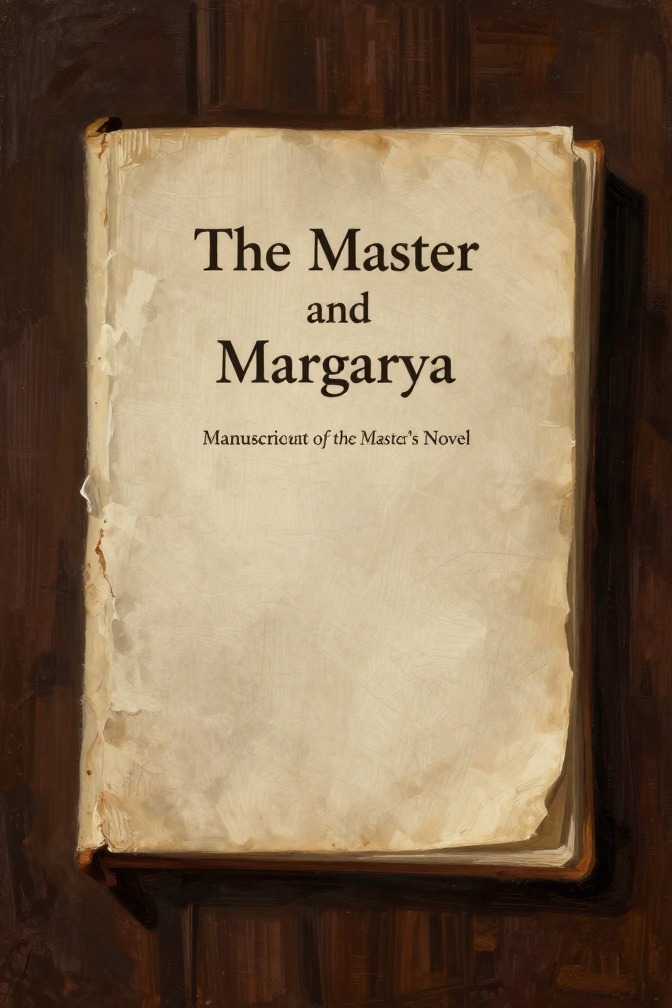
The Manuscript of the Master's Novel is the central symbolic object of Mikhail Bulgakov's The Master and Margarita, a novel about Pontius Pilate and Yeshua Ha-Nozri written by the unnamed master. It is physically burned by its author in a moment of despair, yet miraculously survives, embodying the novel's core themes of artistic integrity, cowardice, and the indestructibility of truth. The manuscript's fate—destroyed and resurrected—directly illustrates the aphorism 'Manuscripts don't burn' and serves as the narrative and moral hinge connecting the master's fate with that of Pontius Pilate.
The Master's Cap is a black skullcap embroidered with a yellow silk letter 'M', sewn by Margarita as a token of her love and recognition of the master's vocation. It becomes the master's sole emblem of identity after he renounces his name and retreats into anonymity, and it appears at key moments of his story—during his confession to Ivan Homeless, in the basement refuge, and in the final scenes of departure—linking his artistic calling to his tragic fate.
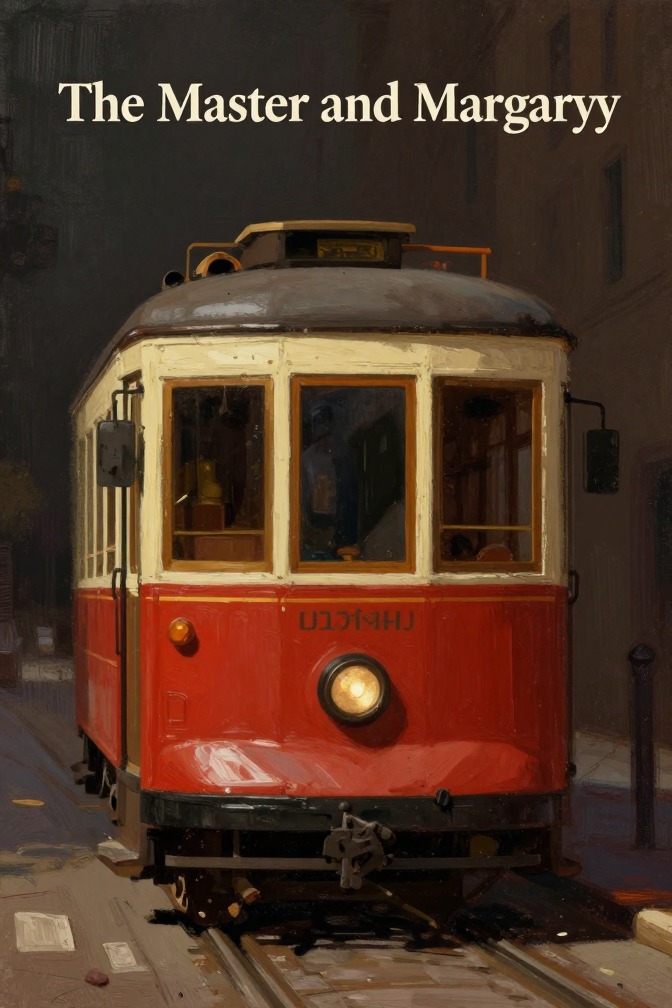
The tram-car is a recurring object in Mikhail Bulgakov's *The Master and Margarita*, serving as the instrument of Berlioz's death and a symbol of the mundane, mechanical reality that is violently disrupted by supernatural forces. It appears at key moments, linking the novel's satirical Moscow scenes with its themes of fate, mortality, and the intrusion of the inexplicable into everyday life.
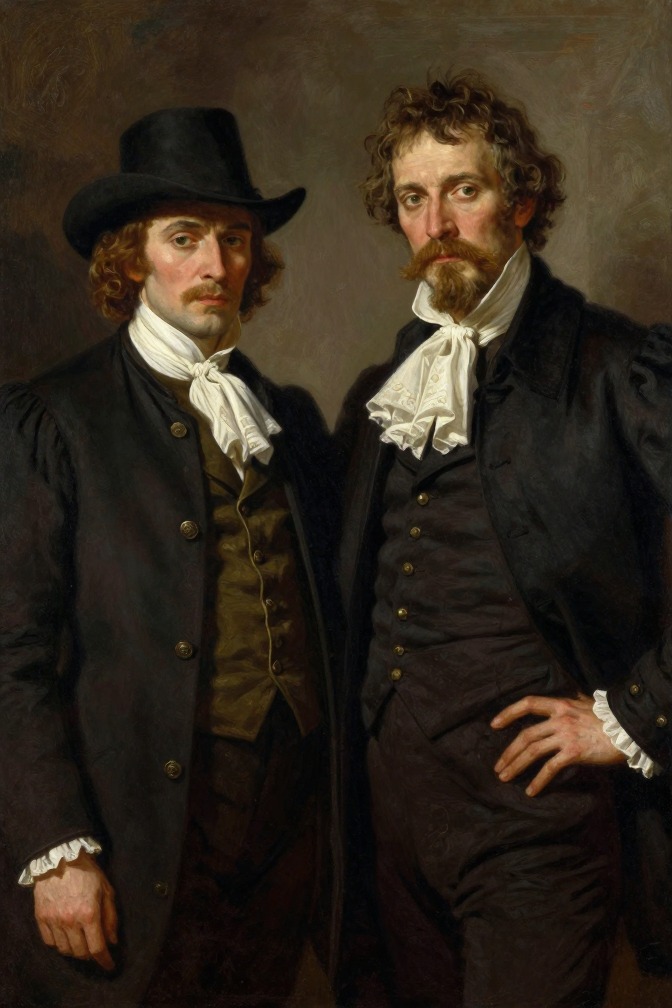
Berlioz and Maximilian Andreevich Poplavsky are uncle and nephew by marriage, connected primarily through the dead editor's Moscow apartment. Poplavsky, a practical and ambitious Kiev-based economist, rushes to Moscow after receiving a bizarre telegram announcing Berlioz's death and funeral, driven less by grief than by his long-standing desire to inherit the apartment and move to the capital. Their relationship is defined by blood obligation on one side and cold calculation on the other, and it serves as a satirical illustration of the housing obsession and moral opportunism that Woland's visit exposes in Soviet society.
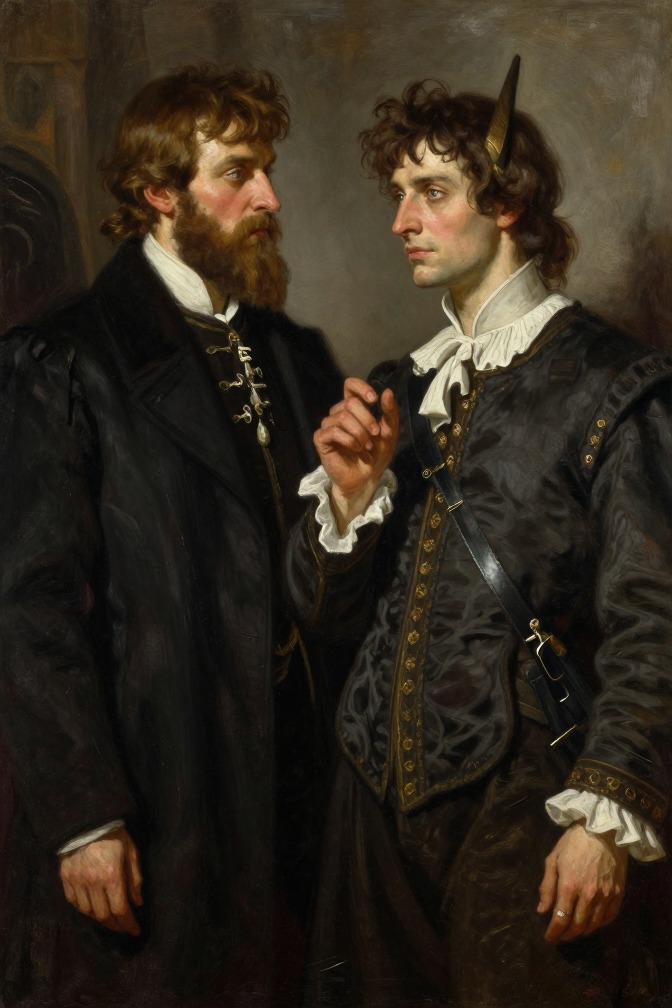
Woland and Azazello are master and servant within Satan's retinue, bound by a hierarchy of absolute deference and delegated violence. Azazello acts as Woland's enforcer, executing expulsions and punishments on command, while Woland grants him the authority to act independently within the retinue's operations. Their relationship is defined by Azazello's unwavering loyalty, his role as a blunt instrument of Woland's will, and a shared, darkly humorous understanding of their work.
The encounter between Woland and Mikhail Alexandrovich Berlioz at the Patriarch's Ponds is the catalytic event of the novel, establishing the central conflict between rationalist atheism and supernatural reality, and setting in motion the chain of deaths, revelations, and judgments that define the Moscow narrative.
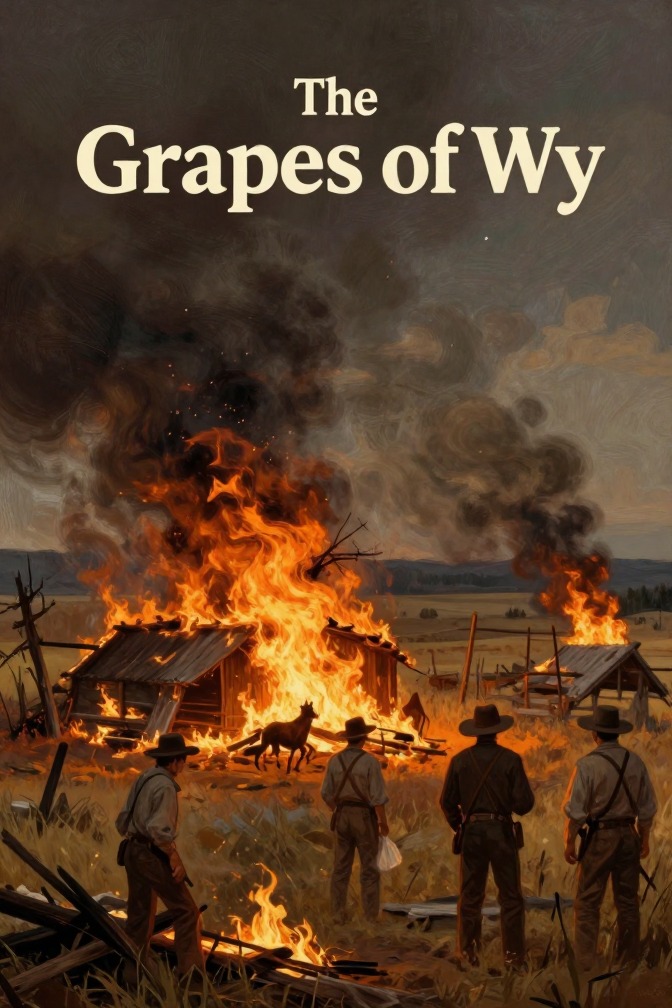
The Burning of the Hooverville is a pivotal event in John Steinbeck's The Grapes of Wrath, in which a vigilante mob, organized by local property interests and the Farmers' Association, sets fire to a squatters' camp near Bakersfield, California, to terrorize and displace the migrant families living there. This act of arson, carried out with the complicity of law enforcement, marks a decisive escalation in the conflict between the dispossessed Okies and the entrenched power structure of California's agricultural industry, forcing the Joad family and their fellow migrants into a desperate flight that deepens their anger and solidarity.
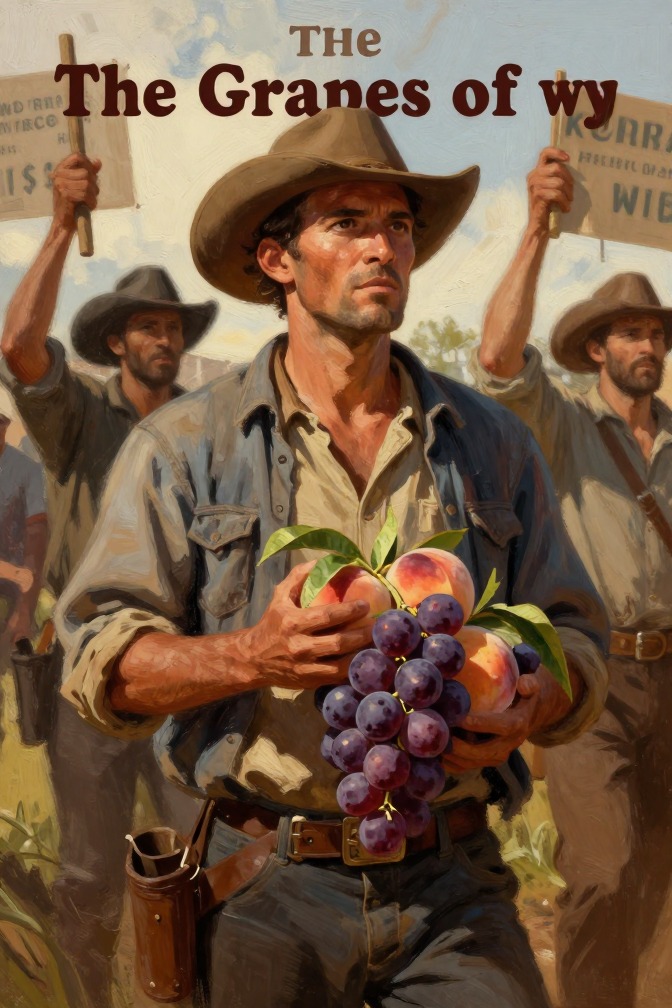
The Peach pickers' strike at the Hooper ranch is a pivotal labor action in which migrant workers, led by Jim Casy, refuse to accept a wage of two and a half cents per box of peaches, only to be violently suppressed by vigilantes, resulting in Casy's murder and Tom Joad's retaliatory killing of his assailant, an event that crystallizes the novel's central conflict between organized labor and industrial agriculture.
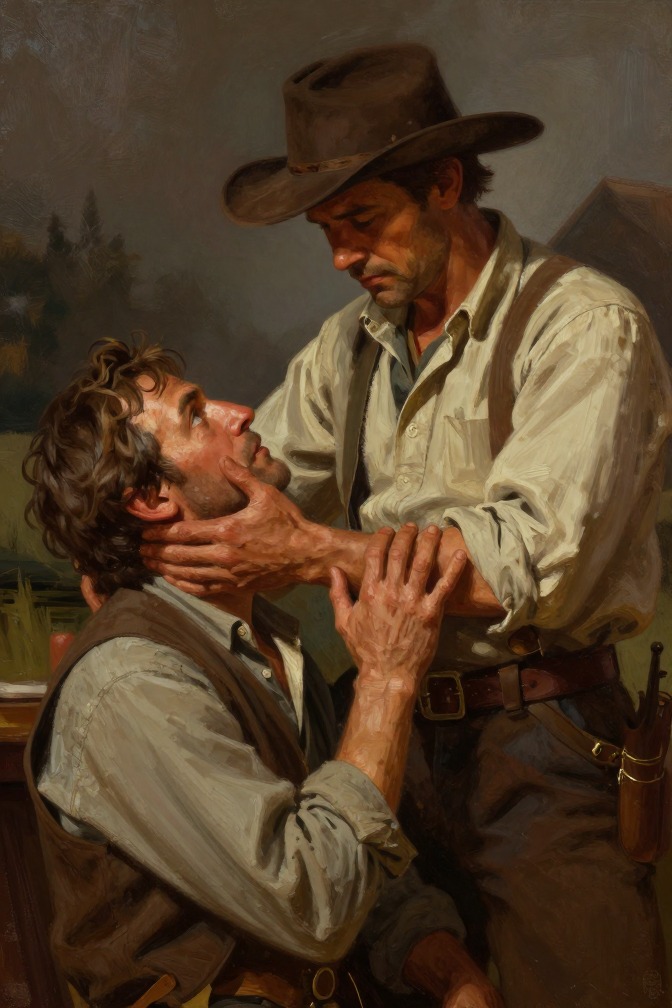
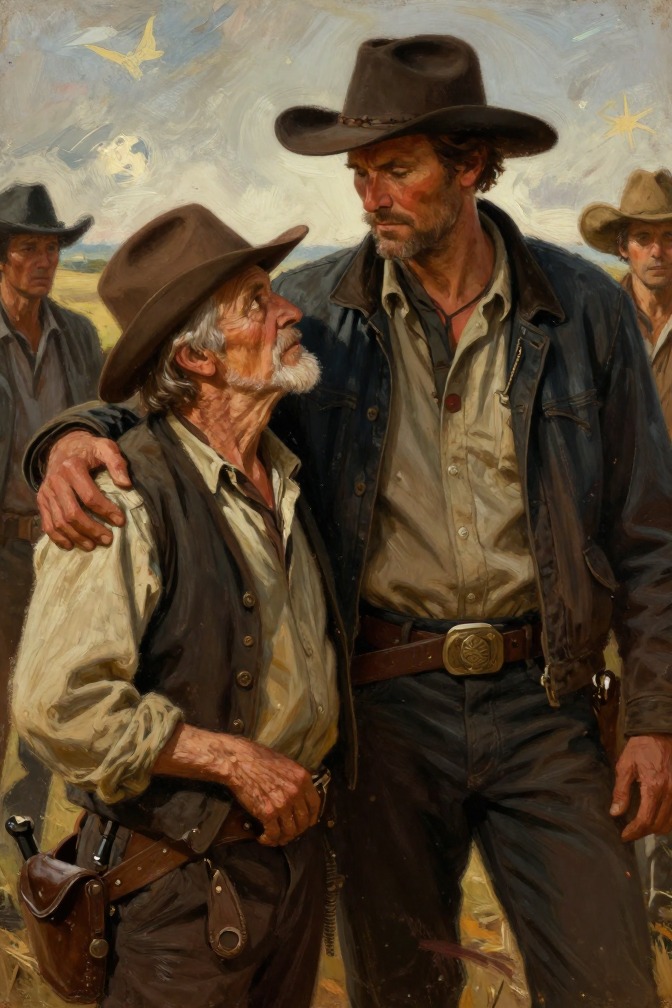
Tom Joad knocks out Uncle John is a desperate, pragmatic act of violence in which Tom, unable to persuade his drunken, guilt-ridden uncle to rejoin the family as they flee a burning Hooverville, knocks him unconscious with two precise blows to the chin, then carries him back to the truck. The event marks the family's final disintegration under pressure and Tom's assumption of a grim, necessary authority.
Ezra Huston is the chairman of the Central Committee at the Weedpatch government camp, a tall, spare man with steel-colored eyes who leads the camp's democratic self-governance and orchestrates the nonviolent defense of the Saturday night dance against a planned vigilante attack.
Granma Joad is the fiercely religious, cantankerous, and fiercely loyal matriarch of the Joad family, whose death during the desert crossing becomes a harrowing testament to Ma Joad's strength and the family's desperate will to survive.
Noah Joad, the first-born son of the Joad family, is a tall, strange, and quiet man whose physical and psychological peculiarities stem from a traumatic birth. His father Pa, frightened and alone during the delivery, used his hands as forceps, pulling and twisting the baby's head out of shape. The midwife pushed the head back and molded the body, but Pa always remembered and was ashamed, and he was kinder to Noah than to the other children. Noah moves through the world with a wondering, calm, and puzzled look, never angry, seldom speaking, and lacking pride or sexual urges. He is fond of his family but never shows it, and he leaves the impression of being misshapen, though no specific deformity can be recalled. His strangeness sets him apart, and his quiet, listless detachment from the things people want and need makes him a stranger to all the world, though he is not lonely. His decisive significance in the novel lies in his quiet, unexplained departure from the family at the Colorado River, an act that marks the first fracture of the family unit and underscores the theme of disintegration that runs through the Joads' journey.
Pa Joad, the patriarch of the Joad family, is a hardworking tenant farmer whose identity and authority are progressively eroded by the forces of the Dust Bowl, industrial agriculture, and the family's migration to California, transforming him from a decisive landowner into a bewildered and displaced man struggling to find his place in a new world.
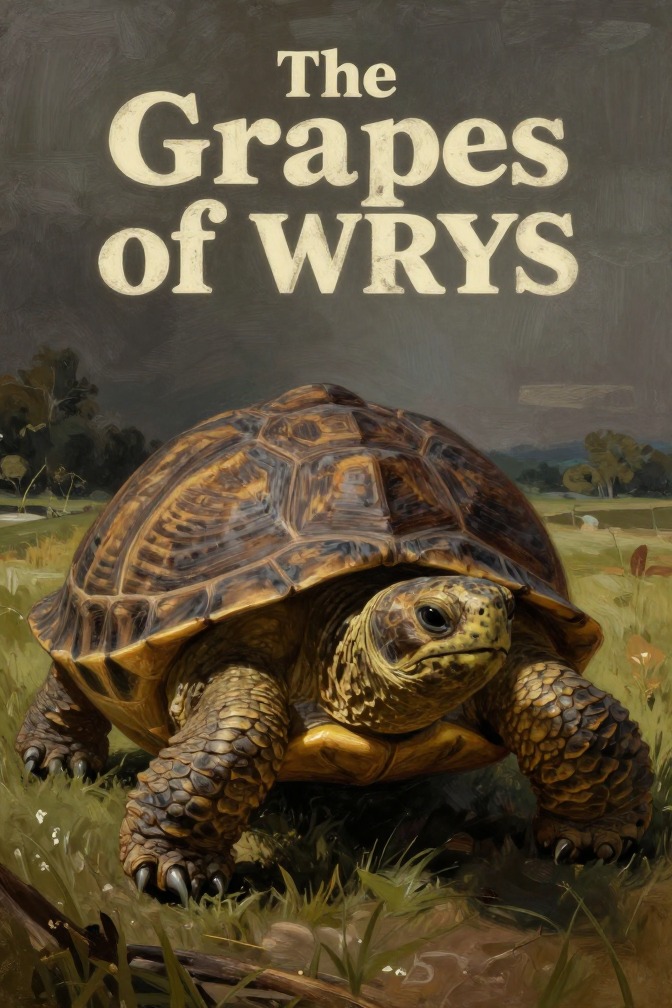
The Turtle is a recurring symbolic figure in John Steinbeck's The Grapes of Wrath, appearing in the intercalary chapter 3 and in the narrative chapters 4 and 6. It embodies the relentless, undirected, yet determined movement of the dispossessed migrant people, and its journey—obstacle by obstacle, always heading southwest—prefigures the Joad family's own arduous exodus. The turtle's slow, persistent progress, its ability to survive being struck by a truck, and its accidental role in planting a wild oat seed make it one of the novel's most potent natural symbols of endurance, resilience, and the blind, forward-driving force of life itself.
Grampa Joad, the fierce and cantankerous patriarch of the Joad family, dies of a stroke shortly after the family begins its migration from Oklahoma to California. His death occurs in the tent of the Wilson family, who have joined the Joads on the road, and it forces the family to confront the harsh realities of poverty, the law, and the loss of their ancestral identity. The secret burial that follows, conducted to avoid the cost of a formal funeral, marks the first major fracture in the family unit and foreshadows the further disintegration to come.
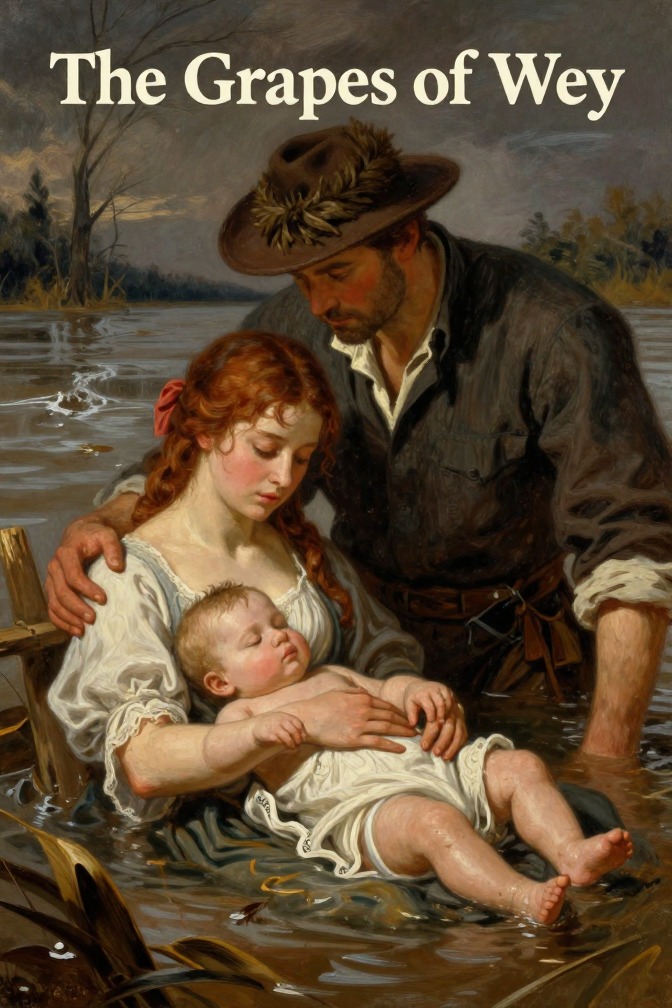
The flood at the boxcar camp and the stillbirth of Rose of Sharon's baby form the novel's climactic convergence of natural disaster, economic collapse, and personal tragedy. As relentless rain turns the stream into a rising flood, the Joads and their fellow migrants build a desperate levee to protect their shelter, but a fallen cottonwood tree breaches it, inundating the camp. In the same hours, Rose of Sharon goes into premature labor, and after a long, painful night, the baby is born dead. The event strips the family of its last hope for a new generation and forces them to abandon their possessions, culminating in Rose of Sharon's final, mysterious act of nursing a starving stranger in a barn—a gesture that transforms utter loss into a radical, shared humanity.
The Boxcar camp is the final migrant settlement where the Joad family takes shelter during the cotton-picking season and the subsequent flood, serving as a site of both precarious stability and devastating loss. Located beside a stream in the San Joaquin Valley, the camp consists of twelve wheel-less boxcars arranged in two rows, each end housing a separate family. It is here that the Joads experience their last period of relative prosperity—earning enough to buy meat and new clothes—before the rains come, the stream rises, and Rose of Sharon gives birth to a stillborn child. The camp thus marks the family's last attempt at communal living before the flood scatters them and forces the novel's final, harrowing journey.
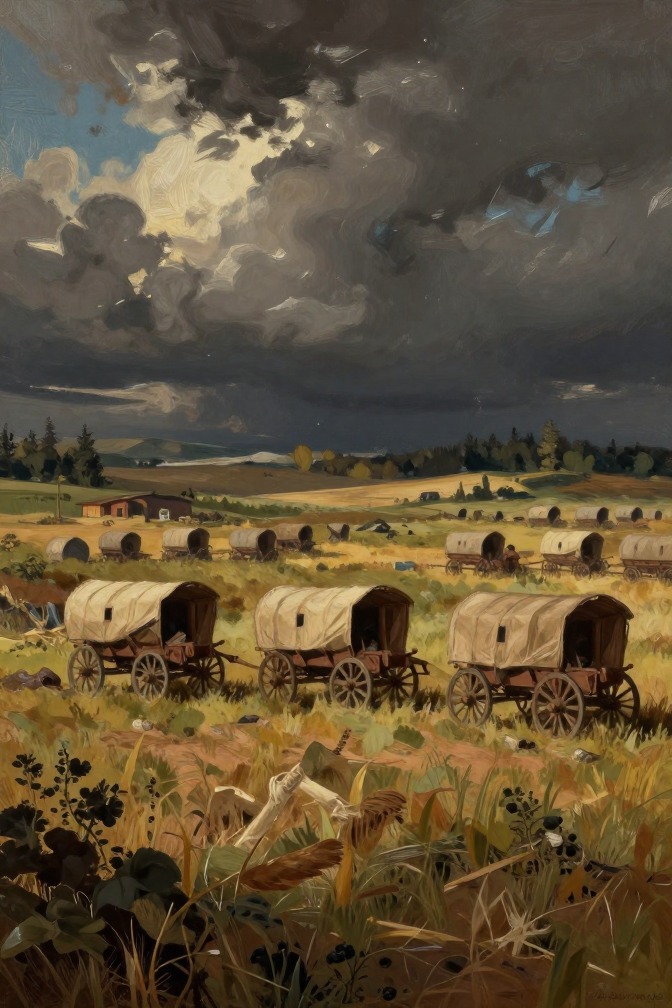
Tehachapi is the mountain pass in southern California where the Joad family, after crossing the Mojave Desert, first sees the San Joaquin Valley, marking the symbolic and geographical end of their journey and the beginning of their encounter with California's promised but ambiguous plenty.
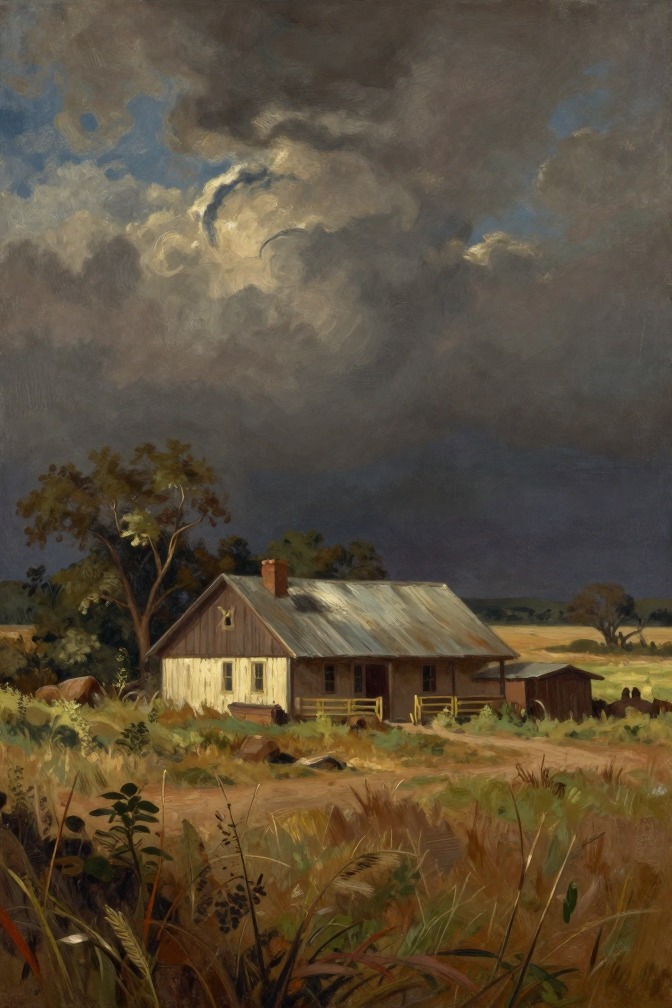
Uncle John's place is the cramped, one-room Oklahoma farmhouse where the Joad family gathers after being evicted from their own land, serving as the final staging ground for their migration to California. It is the site where Tom Joad reunites with his family, where the family council decides to leave, and where the practical preparations for the journey—slaughtering pigs, packing the truck—are completed, marking the transition from rooted farm life to rootless flight.
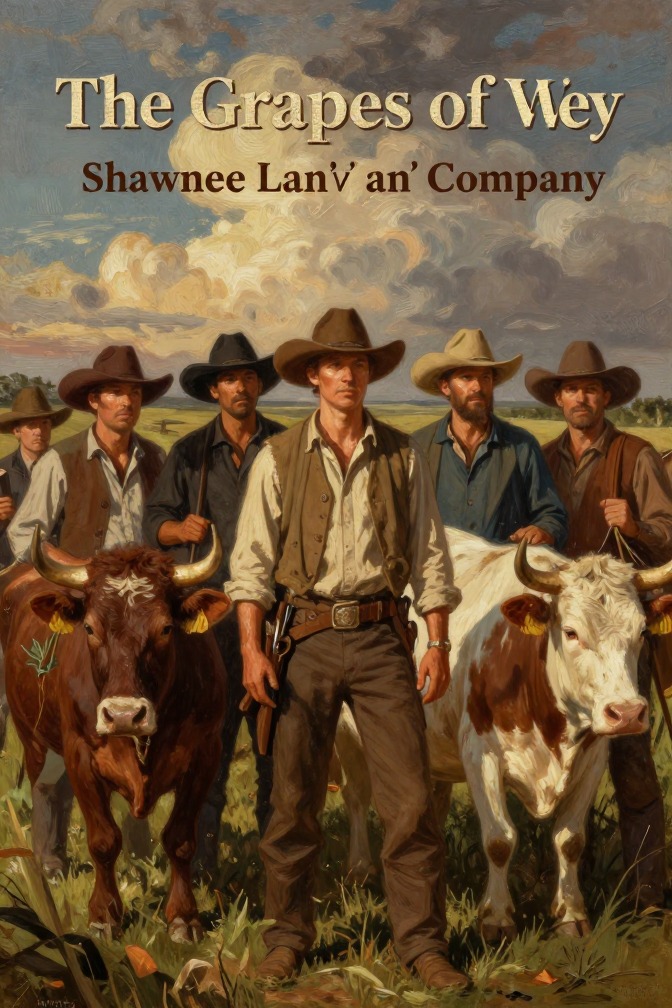
The Shawnee Lan' an' Cattle Company is the impersonal corporate entity that evicts the Joads and their neighbors from their tenant farms in Oklahoma, embodying the abstract, profit-driven power of industrial agriculture that replaces human relationships with economic calculation.
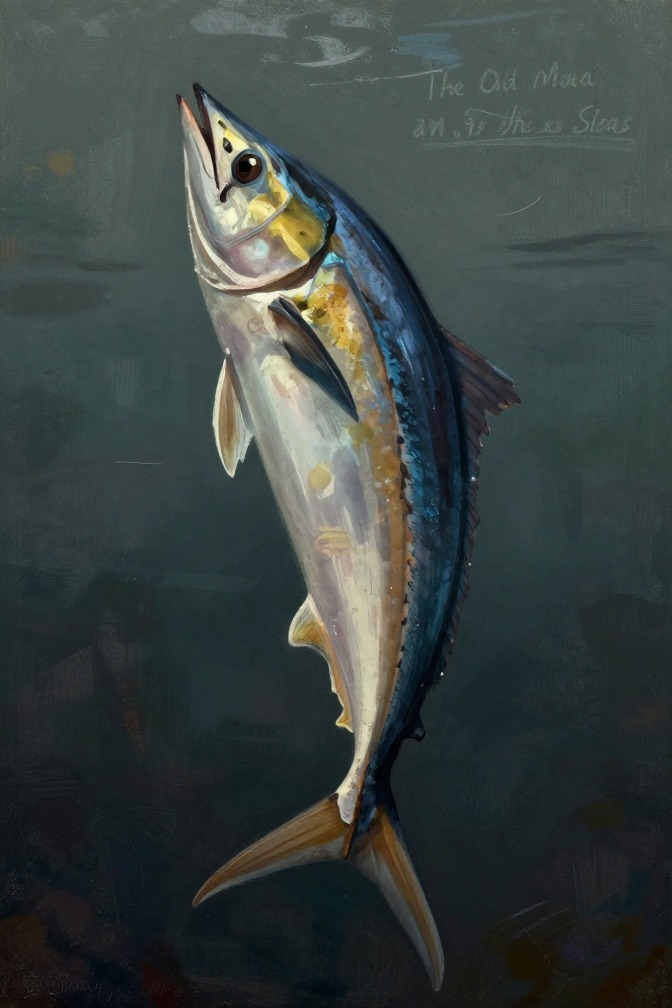
Flying fish appear throughout *The Old Man and the Sea* as recurring companions of Santiago, serving as both a food source and a symbol of brotherhood and the interconnectedness of life at sea.
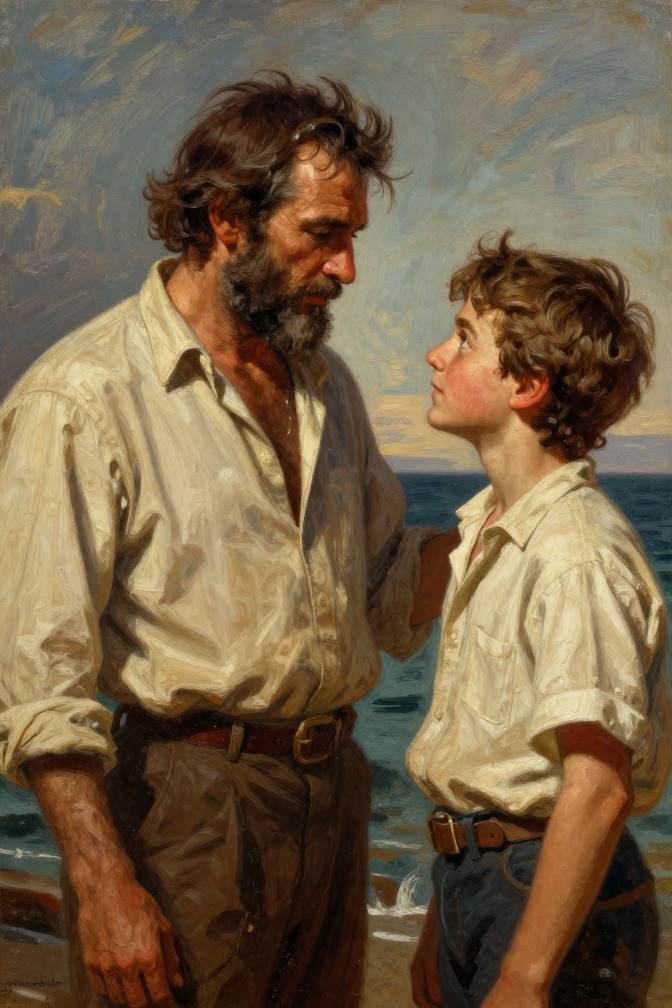
Santiago and Manolin share a relationship of deep mutual love, loyalty, and respect that transcends blood ties and economic hardship, forming the emotional and moral center of the novel.
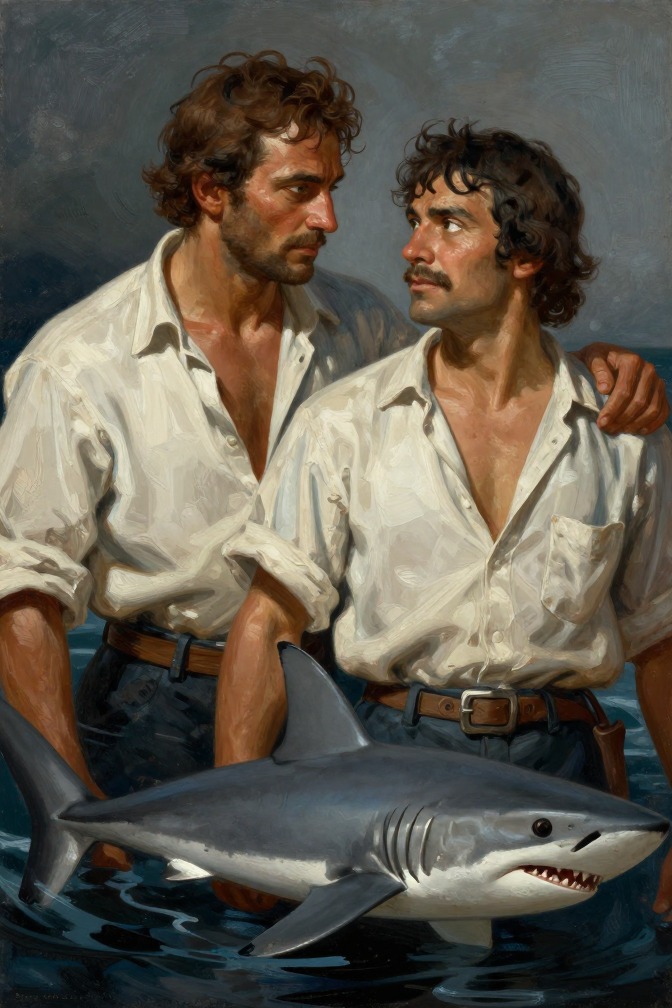
Santiago and the sharks is the central conflict of the second half of The Old Man and the Sea, in which the old fisherman, after killing a giant marlin, must defend its carcass from successive shark attacks. The struggle transforms his triumph into a test of endurance, forcing him to confront the limits of his strength and the nature of defeat, and it produces the novel's most famous statement of resilience: "A man can be destroyed but not defeated."