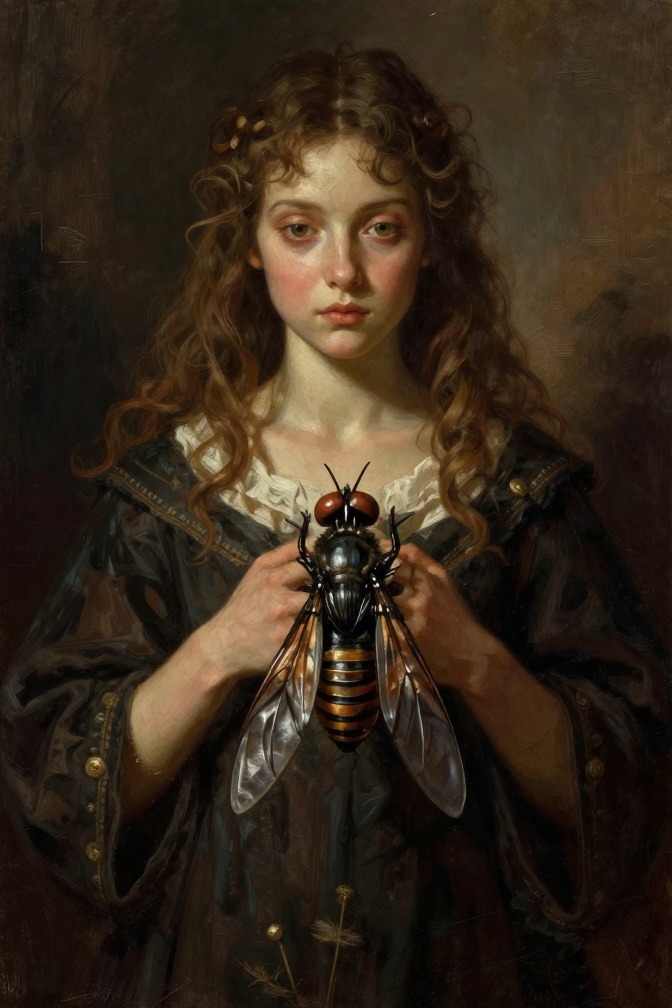
The fly appears in Dostoevsky's The Idiot as a recurring symbol of the natural world's indifference and of the humiliating insignificance of individual life. It is invoked by Hippolyte Terentieff in his 'Necessary Explanation' to illustrate his conviction that he is an outcast from the universal chorus of life, and it also appears in the prince's own memories of his Swiss solitude, where the buzzing insect becomes an emblem of the joy and belonging from which he feels excluded. The fly thus serves as a compressed image of the novel's central existential and theological anxieties: the contrast between the blind, mechanical force of nature and the human longing for meaning, participation, and love.
Eydkuhnen is the border station on the Warsaw and Petersburg Railway where the train from abroad enters Russian territory, marking the threshold between Europe and Russia for the returning Prince Muishkin and his fellow traveler Parfen Rogojin. It is the first Russian place named in the novel and serves as a symbolic point of transition—from foreign exile to native land, from the past to an uncertain future—that frames the opening conversation between the two protagonists.
Gorohovaya Street in St. Petersburg is the location of the Rogojin family house, a gloomy, old merchant-class building that serves as the primary spatial symbol of Parfen Rogojin's dark, passionate, and claustrophobic world. The street and its architecture are described in detail during Prince Muishkin's first visit to Rogojin, and the house becomes the site of the novel's final, horrific scene.
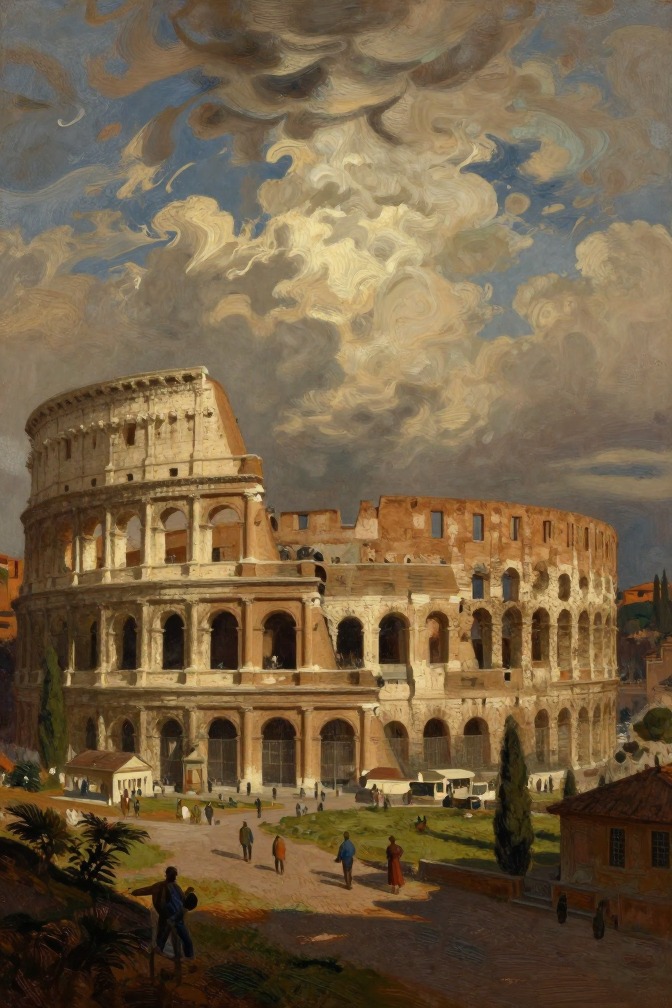
Rome is a symbolic and aspirational destination in Dostoevsky's *The Idiot*, representing for Aglaya Epanchin the cultural and artistic heart of Europe, a place of Gothic cathedrals, museums, and liberation from the constraints of her Russian aristocratic home. It also serves as a geographical marker of the novel's broader contrast between Russia and the West, and is invoked in the ideological debates about Roman Catholicism, temporal power, and the fate of European civilization.
The exchanged crosses between Prince Lef Nicolaievitch Muishkin and Parfen Rogojin form a central symbolic object in Dostoevsky's novel, representing a fleeting, desperate attempt at brotherhood that is immediately undercut by jealousy, suspicion, and the looming threat of violence. This ritual act, performed in Rogojin's gloomy house after a day of mutual confession and threat, transforms a sacred Orthodox gesture into a fraught, ironic bond that neither man can sustain, and which ultimately collapses into murder.
Madame Bovary is a French novel that appears in Nastasia Philipovna's Petersburg apartment, where it lies open on her table as a material trace of her reading habits and her relationship with Parfen Rogojin. The prince notices the book during his desperate search for Nastasia after her flight from the wedding, and he takes it with him, folding down the page at the open leaf. The novel functions as a quiet but telling object: it reveals Nastasia's intellectual life, her solitude, and the peculiar domestic routine she shared with Rogojin, and it becomes a tangible link between the prince's investigation and the absent woman he is trying to find.
The relationship between Prince Lef Nicolaievitch Muishkin and Nastasia Philipovna Barashkoff is the central, tragic axis of the novel, a bond defined not by romantic passion but by the prince's profound, Christ-like pity for a woman he perceives as a suffering, mad, and innocent soul, a pity that ultimately destroys both their lives and those around them.
The relationship between Prince Lef Nicolaievitch Muishkin and Nicolai Andreevitch Pavlicheff is a foundational bond of orphaned dependency and lifelong gratitude, defined by Pavlicheff's unsolicited generosity and Muishkin's unwavering reverence, which together shape the prince's moral identity and erupt into public controversy when Pavlicheff's posthumous reputation is attacked.
The 1812 French invasion of Russia, a pivotal historical event, is invoked in Dostoevsky's *The Idiot* not as a direct narrative but as a symbolic and ideological touchstone, primarily through the delusional fabrications of General Ivolgin, who claims to have been a page to Napoleon in Moscow, and through Prince Myshkin's impassioned critique of Roman Catholicism, which he links to the spiritual crisis of modern Europe.
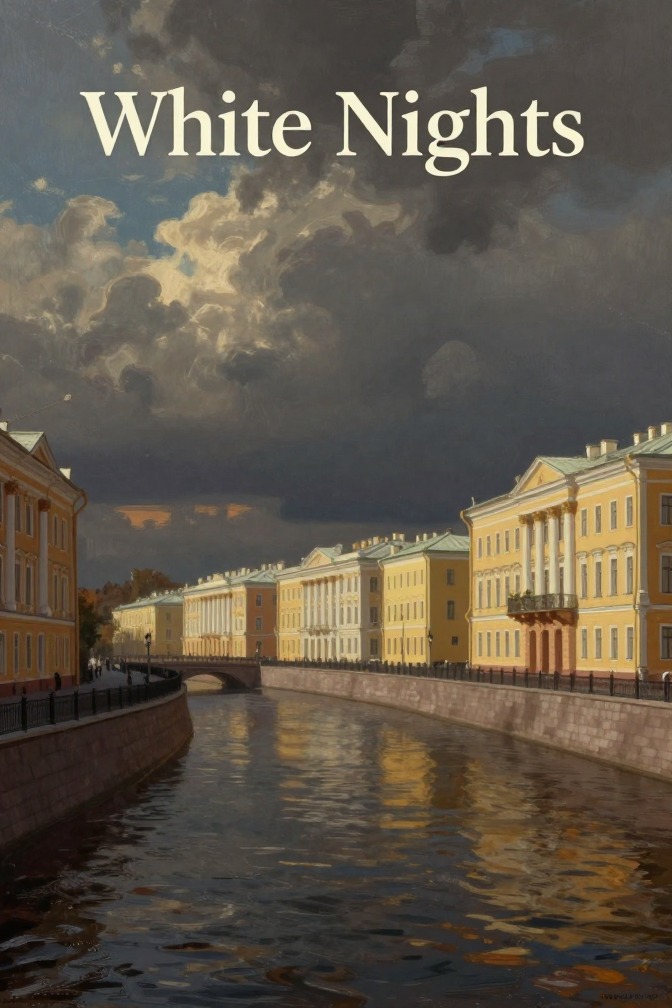
The Canal Embankment in Petersburg is the central physical and emotional stage of Dostoevsky's "White Nights," where the Dreamer first encounters Nastenka, where their four nights of conversation unfold, and where the story's crucial meetings, confessions, and farewells take place, making it a symbolic space of solitude, romantic possibility, and eventual heartbreak.
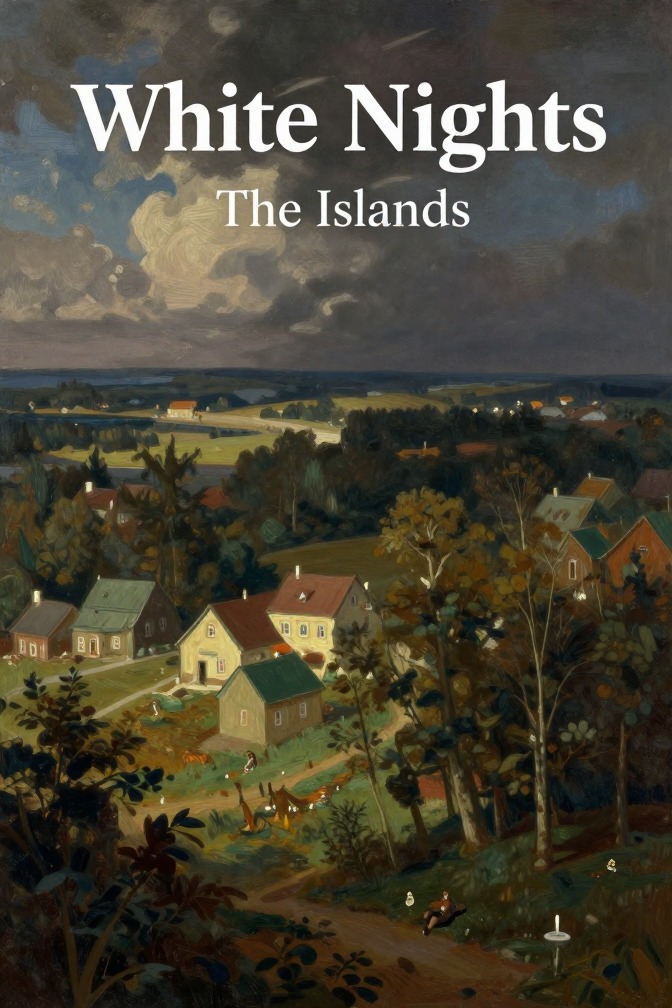
The Islands are a summer destination outside Petersburg that symbolize escape, leisure, and social distinction, and their seasonal exodus triggers the Dreamer's profound loneliness and sets the stage for his encounter with Nastenka.
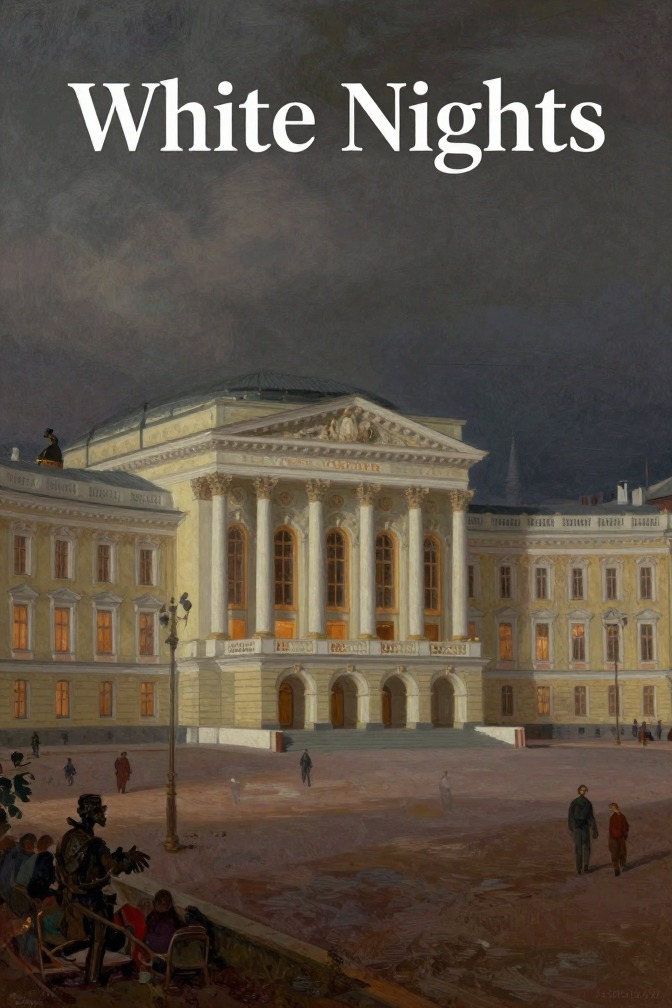
The Theatre is a central location in Fyodor Dostoevsky's "White Nights," serving as the site of Nastenka's first outing with the Lodger and the catalyst for her romantic awakening, as well as a recurring symbol of the cultural and emotional life that the Dreamer and Nastenka long for.
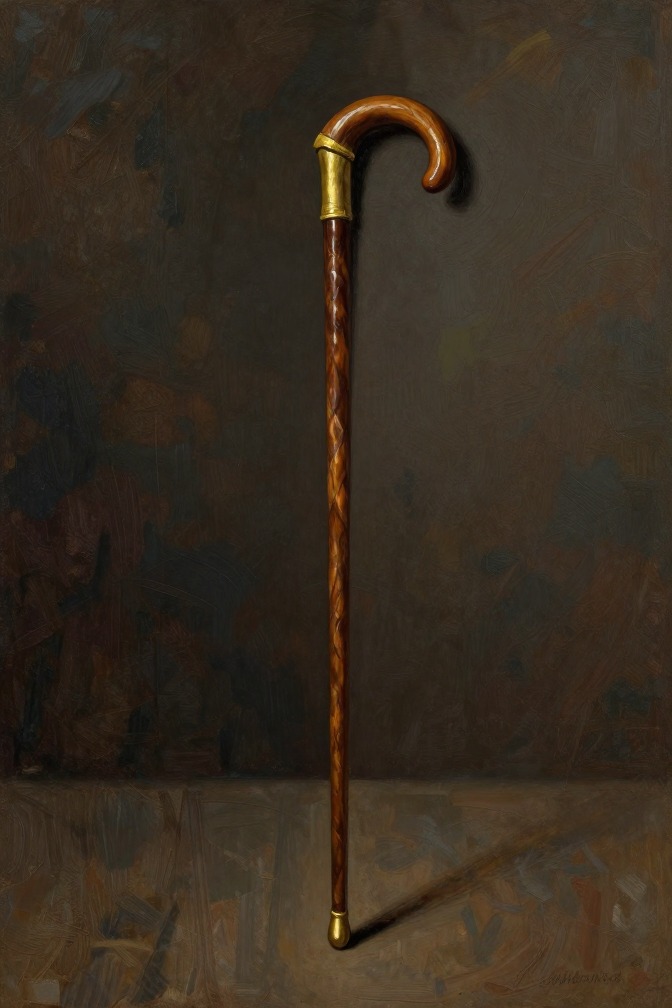
The knotted stick is a seemingly minor object in Fyodor Dostoevsky's "White Nights" that serves as a decisive instrument of intervention, a symbol of the Dreamer's latent agency, and a recurring motif linking the story's key moments of protection, confession, and domestic life.
The Moral books rule is a restriction imposed by Nastenka's blind grandmother, who forbids any book that might contain immoral content, especially love letters or seduction narratives, and personally inspects all reading material given to her granddaughter.
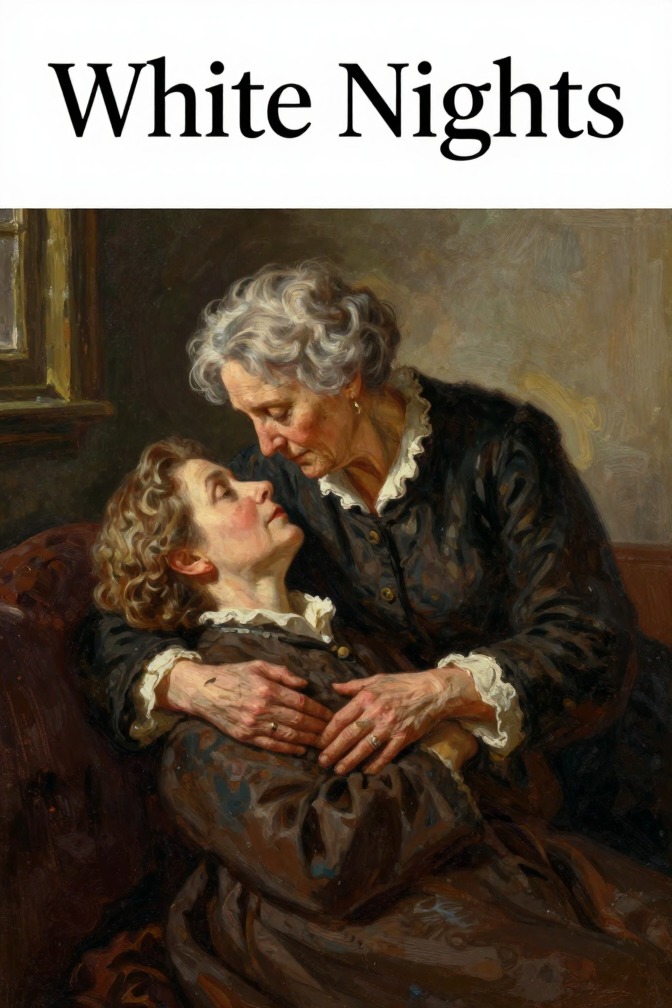
Pinned to grandmother is the central physical and social constraint governing Nastenka's life in Fyodor Dostoevsky's "White Nights." It is a literal arrangement in which her blind grandmother fastens Nastenka's dress to her own with a pin, confining the seventeen-year-old girl to her side for years and shaping her longing for freedom, her secret romance with the Lodger, and her eventual rebellion.
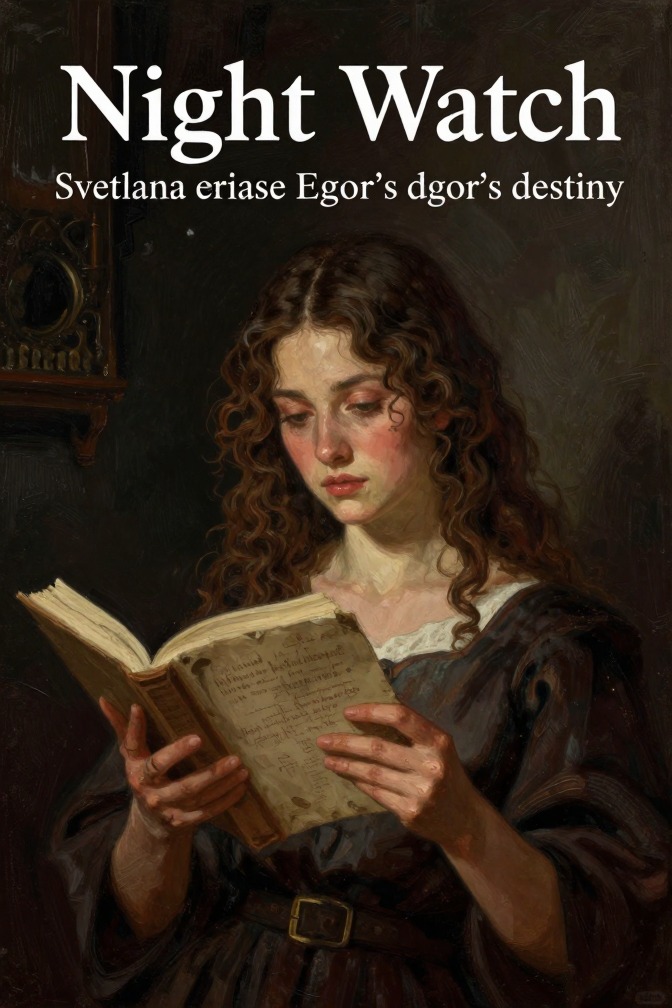
Svetlana Nazarova, standing on the roof of the house on stilts during a hurricane, erases Egor's destiny from the Book of Destiny instead of rewriting it as Gesar intended, thereby rejecting the role of a Great Sorceress and choosing her own path.
Gennady is a registered vampire living in the same building as Anton Gorodetsky, the father of Kostya, and a contractor by profession. He is the first vampire Anton encounters after becoming an Other, and his calm, pragmatic acceptance of the Night Watch's authority establishes the uneasy, rule-bound coexistence between Light and Dark that defines the novel's moral landscape.
Larissa is the Night Watch's night-shift duty officer, a calm and efficient dispatcher who coordinates field agents from the office. She is the first person Anton speaks to when he wakes for his vampire hunt, and her brisk, tired voice conveys the Watch's routine pressure and her own lack of faith in Anton's mission. Though she never leaves the office, her role as the voice on the phone anchors the Watch's operational structure and highlights the tension between analytical staff and field operatives.
Pyotr Nesterov is a minor Dark magician and Day Watch field operative who appears in the first story of *The Night Watch* as Alisa Donnikova's partner during a routine confrontation with Anton Gorodetsky, and whose death later becomes a key piece of evidence in the frame-up against Anton.
Stasik is a minor Dark Magician and Day Watch agent who appears briefly during the climax of the second story, where he accompanies Alisa Donnikova in an attempt to intercept a courier from Samarkand. He is killed by Alisa after the mission fails, revealing the ruthless internal dynamics of the Dark Side.
A destiny node is a point in the fabric of reality where the life paths of two or more individuals become inextricably linked, creating a bond that transcends ordinary causality and shapes their future choices and outcomes. In the world of the Others, a destiny node is not merely a chance meeting but a predetermined convergence that carries profound implications for the balance of Light and Darkness, often serving as a focal point for the plans of Great Magicians.
The Light is one of the two fundamental forces in the world of the Others, opposed to Darkness. It represents selflessness, creation, and the protection of ordinary people, but its adherents are bound by the Great Treaty to maintain a precarious balance, often forcing them to compromise their ideals and accept the existence of Evil.
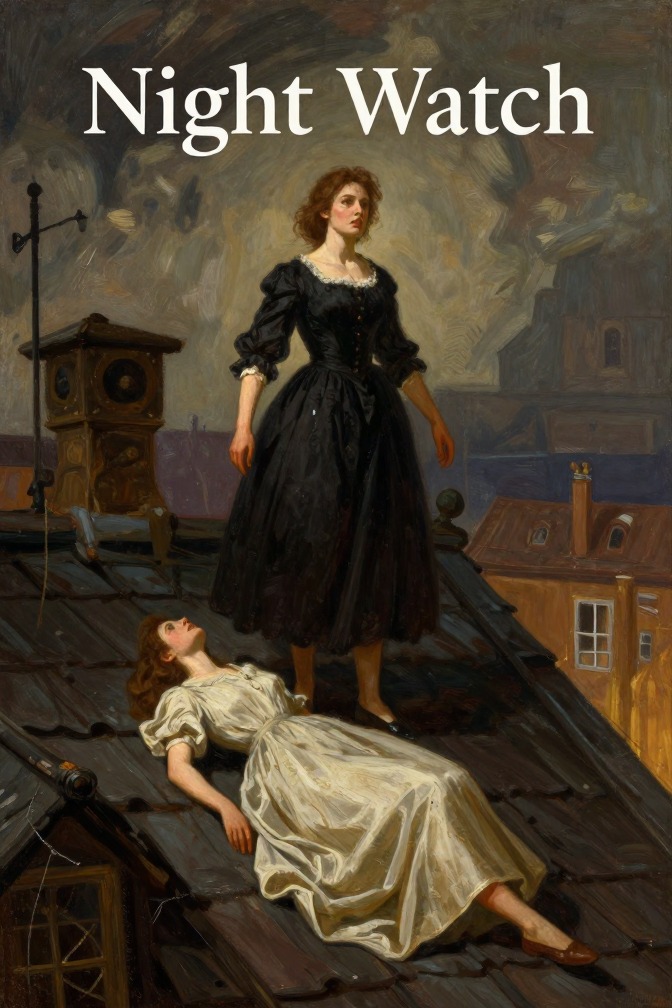
Svetlana Nazarova, standing on the roof of the house on stilts during a hurricane, is given the Chalk of Destiny to rewrite Egor's undefined destiny as a Light One, but instead erases the Book of Destiny entirely, refusing to change another person's fate and thereby rejecting her path as a Great Sorceress.
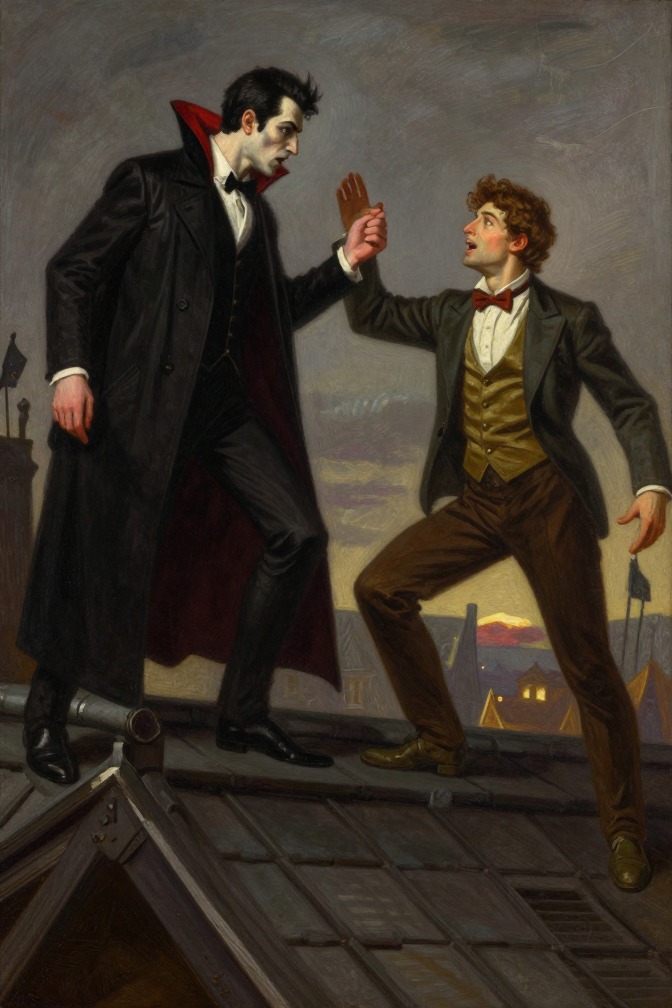
The roof confrontation with the vampire and Zabulon is the climactic battle of the first story, where Anton Gorodetsky, the Night Watch, and the Dark Magician Zabulon clash over the fate of the boy Egor, a potential Other with an undetermined destiny. This event exposes the cynical manipulation of both Watches, forces Egor to make his first independent choice, and sets the stage for the ongoing struggle between Light and Darkness in Moscow.
Anton Gorodetsky and Olga form a partnership that begins under duress—Olga is trapped in the body of a white owl, stripped of most of her powers, and assigned to Anton by Boris Ignatievich as a partner. Their relationship evolves from mutual wariness and silence into a deep, trusting alliance built on shared risk, frank confession, and complementary strengths. Olga’s centuries of experience and her memory of a catastrophic compromise with the Darkness become the lens through which Anton learns the true cost of the Light’s tactics. Their partnership is tested in the hunt for the vampire, the confrontation with Zabulon, and the climactic manipulation of Svetlana’s training, and it ultimately becomes the emotional and strategic hinge of the entire novel.
The Treaty is the foundational legal and political agreement between the forces of Light and Darkness, signed approximately fifty years before the novel's events to end millennia of open warfare. It establishes the Night Watch and the Day Watch as mutual monitoring bodies, defines the legal rights of each side, and prohibits any action that could destroy the world. The Treaty is the central structural principle of the Others' society, governing every interaction between Light and Dark magicians, vampires, werewolves, and all other supernatural beings.
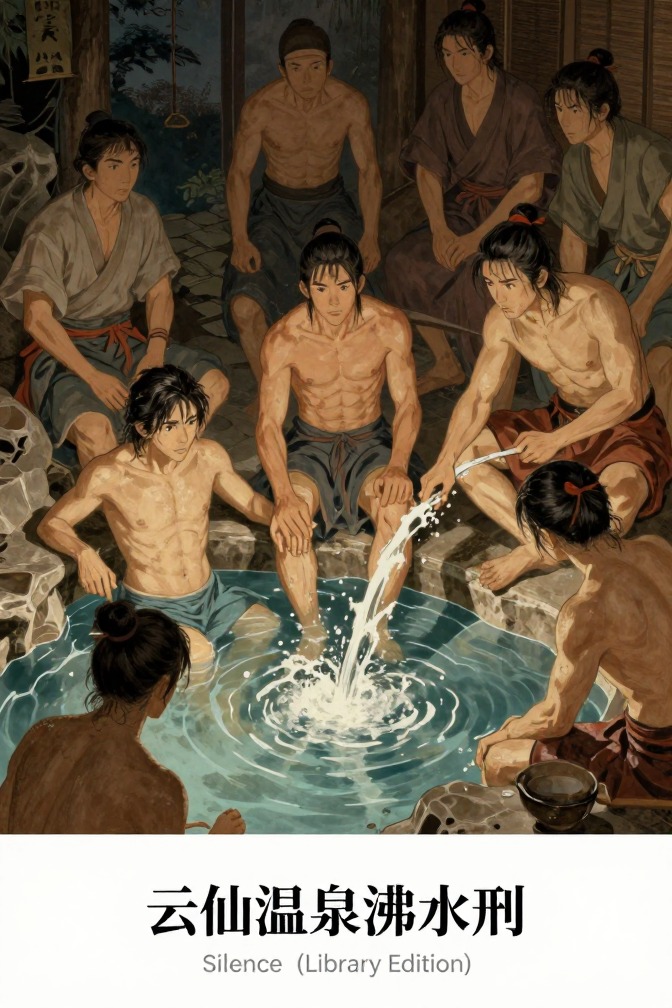
The Unzen boiling water torture was a method of persecution devised by the Nagasaki magistrate Takenaka Uneme in 1629, in which five priests and two Christian women were repeatedly doused with boiling sulfurous water on Mount Unzen over thirty-three days in an attempt to force them to apostatize, but all endured without renouncing their faith.
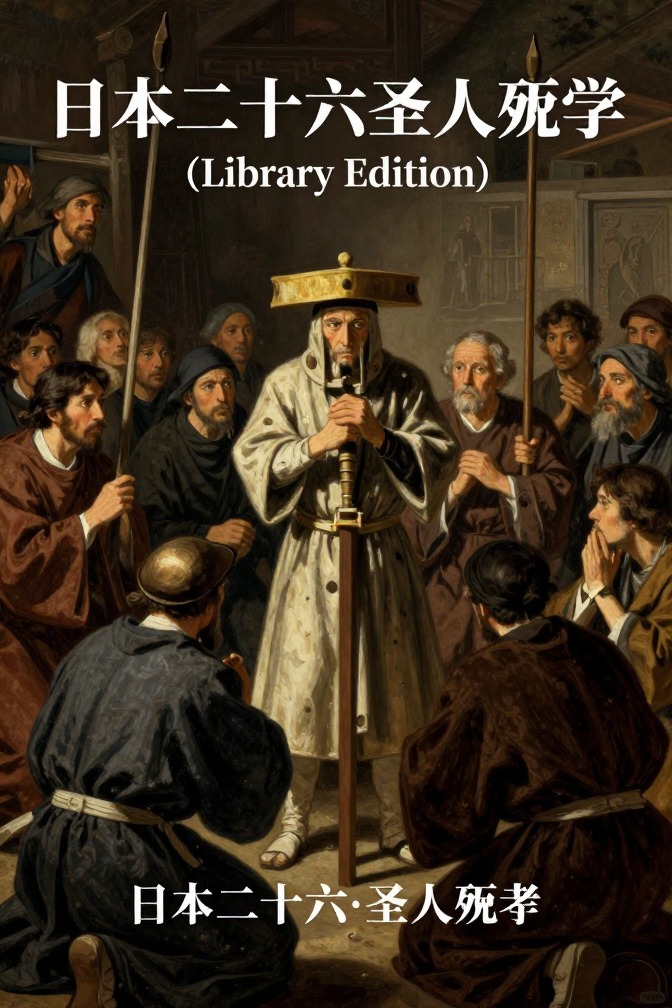
The Martyrdom of the Twenty-Six Saints of Japan was the first mass execution of Christians in Japan, a pivotal event that inaugurated the era of systematic persecution and set a precedent for the state's violent suppression of Christianity.
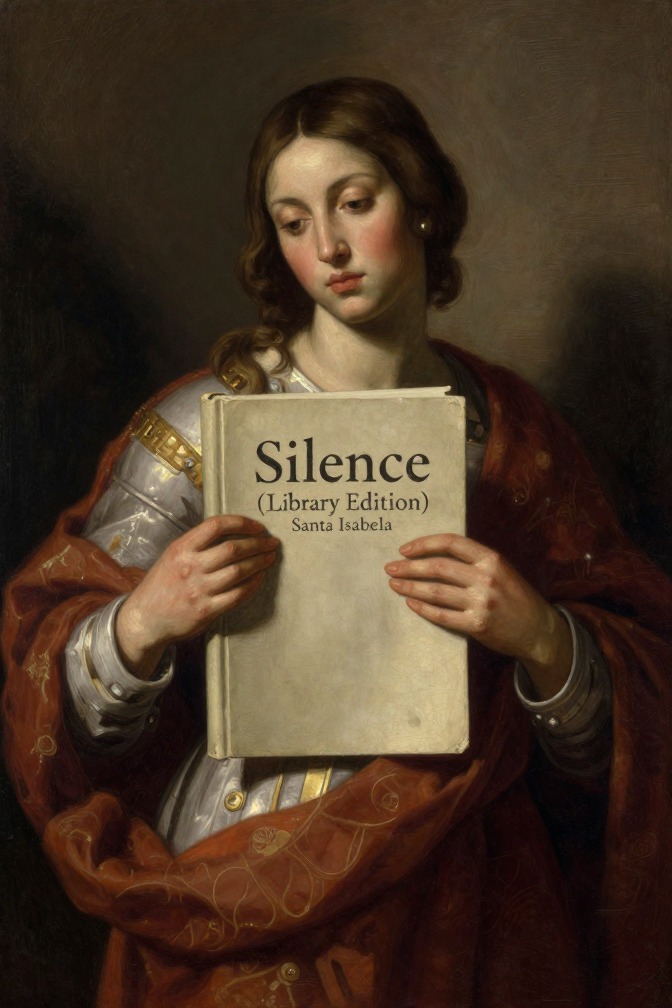
The Santa Isabella is the Portuguese ship that carried Sebastian Rodrigues, Francisco Garrpe, and Juan de Santa Marta from Lisbon to Goa in 1638, beginning their ill-fated mission to Japan. Its arduous voyage, marked by storms, disease, and near-shipwreck, foreshadows the suffering and failure that await the missionaries in the 'swamp' of Japan.
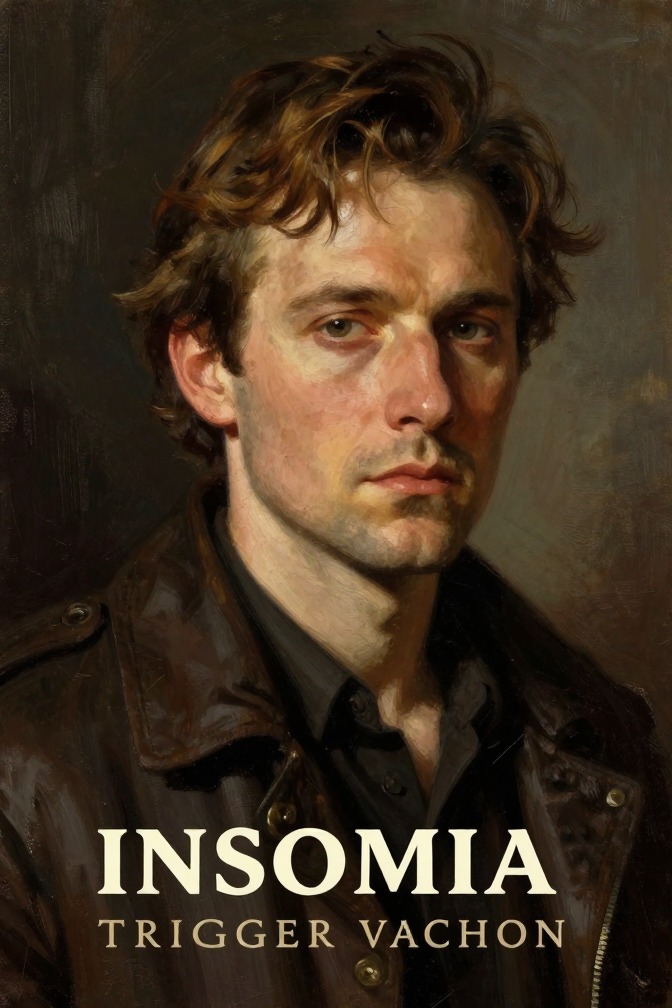
Trigger Vachon is a minor but recurring character in Stephen King's *Insomnia*, a French-Canadian dry-cleaning driver and later parking-garage attendant whose chance encounters with Ralph Roberts provide crucial pieces of information about Ed Deepneau's past and the Japanese symbols on his scarf, ultimately revealing the word "kamikaze" and confirming Ed's suicidal intentions.