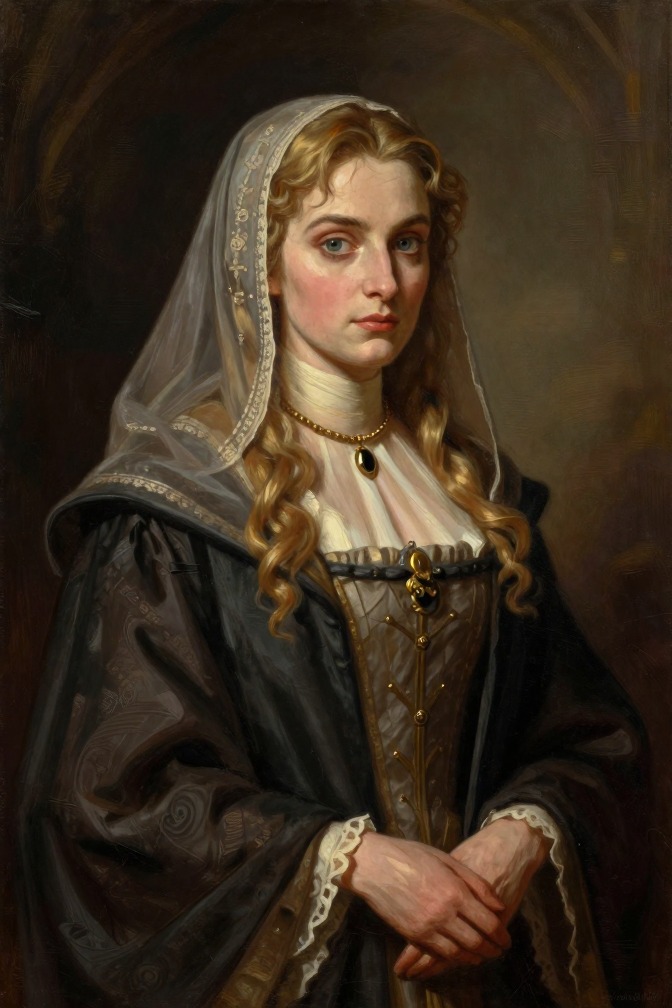
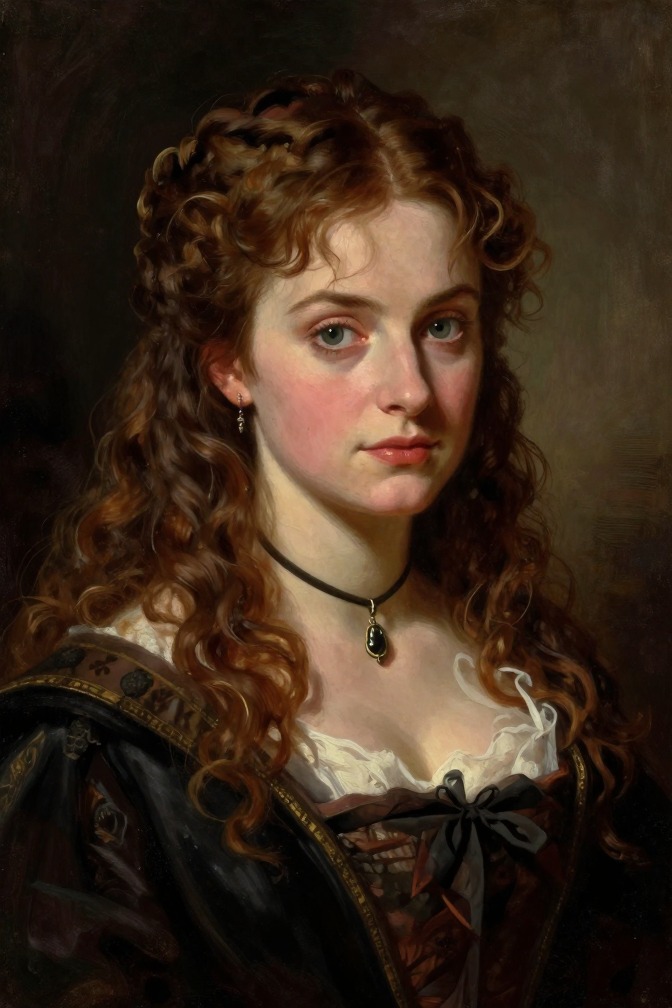
Madam Rosmerta, the attractive landlady of the Three Broomsticks inn in Hogsmeade, is revealed in Harry Potter and the Half-Blood Prince to have been placed under the Imperius Curse by Draco Malfoy, forced to act as his unwitting accomplice in two attempts on Albus Dumbledore's life: the cursed opal necklace that nearly killed Katie Bell and the poisoned bottle of mead that nearly killed Ron Weasley.
Morfin Gaunt is the son of Marvolo Gaunt and the brother of Merope Gaunt, making him the uncle of Lord Voldemort. A violent, unstable, and inbred pure-blood who speaks Parseltongue, he is framed by his nephew for the murder of the Riddle family and dies in Azkaban, a pawn in Voldemort's early quest for immortality.
Mr. Borgin is the proprietor of Borgin and Burkes, a sinister Knockturn Alley shop dealing in Dark artifacts. He is a nervous, oily-haired man who operates under the shadow of the Malfoy family, first cowed by Lucius Malfoy and later by Draco Malfoy, whom he is forced to assist in repairing a dangerous object and in reserving a cursed opal necklace. His shop also serves as the terminus of a Vanishing Cabinet passage that allows Death Eaters to infiltrate Hogwarts.
Mrs. Cole is the sharp, gin-drinking matron of Wool's Orphanage who oversaw Tom Riddle's early years and, under the influence of Dumbledore's gentle persuasion, revealed the disturbing incidents that marked the boy's childhood, providing the first documented evidence of his cruelty, secrecy, and magical abilities.
Professor Merrythought was the long-serving Defense Against the Dark Arts teacher at Hogwarts whose retirement in the 1940s created the vacancy that both Tom Riddle and Albus Dumbledore sought to fill, a pivotal moment that exposed Riddle's true ambitions and set in motion the jinx that would plague the position for decades.
Regulus Black, the younger brother of Sirius Black, is a minor but pivotal figure in the sixth book, revealed through retrospective accounts as a former Death Eater who defected after discovering Lord Voldemort's true nature and sacrificed his life to steal and replace one of Voldemort's Horcruxes, leaving behind a note signed 'R.A.B.' that becomes a crucial clue for Harry Potter.
The Bloody Baron is the Slytherin House ghost at Hogwarts, a grim, silent figure covered in silver bloodstains who serves as a spectral authority and a source of crucial information about Dumbledore's return to the school on the night of his death.
The Fat Lady is the portrait guardian of the Gryffindor common room at Hogwarts, a temperamental and security-conscious gatekeeper whose shifting passwords and personal grievances directly affect Harry Potter and his friends throughout their sixth year.
Zacharias Smith is a Hufflepuff student at Hogwarts who serves as the Quidditch commentator during the 1996–1997 school year, known for his biased and snide commentary that targets Gryffindor players, particularly Harry Potter and Ron Weasley. He is also a member of Dumbledore's Army, though his loyalty is questionable, and he is one of the few students withdrawn from Hogwarts by his father following Dumbledore's death.
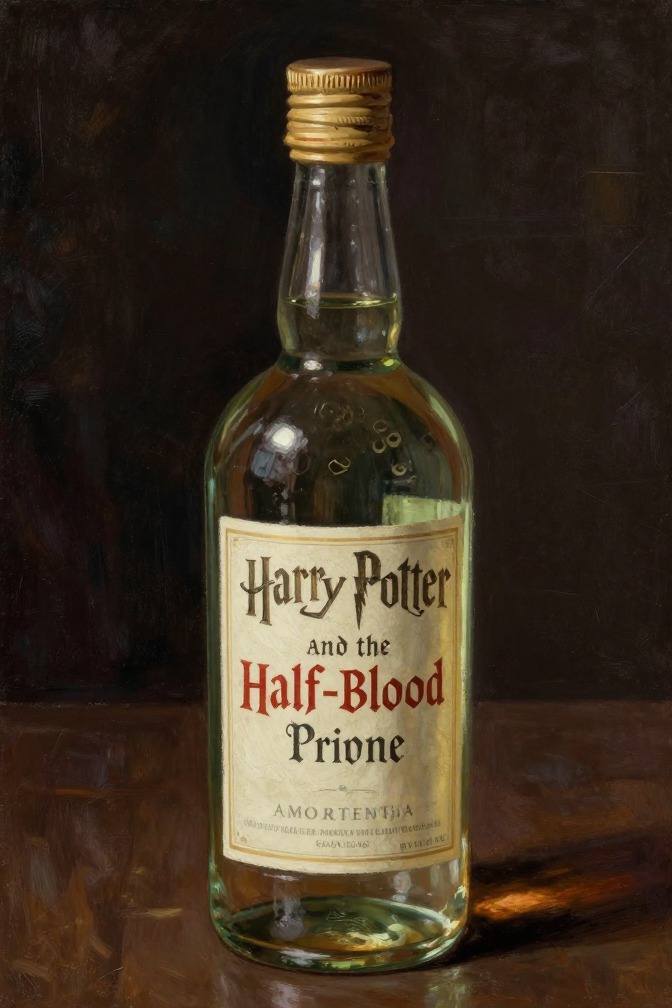
Amortentia is the most powerful love potion in the wizarding world, introduced in Harry Potter and the Half-Blood Prince as a key plot device that reveals character desires and underscores the theme of obsessive love.
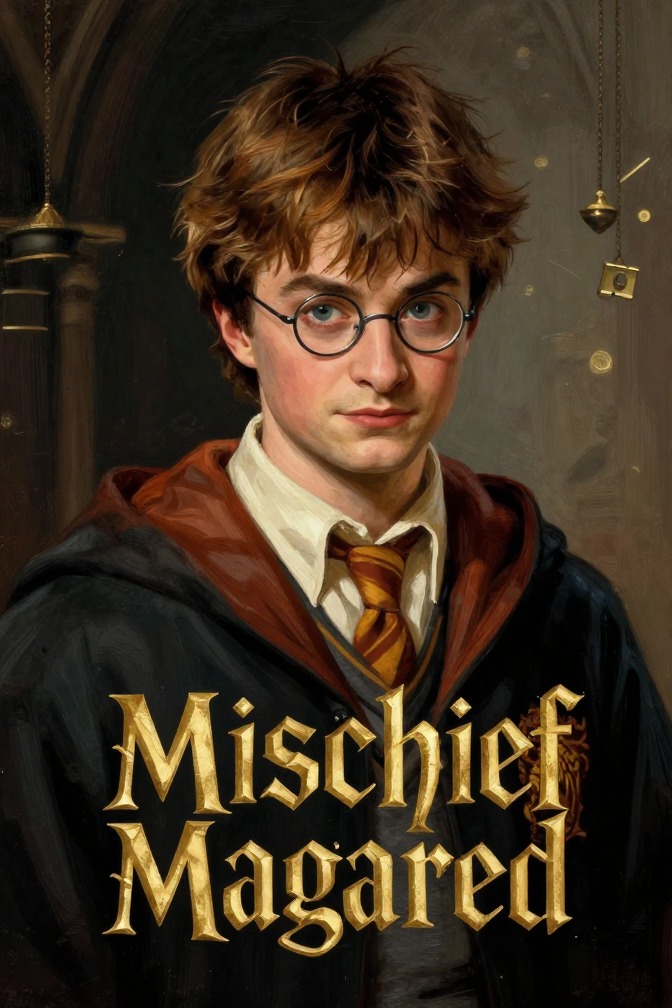
Mischief managed is the incantation that deactivates the Marauder's Map, a magical document created by James Potter, Sirius Black, Remus Lupin, and Peter Pettigrew that reveals the real-time location of every person within Hogwarts. The phrase serves as the counterpart to the activation phrase "I solemnly swear that I am up to no good" and, when spoken while tapping the parchment with a wand, causes the map's ink to vanish, returning it to a blank appearance. Its use throughout Harry Potter's sixth year reflects his growing reliance on the map for surveillance and his deepening obsession with Draco Malfoy's secret activities.
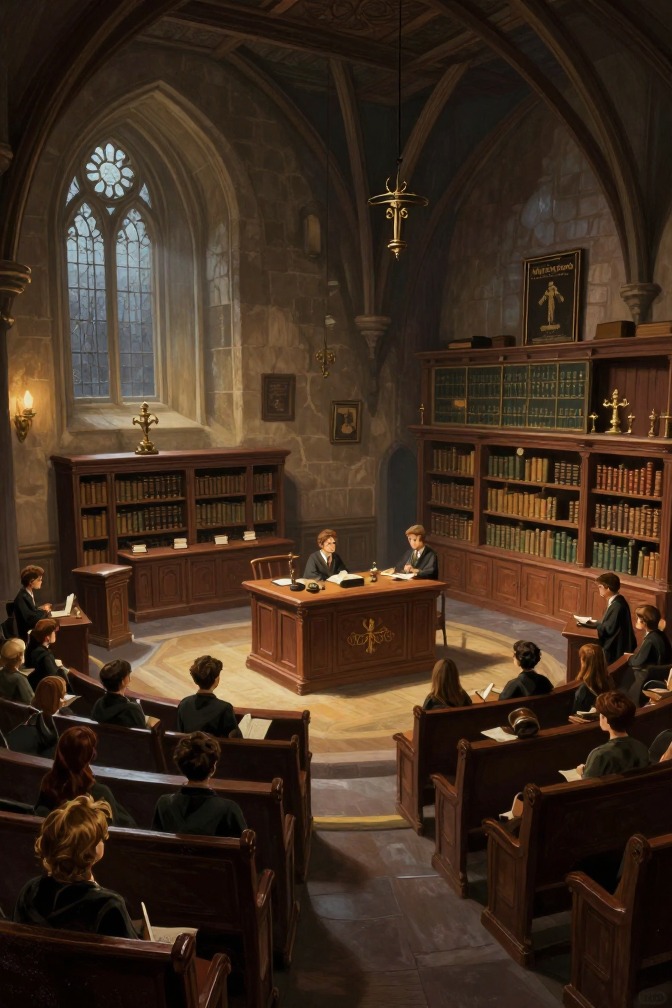
The Defense Against the Dark Arts Classroom is a central instructional space at Hogwarts School of Witchcraft and Wizardry, whose physical and symbolic character shifts dramatically in Harry Potter's sixth year under the new teacher, Severus Snape. Once a room associated with a revolving door of instructors, it becomes a deliberately darkened, oppressive environment that mirrors Snape's own long-thwarted ambition and his personal vendetta against Harry. The classroom's transformation—from a place of practical defense to a stage for psychological warfare—encapsulates the escalating danger of the wizarding war and the poisoned trust at the heart of the year's events.
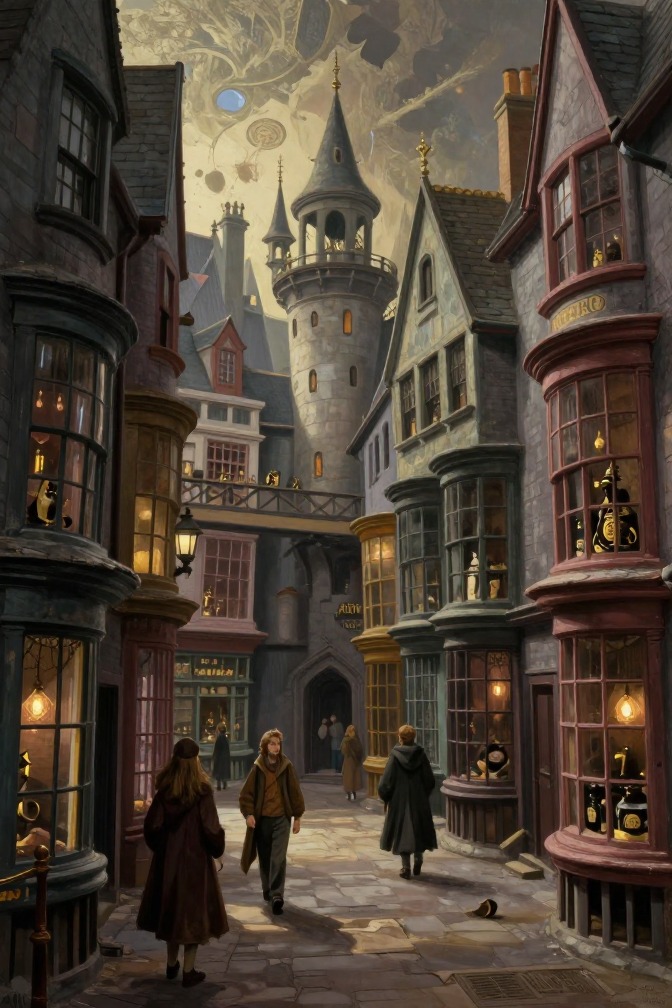
Diagon Alley, the primary wizarding shopping thoroughfare in London, undergoes a dramatic transformation in Harry Potter and the Half-Blood Prince, shifting from a vibrant commercial hub to a somber, fortified reflection of the escalating war. Once a place of glittering window displays and bustling crowds, it becomes dominated by Ministry of Magic security posters, boarded-up shops, and a palpable atmosphere of fear, marking the end of an era of innocence and the encroachment of Lord Voldemort's terror into the heart of the wizarding world.
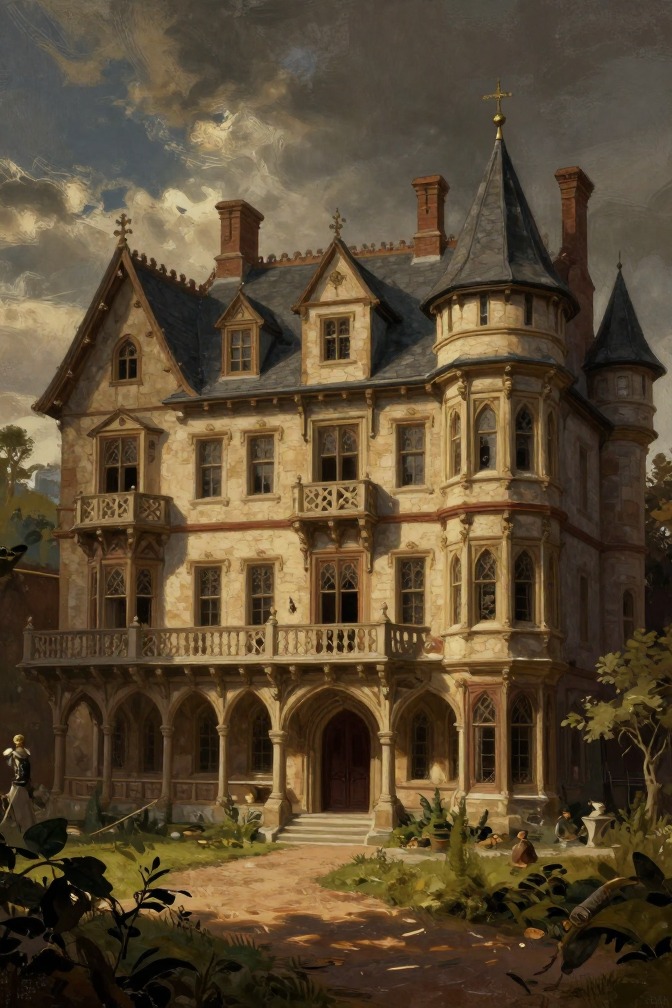
Riddle House is the ancestral home of the Riddle family in the village of Little Hangleton, a manor house that serves as the site of Tom Riddle Sr.'s abandonment of his wife Merope Gaunt and, years later, the location of the murders of Tom Riddle Sr. and his parents by their son, Lord Voldemort.
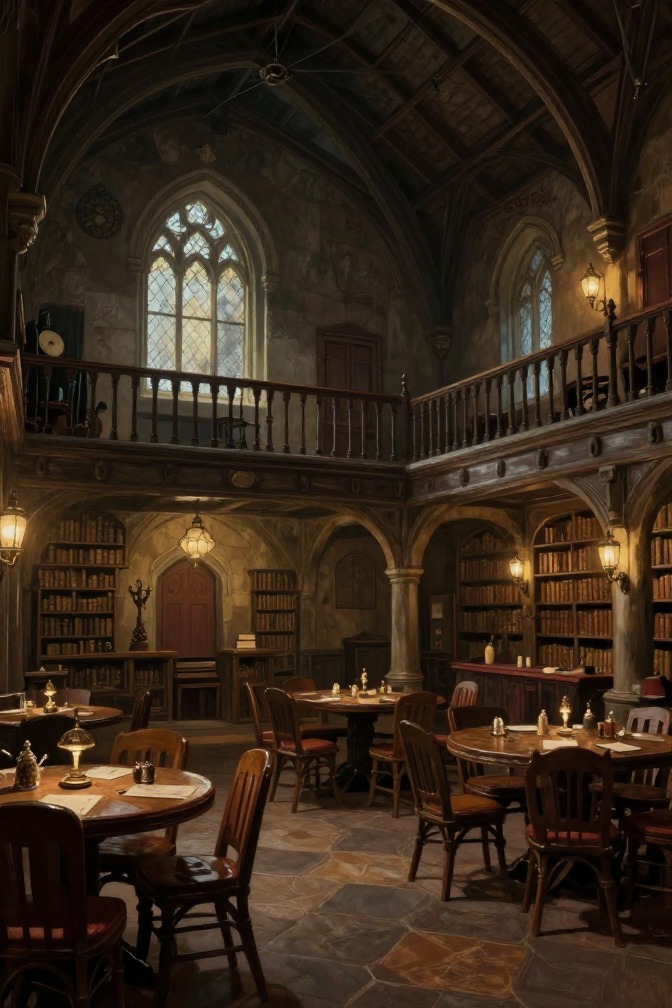
The Slytherin Common Room is the subterranean common room and dormitory for students of Slytherin House at Hogwarts School of Witchcraft and Wizardry, a dim, dungeon-like space located behind a stone wall in the dungeons, accessible only by a password. It serves as the primary social and residential hub for Slytherin students, and in Harry Potter and the Half-Blood Prince, it becomes a key location for observing Draco Malfoy's secretive activities and his interactions with his fellow Slytherins.
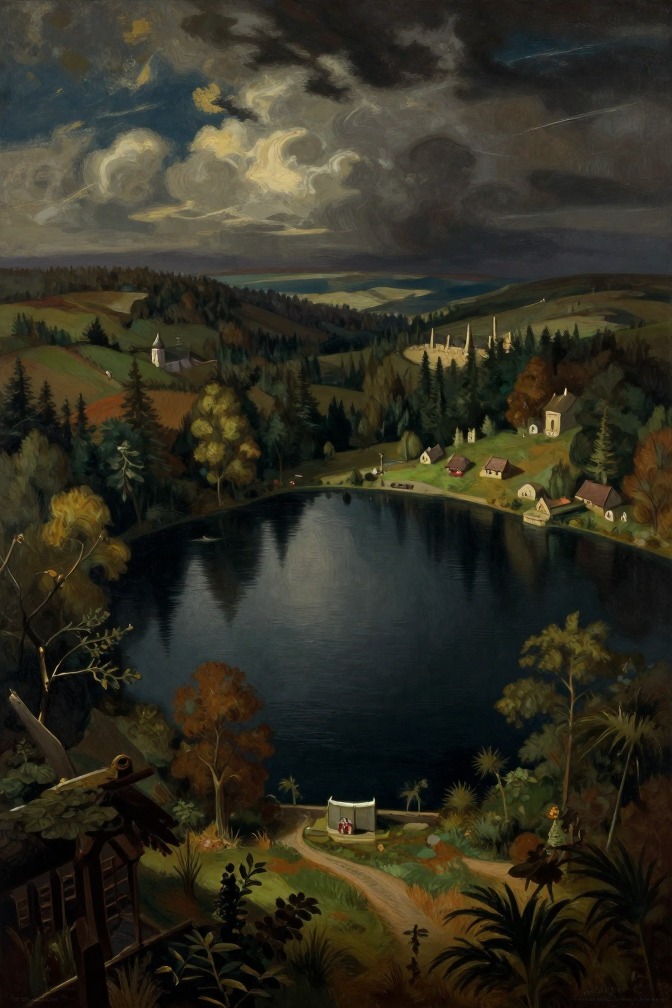
The Black Lake is the vast, dark body of water within the sea cave where Lord Voldemort concealed one of his Horcruxes, serving as the central obstacle in the climactic trial that Albus Dumbledore and Harry Potter must overcome. Its still, glassy surface hides an army of Inferi, the reanimated corpses of the dead, who rise to attack any intruder who attempts to seize the Horcrux from the island at its center. The lake is a masterwork of Voldemort's defensive magic, designed to test not only magical power but also will, endurance, and the willingness to sacrifice, and it becomes the site of Dumbledore's greatest physical and psychological ordeal before his death.
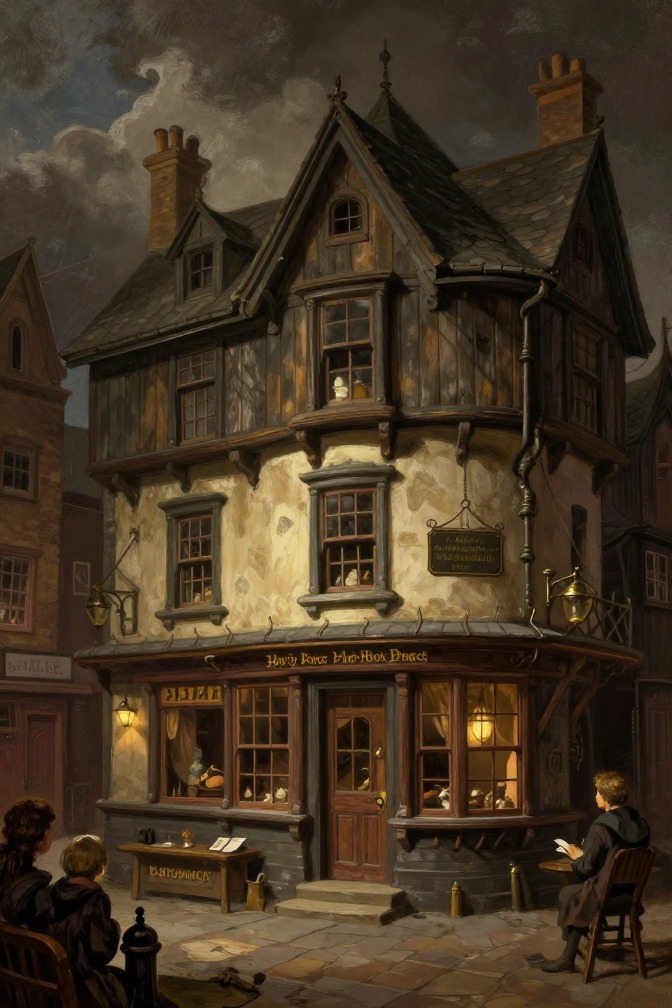
The Three Broomsticks is a popular wizarding pub in Hogsmeade, run by Madam Rosmerta, that serves as a key social and operational hub in Harry Potter and the Half-Blood Prince, where characters gather for warmth and drink, and where a cursed necklace is passed to Katie Bell, leading to a major attack.
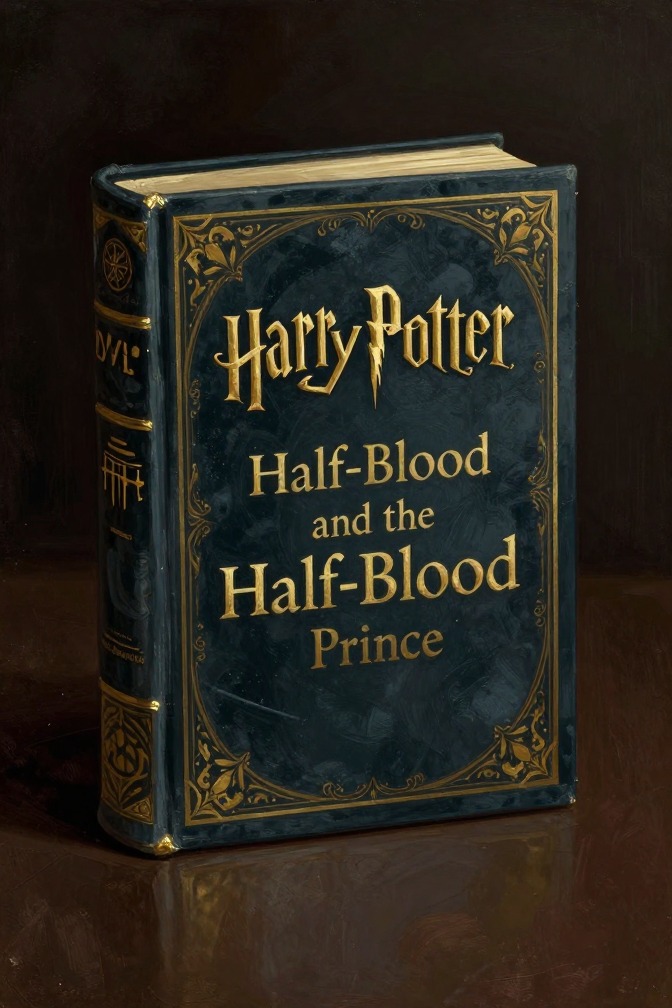
The Half-Blood Prince's Potions Book is a battered, second-hand copy of "Advanced Potion-Making" by Libatius Borage, formerly owned by a student who called himself the Half-Blood Prince. This book becomes Harry Potter's most valuable and controversial tool during his sixth year at Hogwarts, transforming him from a mediocre potion-maker into Slughorn's star pupil, but also leading him to use a dangerous spell with near-fatal consequences. The book's true owner is eventually revealed to be Severus Snape, a revelation that shatters Harry's trust and deepens his understanding of the man who killed Albus Dumbledore.
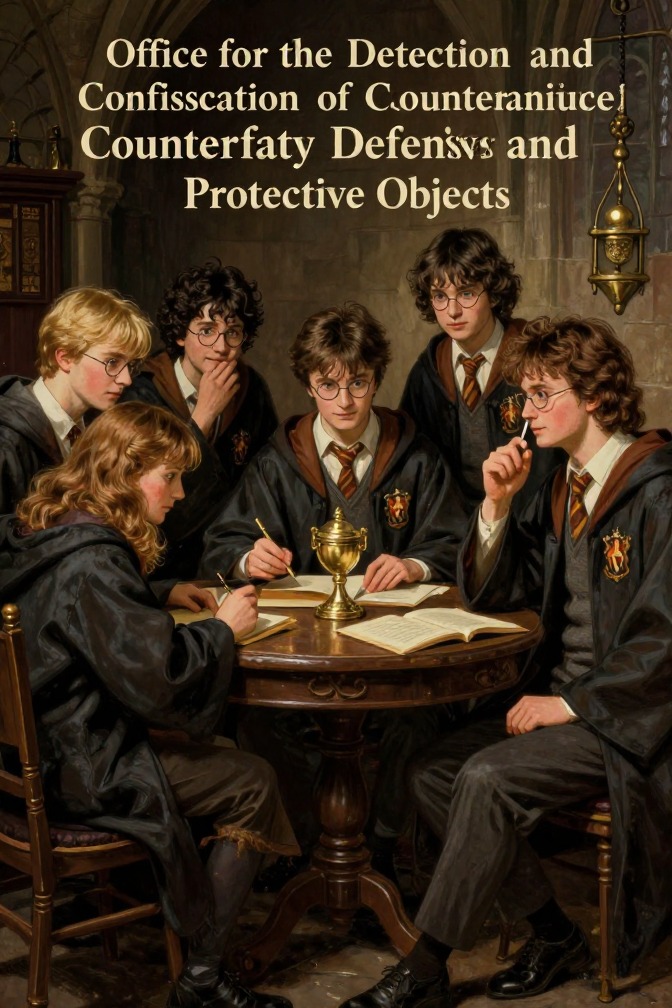
The Office for the Detection and Confiscation of Counterfeit Defensive Spells and Protective Objects is a new Ministry of Magic department established by Minister Rufus Scrimgeour in response to the escalating war with Lord Voldemort, tasked with identifying and removing fraudulent protective items that exploit public fear. Headed by Arthur Weasley, the office represents both the Ministry's attempt to project competence during a crisis and the pervasive anxiety that has created a market for dangerous, unregulated magical goods.
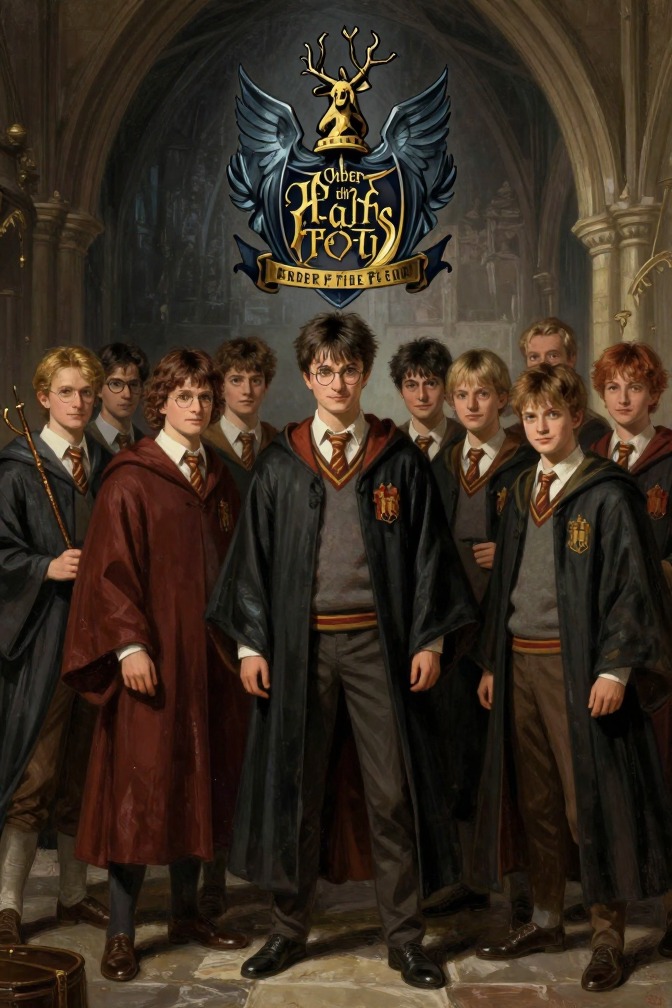
The Order of the Phoenix is a secret society founded by Albus Dumbledore to oppose Lord Voldemort and his Death Eaters. It serves as the primary resistance force throughout the Second Wizarding War, coordinating intelligence, protection, and direct combat against the Dark Lord's forces. Its members, drawn from the Ministry of Magic, Hogwarts staff, and the broader wizarding community, operate under constant threat of infiltration and death, embodying the theme of collective sacrifice against tyranny.
The relationship between Rubeus Hagrid and Aragog, a giant acromantula, is one of the most profound and unusual friendships in the wizarding world, spanning decades from Hagrid's childhood to Aragog's death in Harry's sixth year. It is a bond defined by Hagrid's unwavering loyalty and affection for a creature others find monstrous, a loyalty that ultimately isolates him from the very spider colony he helped raise.
The Cruciatus Curse is one of the three Unforgivable Curses, a torture spell that inflicts unbearable pain on its victim. It is a key tool of Lord Voldemort and his Death Eaters, used for interrogation, punishment, and sadistic pleasure. The curse's use is illegal under wizarding law, and its application in the narrative marks the moral descent of those who wield it, while also testing the limits of Harry Potter's own capacity for violence and mercy.
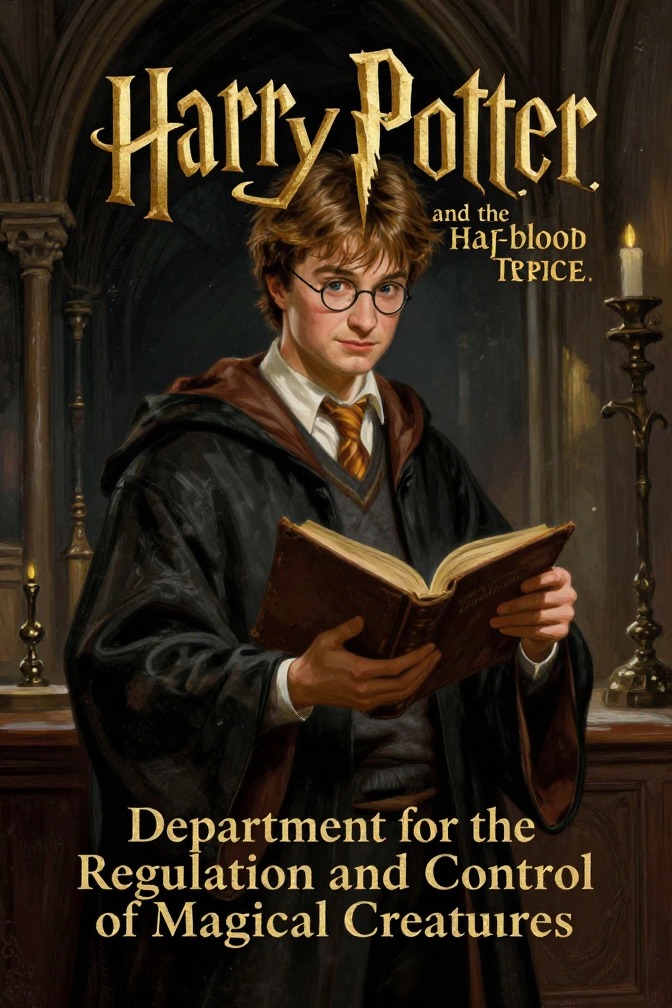
The Department for the Regulation and Control of Magical Creatures is a division of the British Ministry of Magic responsible for overseeing the import, breeding, sale, and welfare of magical creatures, as well as enforcing relevant laws. It appears in Harry Potter and the Half-Blood Prince primarily as a bureaucratic entity that must be notified of the importation of highly dangerous creatures, and later as an overwhelmed agency struggling to contain a giant rampaging in the West Country.
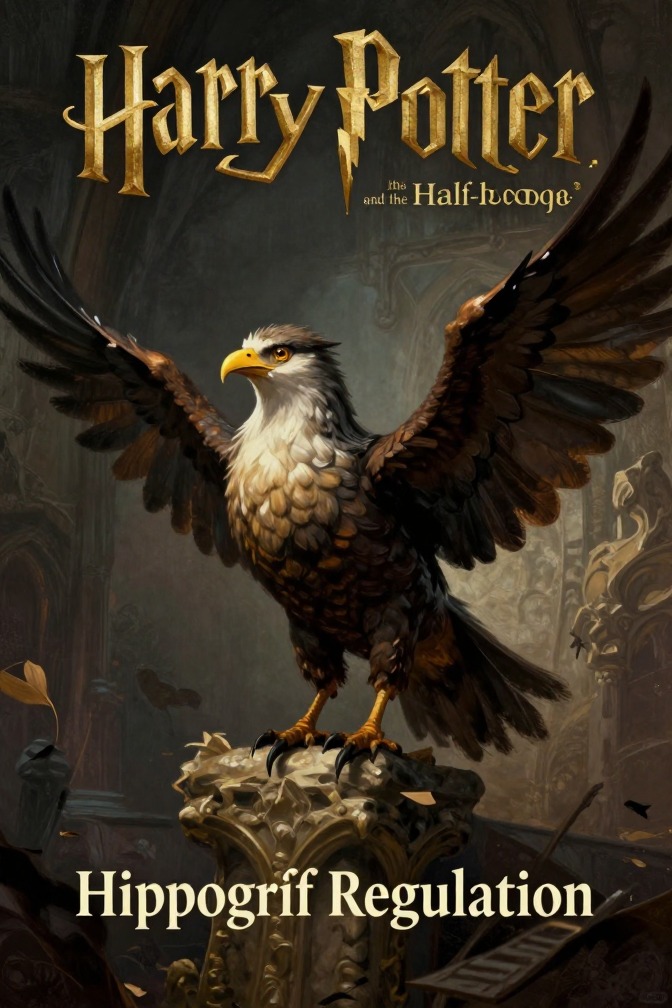
The Hippogriff Regulation governs the import, ownership, and treatment of hippogriffs within the British wizarding world, a rule that becomes personally significant when Buckbeak, a hippogriff owned by Rubeus Hagrid and later inherited by Harry Potter, is sentenced to death for attacking Draco Malfoy. The regulation's enforcement is shown to be inconsistent and politically motivated, as the Ministry of Magic, under pressure from Lucius Malfoy, pursues execution despite the creature's provocation. Following the death of Sirius Black, Harry inherits Buckbeak, and the Order of the Phoenix, fearing Ministry scrutiny, renames the hippogriff "Witherwings" as a protective measure, highlighting the regulation's role as a tool of both legal authority and covert resistance.
The Hogwarts Common Room Password Rule is a security measure requiring students to provide a regularly changing password to gain entry to their House common rooms, enforced by the sentient portrait guardians. The rule is a central feature of daily life at Hogwarts, reflecting the school's layered security and the Fat Lady's temperamental authority.
Obliviator Practice is the Ministry of Magic's systematic use of memory modification to conceal the existence of the wizarding world from Muggles, a core enforcement mechanism of the International Statute of Secrecy that becomes increasingly strained and morally compromised as Lord Voldemort's open war escalates.
Blood traitor is a derogatory term used within the Wizarding world to describe pure-blood witches and wizards who sympathize with or associate with Muggles and Muggle-borns, thereby betraying the supposed purity of their bloodline. The term is a central marker of the ideological divide that fuels the conflict between the Death Eaters and the Order of the Phoenix, and it is wielded by characters like Draco Malfoy and Bellatrix Lestrange to express contempt and justify persecution. Its usage reveals the deep-seated prejudice and the moral stakes of the series, as characters like the Weasley family proudly embrace the label, turning a slur into a badge of honor.
Love Potion is a magical substance in the wizarding world that creates powerful infatuation or obsession rather than genuine love, and it plays a significant role in the plot of Harry Potter and the Half-Blood Prince, particularly through the accidental poisoning of Ron Weasley with a love potion-laced chocolate.
The Minister of Magic is the highest political office in the British wizarding world, responsible for governing the magical community, maintaining secrecy from Muggles, and coordinating defense against dark forces. During the events of the sixth year at Hogwarts, the office passes from Cornelius Fudge to Rufus Scrimgeour, a transition that reflects the escalating war with Lord Voldemort and the Ministry's fraught relationship with Albus Dumbledore and Harry Potter.
Veela are magical beings of breathtaking beauty, possessing an alluring and dangerous power that affects men almost involuntarily. In Harry Potter and the Half-Blood Prince, the Veela are represented primarily by Fleur Delacour, whose presence at the Burrow and whose engagement to Bill Weasley create significant social and emotional ripples, revealing the complex interplay between supernatural allure, jealousy, and genuine human connection.