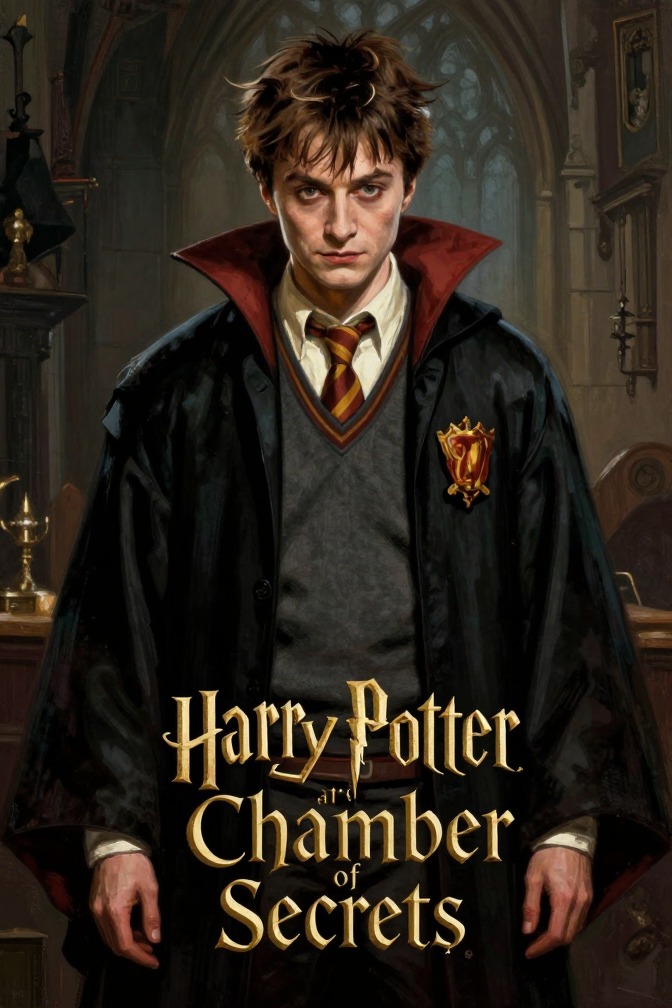
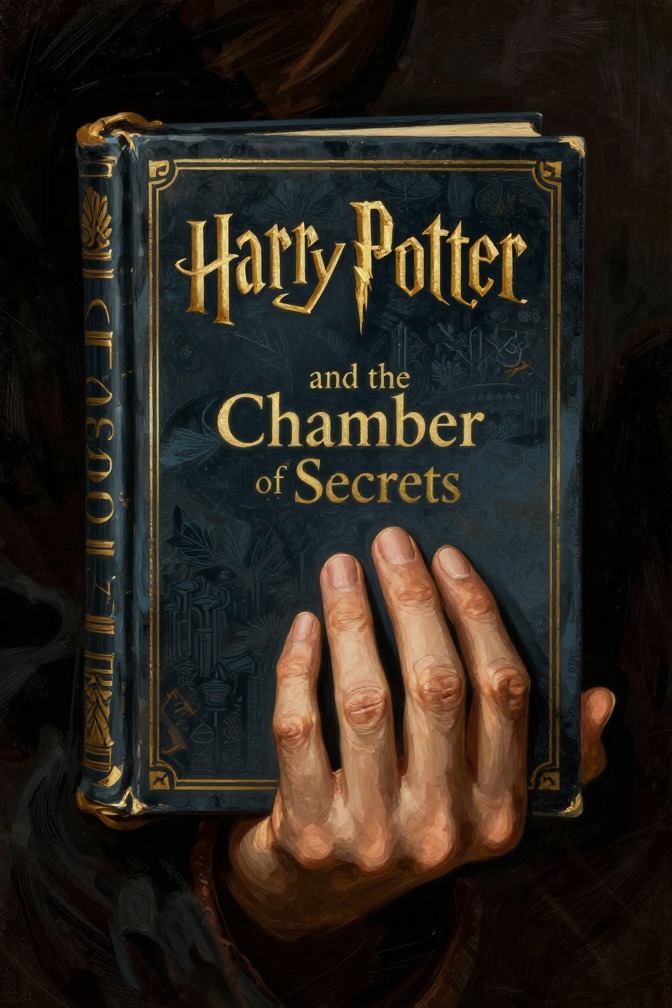
Vampires are a recurring creature type in the wizarding world, appearing in the second-year curriculum through Gilderoy Lockhart's books and in the historical lore of the Chamber of Secrets, where they are associated with Dark magic and the persecution of Muggle-borns.
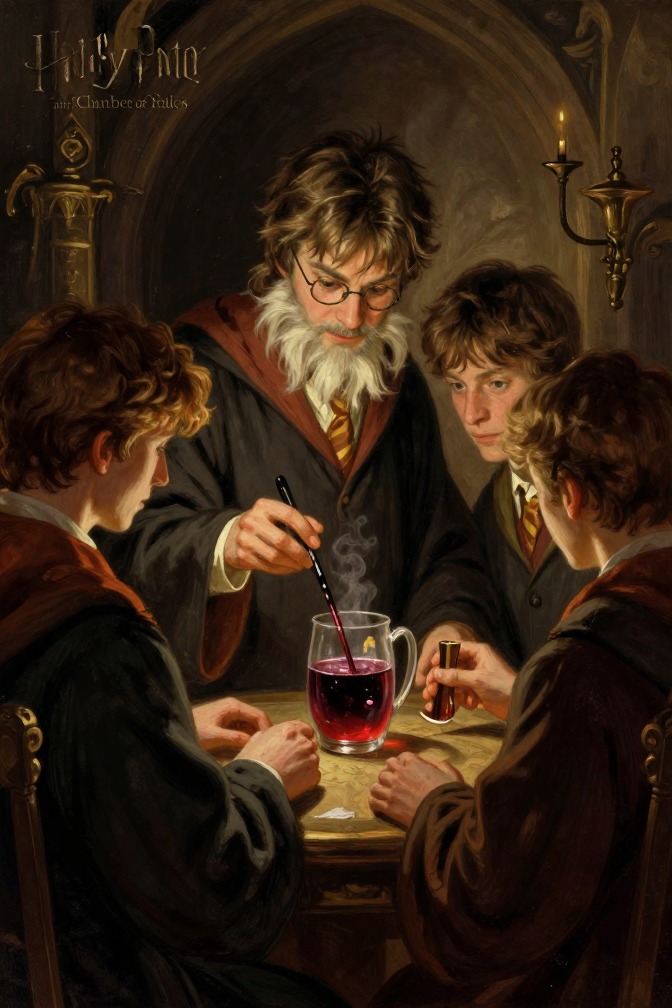
The Mandrake Draught Restoration is the pivotal event in Harry Potter and the Chamber of Secrets where the Mandrakes, cultivated by Professor Sprout, reach maturity and are used to brew a potion that revives all the Petrified victims, including Hermione Granger, Colin Creevey, Justin Finch-Fletchley, and Mrs. Norris. This event marks the resolution of the mystery's immediate consequences, restores hope to the school, and sets the stage for the final confrontation with the Heir of Slytherin.
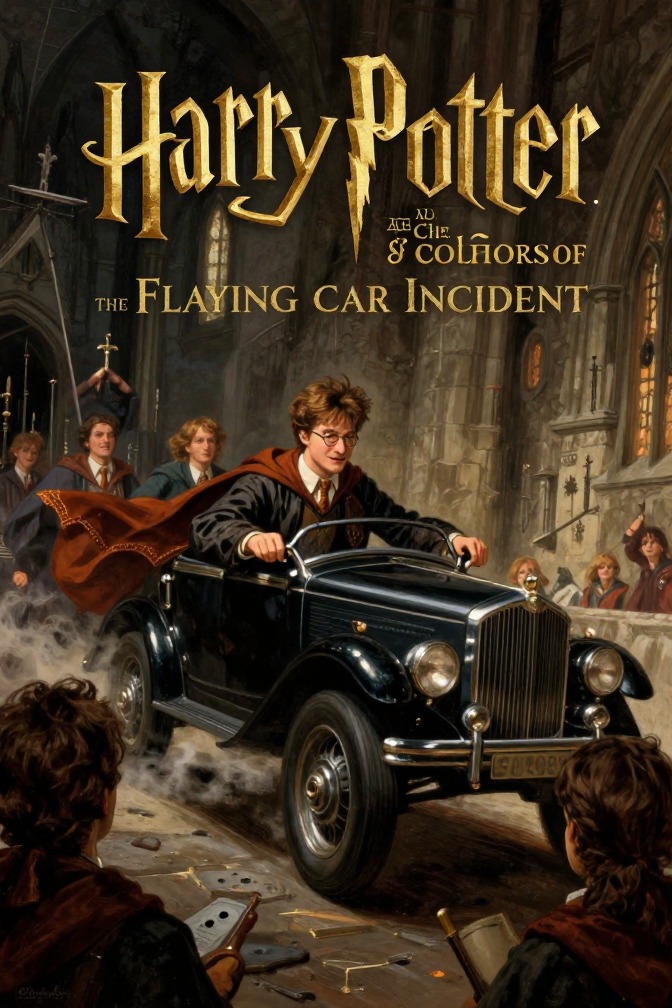
The Flying Car Incident is the pivotal event in Harry Potter and the Chamber of Secrets where Harry Potter and Ron Weasley, unable to pass through the barrier to Platform 9¾, decide to fly Ron's father's enchanted Ford Anglia to Hogwarts. This act of desperation leads to a spectacular and dangerous journey, a crash into the Whomping Willow, and a confrontation with the school authorities, setting the tone for a year of rule-breaking and danger.
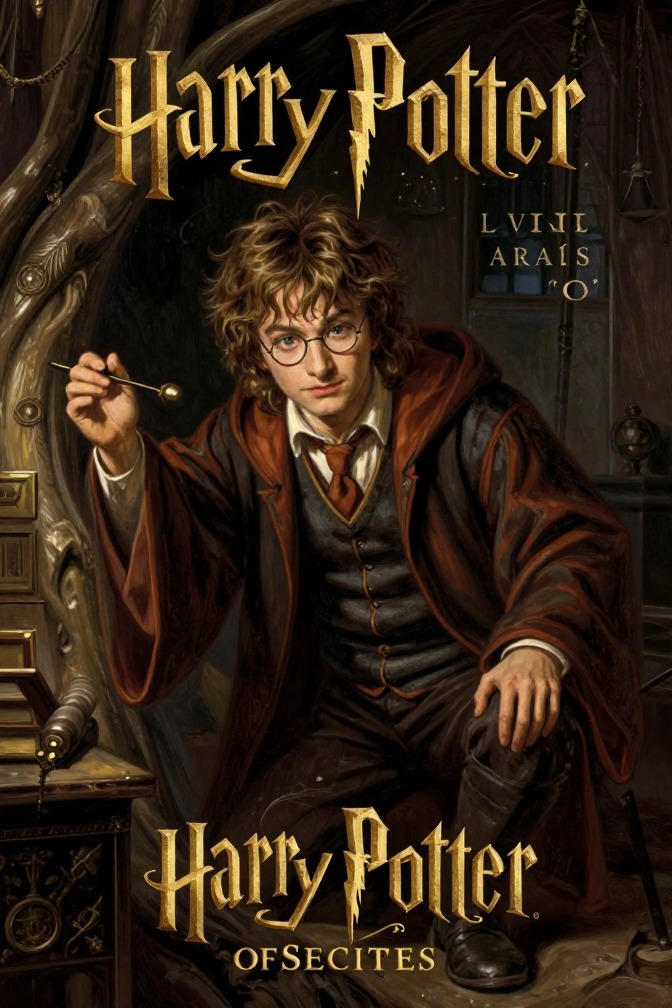
The Visit to Aragog is a pivotal event in Harry Potter and the Chamber of Secrets where Harry and Ron, following Hagrid's cryptic hint, venture into the Forbidden Forest and encounter Aragog, a giant Acromantula. This encounter reveals Hagrid's innocence in the Chamber's opening fifty years ago and provides crucial information about the monster's nature, setting the stage for the final confrontation.
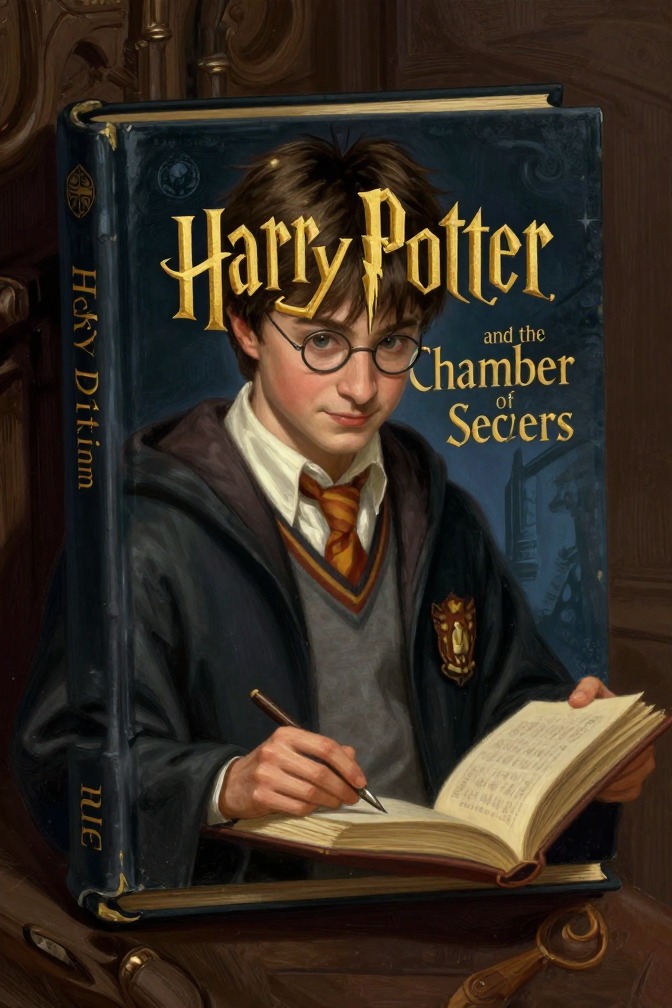
Tom Riddle's Memory is a pivotal event in which Harry Potter, through the enchanted diary, is drawn into a preserved memory from fifty years earlier, witnessing the young Tom Riddle frame Rubeus Hagrid for opening the Chamber of Secrets and releasing a monster that killed a student.
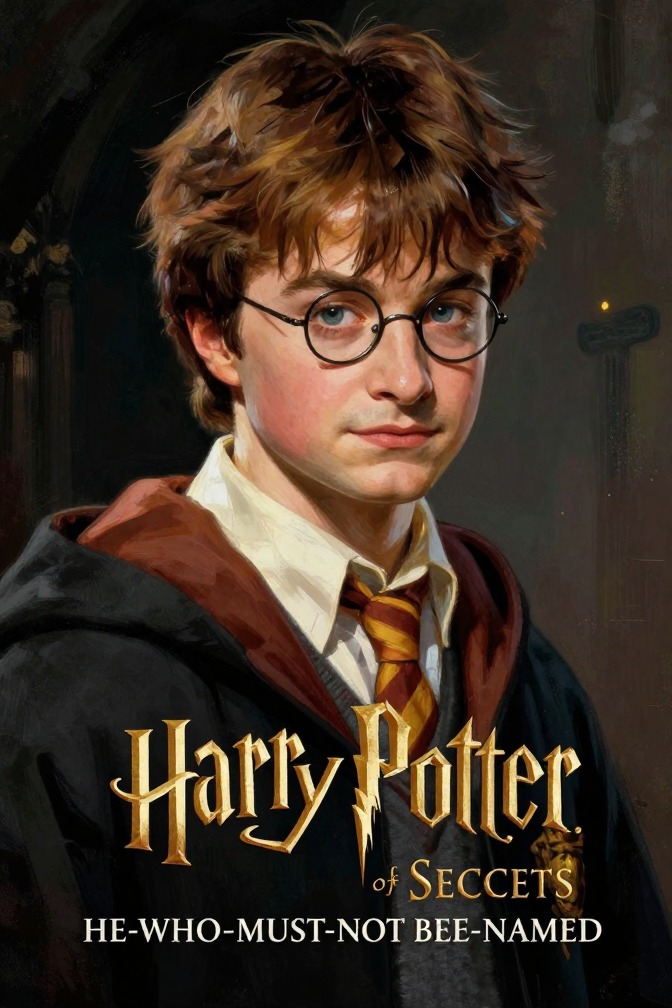
He-Who-Must-Not-Be-Named is the fearful epithet used by the wizarding world to refer to Lord Voldemort, the most dangerous Dark wizard in history, whose name most witches and wizards still fear to speak aloud. The phrase embodies the terror that Voldemort inspired at the height of his power and the superstitious dread that persisted even after his apparent destruction. Its use throughout the story marks characters' attitudes toward the Dark Lord, from Dobby's terrified reverence to Harry's defiant willingness to speak the true name, and ultimately reveals the identity behind the title when Tom Riddle demonstrates that the name 'Lord Voldemort' is an anagram of his birth name.
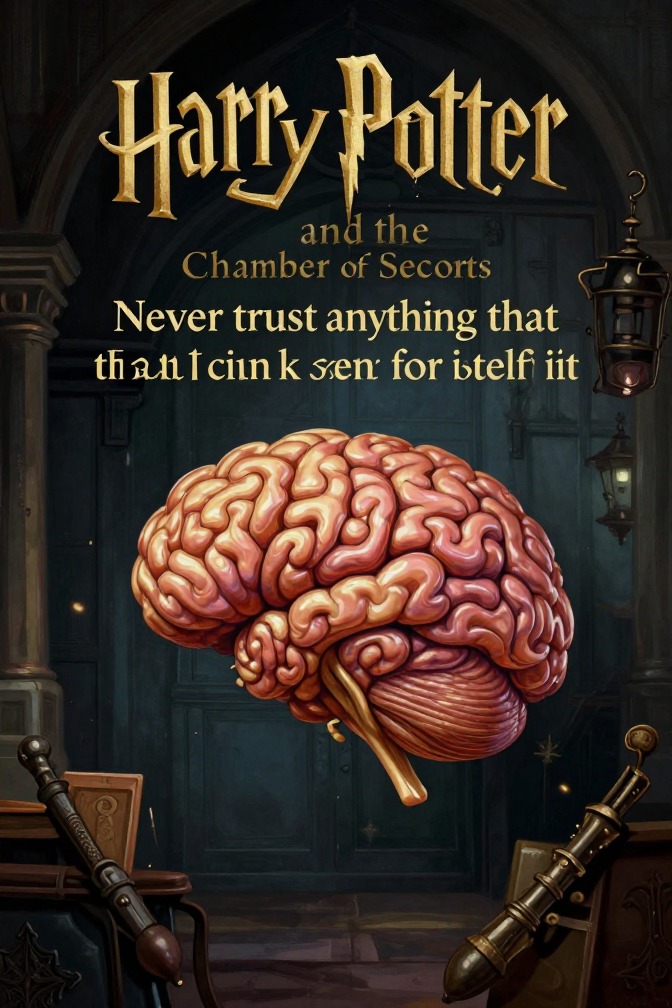
Arthur Weasley's warning to Ginny Weasley — 'Never trust anything that can think for itself if you can't see where it keeps its brain' — is the book's most explicit statement of the principle that an object with apparent autonomy is not a neutral tool but a potential agent of harm, and it retroactively explains the entire mechanism by which Tom Riddle's diary enslaved its victim.
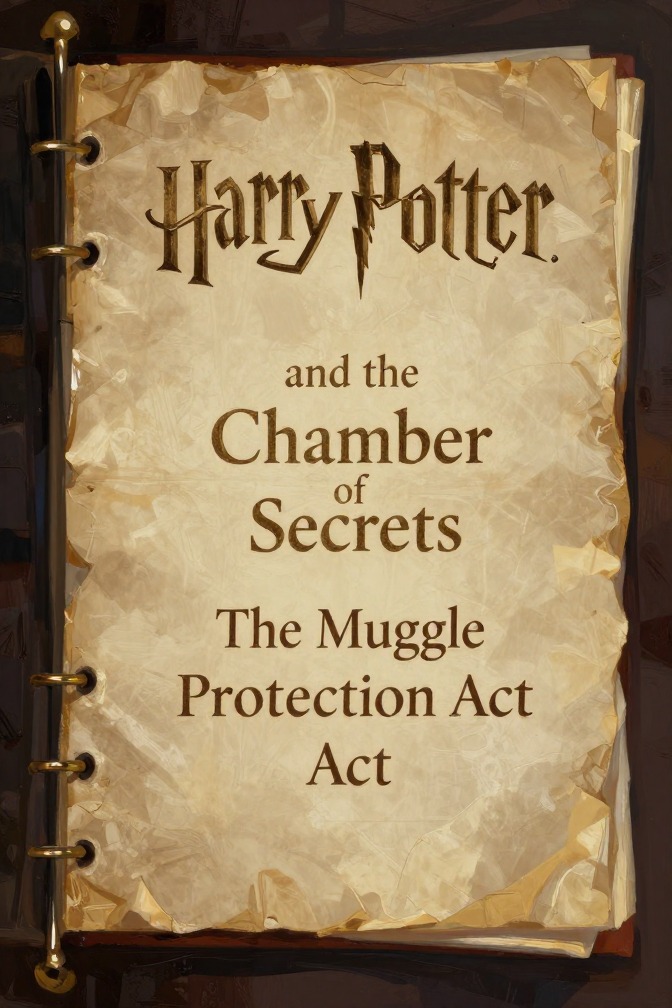
The Muggle Protection Act is a proposed piece of wizarding legislation in Harry Potter and the Chamber of Secrets, championed by Arthur Weasley, which seeks to safeguard Muggles from dangerous enchanted objects. It becomes a central point of political conflict, drawing the ire of Lucius Malfoy and highlighting the deep ideological divide within the wizarding world over Muggle relations.
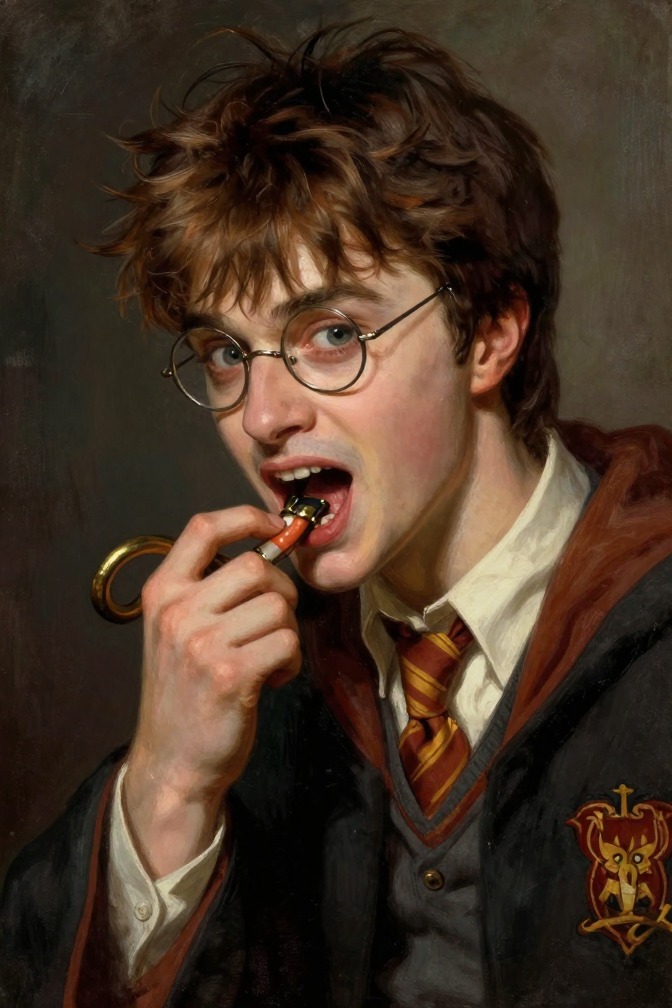
The Hand of Glory is a dark magical artifact in Harry Potter and the Chamber of Secrets, first seen in Borgin and Burkes, a shop in Knockturn Alley. It is a withered, severed hand that, when a candle is inserted into it, gives light only to the holder, making it a prized tool for thieves and plunderers. Draco Malfoy covets it, but his father dismisses it as beneath their status. The Hand of Glory also appears in the Malfoy family's secret chamber, where Lucius Malfoy hides dark artifacts from Ministry raids, and it is later mentioned as one of the dangerous objects that could be traced back to him.
Skele-Gro is a magical bone-regrowing potion used at Hogwarts School of Witchcraft and Wizardry, most notably administered to Harry Potter after Gilderoy Lockhart disastrously removed the bones from his arm. It is a painful, foul-tasting remedy that symbolizes the harsh consequences of reckless magic and the contrast between competent and incompetent healing.
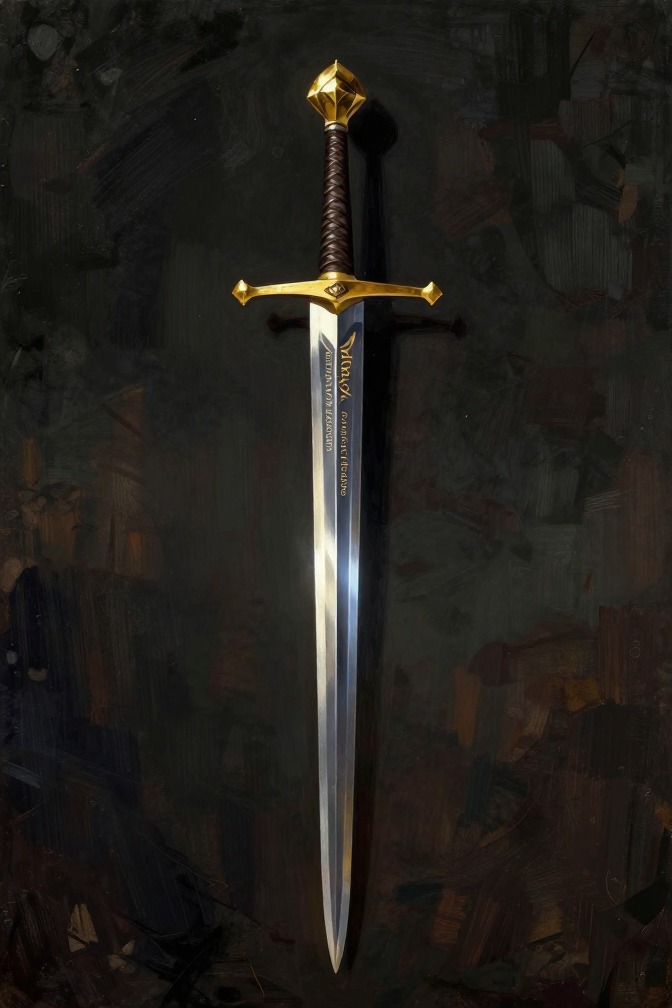
The Sword of Godric Gryffindor is a legendary artifact that appears in the Chamber of Secrets, emerging from the Sorting Hat to aid Harry Potter in his battle against the Basilisk. Its appearance is a pivotal moment that confirms Harry's true Gryffindor nature and his difference from Tom Riddle, embodying the theme that choice, not ability, defines a person.
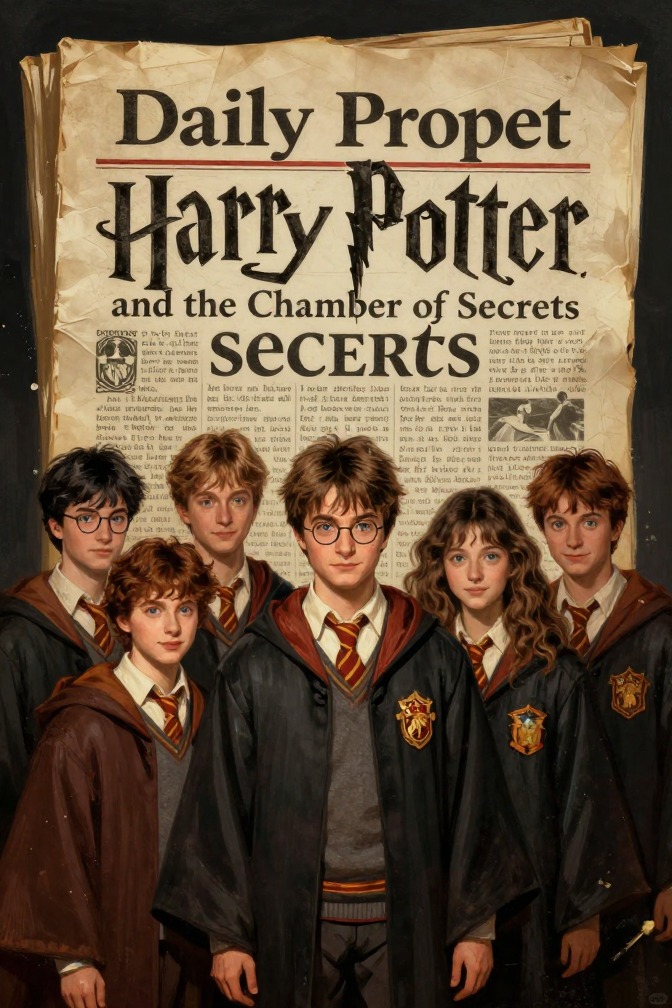
The Daily Prophet is the principal newspaper of the wizarding world in Britain, functioning as a powerful institution that shapes public opinion, controls the flow of information, and reflects the political and social interests of the magical elite.
The Hogwarts Board of Governors is the governing body of Hogwarts School of Witchcraft and Wizardry, composed of twelve members who hold the power to appoint or suspend the headmaster. In Harry Potter and the Chamber of Secrets, the Board becomes a central instrument of conflict when Lucius Malfoy, a governor, orchestrates the suspension of Albus Dumbledore during a series of attacks on Muggle-born students, only to be forced to reinstate him when the crisis is resolved.
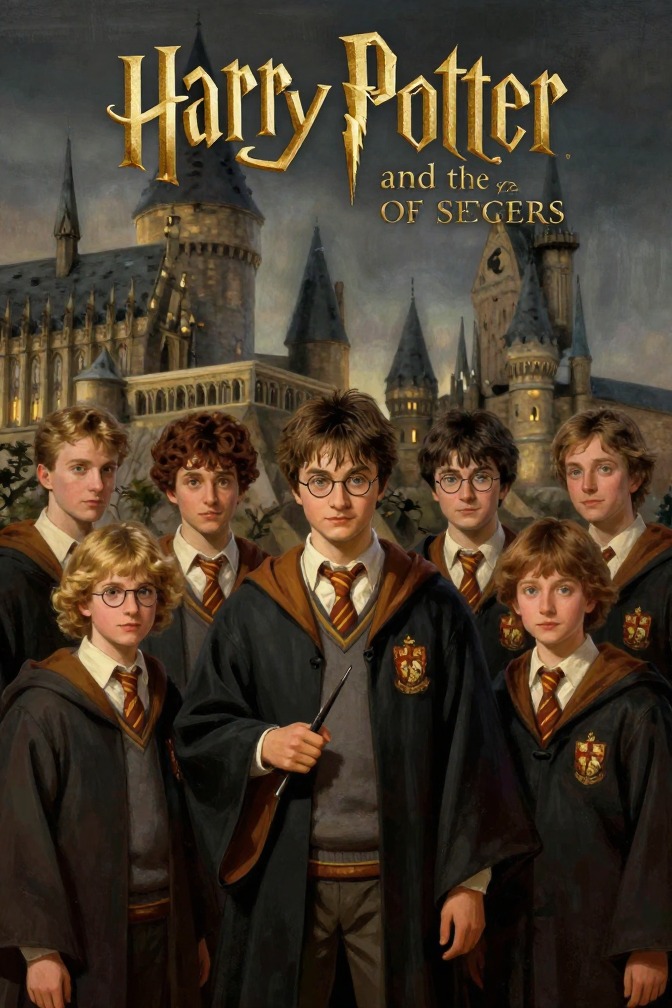
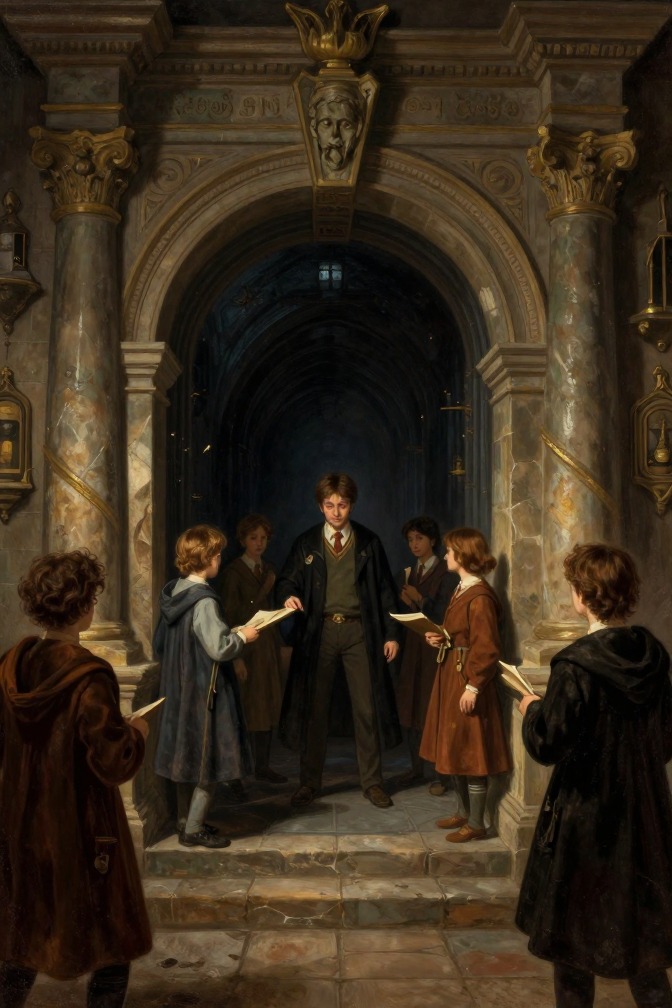
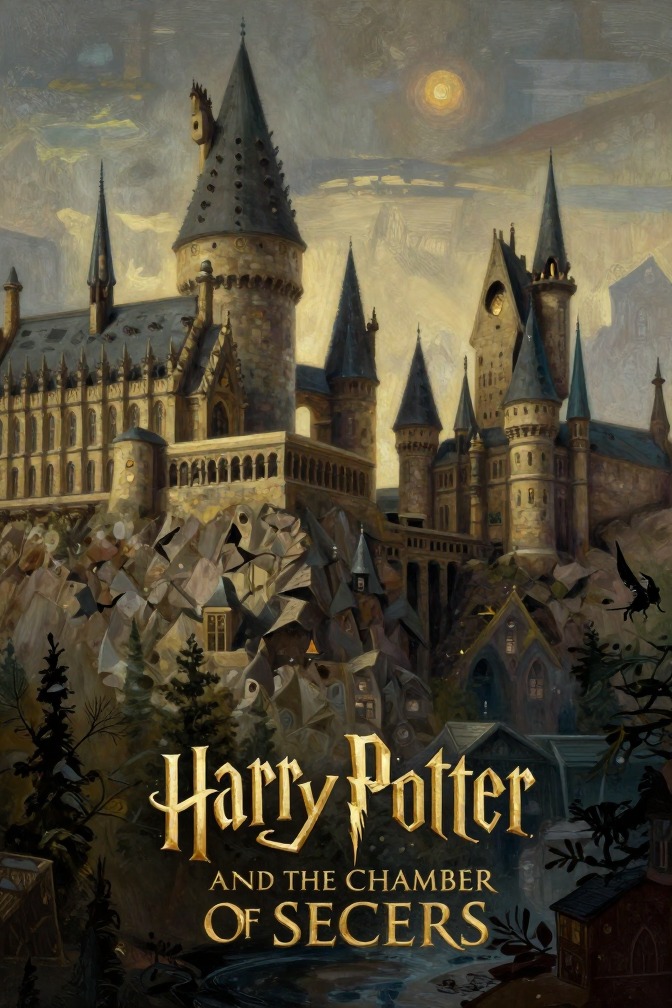
Hogwarts School of Witchcraft and Wizardry is the central institution of the wizarding world, a thousand-year-old castle that serves as both a place of magical education and a site of deep historical conflict, where the legacy of its founders—particularly Salazar Slytherin—shapes its present crises.
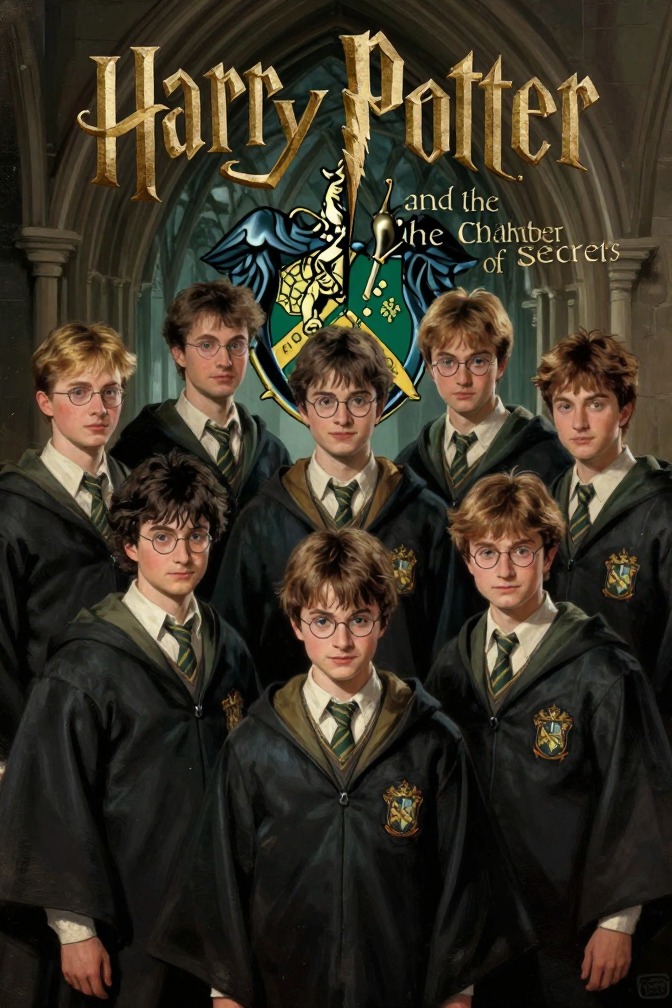
The Slytherin Quidditch Team is the House Quidditch team representing Slytherin at Hogwarts School of Witchcraft and Wizardry. In Harry Potter's second year, the team is dramatically transformed by the arrival of Draco Malfoy as Seeker and the gift of seven Nimbus Two Thousand and One brooms from Lucius Malfoy, creating an unprecedented equipment advantage that fuels the team's arrogance and intensifies the rivalry with Gryffindor.
The No evening activities rule is a security measure imposed at Hogwarts School of Witchcraft and Wizardry after a series of attacks by the monster from the Chamber of Secrets. Announced by Professor Minerva McGonagall following the double attack on Hermione Granger and Penelope Clearwater, the rule prohibited all evening activities, including Quidditch training and matches, as part of a broader set of emergency restrictions. It marked a dramatic escalation in the school's response to the crisis, reflecting the heightened fear and the suspension of normal life at Hogwarts.
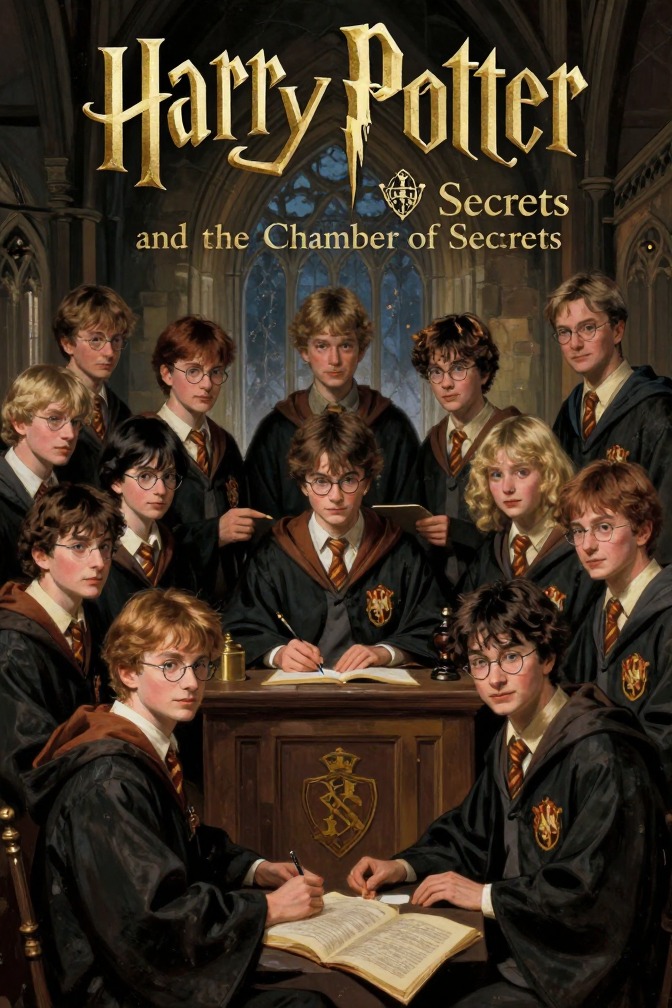
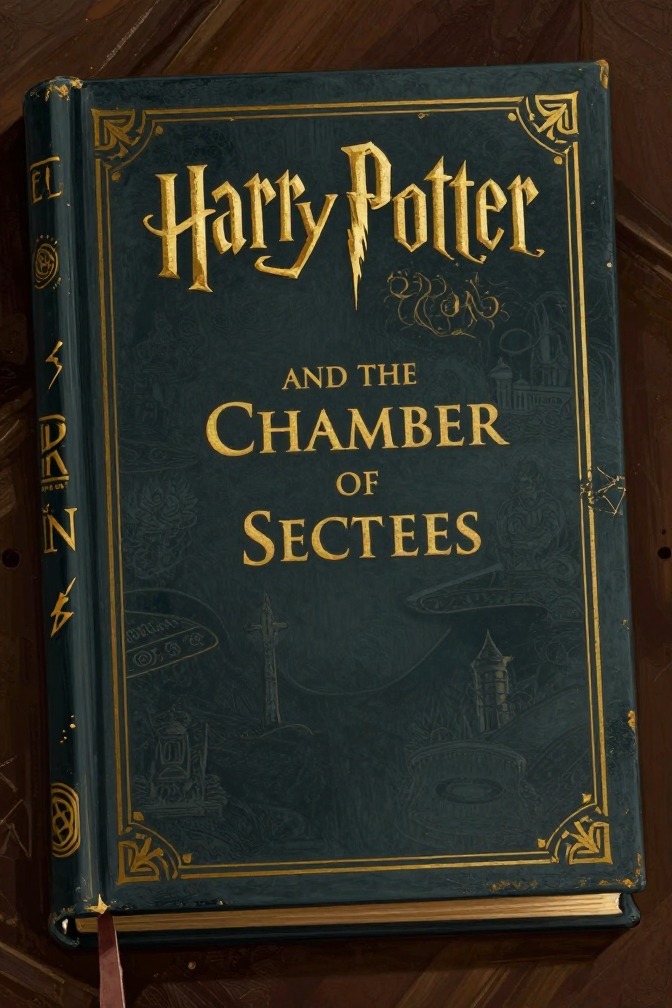
The Opening of the Chamber of Secrets is a pivotal state in Harry Potter and the Chamber of Secrets, marking the return of a legendary threat to Hogwarts. First announced by a mysterious message on a wall after the petrification of Mrs. Norris, the opening triggers a wave of fear, suspicion, and attacks on Muggle-born students, ultimately revealing the Chamber's existence as a real, recurring danger tied to the school's founder, Salazar Slytherin, and his hidden monster.
The Parseltongue ability is the rare magical power to speak and understand the language of snakes, a gift famously associated with Salazar Slytherin and inherited by his descendants. In Harry Potter and the Chamber of Secrets, this ability becomes a central plot device, marking Harry as a potential heir to Slytherin and ultimately revealing his deep, involuntary connection to Lord Voldemort.
The Quidditch match cancellation is a pivotal event in Harry Potter and the Chamber of Secrets, marking the escalation of the crisis at Hogwarts. When a double attack petrifies Hermione Granger and Penelope Clearwater, Professor McGonagall cancels the Gryffindor vs. Hufflepuff match mid-game, signaling that the threat of the Chamber of Secrets has overwhelmed normal school life and leading to a strict new lockdown.
The threat of Hogwarts closure is a recurring state of crisis in Harry Potter and the Chamber of Secrets, triggered by a series of attacks on Muggle-born students and culminating in the suspension of Albus Dumbledore and the arrest of Rubeus Hagrid. This threat underscores the school's vulnerability and the fragility of its protective community, ultimately resolved by Harry's defeat of the Basilisk and the exposure of Tom Riddle's diary.
The term at Hogwarts School of Witchcraft and Wizardry in Harry Potter's second year is a period of escalating terror and revelation, marked by the opening of the Chamber of Secrets, a series of petrifications, and the unmasking of Tom Riddle's diary as the instrument of a dark plot. It is a time when the school's stability is shattered, Dumbledore is suspended, Hagrid is arrested, and Harry, Ron, and Hermione must uncover the truth behind the attacks, culminating in a confrontation with the Basilisk and the destruction of the diary.
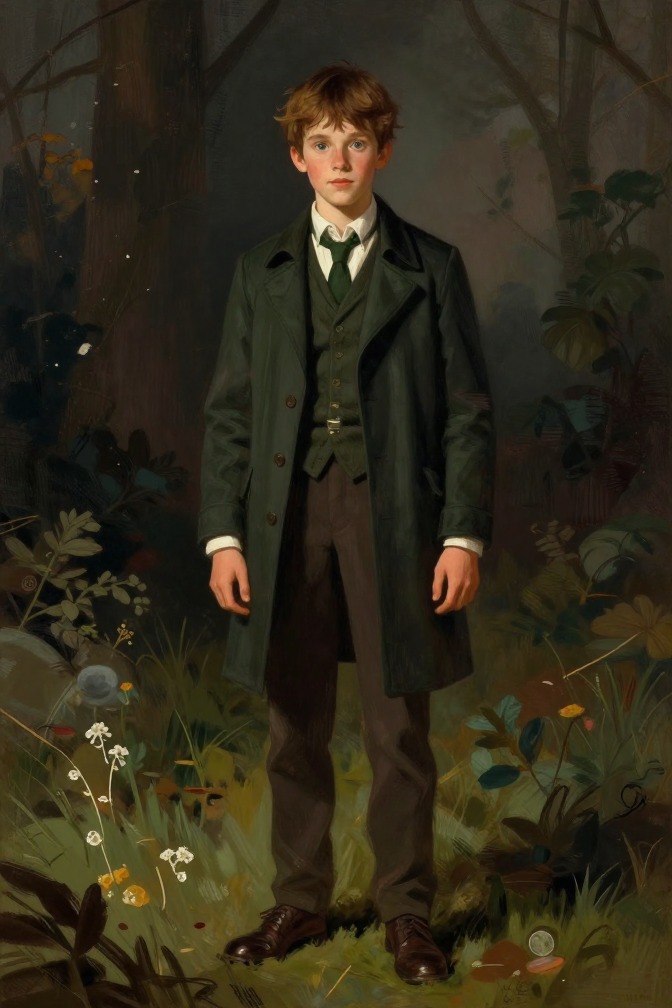
Colin Craven, the long-invalid son of Archibald Craven, stands upright for the first time in his life during a confrontation with Ben Weatherstaff in the secret garden, an act that shatters his own belief in his physical deformity and marks the decisive turning point in his recovery.
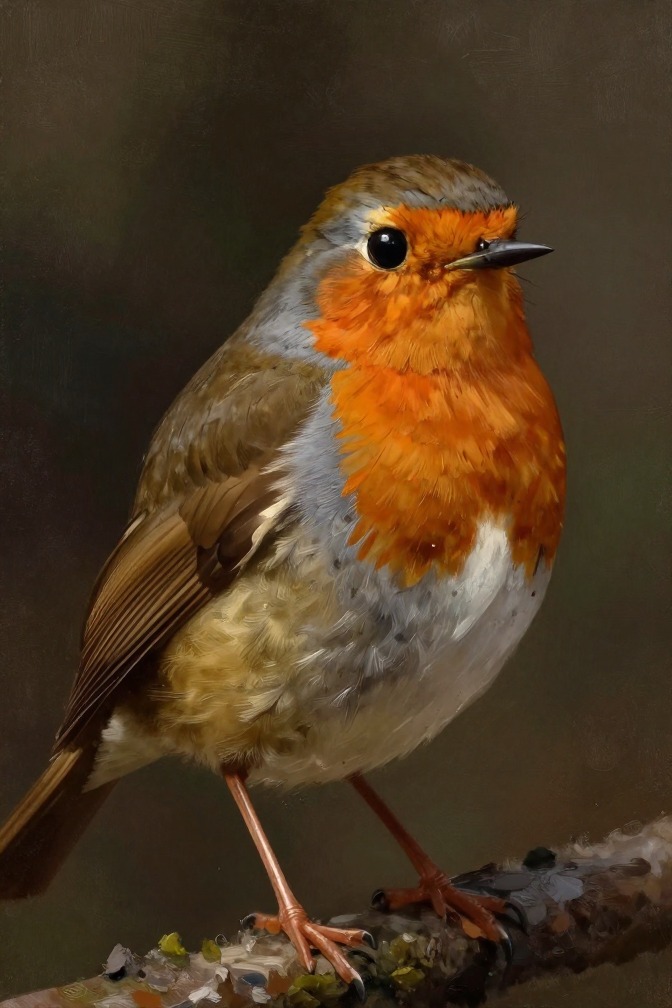
The Robin is a wild robin redbreast living in and around the secret garden at Misselthwaite Manor, who becomes the first living creature to befriend the lonely and contrary Mary Lennox after her arrival from India. Through its actions—showing her the buried key and the hidden door—the robin directly enables Mary's discovery of the secret garden, and its cheerful, curious nature serves as a catalyst for her emotional awakening and growing capacity for affection.
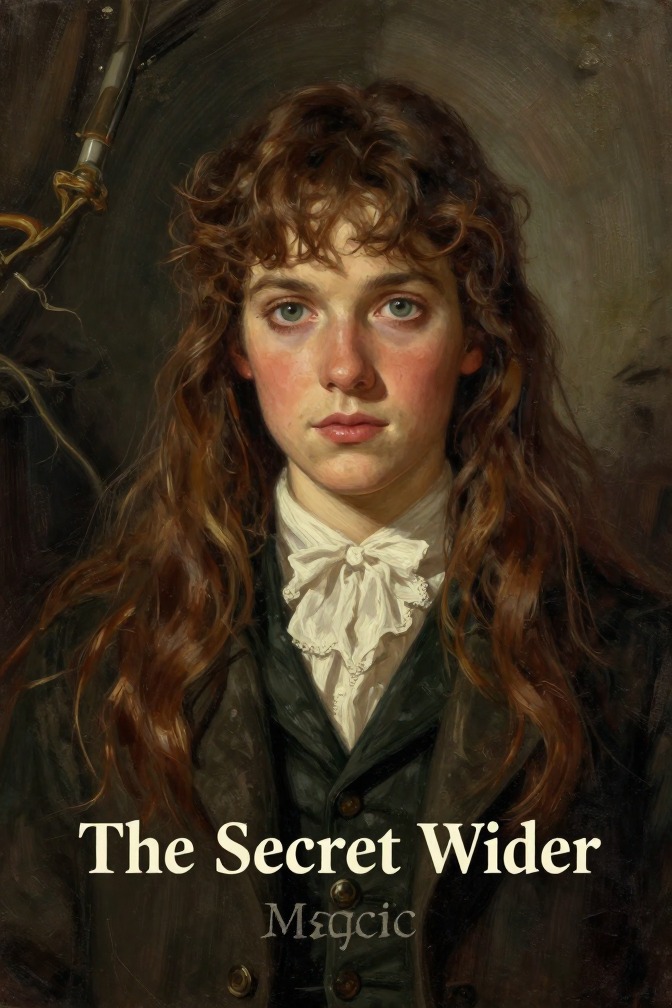
Magic is the central concept in The Secret Garden, representing the life-giving force that restores health and happiness to the children and the garden itself. It is a blend of natural vitality, positive thinking, and the mysterious power of nature, which Colin Craven elevates into a personal philosophy and a scientific experiment.
Kingsley Avenue is a street in the unnamed city of Anthony Burgess's *A Clockwork Orange*, serving as the location of Municipal Flatblock 18A, the home of Alex and his parents. It appears at two key moments: as the address Alex returns to after his night of violence in Part One, and as the street he walks down after his release from prison in Part Three, where he finds the flatblock's entrance hall cleaned up and the lift working—small signs of a changed world that contrast with his own unchanged status.
The A Clockwork Orange manuscript is the unfinished book written by F. Alexander, a writer whose home is invaded by Alex and his droogs. Alex tears up the pages and later, after undergoing the Ludovico Technique, returns to the cottage HOME, where F. Alexander recognizes him as a victim of the state and plans to use him as a political weapon against the government, while also harboring a growing suspicion that Alex was involved in his wife's rape and death.
The Durango 95 is a stolen automobile that serves as the gang's getaway vehicle during the night of ultra-violence in Part One of A Clockwork Orange, symbolizing the reckless mobility and predatory freedom of Alex and his droogs before his arrest and conditioning.
The Weekly Trumpet is the opposition newspaper that publishes F. Alexander's article denouncing the government's Ludovico Technique, using Alex as a living witness to galvanize public outrage before the general election.
The relationship between Alex and Dr. Brodsky is the central clinical encounter of the novel, in which the state psychiatrist subjects the young criminal to the Ludovico Technique, a conditioning treatment that forcibly suppresses his capacity for violence and, as a side effect, his love of music, thereby raising the novel's core ethical question about the nature of goodness and free will.
Alex and Pete are two members of the original four-droog gang that dominates the first part of A Clockwork Orange. Their relationship traces the arc from loyal follower to quiet dissenter to a final, poignant encounter that marks the end of Alex's youth.