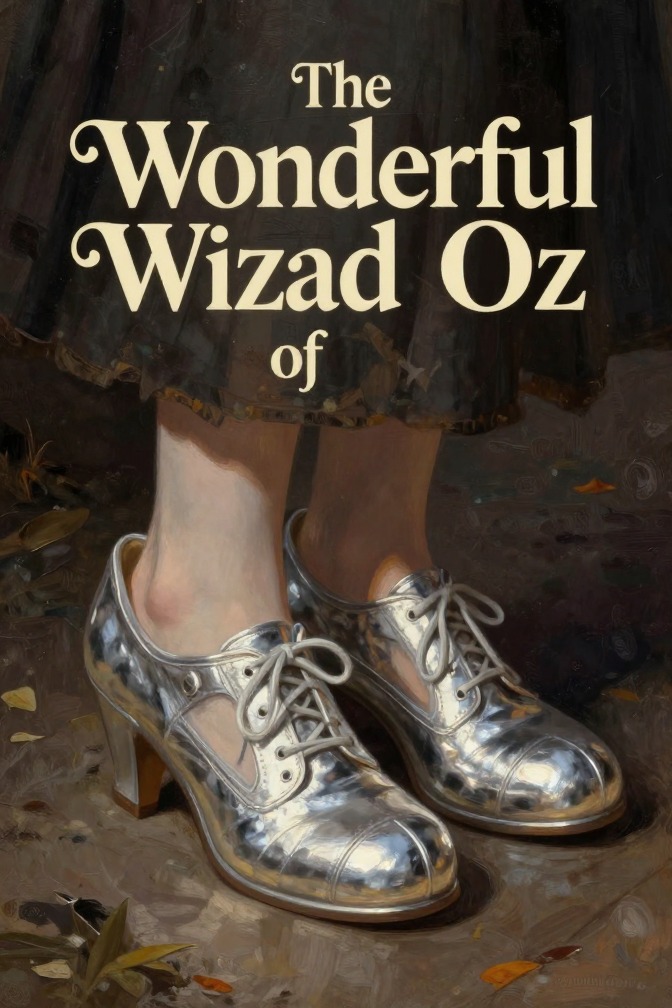
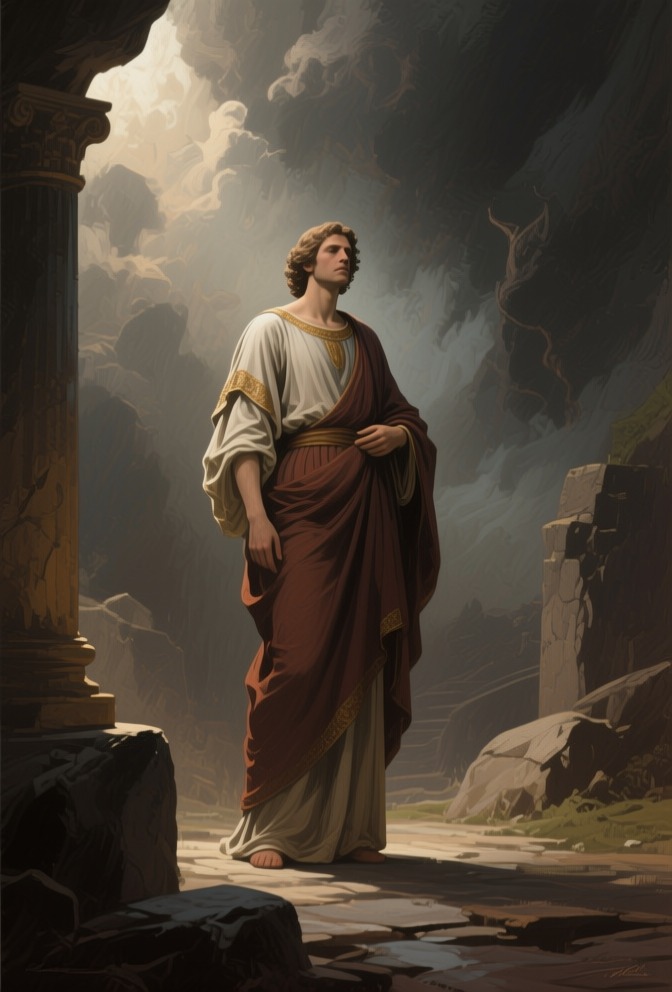
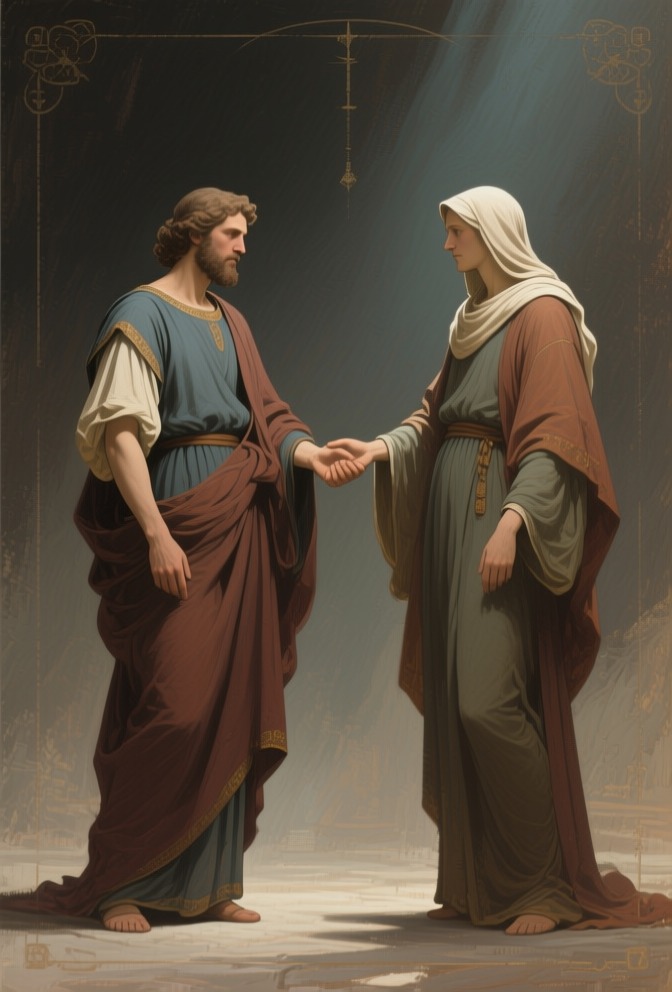
The Silver Shoes' Power is the magical property of the silver shoes Dorothy acquires from the Wicked Witch of the East, which can transport the wearer anywhere in the world in three steps, each step taken in the blink of an eye, by knocking the heels together three times and issuing a command.
Aunt Abby is a minor but symbolically significant Aunt at Ardua Hall, known for her mean and pompous demeanor, who is assigned to supervise the junior Supplicants during their menial tasks as a test of obedience.
Aunt Clover is a minor but symbolically significant character in The Testaments, an elderly Aunt who tends the herb gardens at Ardua Hall and is the first to discover the incapacitated Aunt Vidala behind Aunt Lydia's statue, an event that triggers the final crisis of the narrative.
Aunt Silhouette is a minor, silent Aunt at Ardua Hall who appears briefly to deliver warm milk to the newly arrived Agnes Jemima, embodying the impersonal, obedient, and slightly ominous nature of the Aunts' collective authority.
Mr. William is the dental assistant to Dr. Grove, the dentist who molests Agnes Jemima during her checkup. He appears in two key scenes: first as the silent, knowing witness to the assault, and later as the key witness who testifies against Dr. Grove at his trial, helping to bring about the dentist's execution.
Shunammite is a childhood friend and schoolmate of Agnes Jemima in Gilead, whose competitive, gossipy, and status-conscious nature makes her a foil to Agnes and a vehicle for revealing the social hierarchies and cruelties of the Vidala School.
Tabitha is the adoptive mother of Agnes Jemima, a Commander's Wife who rescues Agnes from a castle of wicked witches in a fairy tale she tells to comfort and protect her, and whose love and eventual death from illness shape Agnes's early life and later decisions.
Becka, who became the Supplicant Aunt Immortelle, died by drowning herself in the rooftop water cistern of Ardua Hall, a willing sacrifice to enable the escape of her friends Agnes and Nicole from Gilead.
The Ba'al Purge was the violent internal conflict that thinned the ranks of Gilead's elite class, weakened the regime, and instigated a military putsch and popular revolt, ultimately leading to the collapse of Gilead. It was triggered by the release of a microdot containing discreditable personal secrets about high-level officials, smuggled out of Gilead by the half-sister Nicole.
Aunt Vidala and Aunt Lydia are two of the four Founding Aunts of Gilead, locked in a decades-long struggle for power and control within Ardua Hall. Their relationship is defined by mutual suspicion, ideological conflict, and a relentless strategic game, with Aunt Lydia ultimately outmaneuvering her rival through superior cunning and the accumulation of secret knowledge.
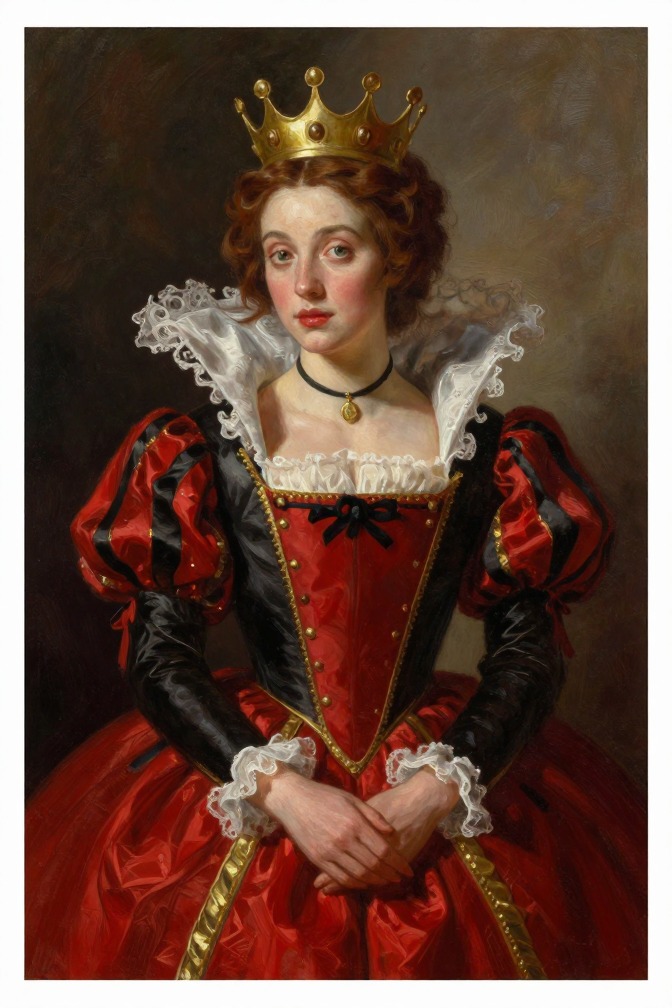
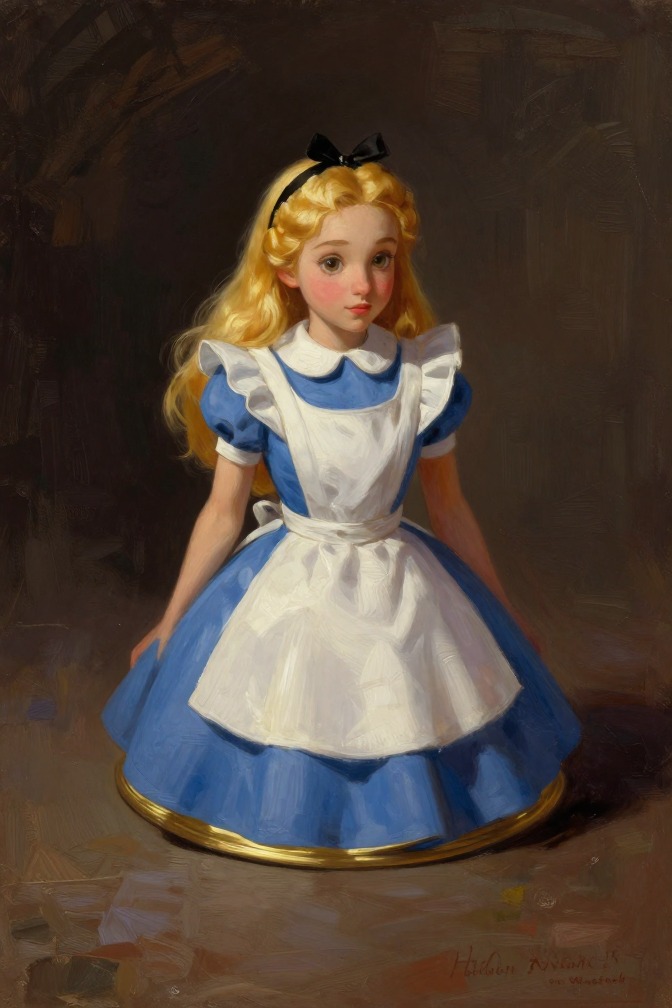
The Queen of Hearts is the tyrannical monarch of Wonderland whose defining characteristic is her immediate and arbitrary order to behead anyone who displeases her, embodying the absurd and threatening nature of the authority Alice encounters.
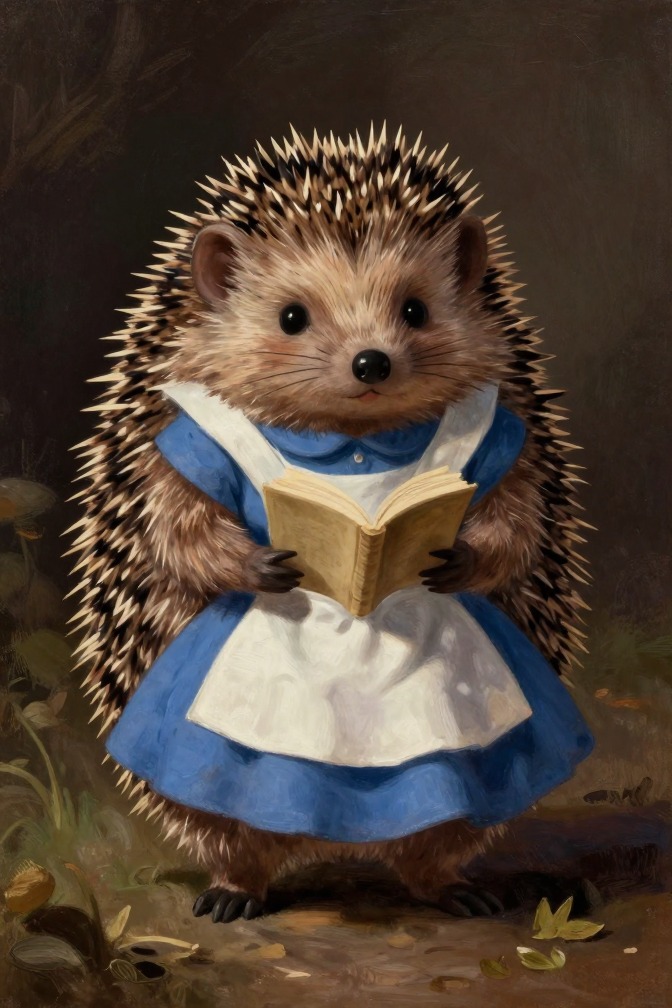
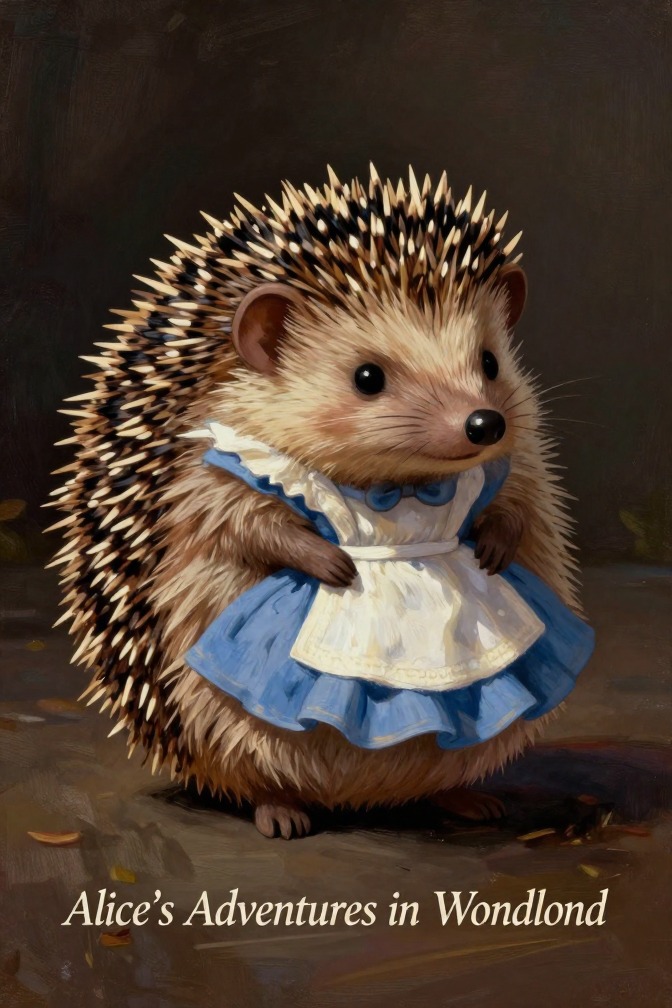
The Hedgehog appears in Wonderland as a living croquet ball during the Queen of Hearts' chaotic game, embodying the absurdity of a world where animals serve as sporting equipment and the rules of reality are constantly overturned.
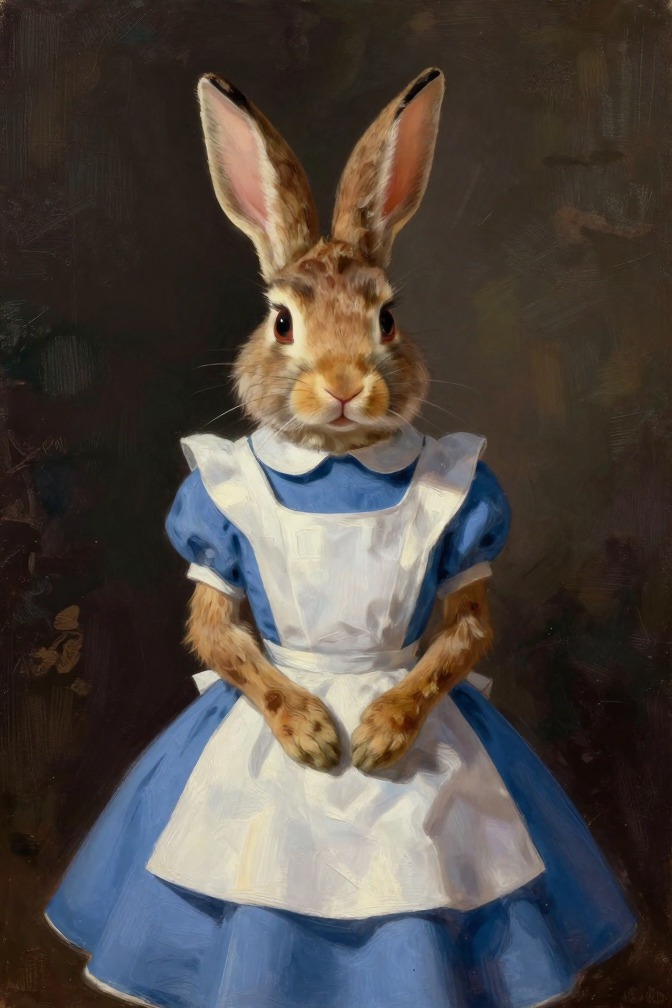
The White Rabbit is the first Wonderland creature Alice encounters and the catalyst for her entire adventure; his frantic, time-obsessed behavior and servile position within the Queen of Hearts' court establish the dream-world's ruling logic of arbitrary authority and perpetual haste.
The sea school is the underwater educational institution attended by the Mock Turtle during his youth, as described in his story to Alice. It is a parodic inversion of a Victorian school, where the curriculum consists of absurd subjects such as Reeling and Writhing, Ambition, Distraction, Uglification, and Derision, and where the teachers are sea creatures with comically literal names. The school serves as a satirical commentary on the rigid and often nonsensical nature of formal education, and its description deepens the Mock Turtle's character as a sentimental, melancholic figure nostalgic for a past that is itself a joke.
The shore is the site where Alice and the animals emerge from the pool of tears, marking a transition from chaotic submersion to the absurd social rituals of Wonderland, and it recurs as a symbolic boundary between the sea-world of the Mock Turtle and Gryphon and the land-based court.
The Hedgehog ball is one of the live croquet balls used in the Queen of Hearts' croquet game, a central object in the chaotic Wonderland sport that embodies the absurdity and danger of the Queen's court.
The thimble prize is a seemingly trivial object that becomes the central token of the Caucus-race, a ritual organized by the Dodo to dry the soaked party. Its ceremonial presentation transforms a humble sewing tool into a symbol of communal absurdity, social obligation, and the arbitrary logic that governs Wonderland's reward systems.
The Unlabeled magic bottle is a mysterious potion found in the White Rabbit's house that causes Alice to grow uncontrollably to an enormous size, trapping her inside the room and forcing her to rely on other magical objects to escape.
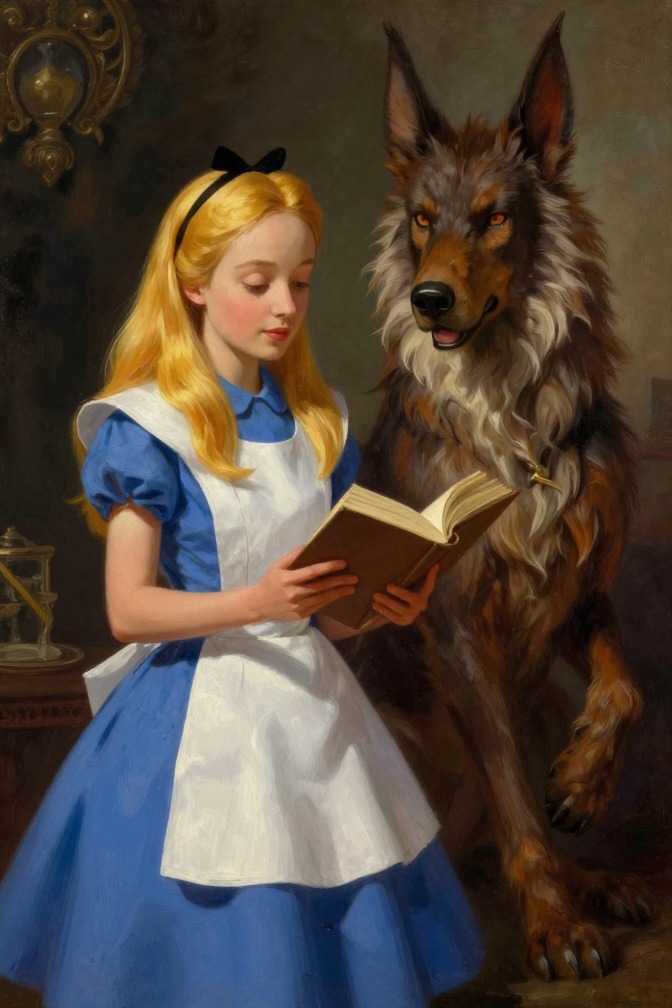
The Gryphon serves as Alice's guide and companion during the latter part of her Wonderland journey, introducing her to the Mock Turtle and the trial, while embodying a playful yet authoritative figure who both mocks the Queen's threats and enforces the absurd logic of the dream world.
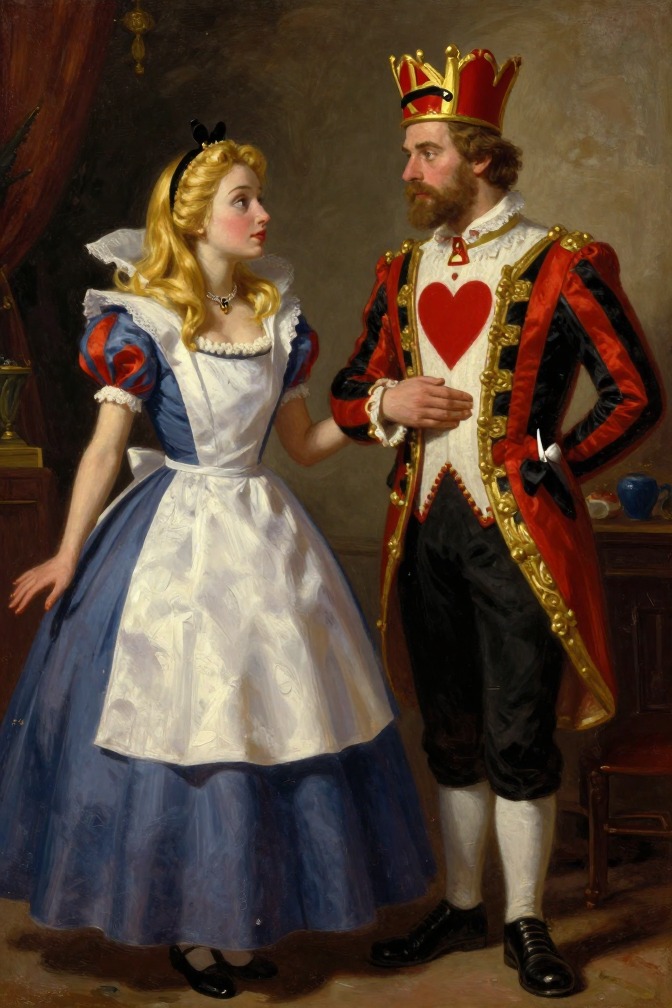
The Queen and the King of Hearts rule Wonderland as a married couple whose relationship is defined by the Queen's absolute dominance and the King's timid, ineffectual attempts to temper her violent impulses, a dynamic that drives the story's central conflict between arbitrary power and reasoned resistance.
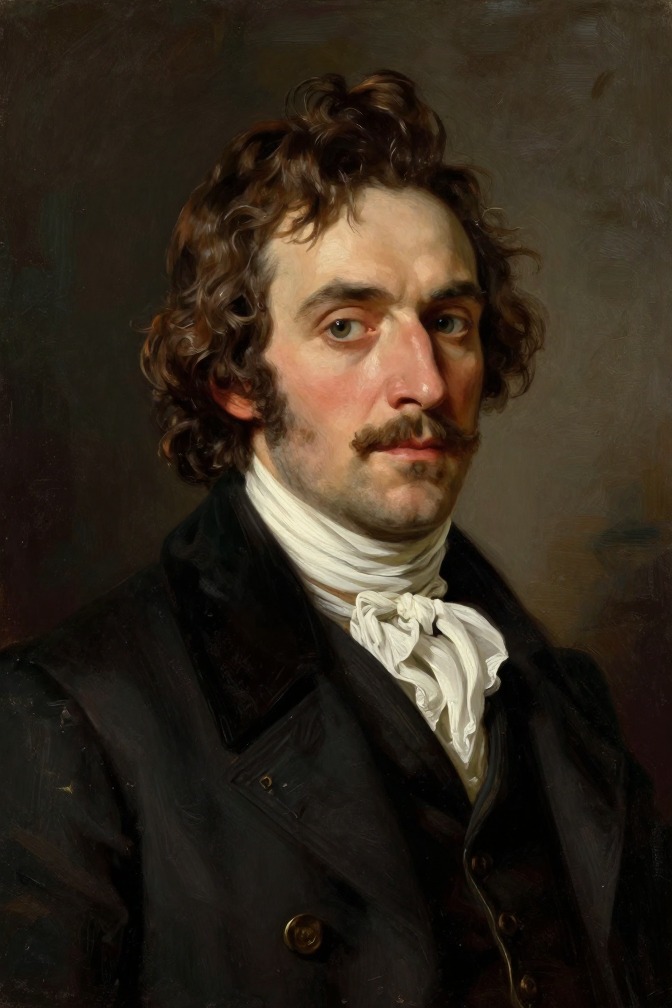
Jean-Baptiste Clamence is the narrator and protagonist of Albert Camus's novel *The Fall*, a former Parisian lawyer who reinvents himself as a "judge-penitent" in an Amsterdam bar called Mexico City, embodying the novel's central themes of guilt, judgment, and the impossibility of innocence.
Amsterdam, the Dutch capital where Jean-Baptiste Clamence has exiled himself, functions in *The Fall* as a symbolic landscape of moral stagnation, judgment, and the last circle of a middle-class hell. Its concentric canals, fog, and stagnant waters mirror Clamence's own psychological state and his self-appointed role as a judge-penitent who preaches in the Mexico City bar.
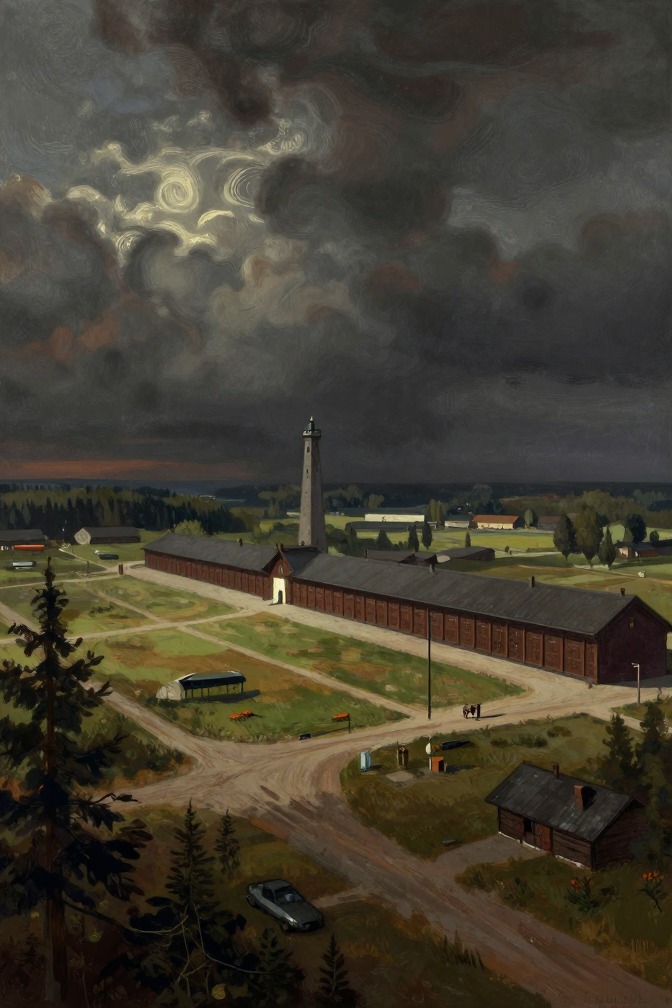
Buchenwald is a Nazi concentration camp that serves in Jean-Baptiste Clamence's narrative as the ultimate symbol of systematized atrocity and the inescapable guilt of the modern era, a place whose methodical horror he both admires and uses to frame his own moral philosophy.
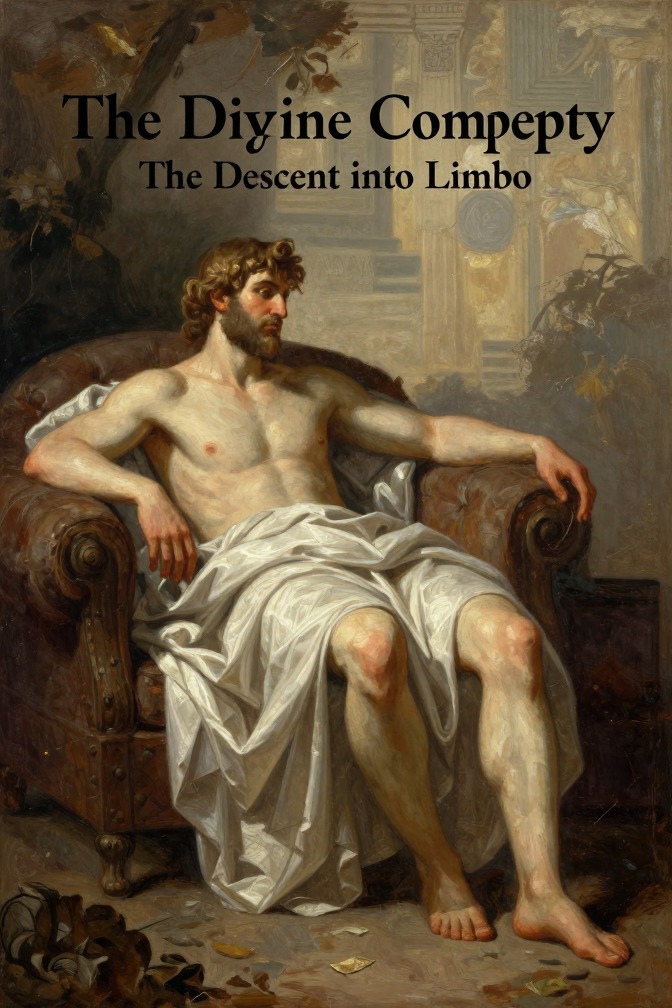
The Descent into Limbo is the first major stage of Dante Alighieri's journey through Hell, where he and his guide Virgil enter the First Circle and encounter the souls of virtuous pagans and unbaptized infants who live forever in desire without hope.
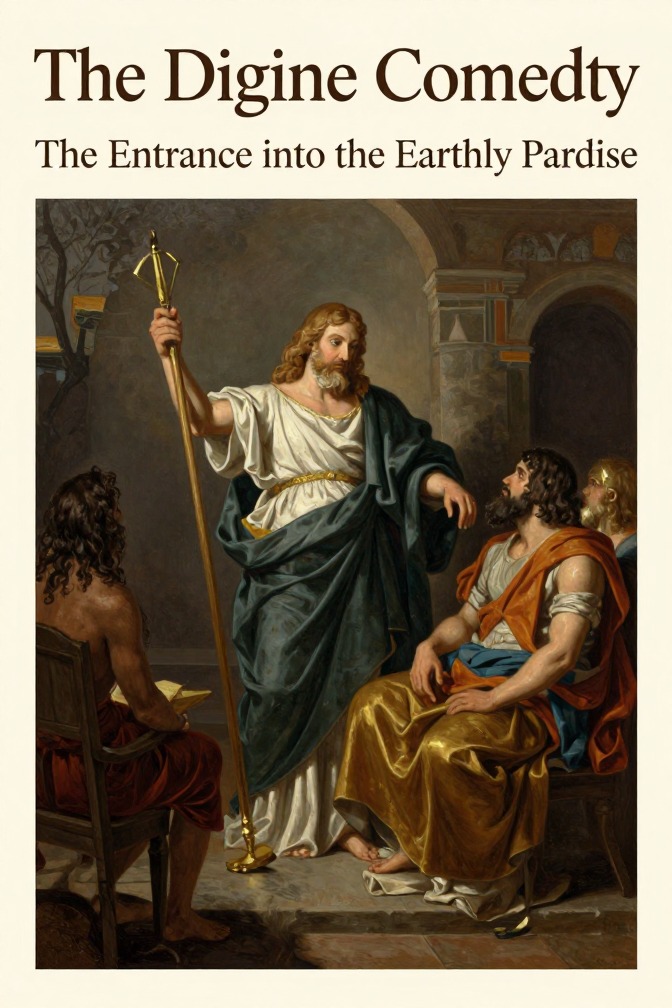
The Entrance into the Earthly Paradise marks the culmination of Dante's ascent of Mount Purgatory, where he leaves behind the purgatorial disciplines and enters the primordial garden of innocence that was humanity's first home. This event is the decisive threshold between the penitential journey and the direct preparation for the vision of God, and it introduces the figure of Matilda, who explains the nature of this sacred place and its rivers, Lethe and Eunoe.
The Examination on Faith is a pivotal event in Paradiso, Cantos XXIV, where the Apostle St. Peter examines Dante on the theological virtue of Faith before the assembled court of Heaven, testing his understanding and personal conviction as a prerequisite for his continued ascent toward the Beatific Vision.
Belacqua is a minor but memorable figure in Dante Alighieri's Purgatorio, encountered among the Negligent—those who postponed repentance until the last hour—on the lower slopes of Mount Purgatory. His extreme sloth, manifested in a seated posture with knees embraced and head bowed, and his laconic, almost sardonic speech, make him a vivid emblem of the spiritual inertia that the entire mountain exists to correct. Though he appears only briefly, Belacqua's exchange with Dante crystallizes the Purgatorial logic of waiting, the role of intercessory prayer, and the sharp contrast between the pilgrim's urgent ascent and the penitent's resigned stillness.
Casella is a Florentine musician and friend of Dante Alighieri, encountered by the poet on the shores of Mount Purgatory shortly after his arrival. His brief but deeply affecting appearance in Purgatorio Canto II serves as a poignant meditation on the power of art, the nature of friendship, and the soul's readiness for the purgatorial journey, as his singing of a love song momentarily halts the entire company of penitent souls before the stern reproof of Cato of Utica.
Cunizza da Romano is a blessed spirit in the Heaven of Venus in Dante's Paradiso, who recounts her past life of amorous passion and her present joyful acceptance of divine will, while also delivering a prophecy of political turmoil in the Marca Trevigiana.
Friar Gomita is a damned soul in the eighth circle of Hell, punished among the barrators in the fifth bolgia of Malebolge, where he is submerged in boiling pitch. A Sardinian from Gallura, he served as a trusted official under his lord but abused his position by taking bribes to release prisoners, embodying the sin of barratry—the corrupt sale of public office and justice. His presence in the narrative illustrates Dante's condemnation of political corruption and the betrayal of public trust, and his brief appearance provides a vivid example of the contrapasso that punishes fraudulent officials.