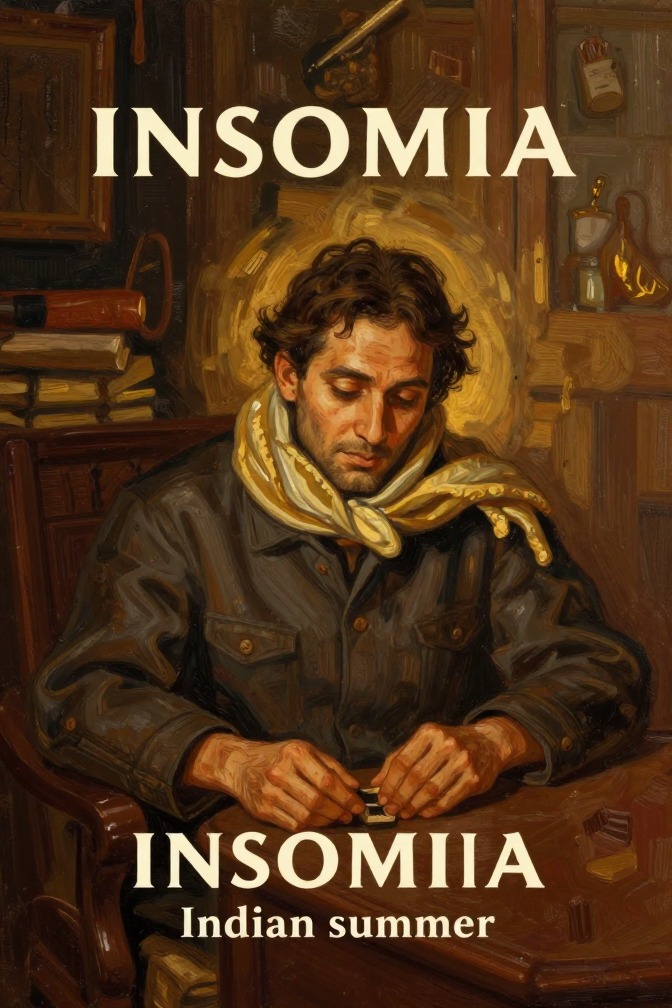
Hyper-reality is the heightened perceptual state that Ralph Roberts and Lois Chasse enter as a result of their insomnia, allowing them to see auras, balloon-strings, and supernatural entities like the Little Bald Doctors. This state, first named by pharmacist Joe Wyzer, becomes the central mechanism through which they perceive the hidden dimensions of Derry and ultimately intervene in the cosmic conflict between the Purpose and the Random.
The phrase "I can't see your hands" is a cryptic warning uttered by Dorrance Marstellar during Ralph Roberts's first confrontation with Ed Deepneau's violent madness in the summer of 1992, and it recurs as a haunting echo of the invisible, supernatural forces at work in Derry. It marks the moment when a seemingly senile old man perceives a dimension of reality—the world of auras and life-cords—that Ralph himself will only fully understand years later, and it foreshadows the lethal danger of touching a person whose life has already been claimed by the Random.
The deathwatch is a recurring auditory and symbolic motif in Stephen King's Insomnia, representing the protagonist Ralph Roberts's growing awareness of mortality. It first manifests as a ticking sound that Ralph hears emanating from his dying wife Carolyn, then later from the walls of his home, and finally from within himself as his own death approaches. The deathwatch functions as a supernatural barometer of life's remaining time, a constant companion to Ralph's insomnia, and a bridge between the ordinary world and the heightened perception of auras and hyper-reality that he comes to experience.
The children's skipping rhyme 'Three-six-nine, the goose drank wine' recurs throughout Stephen King's *Insomnia* as a sinister auditory motif, first chanted by a little girl jumping rope and later associated with the malevolent entity Atropos, who uses it to taunt Ralph Roberts and Lois Chasse. The rhyme marks Atropos's presence, his predatory intent, and his connection to the random, senseless deaths he orchestrates, becoming a verbal signature of the novel's exploration of fate, madness, and the thin line between childhood innocence and cosmic horror.
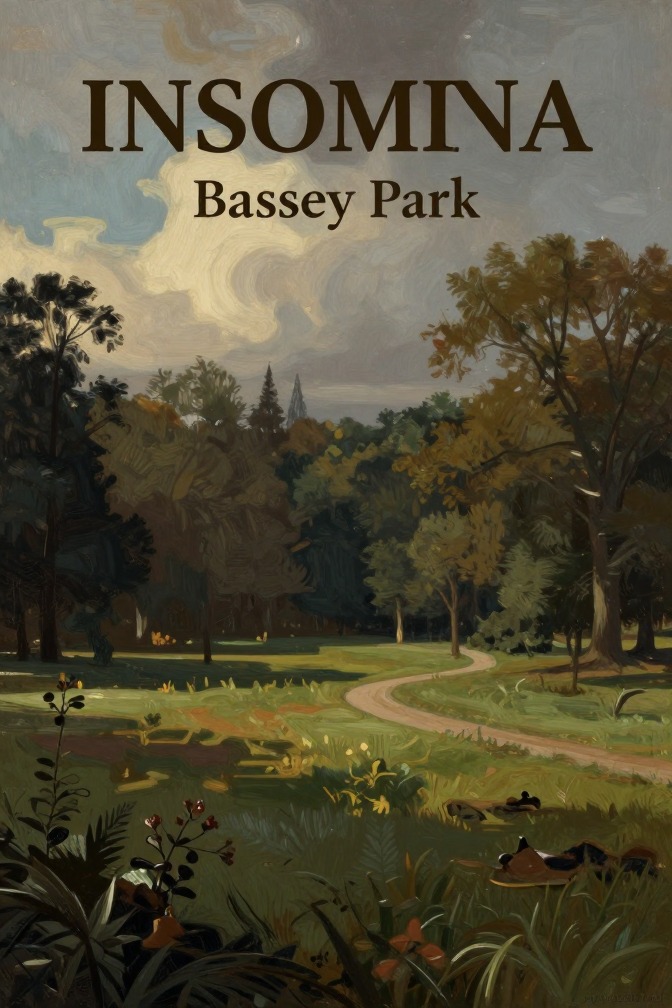
Bassey Park is a Derry public park that serves as a key location in the novel, functioning as a boundary between the ordinary world and the supernatural events that unfold. It is the site where Ralph Roberts and Lois Chasse first confront the rogue entity Atropos, and later where Ralph makes his final sacrifice to save Natalie Deepneau. The park's racetrack and Portosans become portals to other levels of reality, marking it as a liminal space where the fabric of the Short-Time world is thinnest.
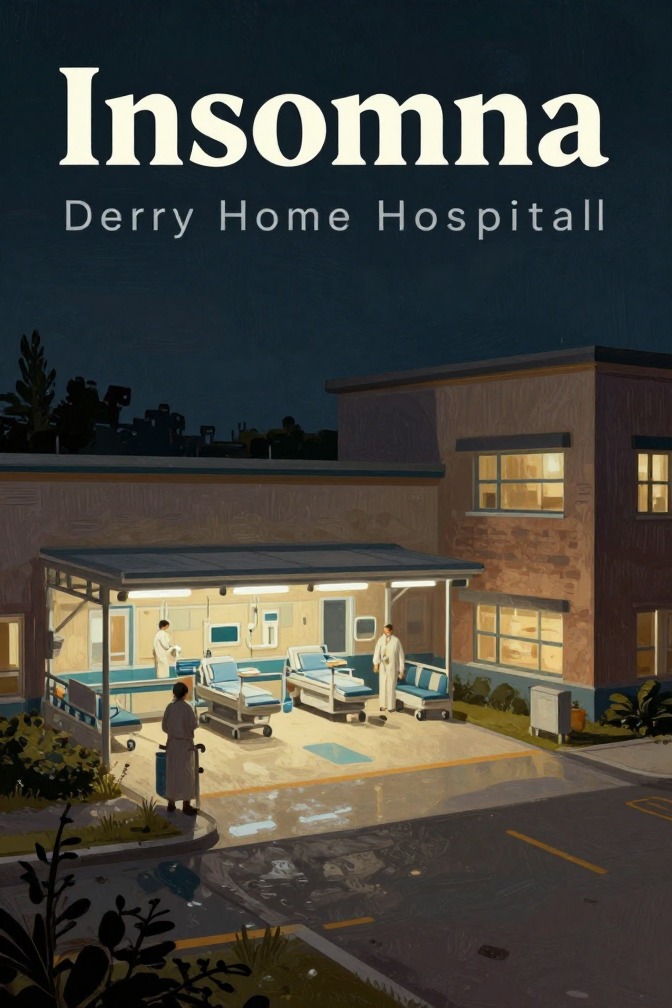
Derry Home Hospital ICU is the intensive care unit where several pivotal deaths and supernatural encounters occur in Stephen King's Insomnia. It is the site of Carolyn Roberts' final illness and death, the death of Jimmy Vandermeer (witnessed by Ralph and Lois as Clotho and Lachesis cut his life-cord), the lingering death of Bob Polhurst, and the fatal heart attack of Bill McGovern. More than a medical setting, the ICU becomes a threshold between the Short-Time world and the Long-Time realm of the little bald doctors, where Ralph and Lois first meet Clotho and Lachesis and receive their mission to stop Ed Deepneau's planned mass murder at the Civic Center.
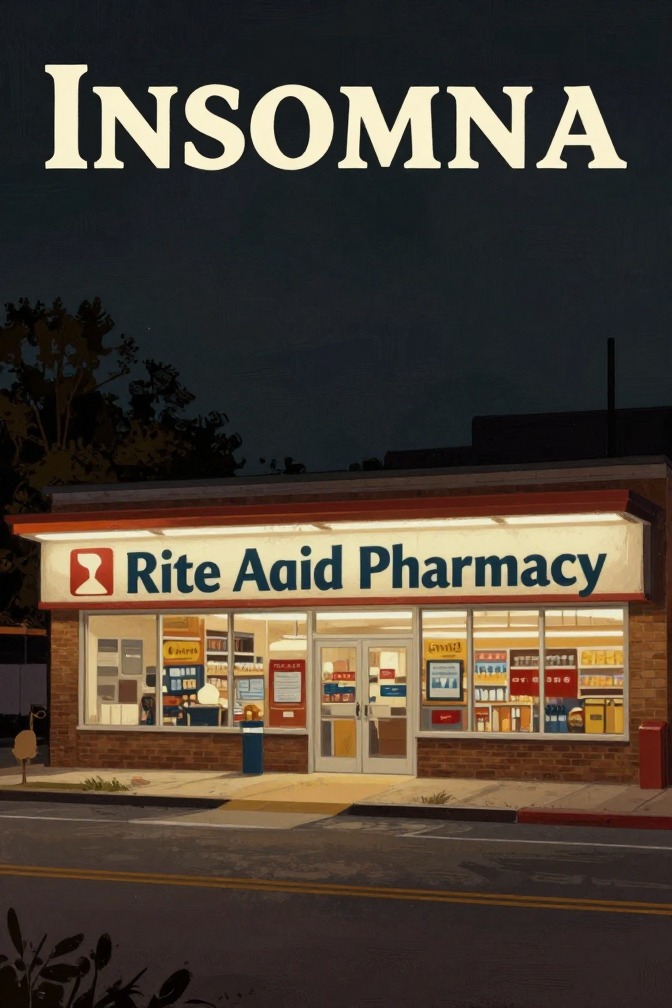
The Rite Aid Pharmacy on Witcham Street in Derry, Maine, serves as a pivotal location where Ralph Roberts, suffering from worsening insomnia, meets pharmacist Joe Wyzer. This encounter leads to a crucial conversation about sleep disorders, the nature of hyper-reality, and the dangers of prescription sedatives, ultimately steering Ralph toward alternative treatments and setting the stage for his deeper immersion into the world of auras and the supernatural conflict that follows.
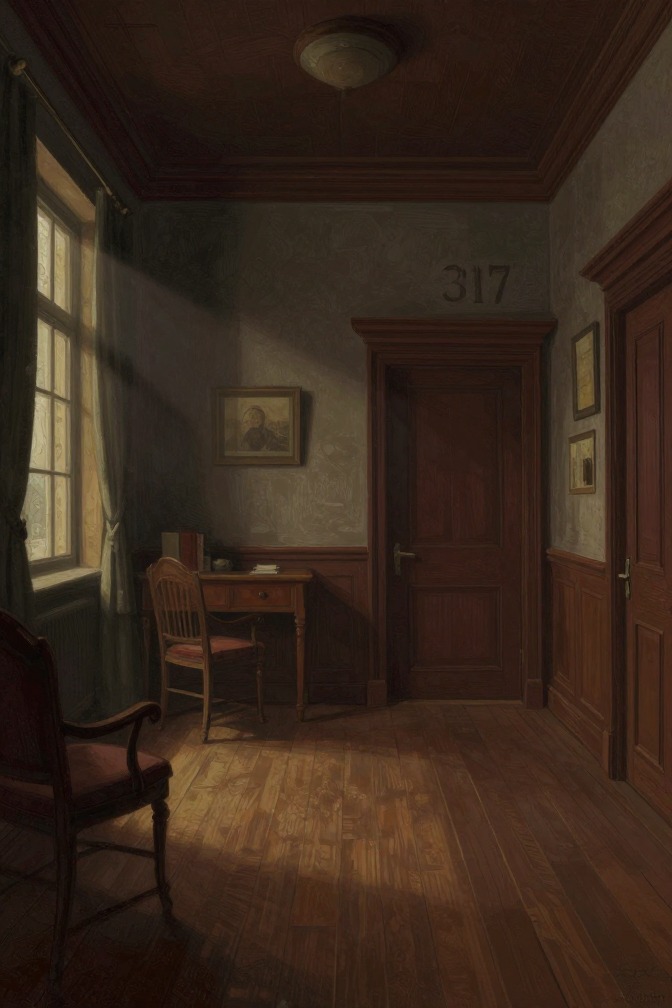
Room 317 at Derry Home Hospital is the room where Carolyn Roberts died of a brain tumor in March 1993, and it becomes the site where Ralph Roberts later confronts the bald doctors Clotho and Lachesis, who reveal themselves as agents of purposeful death.
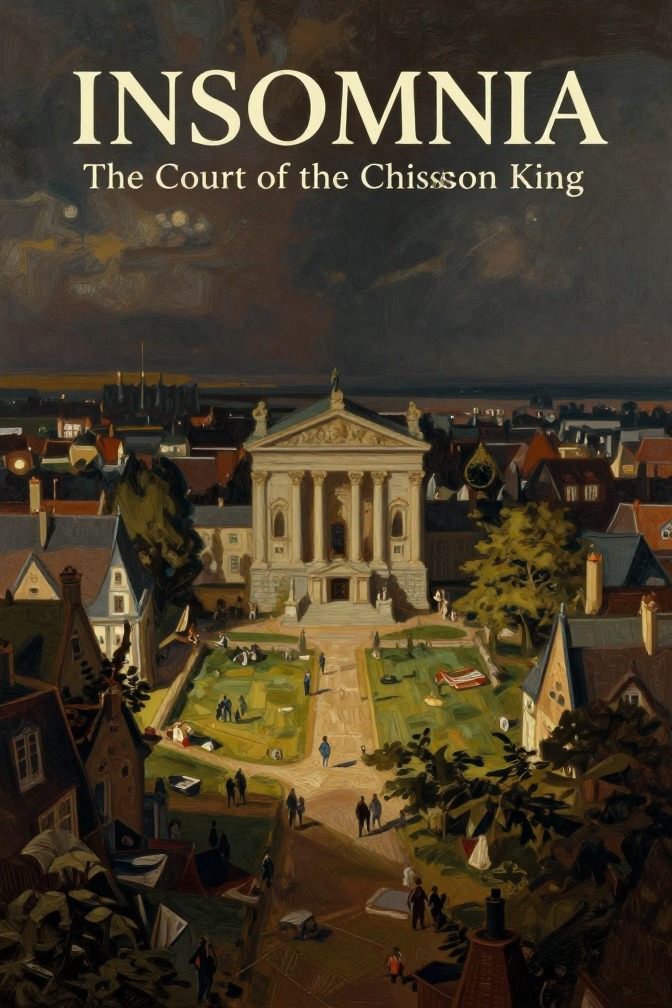
The Court of the Crimson King is a metaphysical realm of pure malevolence, the seat of a cosmic entity that Ed Deepneau serves and that Ralph Roberts must confront. It manifests as a psychological trap that weaponizes Ralph's deepest fears, using the guise of his dead mother and a childhood trauma to paralyze him. Ralph ultimately escapes by recognizing the illusion and using Lois Chasse's earring as a weapon, forcing the entity to retreat through a conduit to higher levels of existence.
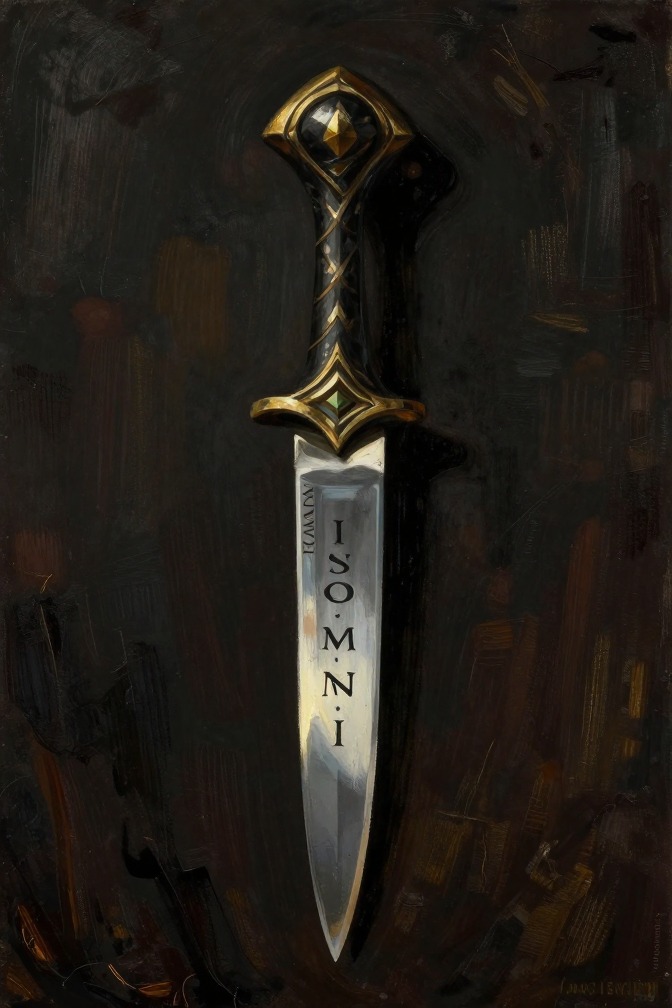
Atropos's Scalpel is the rusty, straight-razor-like weapon carried by the rogue entity Atropos, the third of the 'little bald doctors' who serves the Random. It is the instrument through which Atropos severs the life-cords (balloon-strings) of living beings, causing their deaths, and it becomes a central object in Ralph Roberts's final confrontation with the creature.
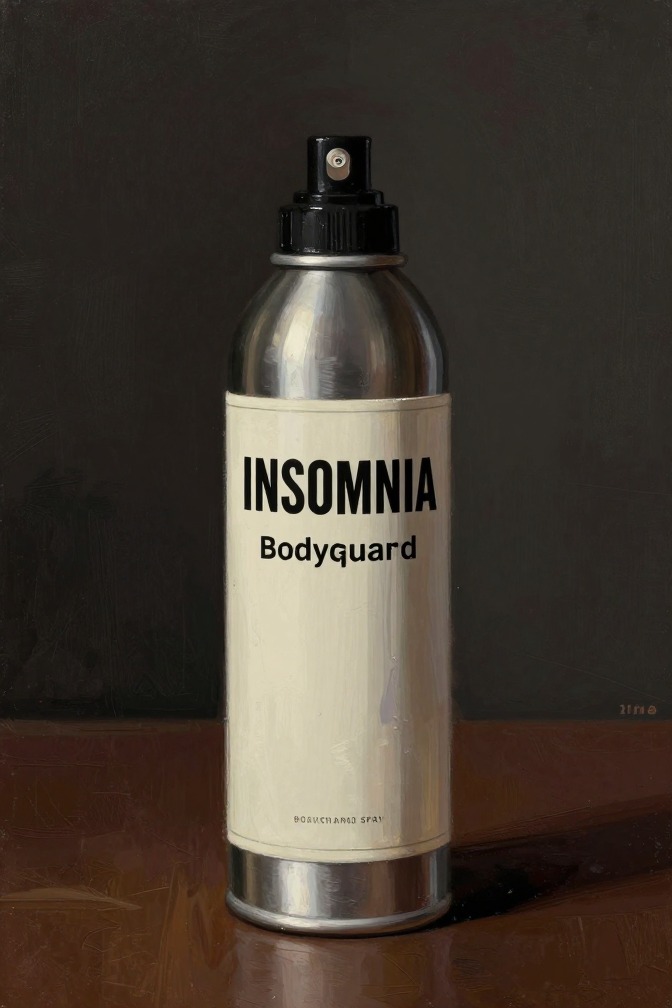
The Bodyguard Spray is a canister of watered-down teargas given to Ralph Roberts by Gretchen Tillbury of WomanCare as a defensive measure after he is named a Centurion by Ed Deepneau's radical faction. It becomes a decisive tool when Charlie Pickering attacks Ralph in the Derry Public Library, allowing the elderly insomniac to disable his assailant and escape serious injury.
Cemetery Nights, a poetry collection by Stephen Dobyns, functions as a crucial talisman and philosophical touchstone within Stephen King's novel Insomnia. Given to the protagonist Ralph Roberts by the enigmatic Dorrance Marstellar, the book's poems—particularly 'Pursuit'—provide a resonant framework for understanding Ralph's accelerating journey toward death, sacrifice, and the relentless passage of time. The volume's presence in the narrative underscores the themes of rushing through life, the inevitability of fate, and the search for meaning in the face of mortality, linking Ralph's personal ordeal to a larger, poetic vision of existence.
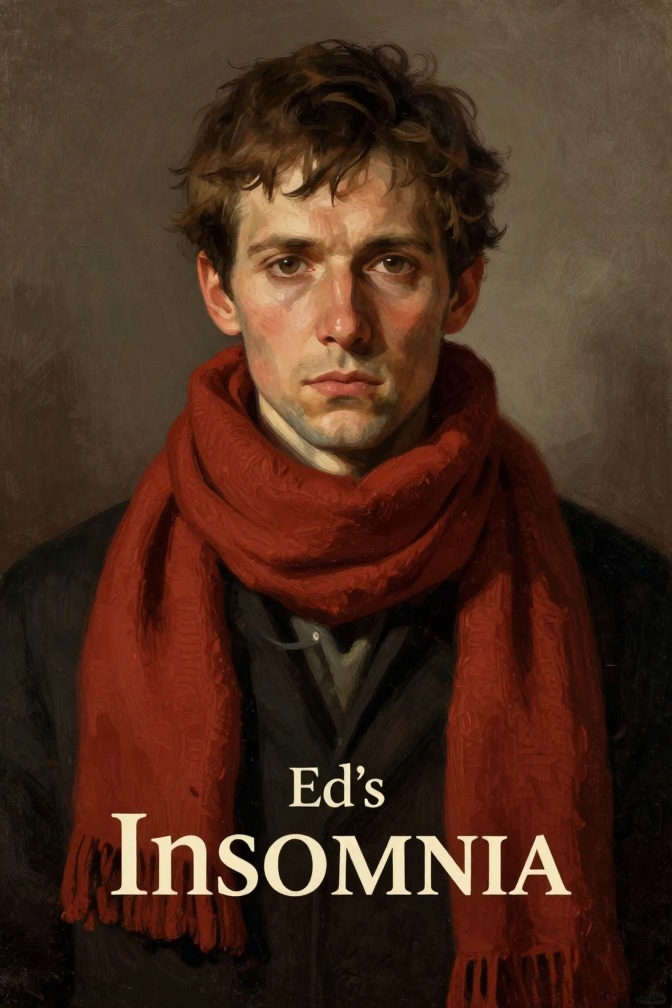
Ed's Scarf is a white silk scarf embroidered with red Japanese characters that Ed Deepneau wears during his road rage incident in July 1992 and later ties around his forehead as a kamikaze headband during his final suicide flight. The scarf serves as a tangible link between Ed's escalating madness, his adoption of a kamikaze identity, and the supernatural forces—specifically Atropos and the Crimson King—that manipulate him toward mass murder.
Lois's Diamond Earrings are a pair of Christmas gifts from her son Harold and daughter-in-law Janet that become a central token in the supernatural conflict between Ralph Roberts, Lois Chasse, and the rogue entity Atropos. Stolen by Janet in a fit of spite, then taken by Atropos as a trophy, the earrings ultimately serve as a weapon against the Crimson King and as a symbol of Lois's reclaimed agency and her bond with Ralph.
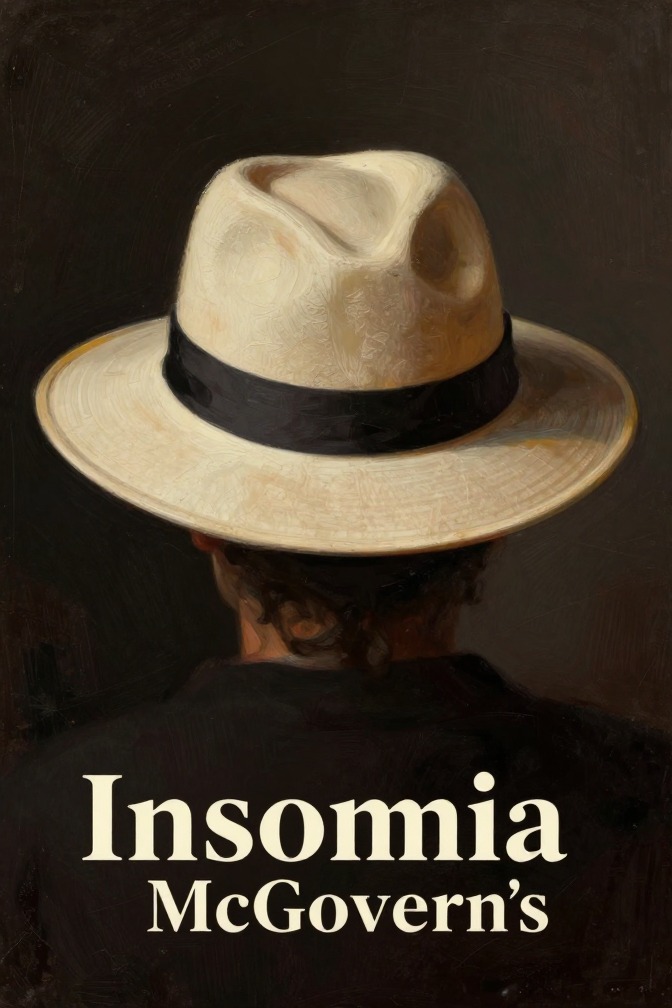
Bill McGovern's Panama hat is a recurring object that marks his character, his vulnerability, and his eventual death. Lost early in the story, the hat is found in the possession of Atropos, the rogue agent of Random death, who wears it as a trophy and later bites a crescent from its brim. The hat's journey from a beloved accessory to a defiled token of murder underscores the novel's themes of aging, loss, and the violation of ordinary life by supernatural forces.
The Photo of Helen and Natalie is a small, crumpled snapshot that Ed Deepneau taped to the instrument panel of his Cherokee airplane during his kamikaze mission against the Derry Civic Center. It depicts Helen holding a sleeping infant Natalie, and it served as Ed's final emotional anchor, the last thing he intended to see before his suicide attack. Ralph Roberts seized the photograph mid-flight to distract Ed, and the picture's power to break Ed's focus proved crucial in averting a mass-casualty event. Afterward, Ralph discarded the photo, and it was blown away by the wind, symbolizing the severing of Ed's destructive obsession.
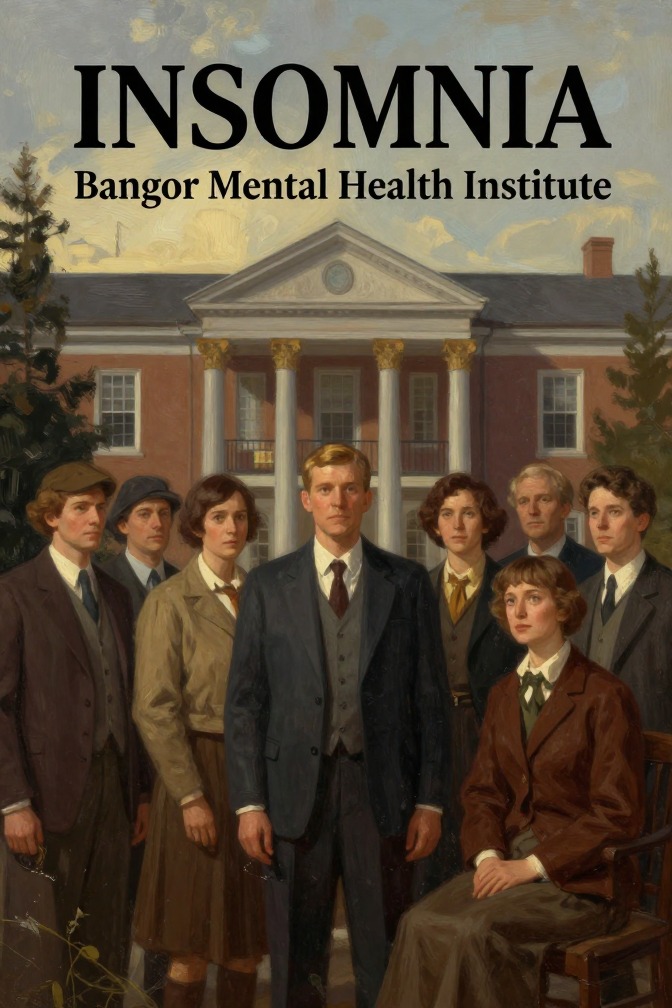
Bangor Mental Health Institute is a psychiatric facility in Maine where Charlie Pickering, a mentally unstable anti-abortion extremist, has been repeatedly institutionalized. The institute represents the failure of the mental health system to contain a dangerous individual who, after his release, attempts to murder Ralph Roberts and later participates in the deadly assault on High Ridge.
The Harris Avenue Old Crocks are a loose, informal group of elderly men who gather at a picnic area near the Derry County Airport's Runway 3, passing their days with chess, cards, and conversation. They represent the hidden social geography of Derry's senior citizens, a community largely invisible to the working world, and their gatherings serve as a backdrop for key events in Ralph Roberts's life, including his first encounter with Ed Deepneau's madness and the escalating tensions over Susan Day's visit.
The friendship between Ralph Roberts and Joe Wyzer begins when Ralph, desperate for a cure for his insomnia, visits the Rite Aid Pharmacy and meets the candid, knowledgeable pharmacist. Joe immediately recognizes Ralph's condition, dismisses over-the-counter sleep aids as useless for a premature waker, and instead offers genuine concern, practical advice, and a referral to an acupuncturist. Their bond deepens through shared experience—Joe himself suffers from insomnia—and is cemented by Joe's offer of his personal phone number for emergencies. Years later, Joe serves as Ralph's best man at his wedding to Lois Chasse, and the friendship endures as a source of steady, unpretentious support through the extraordinary events of Ralph's final years.
The friendship between Ralph Roberts and Bill McGovern is a central relationship in Stephen King's *Insomnia*, defined by decades of shared history, mutual concern, and a final, tragic rupture over Ralph's supernatural experiences. Their bond, forged as neighbors and companions in the Derry of the Old Crocks, is tested by Ralph's insomnia and the bizarre events it precipitates, culminating in a bitter argument that leaves Ralph isolated just before Bill's sudden death.
Atropos, the rogue 'little bald doctor' who serves the Random, exerts a profound and corrupting influence on Ed Deepneau, transforming a troubled research chemist into a delusional fanatic bent on mass murder. By severing Ed's life-cord and feeding his pre-existing paranoia with visions of the Crimson King and a cosmic conspiracy of 'Centurions,' Atropos turns Ed into a guided missile aimed at the Civic Center, where Susan Day is to speak. This influence is the central engine of the novel's plot, driving Ed's escalating violence, his break from reality, and the apocalyptic threat that Ralph and Lois must confront.
The partnership between Clotho and Lachesis is the central dyad of the Purpose, two ancient, bald, white-smocked beings who serve as the physicians of last resort, cutting the life-cords of those whose time has come. They are the agents of purposeful death, working in perfect tandem to release the suffering and maintain the balance of existence, and they are the ones who recruit Ralph Roberts and Lois Chasse to stop the rogue Atropos from destroying the cosmic order.
The Bail Agreement is a legal instrument under Maine's Domestic Violence law that governs Ed Deepneau's release after his arrest for assaulting his wife Helen. It imposes a strict no-contact order as a condition of bail, creating a legal barrier between Ed and his family that, if violated, escalates the offense from a misdemeanor to a felony. The agreement represents the formal legal response to domestic abuse in Derry, but its practical limitations — low bail amount, reliance on the abuser's voluntary compliance — expose the gap between legal protection and actual safety.
The Maine Domestic Violence Law, as depicted in Stephen King's *Insomnia*, is a legal framework that both enables the arrest of abusers like Ed Deepneau and exposes the systemic inadequacies that leave victims like Helen Deepneau vulnerable. The law classifies domestic assault as a misdemeanor, allows for low bail, and includes a no-contact provision that can be violated with severe consequences, but its enforcement is contingent on the victim's cooperation and the discretion of the legal system.
Auras are the visible energy fields surrounding all living beings, which Ralph Roberts and Lois Chasse begin to perceive as a result of their insomnia-induced hyper-reality. These auras reveal health, emotion, and the state of one's life force, and they become a central tool for navigating the supernatural events in Derry.
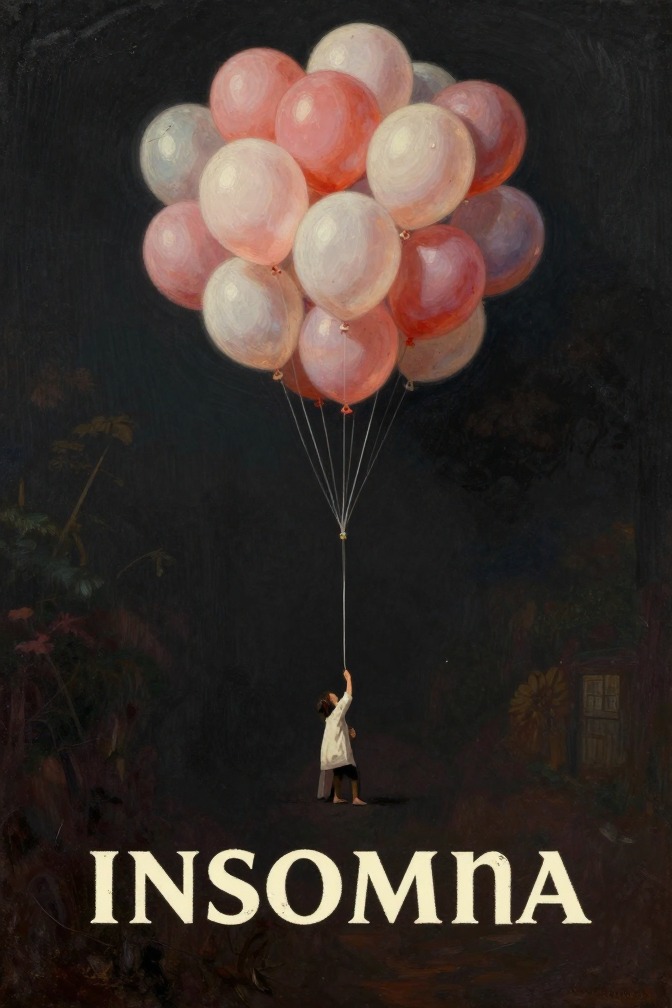
The balloon-string is a visible, thread-like extension of a person's aura that rises from the crown of the head (or, in animals, from the snout) and serves as a lifeline connecting the individual to the forces of life and death. Its appearance—color, thickness, and integrity—indicates the subject's health, vitality, and proximity to death. The severing of this cord by the entity Atropos constitutes a mortal wound, while its natural cutting by Clotho and Lachesis marks a purposeful death.
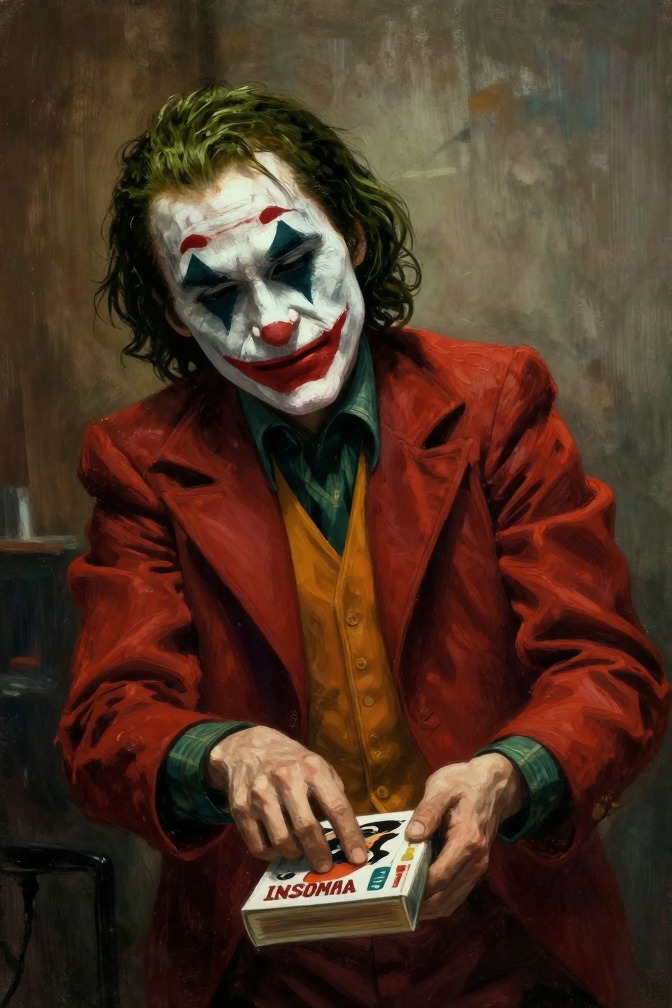
In Stephen King's *Insomnia*, the concept of the 'Joker in the deck' is a central metaphor used by the supernatural beings Clotho and Lachesis to describe Atropos, the rogue agent of the Random, and by extension, the undesignated human Ed Deepneau. It represents an unpredictable, chaotic element that disrupts the established order of the Purpose and the Random, capable of causing catastrophic imbalances in the fabric of existence.
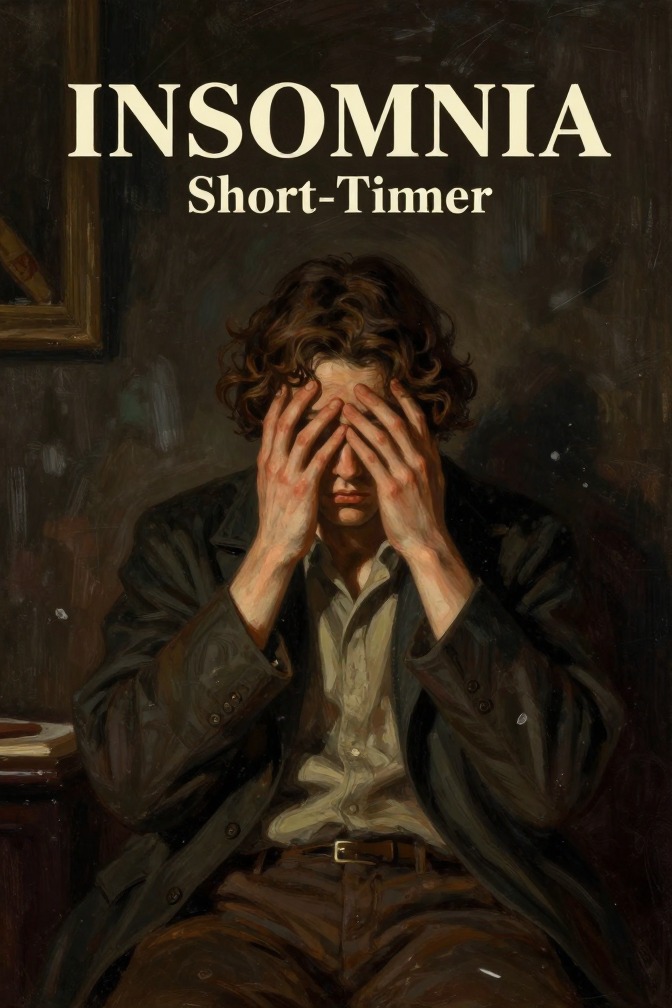
Short-Timer is the term used by the supernatural beings Clotho, Lachesis, and Atropos to describe ordinary human beings living within the normal flow of time and perception. It defines the fundamental existential category of Ralph Roberts, Lois Chasse, and every other mortal character in the novel, marking their limited lifespan, their restricted sensory access to the deeper levels of reality, and their role as pawns in the cosmic struggle between the Purpose and the Random.
Undesignated is a metaphysical category in Stephen King's Insomnia, denoting a rare individual whose life-cord belongs to neither the Purpose nor the Random, making them a blank card in the cosmic deck. Ed Deepneau is the novel's primary undesignated figure, and his status makes him uniquely vulnerable to manipulation by the rogue entity Atropos, who severs his life-cord and sets in motion a chain of events that threatens thousands of lives. The concept is central to the novel's exploration of fate, free will, and the hidden architecture of existence.
Indian summer in Derry, Maine, is a brief, intense period of warm weather in late autumn that serves as the atmospheric backdrop for the novel's climactic events. It is a time of deceptive calm and beauty, sharply contrasting with the escalating violence and supernatural turmoil that define the story's final days. The season's end is explicitly tied to the narrative's turning point, marking the transition from the ordinary world into a realm of heightened perception and mortal danger.