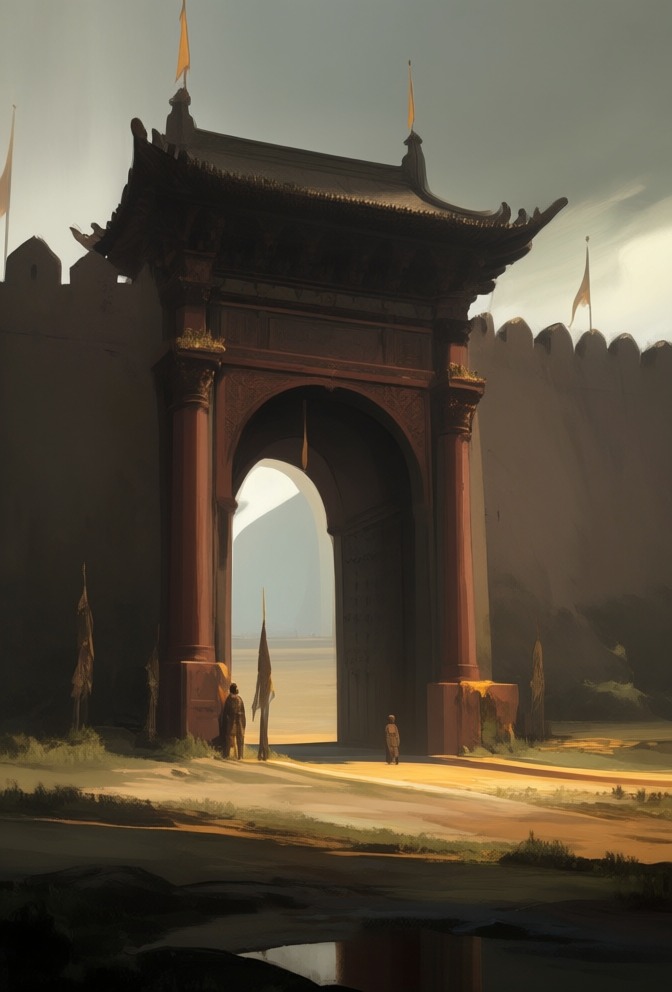
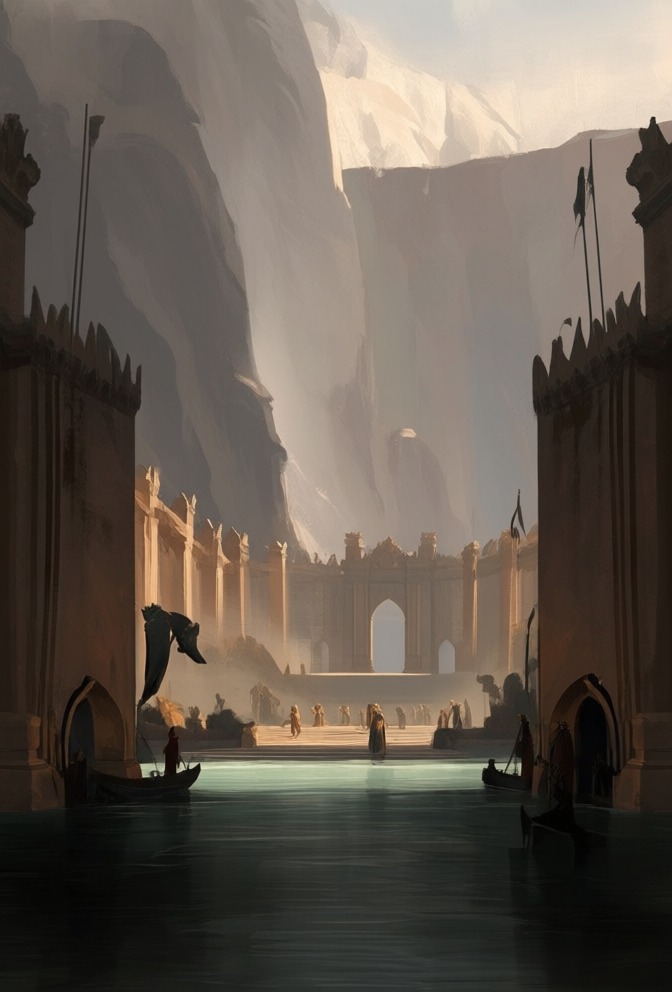
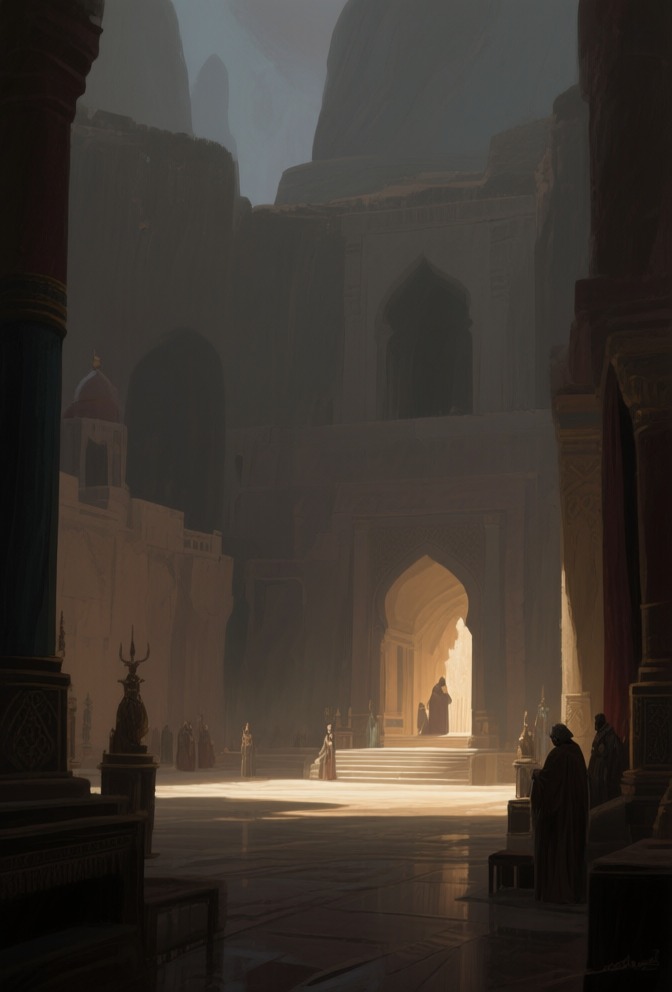
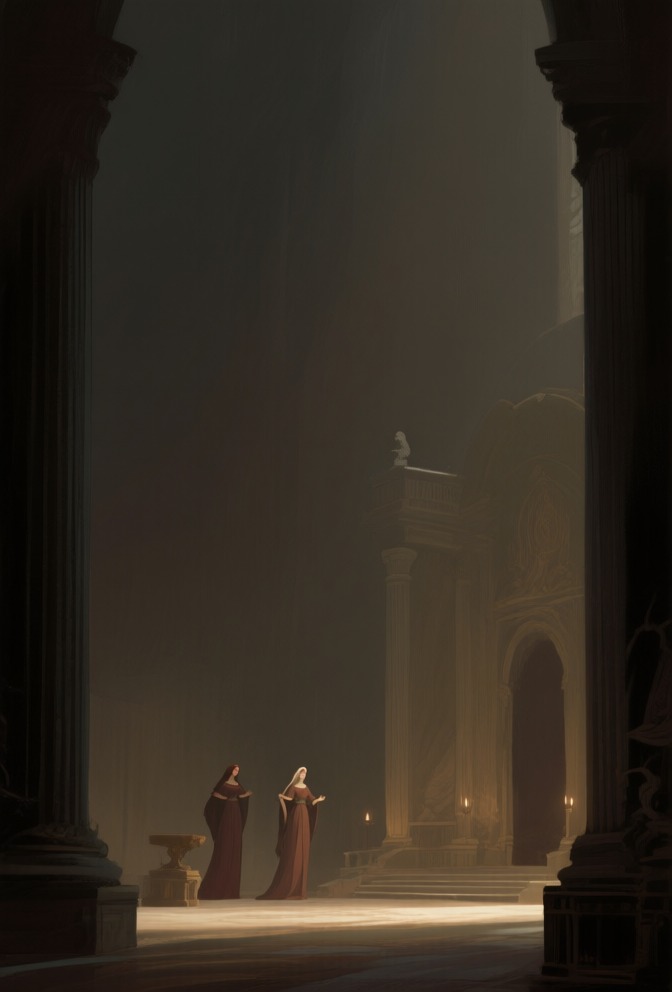
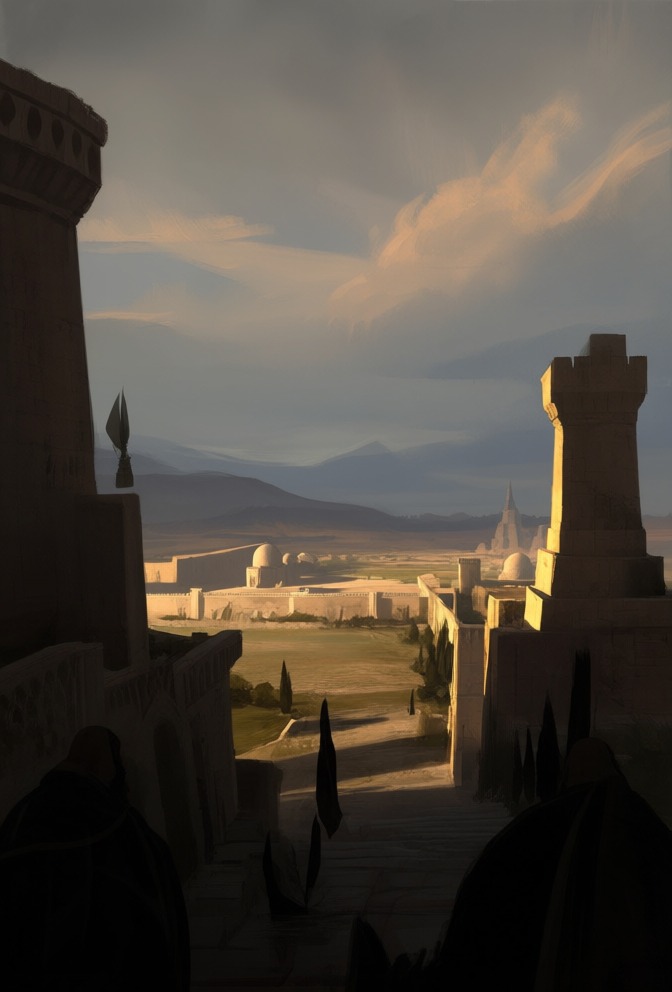
The Mud Gate is one of the seven gates of King's Landing, a fortified river gate on the south side of the city wall where the Blackwater Rush meets the sea. It gains its most dramatic narrative significance during the escape of Ser Barristan Selmy after his dismissal from the Kingsguard, when he rides through the gate, slays a pursuer with a stolen spear, and flees along the riverbank to begin his quest for the true king.
Mudgrave is a market town in the riverlands, claimed by House Bracken as part of the lands stolen by House Blackwood. It appears in the list of territories Lord Jonos Bracken demands be restored to him after the War of the Five Kings, as part of the settlement for his support of House Lannister.
The Noyne is a major tributary of the Rhoyne, known as the Wild Daughter, that joins the Mother Rhoyne at the ruins of Ny Sar.
Oldcastle is a minor northern castle held by House Locke, mentioned in passing during the political maneuvering of the northern lords at Winterfell.
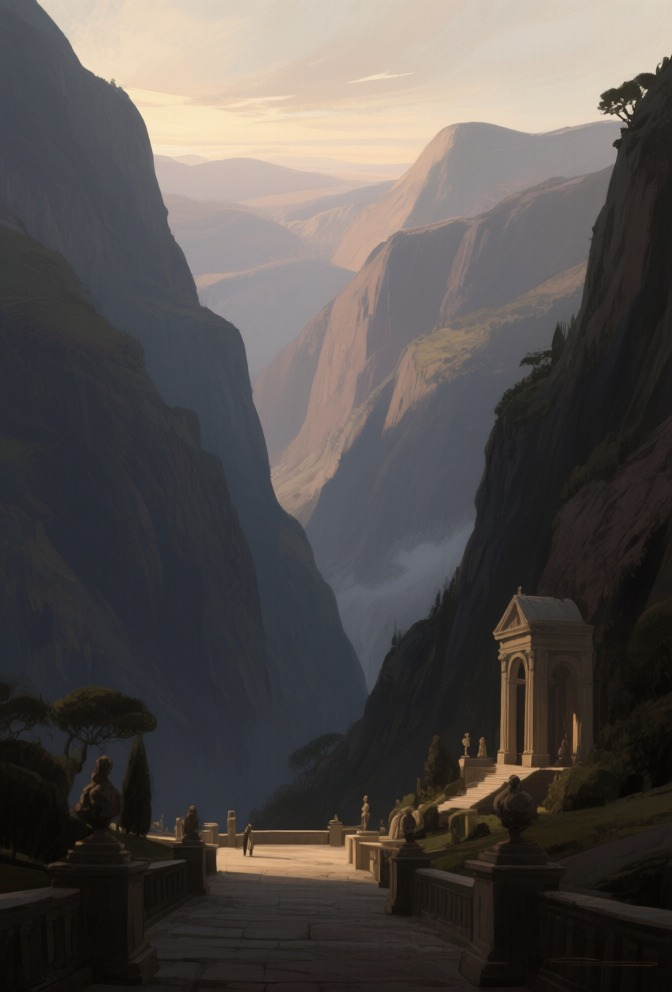
The Prince's Pass is a narrow mountain route through the Red Mountains of Dorne, serving as one of the two main invasion corridors into the principality. It is a strategic chokepoint that has historically been used by armies marching from the Reach into Dorne, and its defense is entrusted to House Fowler of Skyreach, the Warden of the Prince's Pass.
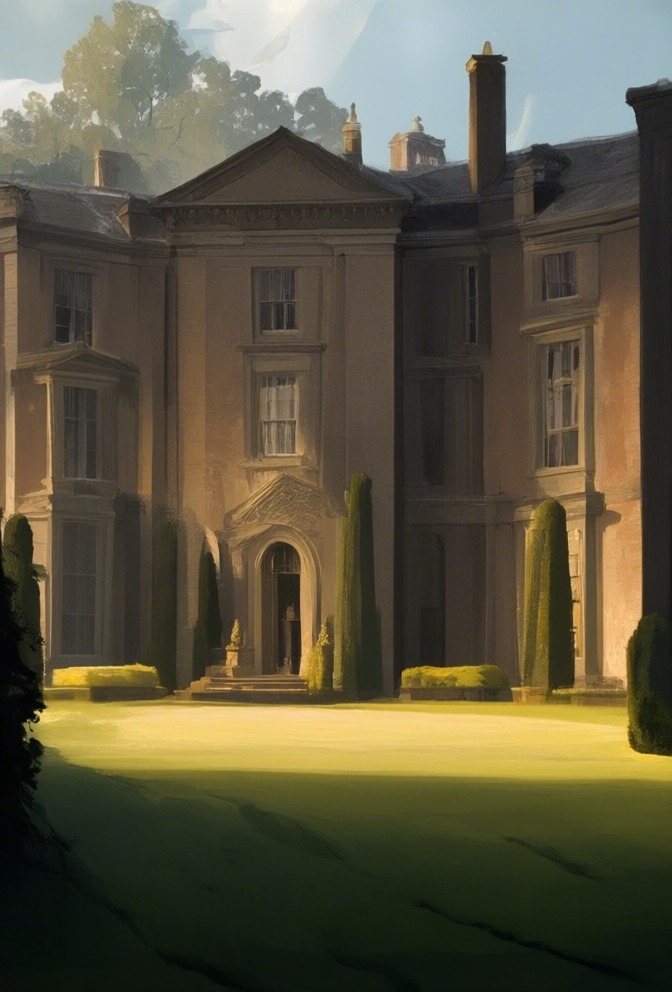
Raventree Hall is the ancient seat of House Blackwood, a castle in the riverlands that becomes the final holdout of the Young Wolf's short-lived kingdom. Its surrender to Jaime Lannister marks the end of organized resistance in the riverlands and demonstrates the brutal pragmatism of post-war power consolidation.
The Red Waste is a vast, arid, and inhospitable desert region on the continent of Essos, lying between the Dothraki sea and the city of Qarth. It serves as a critical geographical and symbolic barrier in Daenerys Targaryen's journey, representing a crucible of suffering and transformation that separates her from the civilized world and forces her to confront the brutal cost of survival and leadership.
The Rookery is the tower at Castle Black where the Night's Watch keeps its messenger ravens, serving as the vital communication hub between the Wall and the rest of Westeros. It is the domain of the maester and his steward, who tend the birds and handle the flow of letters that carry news of war, politics, and the supernatural threat beyond the Wall.
The Seal Gate is one of the principal gates of White Harbor, the great northern port city ruled by House Manderly. It serves as the primary entrance from the city's bustling waterfront and fish market into the walled town, and is the gate through which Davos Seaworth passes when he first enters White Harbor in secret, and later the gate where a false head is displayed to deceive the Freys into believing he has been executed.
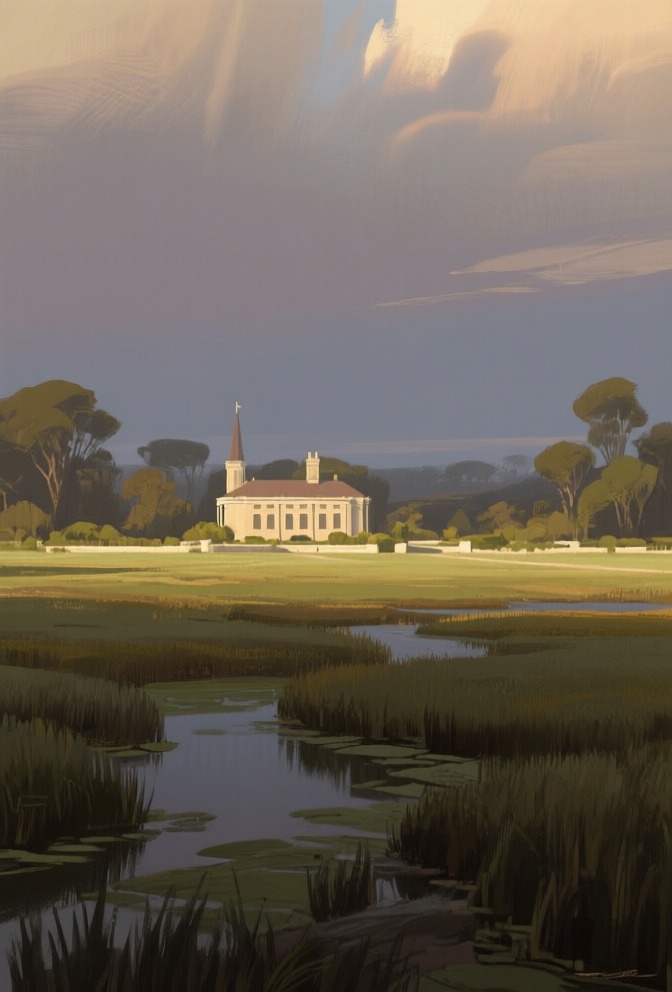
Selhoru is a river in Essos, described as the 'Shy Daughter' of the Rhoyne, known for its winding, reedy course that hides its path.
The Skahazadhan is the broad, muddy river that flows through Meereen, separating the city from its eastern hinterlands and the Dothraki sea. It serves as a vital artery for trade, a defensive barrier, and a strategic chokepoint that Daenerys Targaryen's enemies exploit to blockade her city, while its waters also carry the deadly contagion known as the pale mare.
Sunspear, the seat of House Martell and the capital of Dorne, is a sprawling palace-city on the southeastern coast of Westeros, where Prince Doran Martell rules with cautious deliberation, balancing the fiery legacy of his brother Oberyn against the demands of his own daughters and the bastard Sand Snakes, all while navigating the treacherous currents of the War of the Five Kings and the Lannister regime.
Tarth is a large island in the narrow sea, part of the Stormlands and sworn to Storm's End. It is the seat of House Tarth and the birthplace of Brienne of Tarth, the Maid of Tarth. The island is known for its sapphire mines and its strategic position along the sea routes between Westeros and the Free Cities.
The Temple of the Graces is the principal religious sanctuary of Meereen, dedicated to the gods of Ghis. It serves as the site of Daenerys Targaryen's wedding to Hizdahr zo Loraq, a venue for the burial of the child Hazzea, and a place where the Green Grace, Galazza Galare, offers counsel and prayer. The temple's authority and rituals are central to the city's political and spiritual life, yet its power is increasingly challenged by the bloody flux, the Sons of the Harpy, and the queen's own doubts.
The Three Sisters are a small, windswept archipelago in the Bite, notorious for smuggling, wrecking, and a fierce independence that has persisted since before the Andals came. Their lords, sworn to the Eyrie but loyal only to themselves, have long played a treacherous game between the great powers of Westeros, a role that proves crucial when Davos Seaworth washes ashore seeking passage to White Harbor.
Valyria is the ruined capital of the vanished Valyrian Freehold, a once-mighty empire destroyed in a cataclysmic event known as the Doom. In A Dance with Dragons, it exists as a ghostly, forbidden shore, its smoking ruins and cursed waters serving as a constant, ominous presence for those who sail near it, a symbol of the destructive power that dragons once wielded and the perilous legacy Daenerys Targaryen now carries.
The Velvet Hills are a range of low, rolling hills in the Free City of Pentos's hinterland, lying east of the Flatlands and west of the Little Rhoyne. They form part of the ancient realm of Andalos, where the Faith of the Seven teaches that the gods once walked in human form. In A Dance with Dragons, Tyrion Lannister and Illyrio Mopatis cross the Velvet Hills on their overland journey from Pentos to the river, and Tyrion's dismissive description of the hills as unimpressive 'teats' underscores his sardonic, world-weary perspective on the journey east.
Visenya's Hill is one of the three hills of King's Landing, named for the sister-wife of Aegon the Conqueror. It is the site of the Great Sept of Baelor and the starting point of Cersei Lannister's walk of atonement, a key scene of public humiliation that marks the nadir of her power and the symbolic stripping of her royal identity.
Waspwood is a forested region in the riverlands, contested between House Blackwood and House Bracken, and a site of conflict during the War of the Five Kings.
The Westerlands are one of the constituent regions of the Seven Kingdoms, ruled by House Lannister of Casterly Rock. Their immense gold and silver mines have made the Lannisters the wealthiest of the Great Houses, and the region's military strength is formidable. During the War of the Five Kings, the Westerlands were the bedrock of the Lannister claim to the Iron Throne, first through Lord Tywin Lannister as Hand of the King and later through his grandson King Tommen Baratheon. By the time of A Dance with Dragons, the region's power is severely tested: Lord Tywin has been murdered by his dwarf son Tyrion, the Kingslayer Jaime Lannister has vanished in the riverlands, and Queen Regent Cersei is imprisoned by the Faith of the Seven. The Westerlands remain a crucial but diminished pillar of the crown, with Ser Kevan Lannister struggling to hold the realm together against threats from the north, the south, and across the narrow sea.
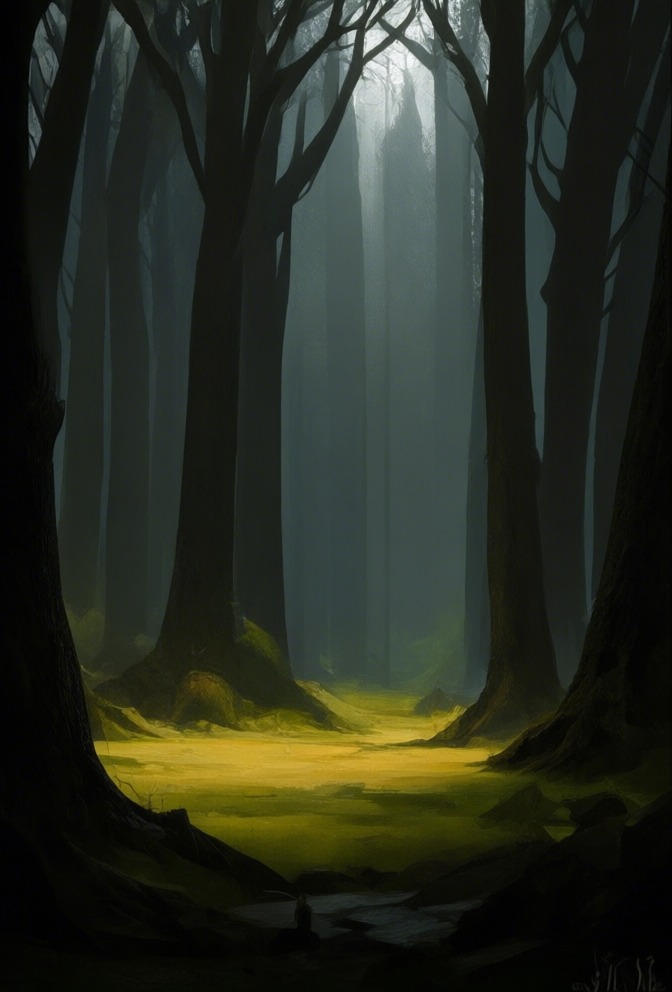
The Wolfswood is a vast, ancient forest in the North of Westeros, stretching from the Gift south to the lands of the Glovers and the mountain clans. It serves as a crucial setting for the campaigns of Stannis Baratheon and the ironborn, a place of refuge and ambush, and a symbol of the wild, untamed North that resists the encroachments of both winter and war.
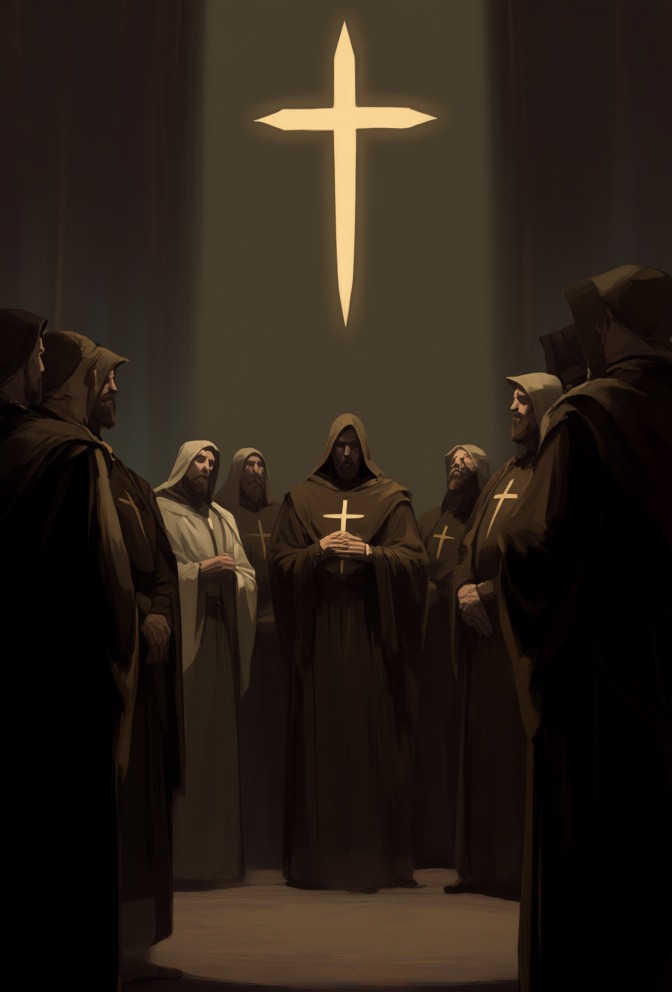
The Faith Militant, comprising the Warrior's Sons (the Swords) and the Poor Fellows (the Stars), is the revived military arm of the Faith of the Seven in King's Landing, re-established by the High Sparrow to enforce religious authority and provide armed protection for the Faith's interests during the political turmoil of the War of the Five Kings.
The Hornfoot men are a tribe of free folk beyond the Wall, distinguished by their bare, hardened feet that allow them to travel across snow and ice without footwear. They appear as a distinct group during the aftermath of the battle beneath the Wall, when Stannis Baratheon forces the captive wildlings to kneel, and later as part of the mass migration through the Wall under Jon Snow's agreement with Tormund Giantsbane.
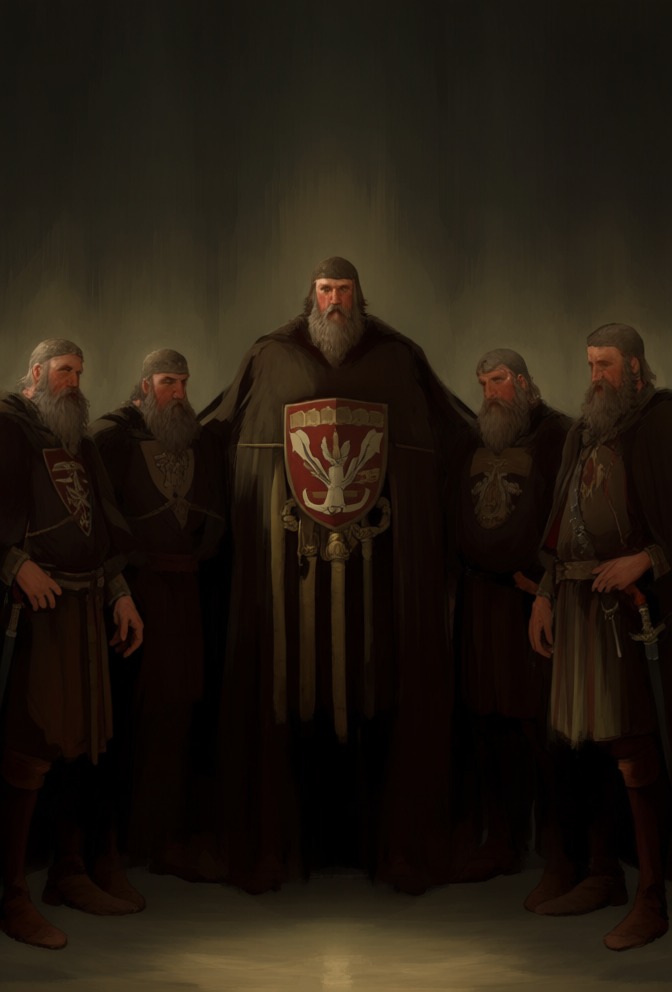
The King's Men are the faction of Stannis Baratheon's followers who remain loyal to the Seven rather than converting to the Lord of Light, forming a distinct political and religious bloc within his camp that is increasingly marginalized by the queen's men.
Daenerys Targaryen is the Mother of Dragons, a title that defines her identity as a liberator and conqueror but also binds her to the monstrous, uncontrollable nature of her children. The relationship is the central paradox of her rule in Meereen: the dragons are the source of her power and the justification for her claim, yet their growing savagery forces her to chain them in darkness, a decision that haunts her and ultimately leads to her flight from the city on Drogon's back.
Amy Lawrence is Tom Sawyer's first romantic interest in the novel, a girl he briefly adores before instantly discarding her for Becky Thatcher, and whose presence later becomes a tool in Tom's jealous games with Becky.
Aunt Polly is Tom Sawyer's guardian, his deceased mother's sister, who struggles to balance her stern moral duty with her deep, often comically thwarted love for the mischievous boy.
Abdul Sharif is a businessman who delivers the false news of Tariq's death to Laila, a lie orchestrated by Rasheed to manipulate Laila into marrying him. His fabricated account of Tariq's fatal injuries in a refugee convoy attack crushes Laila's hope and sets the course for her tragic marriage to Rasheed.
Fariba is the mother of Laila and the wife of Hakim, whose life is defined by the loss of her two sons, Ahmad and Noor, in the Soviet-Afghan war. Her profound, unrelenting grief transforms her from a lively, adventurous woman into a bedridden, emotionally absent mother, casting a long shadow over Laila's childhood and shaping the family's tragic trajectory.
Hakim, called Babi by his daughter Laila, is a gentle, bookish former teacher in Kabul whose quiet devotion to his family and belief in education define his character. His life is marked by the loss of his sons in the Soviet war, his wife Fariba's prolonged grief, and his own unfulfilled dream of leaving Afghanistan. He is killed by a rocket moments before the family's planned departure, a death that shatters Laila's world and sets the course of the novel's second half.