
Roads, Routes, and the Cost of Adaptation
1Q84This flow traces roads and paths as competing models for how people move through imposed systems and unfamiliar worlds.
increasing Bearing strength in each event
 decreasing
Bearing strength in each eventdecreasingA Road Out of Traffic
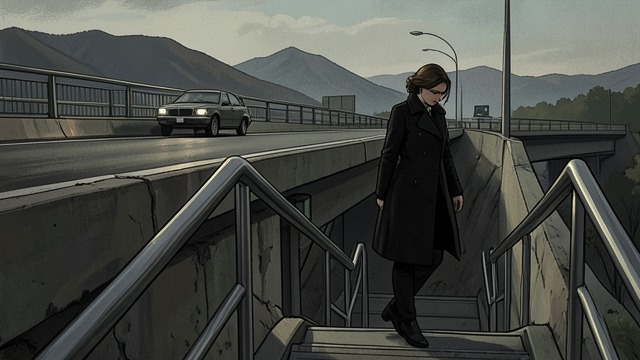
A Road Out of Traffic
A blocked route
Aomamé’s taxi is trapped on the expressway, where the normal infrastructure has stopped serving its purpose. The driver points out an emergency stairway that offers another route.
Movement as a choice
Aomamé leaves the road and takes an improvised path down to street level. Her escape initiates a wider movement away from the familiar rules of her world.
The Gilyaks’ Forest Path
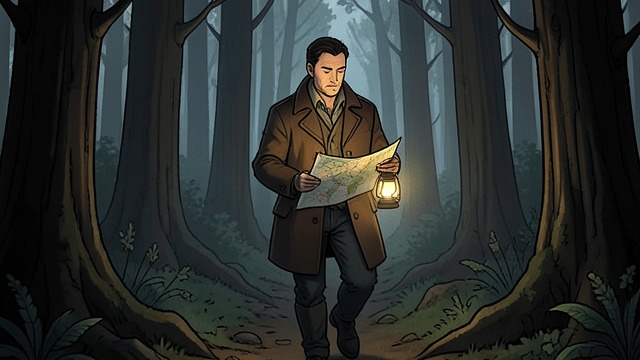
The Gilyaks’ Forest Path
A different route
Tengo reads that the Gilyaks travel through the taiga even when roads are available. Their familiar paths may be easier for them than infrastructure built by outsiders.
Knowledge in movement
The passage makes Tengo consider that a route is not neutral; it requires a person to learn its assumptions. The Gilyaks’ choice becomes an image for preserving one’s own way of moving through the world.
The Written Road
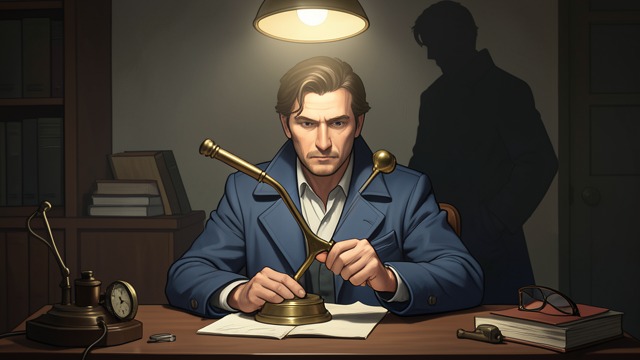
The Written Road
A story made legible
Tengo’s rewrite creates a polished route through Fukaéri’s narrative, guiding readers from scene to scene with greater clarity. The finished text becomes easier to enter.
A route that changes its traveler
The improved form also changes what the story means and who can claim it. Fukaéri’s unease shows that making a path accessible may also carry its source farther from its original terrain.
A Journey into the Mountains
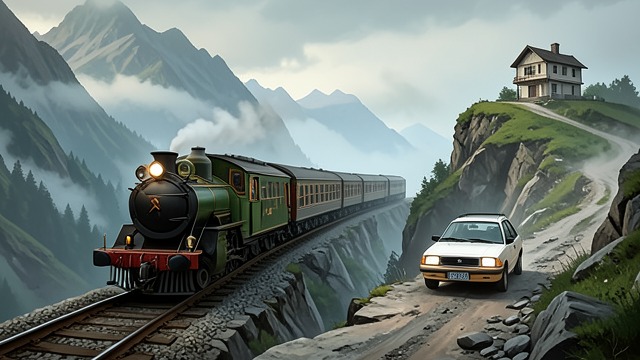
A Journey into the Mountains
Farther from the city
Tengo and Fukaéri travel by train and taxi toward Ébisuno’s mountain home. The changing landscape and difficult roads make the visit feel like passage into a separate world.
Arrival without reassurance
The isolated residence offers a meeting with the person who can authorize the rewrite, but its silence and distance heighten Tengo’s anxiety. The journey makes the decision feel consequential before it is spoken.
A Path without a Map
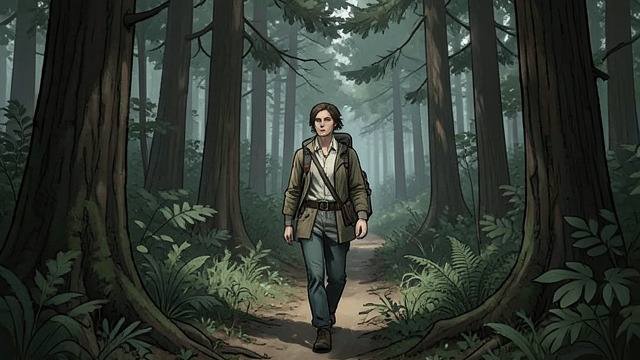
A Path without a Map
Uncertain direction
Fukaéri’s cassette says she is far away and prefers to walk away from broad roads. She does not give Tengo a usable location or a plan for meeting again.
Adaptation rather than return
The image echoes Aomamé’s new-world strategy and the Gilyaks’ paths. The characters continue through unfamiliar territory without knowing whether a return to the old route is possible.
early April 1984
during Tengo’s night reading of Chekhov
after Tengo completes his rewrite
the Sunday trip to Ébisuno
near the end of the book
