
The Limits of Seeing and Knowing
1Q84This flow traces the novel’s repeated contrast between observation and understanding, as characters encounter evidence they cannot fully interpret.
increasing Bearing strength in each event
 decreasing
Bearing strength in each eventdecreasingAomamé’s Mimetic Face
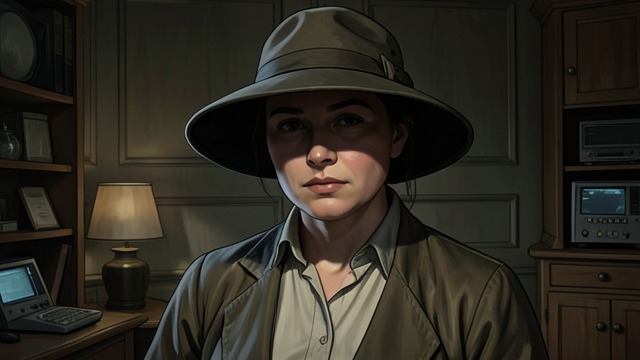
Aomamé’s Mimetic Face
A face hard to remember
Aomamé has learned to make herself unobtrusive, and people struggle to describe her after looking away. Her expression protects her by resisting easy recognition.
Visibility as danger
Her ability to disappear socially is useful in covert work, but also deepens her isolation. Being seen and being understood remain separate problems.
Tengo’s Sudden Crises
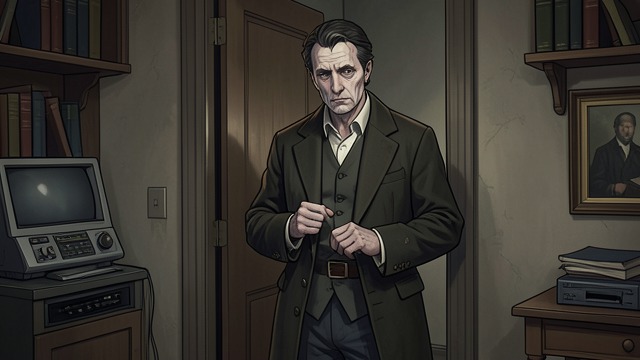
Tengo’s Sudden Crises
A memory takes over
Tengo’s infant image of his mother can interrupt conversation, distort perception, and leave him physically exhausted. He describes the episodes as vertigo because he lacks a more reliable explanation.
Awareness without mastery
The memory remains vivid but not fully understood. Tengo can observe its effects without controlling its arrival or settling what it proves.
The Closed Community
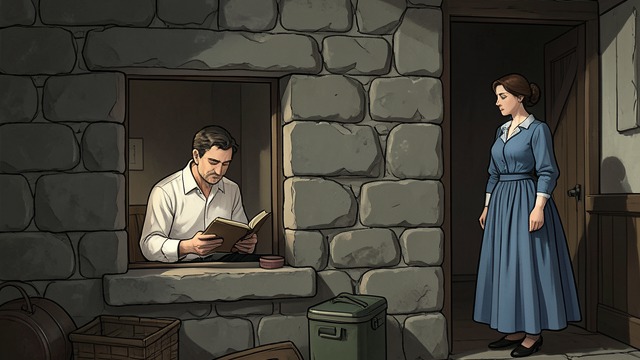
The Closed Community
A world beyond inspection
The Pioneers present a calm, rational public image, while evidence about their internal life remains difficult to obtain. Ébisuno has years of unanswered questions about the Fukadas.
Knowledge as a struggle
The community’s walls, religious status, and controlled communications make observation incomplete. Outsiders can see signs of change without knowing what caused them.
A Body That Speaks
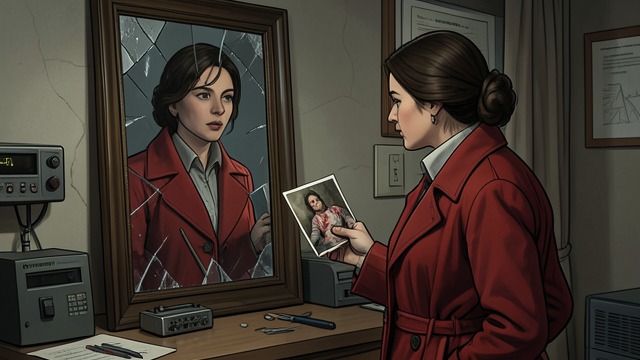
A Body That Speaks
Evidence without testimony
The photographs document severe injuries to an abuse victim who cannot easily speak about what happened. The images provide evidence but cannot explain the full circumstances.
Reading traces carefully
Aomamé and Madame treat physical signs as information that demands action. The scene shows both the power and the limits of evidence when institutions require a clear account from someone traumatized.
The Final Uncertainty
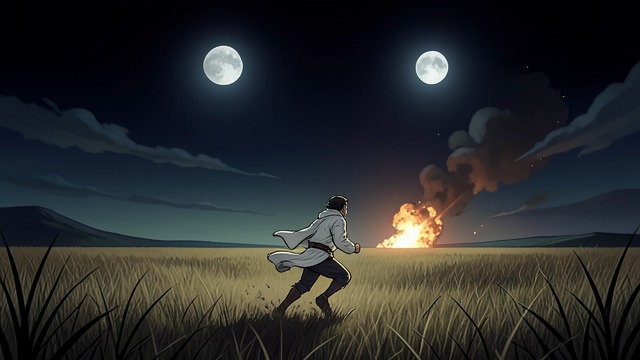
The Final Uncertainty
Signs without explanation
The silent explosion that kills Bun, the two moons, and the Little People’s activity provide visible anomalies without a settled cause. Even capable observers cannot connect all the evidence.
An unfinished world
The characters act on partial knowledge and provisional trust. The novel ends not with an explanation but with the recognition that seeing something clearly does not mean understanding what it is.
during the opening journey
during the early meetings with Komatsu
during Ébisuno’s account of the Pioneers
when Madame shows Aomamé the Polaroids
near the ending
