
Florita Almada’s Visions
2666This thread follows Florita Almada’s movement from herbalist and healer to televised seer whose visions give public form to Santa Teresa’s unacknowledged crisis.
increasing Bearing strength in each event
 decreasing
Bearing strength in each eventdecreasingA Self-Taught Healer
Learning by Reading and Practice
A Rural Childhood
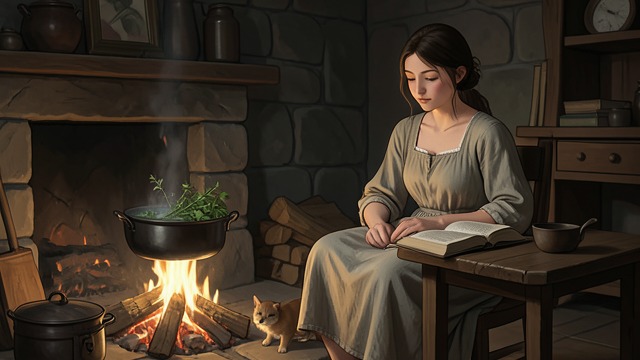
Florita grows up caring for her blind mother and does not attend school. She later learns to read from children and devours whatever books, newspapers, and practical texts come her way.
A Life of Observation
She becomes an herbalist and healer, traveling and collecting knowledge about plants, health, and people. Her authority comes from work and listening rather than formal credentials.
The Television Invitation

From Local Healer to Public Figure
Reluctance
Florita initially declines television, wary of exposure and taxation. Her friend Reinaldo eventually offers her a place on his program.
A Message Emerges
She agrees when she believes she has something important to say. The decision shifts her work from private advice toward public witness.
The First Trance
The City Is Named
A Vision on Air
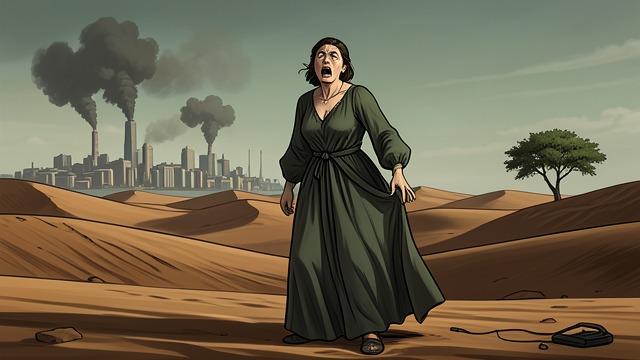
Florita sees women and girls killed in a desert city and struggles to name the place. Her trance intensifies until she identifies Santa Teresa and cries that her daughters are being killed.
A Public Warning
Her vision gives emotional force to a crisis officials have not adequately addressed. It is dismissed by some as superstition, but it circulates as a warning that the city’s violence cannot be ignored.
A Vision of the Killers

Seeing Faces Without Names
The Swollen Faces
Florita describes killers with ordinary but swollen faces and a language that sounds Spanish without being fully intelligible. Her vision is vivid but does not provide the police with actionable identities.
The Cost of Witnessing
She speaks of fear, exhaustion, and sleeplessness. The visions make her a public witness while leaving her personally vulnerable and unable to control what she sees.
A Voice Against Silence

A Public Accusation
Naming Institutional Failure
Florita returns to television with activists from Women of Sonora for Democracy and Peace. She says the killings continue and calls on the governor to act.
Consequences
The broadcast angers station officials and unsettles political authorities, but it also gives the women’s campaign a wider audience. Florita’s role shifts from seer to participant in public protest.
Before Florita appears on television
1995, before her first major appearance
During Florita’s first major television appearance
1996, during a later television appearance
1997, after the WSDP television appearance
