
The City’s Machinery of Impunity
2666This thread traces how police, politicians, businesses, and media repeatedly turn violence into isolated cases, manageable publicity, or silence.
increasing Bearing strength in each event
 decreasing
Bearing strength in each eventdecreasingSeparate Cases
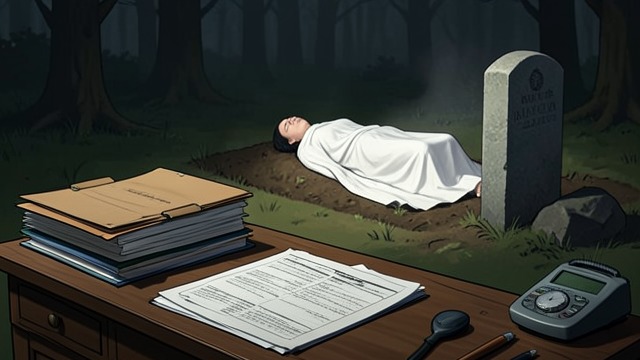
Fragmented Investigations
Individual Files
Each body generates an autopsy, a file, and often a narrow suspect list. Victims without identification are buried in public graves, while cases with convenient suspects are closed quickly.
A Pattern Avoided
The administrative habit of treating each death separately prevents the city from seeing the whole. The pattern is present, but institutions repeatedly decline to name it.
Money and the Police
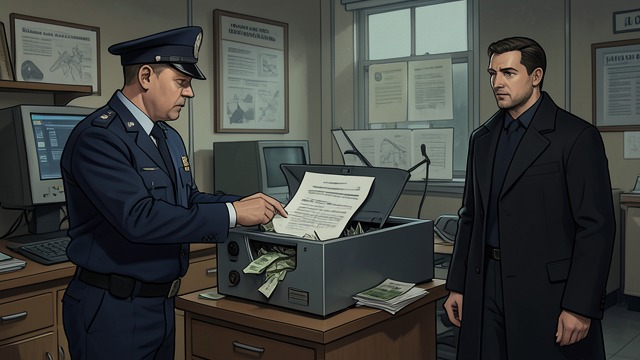
Investigation for Sale
Compromised Evidence
Police accept money from factory executives, lose reports, and fail to preserve forensic samples. Suspects with political or criminal connections are harder to question than vulnerable migrants and workers.
Institutional Routine
Corruption is not presented as an exceptional breakdown. It is embedded in everyday procedures, allowing powerful interests to shape which facts become visible.
The Official End
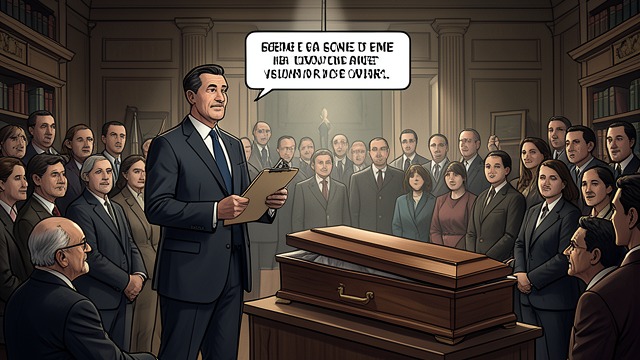
A Closure Designed for Publicity
Declared Success
Officials announce that the serial murders have been solved after the Bisontes arrests. The mayor describes the remaining deaths as ordinary crimes.
Contradictions Remain
New bodies, missing evidence, and questions about the gang’s role complicate the announcement. Closure becomes a political performance rather than a reliable account of what happened.
The American Expert
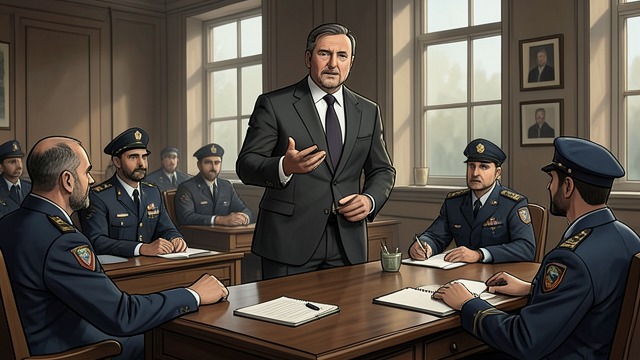
Expertise as Spectacle
Public Training
Albert Kessler arrives to advise selected officers and teach a course. Officials present his visit as professional development, not an admission that local investigations have failed.
Limits of Method
Kessler studies neighborhoods and case patterns, but his expertise cannot by itself overcome missing records, compromised evidence, and institutional reluctance. The spectacle of expertise may itself become another public reassurance.
Naming a System
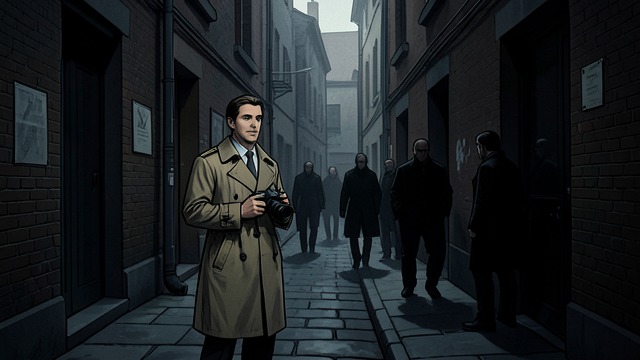
Beyond One Killer
Competing Explanations
Reporters investigate drug trafficking, maquiladora labor, corruption, and alleged snuff films. Each explanation illuminates part of the city but none fully accounts for the murders.
The Cost of Knowing
Journalists disappear, sources are frightened, and the press often turns horror into a consumable story. The novel makes impunity a social system rather than a single person’s secret.
From the first killings in 1993
1993–1996, during the accumulating murders
January 1997, after the Bisontes arrests
Late 1997, during Albert Kessler’s visit
1997, as journalists pursue the story
