
The Novel’s Debate About Literature
2666This thread follows the novel’s recurring argument over literary value, criticism, and the distinction between impressive forms and dangerous works.
increasing Bearing strength in each event
 decreasing
Bearing strength in each eventdecreasingScholarship as Ambition
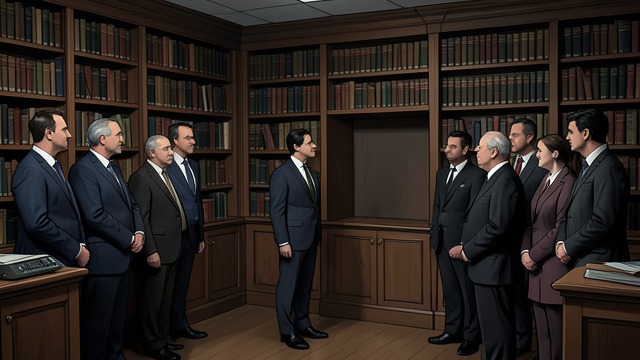
Building Careers Around a Writer
Professional Authority
The critics translate, teach, publish, and debate Archimboldi, turning their expertise into careers. Their disagreements often concern influence and interpretation as much as the books themselves.
The Missing Author
Because Archimboldi remains absent, academic authority grows around a void. The novel asks whether criticism can bring readers closer to literature or merely organize their own ambitions.
The Swabian’s Story
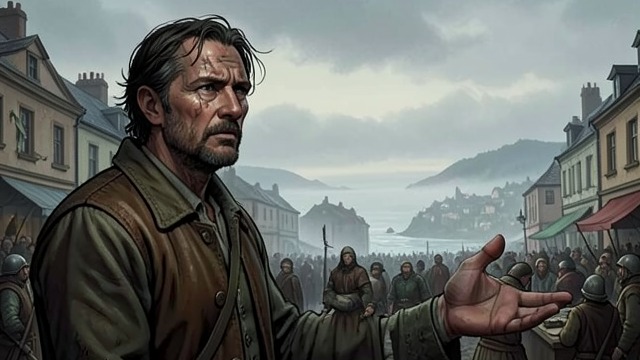
An Anecdote Becomes Evidence
A Recollection
The Swabian cultural promoter recounts Archimboldi’s postwar visit to a Frisian town, including a widow’s riddle and a vanished departure. The story is vivid but cannot be independently verified.
Interpretation and Doubt
The critics debate whether the Swabian remembers events accurately or reshapes them for an audience. The anecdote shows how literary history can be built from uncertain memory and compelling narrative.
Edwin Johns’s Hand
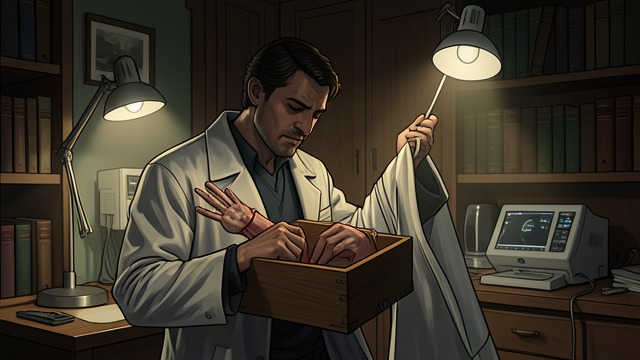
Art and Explanation
Mutilation as Work
Edwin Johns cuts off his painting hand and places it in a self-portrait. Morini visits him at the clinic, seeking an explanation the painter does not readily provide.
Money and Ambiguity
Morini later concludes that Johns acted for money, but the explanation remains partial. Johns’s gesture resists conversion into a stable moral or aesthetic lesson.
The Great Books and the Minor
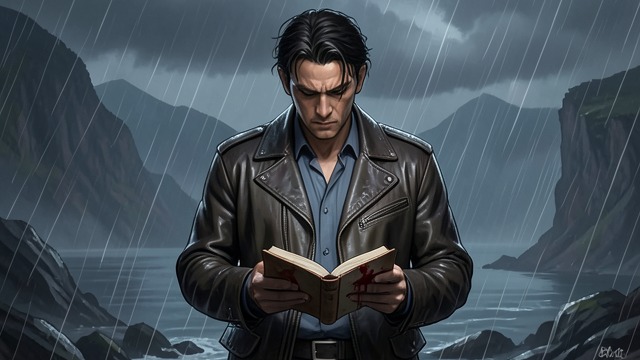
Risk Versus Comfort
Reading as a Choice
Amalfitano thinks about readers who prefer compact, polished works over long, imperfect books that confront the unknown. The distinction becomes a critique of safe literary taste.
Combat and Exposure
Great literature is figured as a struggle against something that frightens and wounds its readers. The argument links aesthetic risk to the novel’s larger refusal of easy, finished explanations.
Minor Works as Camouflage
The Masterpiece Hidden in the Forest
A Publisher’s Theory
Mr. Bubis’s office and the novel’s notes suggest that ordinary works can conceal a more dangerous, unrecognized masterpiece. Literature becomes a structure of hiding as well as revelation.
An Open Ending
The novel never resolves whether Archimboldi’s work is the hidden center or whether the search itself produces that idea. Its unfinished edges preserve the risk of interpretation.
Before and during the critics’ first meetings
1995, at the Amsterdam conference
1996–1997, through Morini’s visit and Norton’s return
During Amalfitano’s conversations in Santa Teresa
After Archimboldi meets the Bubis publishing house
