
The Novel’s Unfinished Center
2666This thread follows the novel’s movement toward a center it repeatedly approaches but never fixes: the killings, the desert city, and the absent writer converge without explanation.
increasing Bearing strength in each event
 decreasing
Bearing strength in each eventdecreasingA Number Before Its Meaning
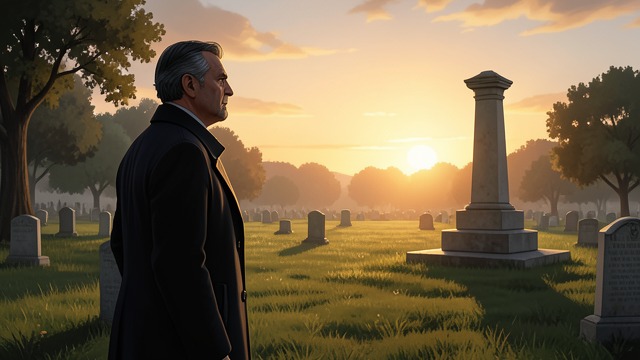
2666 as a Horizon
A Title Without Key
The number appears before its meaning is clear. It does not function as a simple date or code, but as a distant point that gathers the novel’s parts.
The Future as Vanishing Point
The final note connects the number to an image of a cemetery in 2666. The date shifts the reader’s attention beyond the plot and toward a future in which memory itself may fail.
A Hidden Center
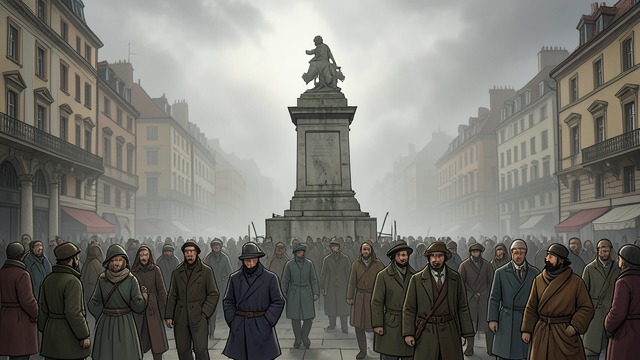
The City at the Middle
Narrative Convergence
The critics, Amalfitano, Fate, the investigators, and Archimboldi approach Santa Teresa from different directions. The city gathers the novel’s strands without resolving them.
What Remains Hidden
The killings are described as a possible secret of the world, but no single revelation explains them. The novel’s center is powerful precisely because it cannot be fully exposed.
Stories Inside the Crime Reports
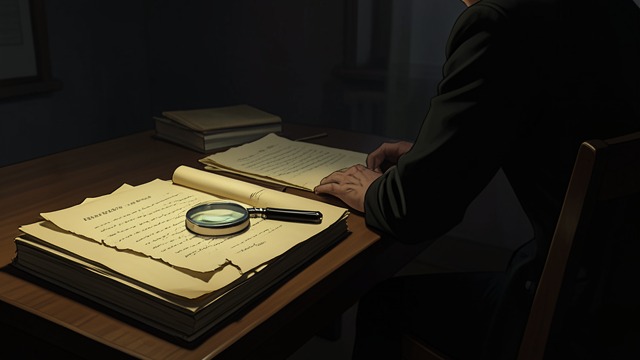
Repetition and Difference
Case After Case
The crime narrative returns to bodies, reports, interrogations, and failed identifications. Repetition creates a cumulative weight while each victim retains distinct circumstances.
Against a Single Explanation
The shifting details resist the comfort of one killer, one motive, or one pattern. The form itself makes the reader experience recurrence without granting certainty.
The Vanished Writer as Counterpoint
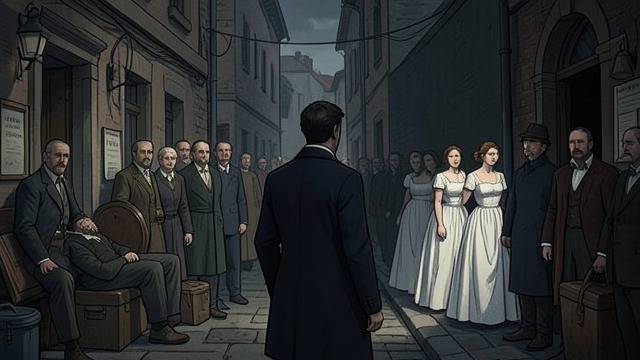
Absence Beside the Dead
Two Forms of Disappearance
Archimboldi’s self-concealment contrasts with the forced disappearance of women and reporters. One is protected by literary fame and mobility; the others are erased by poverty and violence.
A Convergence Without Meeting
The critics reach the city where Archimboldi is present but do not find him. His absence becomes a counterpoint to the bodies that Santa Teresa cannot hide forever.
The Narrator’s Farewell
A Voice Leaves the Page
Belano Named
The postscript cites a note identifying Arturo Belano as the narrator of 2666 and gives him a farewell line. The novel’s documentary surface suddenly acknowledges a hidden speaking presence.
No Final Explanation
The farewell does not close the narrative. Instead, it makes authorship another form of disappearance, leaving the reader with a voice that has spoken through the work and now withdraws.
At the novel’s opening and in its final note
As the five parts converge on Santa Teresa
Across the long catalog of deaths in Part Four
From the critics’ first search to Archimboldi’s arrival in Mexico
At the end of the first-edition note
