
The Murdered Women of Santa Teresa
2666This thread traces the accumulating murders of women and the city’s repeated failures to identify victims, find killers, or prevent further violence.
increasing Bearing strength in each event
 decreasing
Bearing strength in each eventdecreasingThe First Counted Victim
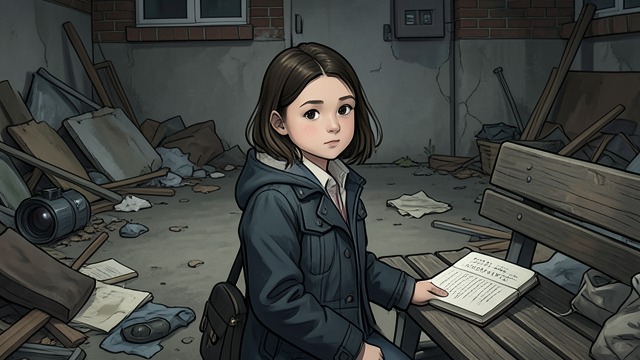
A Body in the Lot
Naming the Dead
Children discover the body of thirteen-year-old Esperanza Gomez Saldana in a vacant lot. The police photograph and examine her, but her case becomes a starting entry in a list rather than a warning that stops the violence.
A Pattern Begins
The narrative suggests that women may have been killed before 1993 and never counted. The official chronology starts only when the city begins recording deaths, not when the danger begins.
Bodies and False Endings
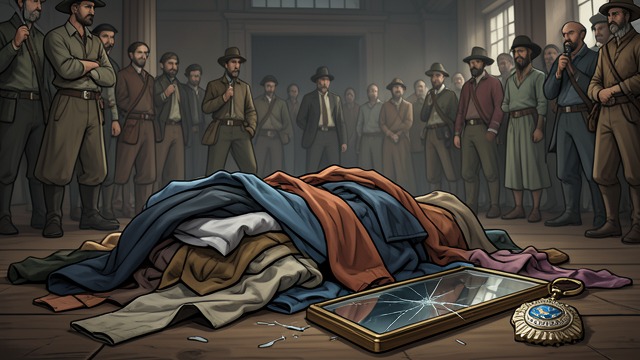
The Ledger Expands
Different Victims
Factory workers, girls, prostitutes, and women passing through the city are found in lots, dumps, ravines, homes, and the desert. Their deaths differ in method, circumstance, and apparent motive.
Convenient Closures
The police often arrest an intimate partner or label a case solved, even while other women continue to disappear. The accumulating list exposes how an administrative answer can coexist with continuing terror.
A City Learns the Numbers
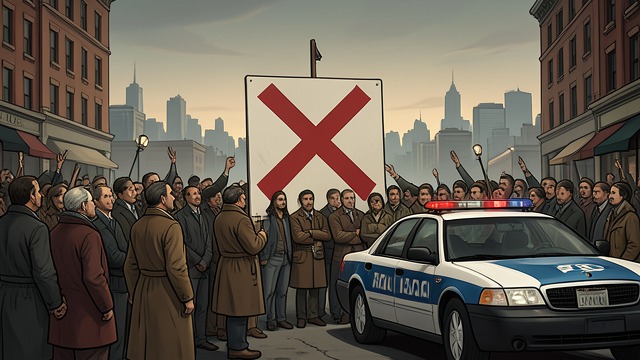
Violence Becomes Public
The Count Reaches the Streets
Women’s groups and reporters increasingly discuss the deaths as a crisis rather than isolated crimes. The scale of the killings becomes a subject of public argument and contested statistics.
Official Reassurance
Authorities favor explanations that preserve confidence in the city’s growth and order. The contrast between public alarm and official calm makes the killings harder to contain and harder to investigate honestly.
The Bisontes Arrests
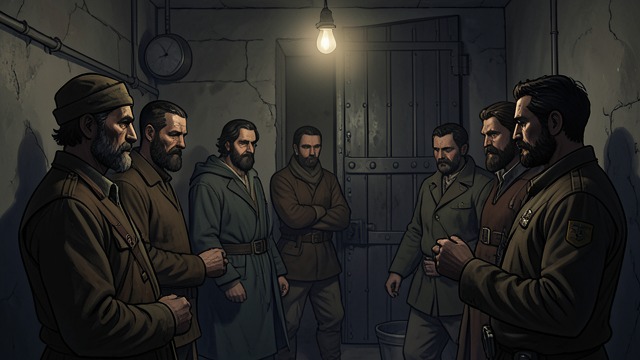
A Convenient Resolution
Arrest and Attribution
Five young men from Los Bisontes are arrested and accused of several murders. The arrests provide a narrative of closure after a period of continuing deaths and public pressure.
Doubt Persists
The evidence and confessions are compromised by coercion, while Haas argues that the killings continue beyond his imprisonment. The announcement that the case is solved does not settle whether the arrested men explain the broader pattern.
The Renewed Wave

Violence Outlives the Explanation
New Bodies
Women continue to be found after the arrests, including victims in vacant lots, ravines, and near industrial sites. Their varied circumstances undermine the claim that one arrest has ended the crisis.
The Unresolved City
Reports, protests, and investigations multiply, but no single account explains the deaths. Santa Teresa’s violence becomes not a puzzle with a neat solution but a durable feature of its social world.
January 1993
1993–1994
1995, as public protests begin
January 1997
1997, after the Bisontes are arrested
