Golden Gate Bridge crash
AccidentThe Golden Gate Bridge crash is the sudden, fatal collision at the center of the novel’s first major crisis. Phillip Chapman dies at seventeen, while Allyson Clarke and Chloe Thorensen are gravely injured; the uncertainty over who caused the crash then shapes the families’ grief, suspicions, and arguments about responsibility.
Circumstances and Collision
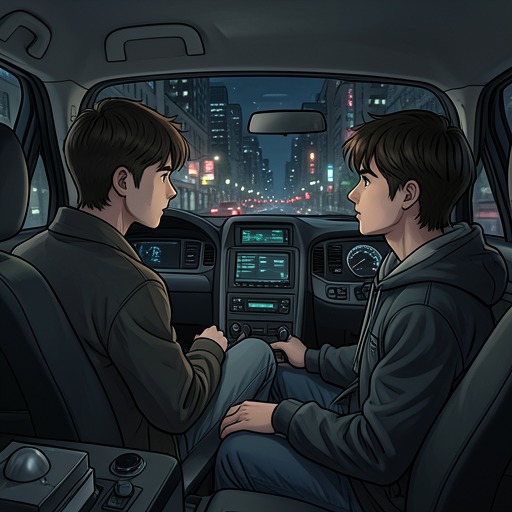
The four teenagers are crossing the bridge in a gray Mercedes, with Phillip driving, Allyson beside him, and Jamie Applegate and Chloe in the back seat. The group has been out without their parents’ knowledge. More than halfway across the bridge, Phillip briefly looks toward Allyson; when he turns his attention back to the road, the other car is already close. The vehicles collide head-on. The novel presents the impact as an abrupt break in the teenagers’ evening, followed by surrounding motorists stopping and rushing to help.
The opposing vehicle is a black Lincoln. The collision leaves the two cars so badly entangled that responders initially have difficulty distinguishing them. Firefighters and paramedics arrive, while police direct traffic past the scene. The doors cannot be opened, and responders call for the Jaws of Life and a team to free the occupants.
Immediate Consequences
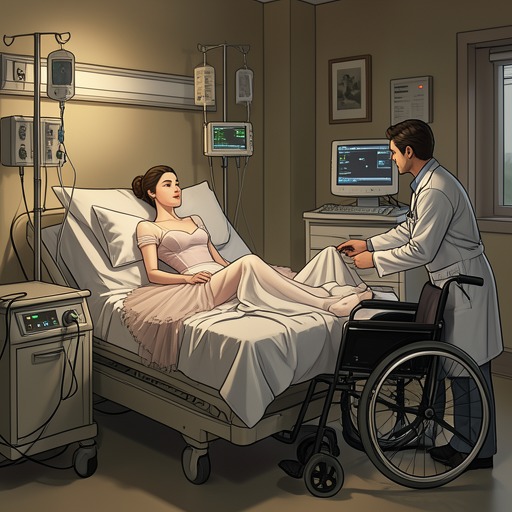
Phillip is pronounced dead at the scene. The narration emphasizes the contrast between his youth and the finality of his death: he was seventeen, and the loss comes in a single moment. In the rear seat, Chloe is trapped and has severe injuries to her lower body. Jamie is conscious but in shock, and responders arrange to take him to hospital. Allyson is also critically injured and requires emergency care.
The crash places both families in a crisis before they know what has happened or what the teenagers’ prospects will be. Page Clarke initially fears that the dead driver might be Trygve Thorensen, and learns instead that the driver was Phillip. With the girls’ conditions still uncertain, the parents can neither settle the question of blame nor know what recovery will mean.
Uncertain Responsibility
The physical evidence does not establish which car crossed the center line or why. Trygve is told that the force of the collision makes a reliable reconstruction especially difficult. Phillip’s blood tests detect alcohol, but not enough to classify him as drunk; the other driver appears sober, and police do not test her for alcohol. The available evidence therefore does not settle responsibility.
That uncertainty does not prevent people from forming theories. Trygve is angry at Phillip, at Chloe for concealing the outing, and at the other driver if she caused the collision, but he recognizes that none of these reactions resolves what happened. The teenagers’ accounts, including Jamie’s insistence that they were not drunk and that Phillip was paying attention, complicate the first impulse to blame the young driver. The crash leaves grief and suspicion side by side, without a conclusive answer.
Public Blame and Later Reassessment
A newspaper account soon presents Laura Hutchinson, the other driver, sympathetically and indirectly suggests that the teenagers had been drinking. Trygve objects that the story’s insinuations favor an established adult over a young driver, even though the official evidence remains inconclusive. Page, already focused on her daughter’s condition and the possibility of lawsuits, sees that assigning fault cannot reverse the death or repair the girls’ injuries.
Eleven weeks later, news reports that Laura Hutchinson has been arrested after a fatal drunk-driving collision in La Jolla. Page concludes that Hutchinson may also have been drunk on the night of the bridge crash, and the new report vindicates Phillip in the family’s eyes. It does not supply definitive proof about the earlier collision: the first crash remains officially unresolved. The delayed revelation instead changes how the family interprets the earlier suspicions and exposes how readily the initial account had allowed Phillip to bear the blame.
The event’s consequences extend beyond the immediate loss. Two weeks after the crash, Page and Trygve reflect that the accident has changed their families’ lives, even as they begin to imagine that it may bring unexpected blessings. Allyson eventually wakes from her coma and is weaned from the respirator, though she remains in intensive care and under observation. Her recovery, Chloe’s injuries, and Phillip’s death give the crash an enduring place in the novel: it is both a personal catastrophe and the unresolved event through which questions of evidence, privilege, and blame recur.