Davie
AlwaysDavie is Jake Donovan and Mary Beth’s six-year-old son, whose death in a car bombing becomes the defining loss of Jake’s life. A lively child remembered through ordinary details—a trip to the video store, a first-tooth milestone imagined years later, the sound of a child calling Jake Daddy—Davie is present in the story chiefly through absence. That absence shapes Jake’s separation from Mary Beth, his refusal to risk becoming a father again, and the fear and pride stirred when he meets Christopher, the son he did not know he had.
Identity and Background
Davie was six years old when he died. Jake remembers him as full of life and fun, and the surviving scenes make his age and childhood vivid through the small acts that surround him: he ran ahead of Mary Beth, opened the driver’s door, and was about to climb in beside her. Much later, Jake wonders what Christopher’s earliest years looked like and whether he had watched Davie cut his first tooth, speak his first word, and take his first step. Those imagined milestones give Davie a continuing place in Jake’s thoughts, not as an abstract tragedy but as a child whose growth Jake once witnessed and can never witness again.
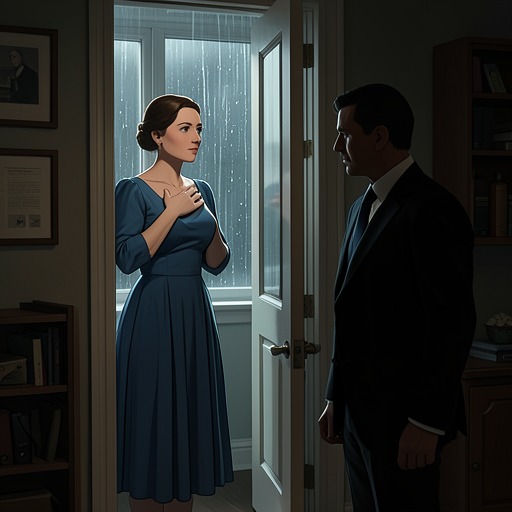
Before the bombing, Jake was working the night shift as a police officer. Mary Beth and Davie had gone to a video store to choose a movie; Jake’s car was parked behind hers. Davie reached the car first and opened the driver’s door for his mother. The moment’s domestic ordinariness is the measure of the rupture that follows: a routine outing ends in an explosion, killing Davie and changing the course of both parents’ lives.
Death and Its Consequences
The bombing was an act of revenge by a man Jake had arrested. The intended target was Jake, but the bomb struck the wrong person: Davie. Jake heard Mary Beth scream and says that he still hears those screams. Neither parent could do anything to save their child. The attack thus binds Jake’s work as a police officer to the loss he cannot undo: a criminal he had taken off the street retaliated, and Davie paid the price.
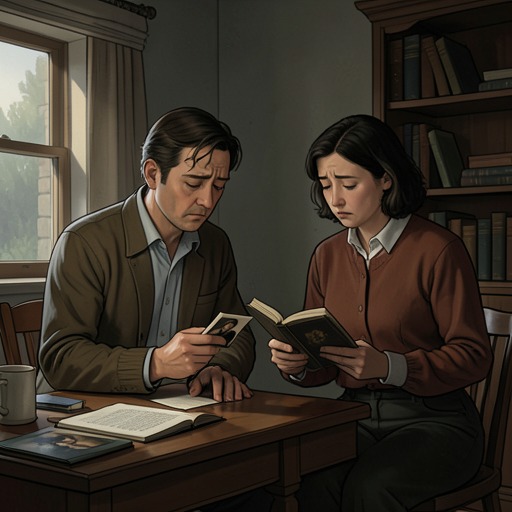
Jake holds himself responsible even though the bomb was planted by another man. Mary Beth also blamed him, and their marriage fell apart. Davie’s death therefore changes more than Jake’s private sense of safety; it fractures his marriage and remains tied to his belief that he failed to protect his family. His account to Jennie Standish makes that history the reason behind his resistance to parenthood: he cannot imagine bringing a child into a world that does not protect children, and he says he will never get over losing Davie, in this lifetime or the next. He cannot put himself through that danger and grief again.
That conviction affects Sara Standish’s decision to keep her pregnancy from Jake. Hearing how deeply the loss still governs him, she fears that telling him would lead him to marry her out of honor rather than readiness, leaving them in a marriage shaped by a child he had not chosen to welcome. Davie is not the cause of their conflict, but the grief surrounding his death constrains what Sara believes she can tell Jake and what kind of future they can build together.
The Father-Son Echo
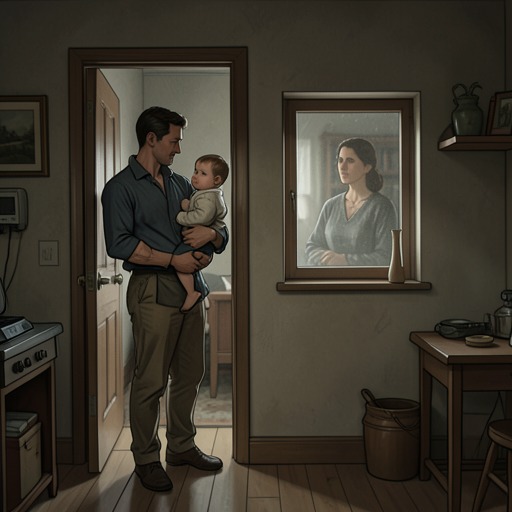
When Sara introduces three-year-old Christopher as Jake’s son, Jake’s first response is inseparable from memory. The sight of the child recalls another little boy, and the pain on Jake’s face makes Sara fear that Christopher may always bring Davie’s loss back to him. Later, sitting on the grass beside Christopher, Jake studies the resemblance: the boy has Jake’s features and eyes, and Jake wonders whether Christopher looked like Davie as an infant or a toddler. The likeness creates a bridge between the brothers in Jake’s mind, while also sharpening his awareness of the years he missed.
Jake resents Sara for leaving him and cheating him out of three years with his son. His anger is real, but he tries to keep it from shaping how he treats Christopher. Becoming a father again without warning brings an immediate protective impulse: he wants to keep Christopher safe every minute and does not want to let him out of sight. At the same time, he recognizes that he has to temper his fear. Davie’s death has made vigilance feel like responsibility, but Jake understands that fear cannot be allowed to govern his new relationship with his son.
A small exchange becomes a turning point. Christopher hands Jake a gray stone, and the child’s fingers touch Jake’s palm. The gesture tears at Jake because it evokes the past, yet it also restores something: he feels the pride of fatherhood again and resolves to do it right this time. When Christopher calls him Daddy and later announces that Daddy drinks milk, too, the title carries both the pain of the father Jake lost the chance to be to Davie and the possibility of a relationship he can still build with Christopher.
Narrative Significance
Davie’s presence in the story is structured through recurrence: the car explosion returns in Jake’s account, Mary Beth’s screams persist in his memory, and ordinary contact with Christopher repeatedly summons comparison. The narrative does not make grief disappear when Jake gains another son. Instead, it places loss and renewed attachment in the same moments: Christopher resembles Davie, Jake is afraid for him, and Jake’s pride emerges through a touch that also hurts.
This pattern gives Davie a continuing role in Jake’s decisions. His death helps explain why Jake rejects the idea of having more children with Sara, why the revelation of Christopher’s existence brings anger and fear along with responsibility, and why Jake insists that this time he must do fatherhood right. Davie remains irreplaceable; Christopher does not erase him. But through Christopher, Jake is given a chance to act on the protective love that loss could not extinguish.