
Ritual Usurpation and Political Disorder
AnalectsThis thread traces how breaches of ceremonial boundaries reveal the weakening of legitimate authority and provoke Confucius's repeated resistance.
increasing Bearing strength in each event
 decreasing
Bearing strength in each eventdecreasingEight Rows in the Courtyard

A Forbidden Spectacle
Privilege Claimed
The Ji clan stages a dance with eight rows in its own courtyard.
Confucius sees the performance as an appropriation of royal privilege.
The household's power has begun to imitate the sovereign's authority.
A Question of Consequence
He asks what the clan would not dare to do if it can bear this act.
Aesthetic display becomes evidence of political danger.
The broken boundary anticipates wider disorder.
The Mountain Sacrifice
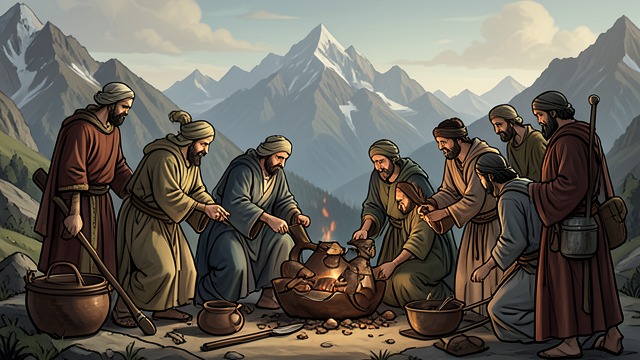
Authority Crossed
A Ritual Reserved for Others
The Ji clan prepares to sacrifice at Mount Tai, an act beyond its rightful standing.
Confucius asks Ran You whether he can stop the act.
Ran You says he cannot.
An Appeal to Judgment
Confucius asks whether Mount Tai is less discerning than Lin Fang.
The retort treats sacred order as more perceptive than opportunistic officials.
Ritual violation becomes a confrontation over who may claim authority.
The Ode in the Wrong Hall
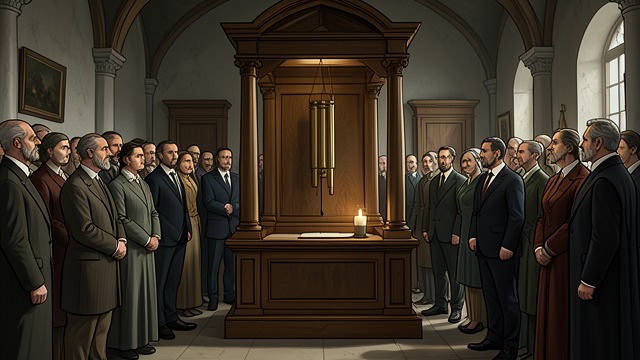
Ceremonial Language Misused
Borrowed Royal Praise
The Three Huan clans use the Yong ode as the sacrificial vessels are removed.
Its words describe princes assisting while the Son of Heaven presides.
The performance places royal language in a private hall.
The Contradiction Exposed
Confucius asks what the ode has to do with their hall.
The ceremony advertises a political claim it cannot justify.
His question makes the mismatch impossible to ignore.
A Sheep Against Convenience
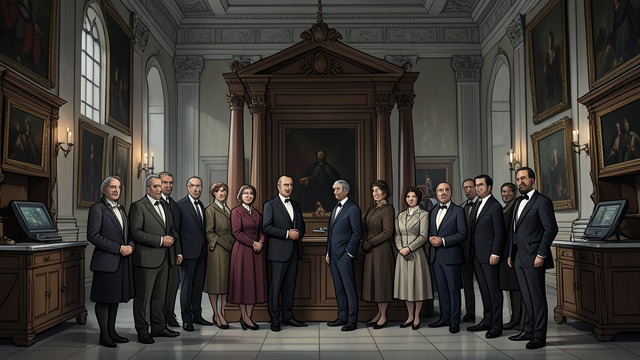
Reform and Continuity
The Proposed Omission
Zigong wishes to stop the sheep offering tied to the first day of the month.
The proposal promises economy in a fading practice.
Confucius distinguishes the animal from the ceremony it represents.
A Conflict Over Meaning
He says Zigong cares for the sheep while he cares for the rite.
A small expense becomes a dispute over institutional memory.
The episode complicates any simple call to reform.
Rulers Without Their Roles
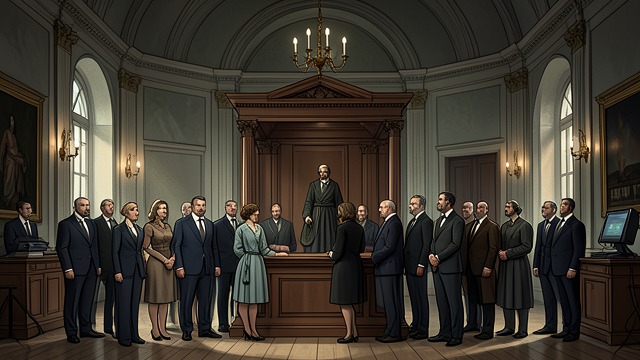
Political Names in Crisis
A Failed Order
Confucius says government depends on ruler, minister, father, and son fulfilling their roles.
Duke Jing recognizes that without such alignment, even a ruler's revenue is insecure.
The answer connects household language to state legitimacy.
Disorder Beyond Ceremony
Ritual boundaries are not empty formalities when they define responsibility.
Their violation weakens public trust and authority.
The conflict of names extends the conflict of rites into daily rule.
During Confucius's criticism of the Ji clan
When the Ji clan prepares its sacrifice to Mount Tai
At the conclusion of a sacrifice by the Three Huan clans
At the monthly announcement sacrifice
During Duke Jing of Qi's inquiry about government
