
The Zhuanyu Campaign Crisis
AnalectsThis thread traces Confucius's confrontation with Ran You and Zilu over the Ji clan's planned attack on Zhuanyu, from excuse-making to a warning of internal collapse.
increasing Bearing strength in each event
 decreasing
Bearing strength in each eventdecreasingA Plan Announced

News From the Ministers
The Approach
Ran You and Zilu tell Confucius that the Ji clan intends to begin operations against Zhuanyu.
Their report presents the plan as a fact already decided.
They seek counsel after the powerful household has chosen a course.
The First Challenge
Confucius turns immediately to Ran You and asks whether he is not at fault.
The response refuses to treat notification as innocence.
Office means responsibility before and after a decision.
A Justification of Necessity
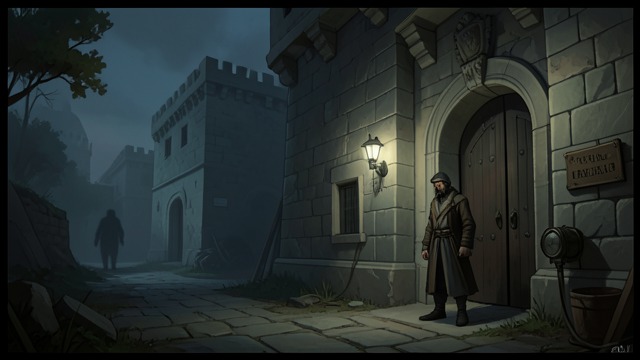
The Threat of the Neighbor
Strategic Reasoning
Ran You says Zhuanyu is fortified and close to Bi.
If the Ji clan does not take it now, he argues, its descendants will face danger later.
The argument turns aggression into supposed prevention.
Confucius Names Desire
Confucius objects to hiding a wish behind an elaborate explanation.
He will not allow future fear to settle the moral question.
The immediate action remains the issue.
The Blind Guide's Duty
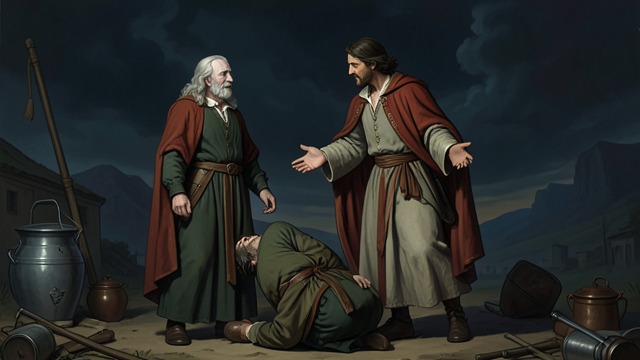
Service Requires Intervention
The Rule of Office
Confucius invokes an old saying: an official should take his place if able and withdraw if not.
He compares an adviser who fails to support a stumbling ruler to a useless guide.
The image turns complicity into negligence.
The Ministers' Responsibility
Ran You and Zilu are not powerless by definition merely because the Ji clan wants war.
If they cannot guide the decision, they must reconsider their service.
Confucius challenges their account of their own position.
The Tiger Outside the Cage
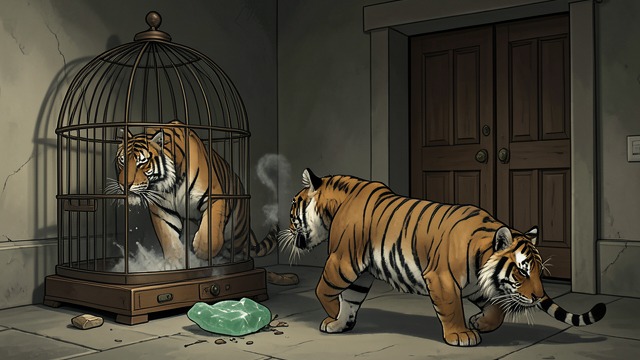
Consequences of Neglect
A Dangerous Release
Confucius asks who is responsible when a tiger escapes its cage or a jade object is damaged in storage.
The examples reject the idea that custodians can disclaim what happens on their watch.
Responsibility follows entrusted authority.
Political Application
The ministers' inability to restrain the Ji clan is not a neutral failure.
Their offices make them answerable for foreseeable damage.
The metaphor intensifies the accusation against them.
A Threat Within the Walls
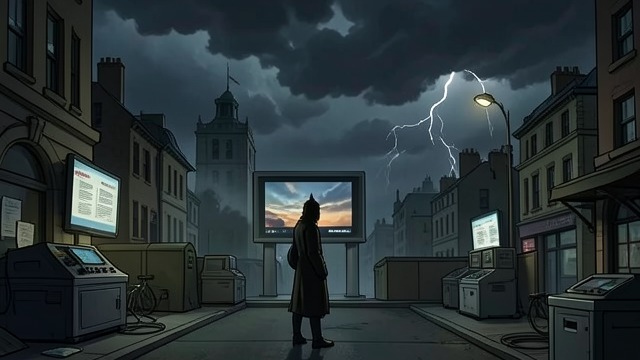
The Reversal of Danger
A State Already Divided
Confucius says the state is breaking apart while its ministers cannot preserve it.
The proposed war would begin within the state's own domain.
The advisers have mistaken external conquest for security.
The Final Warning
He fears the Ji clan's trouble will not come from Zhuanyu but from within its own courtyard screen.
The closing image turns their plan back upon its authors.
The crisis ends as a forecast of internal collapse.
As the Ji clan prepares to attack Zhuanyu
During Ran You's defense of the campaign
During Confucius's rebuke to the two advisers
During Confucius's account of failed stewardship
At the end of Confucius's warning about Zhuanyu
