
Rites and Music Restored
AnalectsThis thread follows Confucius's defense of ritual and music as living moral forms, threatened by display and renewed through disciplined understanding.
increasing Bearing strength in each event
 decreasing
Bearing strength in each eventdecreasingThe Usurped Dance
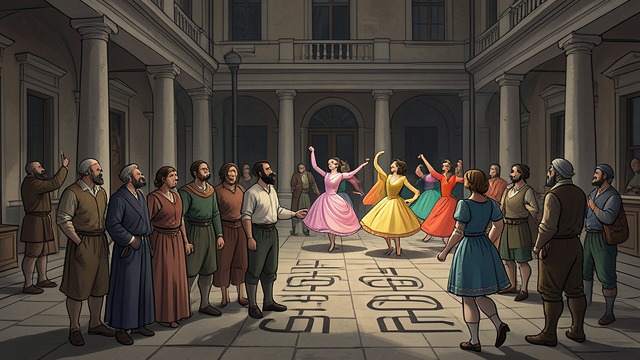
Ritual Measure Violated
A Display of Power
Confucius condemns the Ji clan for using eight rows of dancers in its courtyard.
Such privilege belongs to the highest authority, not a powerful household.
The performance makes political disorder visible.
A Warning in the Ceremony
He asks what such a man would not dare to do.
The issue is not decoration but the collapse of rightful boundaries.
Ritual misuse becomes a sign of deeper civic danger.
Humanity Beneath Ceremony
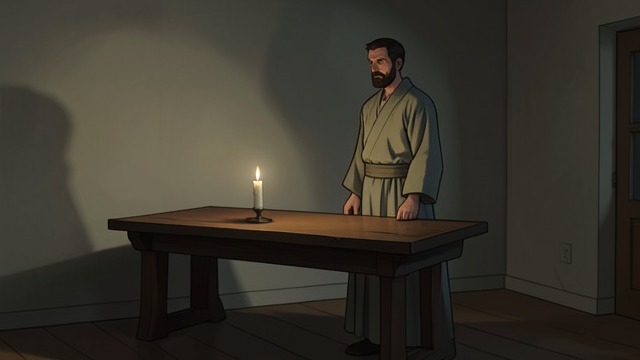
Form Requires Substance
The Root of Practice
Asked what matters most in ceremonies, Confucius prefers frugality to extravagance.
In mourning, he values genuine sorrow above meticulous performance.
Ritual is judged by its human purpose.
Against Empty Display
He also insists that without humaneness, rites and music have no foundation.
Formal correctness alone cannot confer moral worth.
The answer distinguishes living observance from spectacle.
The Painted Ground
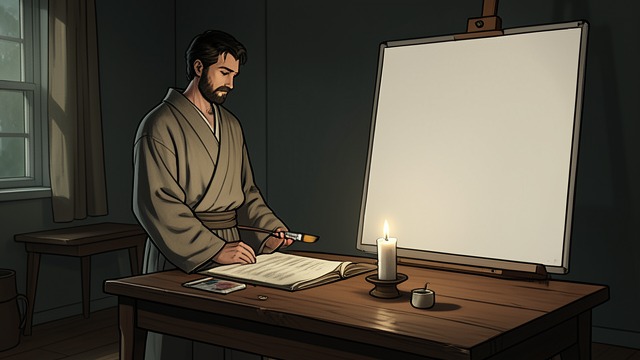
Preparation Before Ornament
A Student's Interpretation
Zixia asks about a poem's image of colors placed upon a plain ground.
Confucius answers that painting follows the prepared surface.
The exchange makes moral substance prior to ceremonial refinement.
Insight Returned
Zixia asks whether ritual follows in the same way.
Confucius praises the inference and says they can now discuss the poems.
A student's insight advances the teacher's explanation.
The Sheep and the Ceremony
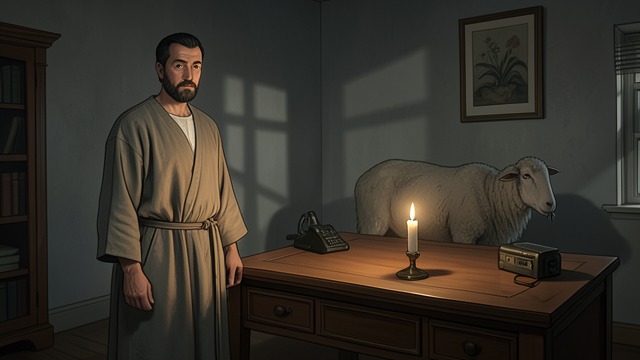
Preservation of a Form
A Proposed Economy
Zigong wants to end the sheep offering connected with the monthly observance.
He sees the animal as an unnecessary cost.
Confucius replies that Zigong loves the sheep while he loves the rite.
Meaning Across Generations
The exchange weighs material economy against cultural continuity.
A ceremony can preserve a shared public rhythm even when its old rationale fades.
The debate asks what reform may safely discard.
Music Finds Its Places
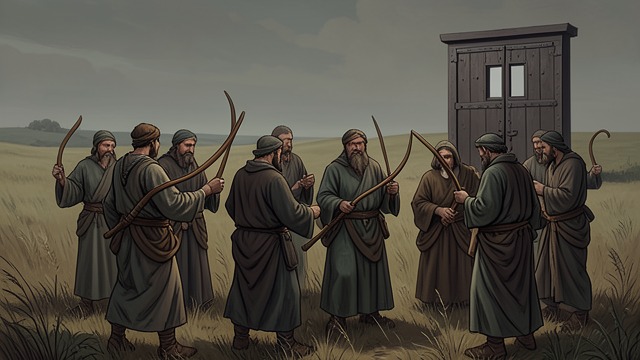
Reordering the Sound
Restoration at Lu
Confucius says that after returning to Lu he corrected the music.
The royal songs and praise songs were restored to their proper places.
His work joins scholarship to public cultural repair.
An Ordered Inheritance
Music is not treated as entertainment alone.
Its arrangement reflects a wider order of memory, ritual, and communal feeling.
The restoration offers a cultural answer to political confusion.
At the opening of the rites discussions
During Lin Fang's question about ritual
During Zixia's question about the Book of Poetry
At the monthly announcement sacrifice
After Confucius returned from Wei to Lu
