
Yan Hui's Quiet Excellence
AnalectsThis thread traces Yan Hui's unusual learning, sustained virtue, material hardship, and death, which leaves Confucius bereft.
increasing Bearing strength in each event
 decreasing
Bearing strength in each eventdecreasingListening Beyond Silence
An Apparently Quiet Student
The First Impression
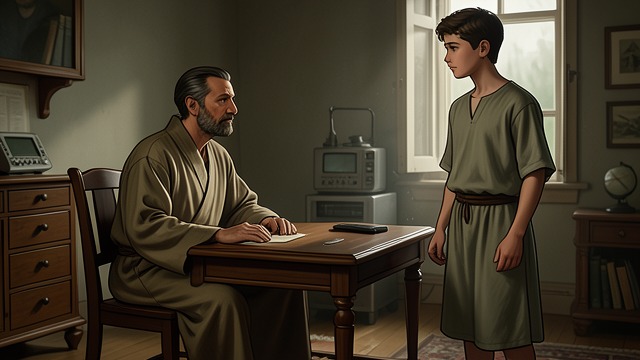
Confucius says that Yan Hui does not object during a full day's conversation.
At first, the silence might resemble dullness.
The teacher tests the impression by observing him afterward.
Understanding Revealed
Yan Hui's private conduct shows that he can develop the instruction.
His listening is active rather than passive.
Confucius declares that he is not foolish.
Joy in Poverty
A Virtue Untouched by Want
Material Hardship
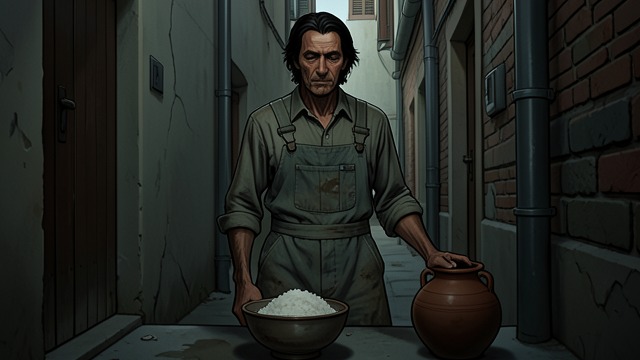
Yan Hui lives with little food and drink in a mean, narrow lane.
Others would find the poverty unbearable.
He does not let hardship extinguish his joy.
The Measure of Learning
Confucius praises this steadiness as evidence of deep virtue.
Learning has become a way of inhabiting difficulty, not merely an intellectual pursuit.
The portrait contrasts inner composure with outward deprivation.
A Long Season of Virtue
A Rare Continuity
Sustained Practice
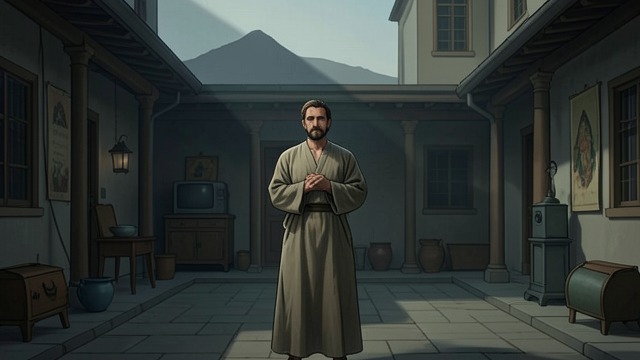
Confucius says Yan Hui can keep his mind aligned with perfect virtue for three months.
Other students reach that condition only on isolated days or in brief periods.
The distinction makes consistency the heart of his excellence.
A Model With Limits
Yan Hui is presented as exceptional, not as an effortless ideal.
His achievement grows through continuous discipline.
The comparison gives other learners a demanding standard.
Death and the Outer Coffin

Grief Meets Ritual Limits
A Father's Request
Yan Lu asks Confucius for a carriage so he can provide an outer coffin for his son.
Confucius refuses, recalling that his own son had only a coffin.
His position as a former high officer also prevents him from going on foot.
Need Against Propriety
The refusal does not erase his sorrow for Yan Hui.
It shows how ritual and financial limits shape even intimate grief.
A devoted relationship cannot simply command material means.
Grief Without Restraint
The Teacher's Loss
Unchecked Mourning
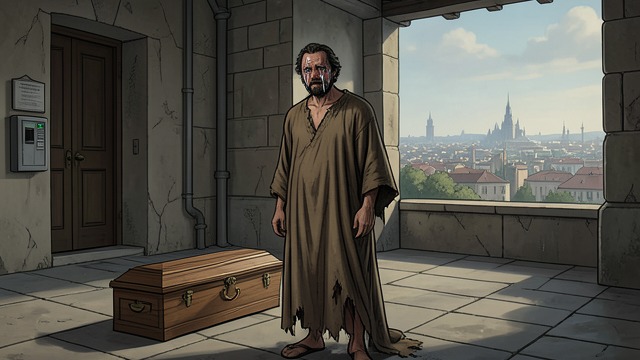
Confucius weeps bitterly, and his followers say that his grief is excessive.
He challenges them: if not for Yan Hui, for whom should he grieve?
The question makes the scale of attachment unmistakable.
A Broken Expectation
The disciples give Yan Hui a lavish burial despite Confucius's objection.
Confucius says Yan Hui treated him as a father, though he could not treat Yan Hui as a son.
The loss exposes both love and the limits of the master's authority.
During Confucius's early conversations with Yan Hui
During the account of Yan Hui's life in a narrow lane
During Confucius's comparison of the disciples
At Yan Hui's death
During the funeral disputes after Yan Hui's death
