
Business Ethics Versus Recovery
BuddenbrooksThis thread traces Thomas’s changing attitude toward commercial risk, from inherited prudence to ethical hesitation and a desperate attempt to recover success.
increasing Bearing strength in each event
 decreasing
Bearing strength in each eventdecreasingThe Family Maxim
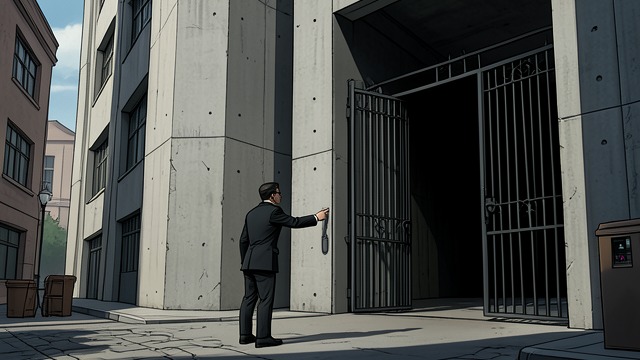
The Family Maxim
A rule for business
The family chronicle preserves an ancestor’s injunction to pursue only work compatible with a peaceful night’s sleep.
Prudence as identity
The maxim links commercial conduct to moral self-command and family continuity.
Later generations inherit a principle difficult to reconcile with competitive growth.
Thomas Changes The Method
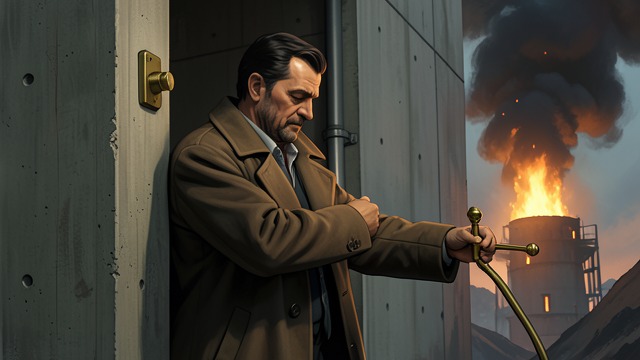
Thomas Changes The Method
Credit put to work
Thomas introduces greater initiative and calculated risk into the firm.
Success with restraint
Marcus’s caution balances Thomas’s ambition, allowing growth without abandoning commercial respectability.
The arrangement temporarily makes risk appear manageable.
A Scruple Reopened
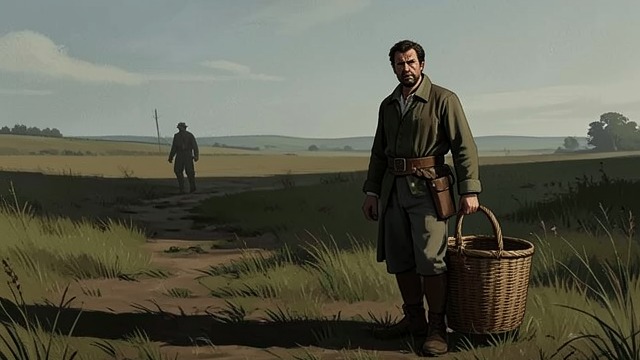
A Scruple Reopened
Tony’s challenge
Tony argues that Thomas should buy a distressed estate’s harvest before a rival does.
Moral resistance
He fears the deal would exploit a desperate landowner and violate the firm’s traditions.
His anger reveals that he is tempted by the opportunity.
The Gamble Accepted
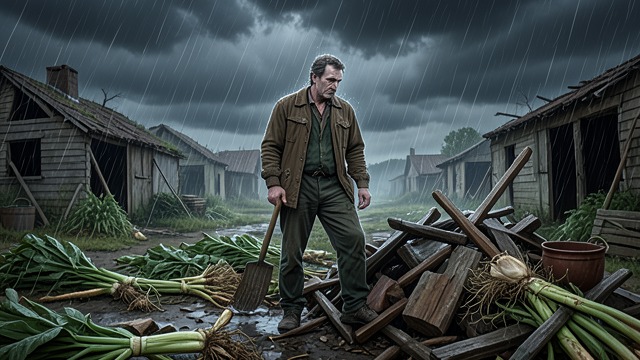
The Gamble Accepted
A new self-image
Thomas chooses the harvest deal as a first stroke toward recovering his energy and authority.
Commercial consequences
Hail destroys the crop, turning his effort at renewal into a costly failure.
The loss makes his ethical hesitation and ambition equally painful.
A Failed Recovery
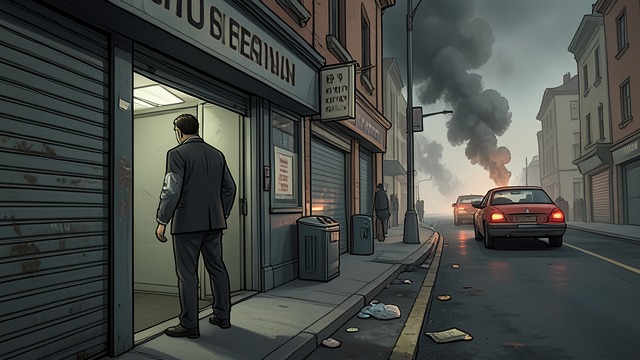
A Failed Recovery
Stagnation deepens
Thomas’s business loses momentum, while competitors expand under more favourable conditions.
The end is ordered
His will instructs the firm’s liquidation rather than entrusting it to Hanno.
The family’s commercial ethic cannot produce a successor or renewed prosperity.
1835
1856–1863
1868
1868
1870s
