Baron Vordenburg's revelation of his ancestor's story
CarmillaBaron Vordenburg's revelation of his ancestor's story provides the final, crucial piece of the puzzle that explains how the vampire Countess Mircalla Karnstein—known in the narrative as Carmilla and Millarca—escaped destruction for so long, and why her tomb remained hidden for more than a century. The disclosure transforms the vampire from a mere monster into a figure entangled in a tragic, centuries-old romance, and it exposes the deliberate, guilt-ridden act of concealment that enabled her continued predation.
The Baron's Disclosure
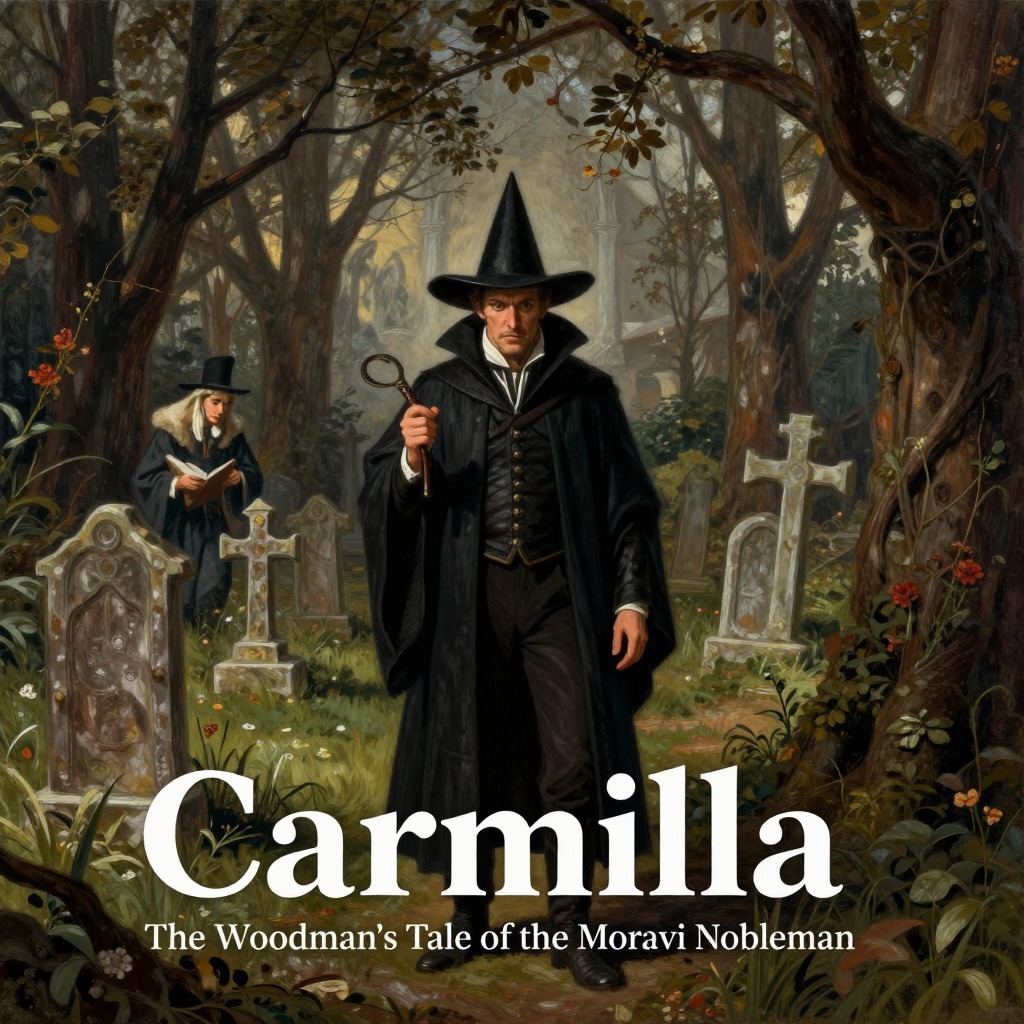
After the expulsion of Carmilla, Baron Vordenburg remained at the schloss for two or three weeks. During this time, Laura's father related to him the story of the Moravian nobleman who had destroyed a vampire at the Karnstein churchyard. In response, the Baron's grotesque features puckered into a mysterious smile; he looked down, still smiling, and fumbled with his worn spectacle case before looking up to speak. He revealed that he possessed many journals and other papers written by that remarkable man, the most curious of which treated the very visit to Karnstein. The tradition, he acknowledged, discolored and distorted the facts a little. The man might have been termed a Moravian nobleman, for he had changed his abode to that territory and was, besides, a noble. But he was, in truth, a native of Upper Styria.
The Ancestor's Love and Grief
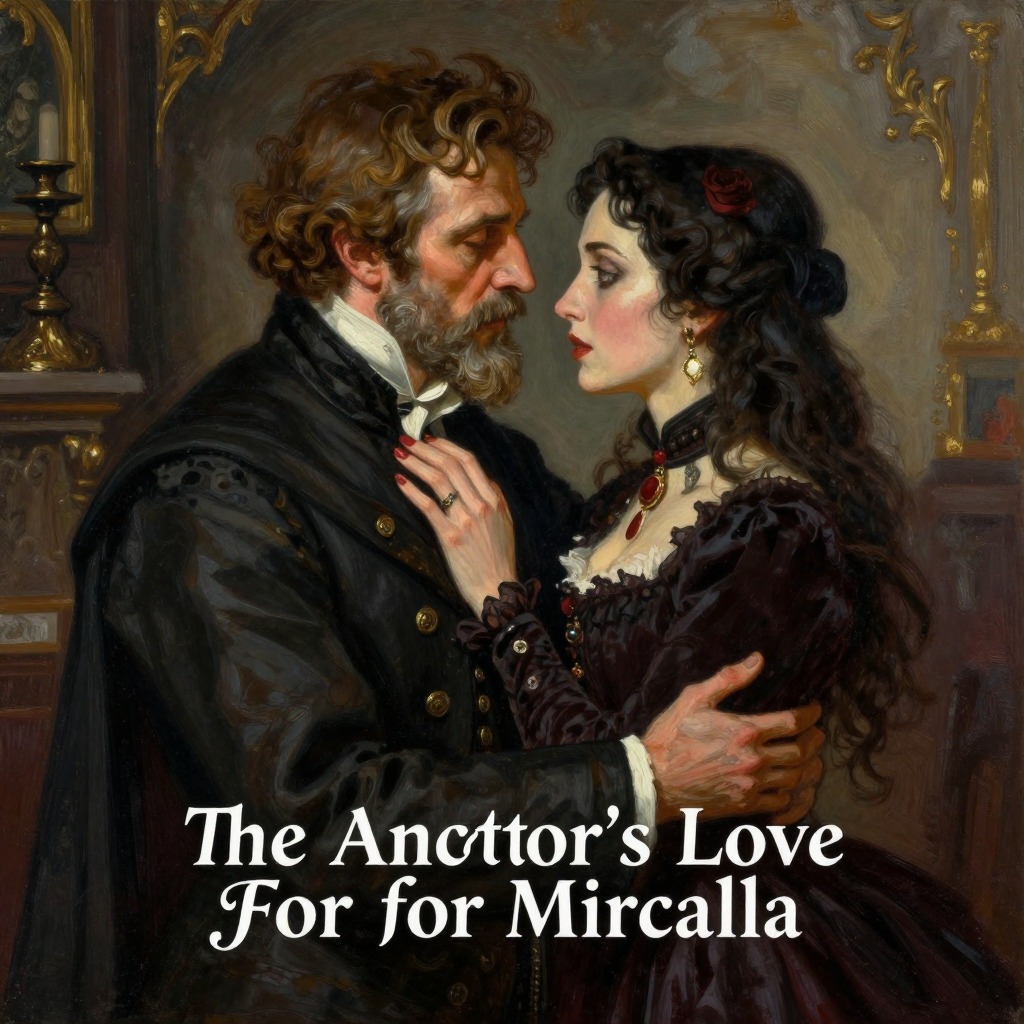
The Baron explained that in very early youth, his ancestor had been a passionate and favored lover of the beautiful Mircalla, Countess Karnstein. Her early death plunged him into inconsolable grief. The Baron then outlined the law by which vampires increase and multiply. A person, more or less wicked, puts an end to himself; a suicide, under certain circumstances, becomes a vampire. That specter visits living people in their slumbers; they die, and almost invariably, in the grave, develop into vampires. This, he said, happened in the case of the beautiful Mircalla, who was haunted by one of those demons. His ancestor, Vordenburg, whose title he still bore, soon discovered this and, in the course of the studies to which he devoted himself, learned a great deal more.
The Deliberate Concealment
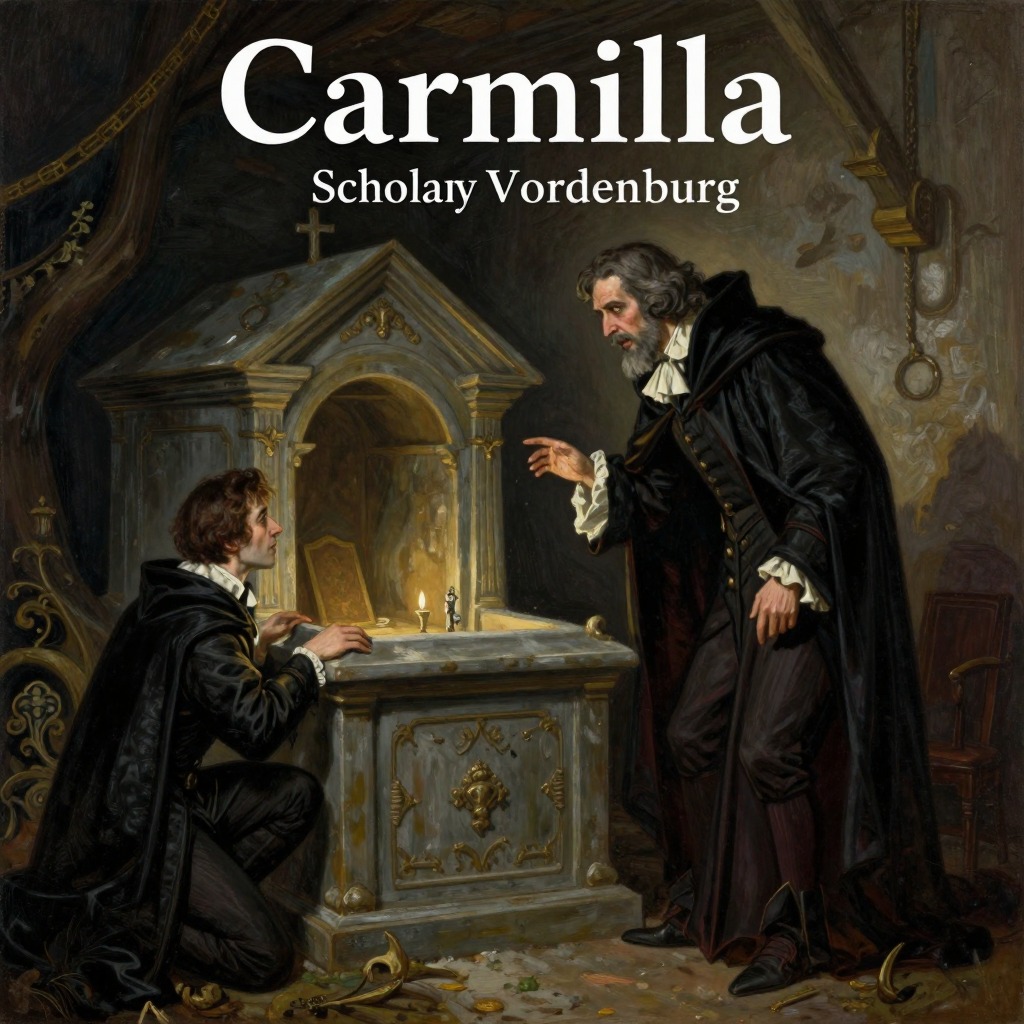
Among other things, the ancestor concluded that suspicion of vampirism would probably fall, sooner or later, upon the dead Countess, who in life had been his idol. He conceived a horror—be she what she might—of her remains being profaned by the outrage of a posthumous execution. He left a curious paper to prove that the vampire, on its expulsion from its amphibious existence, is projected into a far more horrible life, and he resolved to save his once beloved Mircalla from this fate. He adopted the stratagem of a journey to Karnstein, a pretended removal of her remains, and a real obliteration of her monument. When age had stolen upon him, and from the vale of years he looked back on the scenes he was leaving, he considered in a different spirit what he had done, and a horror took possession of him. He made the tracings and notes that guided the Baron to the very spot, and drew up a confession of the deception he had practiced. If he had intended any further action in this matter, death prevented him; and the hand of a remote descendant has, too late for many, directed the pursuit to the lair of the beast.
Significance of the Revelation
The Baron's story reframes the entire vampire hunt. The discovery of Mircalla's tomb was not a triumph of modern investigation but the belated correction of a centuries-old act of love and concealment. The ancestor, motivated by grief and a desire to protect his beloved from a second, more horrible death, had actively hidden the evidence that would have led to her destruction. His eventual guilt and confession, passed down through generations, finally enabled the execution. The revelation also deepens the vampire's character: Mircalla was not merely a predatory monster but also the object of a consuming, tragic love that outlasted her death and inadvertently prolonged her reign of terror. The story underscores the novel's themes of obsessive love, the haunting persistence of the past, and the moral ambiguities that surround even the most righteous acts of vengeance.