
Poirot's Last Case
CurtainPoirot's investigation becomes an ethical reckoning in which his pursuit of an untouchable manipulator leads him to commit a deliberate killing.
increasing Bearing strength in each event
 decreasing
Bearing strength in each eventdecreasingThe Apparently Helpless Detective
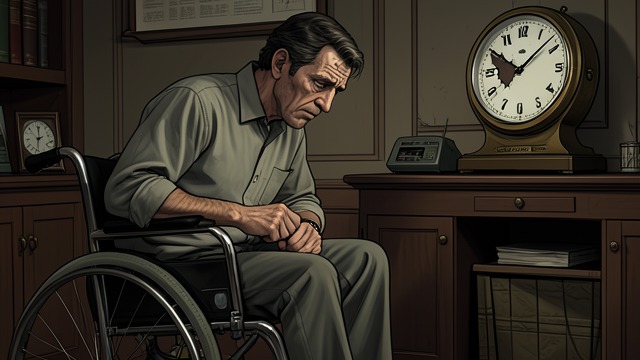
A Mind in a Failing Body
Visible decline
Poirot appears crippled by arthritis and dependent on a wheelchair. Hastings sees the old detective's body failing and fears that the mind may be following it.
A hidden performance
The appearance of helplessness is a deliberate deception. Poirot has sent Georges away, brought in Curtiss, and allowed Hastings to believe a false account of his physical condition.
A Murder He Cannot Prevent
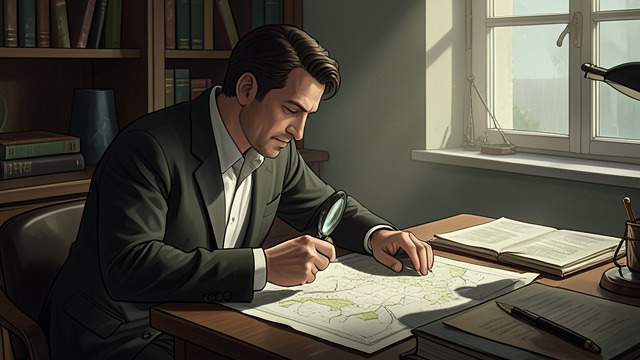
The Limits of Detection
A predicted crime
Poirot knows a person connected to five earlier cases is staying at Styles, and he expects another murder. He cannot identify a target or simply warn the household without revealing his investigation.
Thought instead of action
He insists that his mind remains his principal instrument. Yet the failures to prevent the shooting and poisoning press him toward an increasingly grave decision.
A Private Verdict
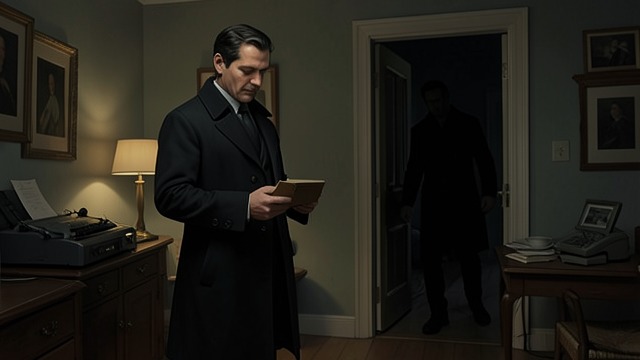
The Detective's Decision
A threat to others
Norton's half-seen observation could reopen suspicion around the Franklin household and expose innocent people to harm. Poirot concludes that the law cannot reach the instigator through ordinary proof.
A forbidden solution
He tells Norton plainly that he intends to kill him, then gives him drugged chocolate. The detective who has opposed murder decides that stopping further crimes requires becoming a murderer himself.
The Locked-Room Deception
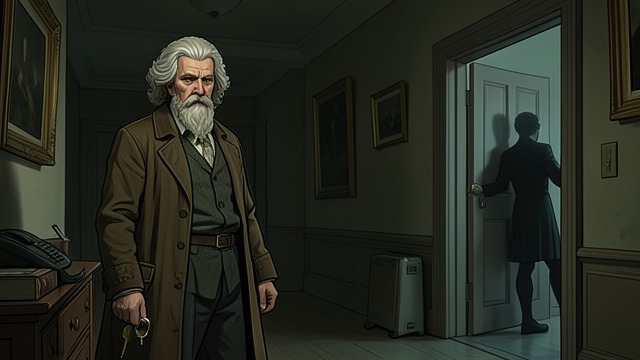
Replacing One Man with Another
Disguise and access
Poirot uses his wig, false beard, and duplicate key to impersonate Norton in the corridor. Hastings sees the apparent Norton enter his room and lock the door from within.
A staged suicide
Poirot then shoots Norton, arranges the body and key, and returns unseen. The trick manufactures the very evidence that had made the earlier cases seem complete.
The Last Instructions
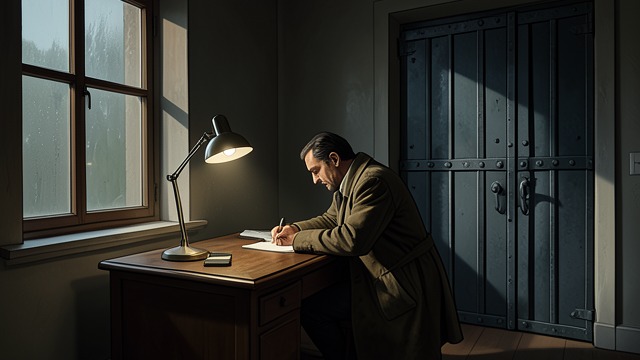
Confession After Death
A deliberate record
Poirot leaves a manuscript explaining Norton's influence, the deaths at Styles, and his own disguise. He makes clear that his apparently frail condition was part of the plan.
No easy absolution
The account does not settle whether the killing was justified. Poirot admits uncertainty and leaves Hastings with both the truth and the moral burden of judging it.
At Poirot's reunion with Hastings
During the first conversations about X
After Norton reveals what he saw
On the night Norton is killed
Four months after Poirot's death, when the manuscript reaches Hastings
