Devdas's Severe Health Decline
DevdasDevdas's Severe Health Decline is a recurrent illness that increasingly limits Devdas Mukherjee's movement and brings him close to death. First signaled by an ache and a doctor’s grave warning, it briefly recedes under treatment before returning with fever, severe weakness, and breathing difficulty. The episodes also expose how much his survival depends on care from Chandramukhi and Dharmadas, even as shame and his own habits complicate the help they can give him.
First Signs and Medical Warning
The illness first becomes visible when Chandramukhi notices a piece of flannel tied around Devdas Mukherjee’s stomach as he prepares to bathe. He explains that he sometimes feels an ache there. Chandramukhi fears that his liver may be infected and reproaches him for having ruined his health; he answers lightly that she may be right. Her alarm is more definite than his response, but the doctor’s visit soon gives the danger a clinical weight neither can dismiss.
The doctor examines Devdas Mukherjee for a long time, prescribes medicine, and insists that he will need the utmost care because the condition could become fatal. Both Devdas Mukherjee and Chandramukhi understand the seriousness of the warning. Word is sent to his home, Dharmadas arrives, and money is drawn from the bank for treatment. These practical arrangements show that the crisis calls for more than reassurance: care requires people to come to him and resources to be made available.
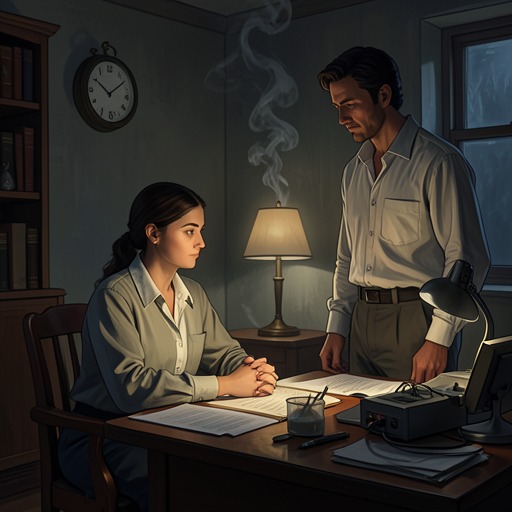
Two days pass without incident, but on the third Devdas Mukherjee develops a fever. He sends for Chandramukhi and recognizes that her arrival may have come just in time. She weeps, then begins tending to him earnestly and prays that he will recover. Her response combines intimate attachment with hands-on care: the doctor has identified the danger, but Chandramukhi becomes the person who stays beside him through the immediate crisis.
Temporary Recovery and Dependence
Devdas Mukherjee remains bedridden for nearly a month. His recovery is gradual, and the illness is contained rather than erased. That distinction becomes important when, a couple of months later, he is described as healed but not fully recovered. He needs a change of air and prepares to travel west with Dharmadas as his sole companion. The episode gives his health a direct effect on his movements: travel is presented as part of his recovery, while his physical condition still requires company and caution.
Chandramukhi asks to accompany him as a maid, but Devdas Mukherjee refuses. He considers accepting her in that role shameless. The refusal does not cancel her earlier care; instead, it reveals a limit on the support she can provide while he remains concerned with propriety and social shame. His illness has made him dependent, yet his response to that dependence still governs who may travel with him. The narrative therefore presents care as both necessary and constrained: Chandramukhi is willing to help, but Devdas Mukherjee will not allow her to join this journey.
Relapse and Worsening Condition
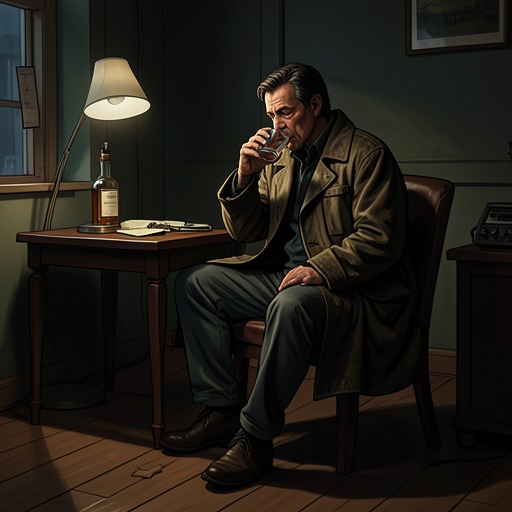
Later, Devdas Mukherjee’s illness returns amid a pattern of drinking away from home. He usually does not drink at home, except when Chunilal visits; instead, he tends to go out, return late, and sometimes fail to come back at all. For two days there is no sign of him. Dharmadas weeps and refuses food and drink. On the third day Devdas Mukherjee returns with a fever and lies down, unable to rise. Several doctors—three or four—come to attend him.
Dharmadas proposes writing to Harimati Devi in Varanasi, but Devdas Mukherjee stops him, saying he cannot face his mother in his present condition. The exchange makes his illness more than a medical emergency: it also exposes the shame that prevents him from seeking comfort from family. Dharmadas’s distress and the attempted call to Harimati Devi show that the people around him recognize the gravity of the relapse, while Devdas Mukherjee resists one possible source of support.
His condition is then described as seriously deteriorated. His liver is badly infected; coughs and recurring fever accompany marked physical weakness. This account gives specificity to Chandramukhi’s earlier fear without making her initial suspicion a diagnosis: the later narrative confirms a severe liver infection. His illness now appears not as a single bout that treatment has conclusively ended, but as a recurring condition that has become harder to contain.
Final Journey and Narrative Significance
During a later journey by cart, Devdas Mukherjee declines food at midday but asks for water, which the coachman fetches from a wayside pond. By evening he is shaking with fever, bleeding from his nose and gums, and struggling to breathe. When he asks how much farther remains, the coachman estimates about two miles and expects to arrive around ten at night. The exchange measures the journey against Devdas Mukherjee’s failing strength: the remaining distance is short, but his symptoms make even that stretch uncertain.
Across these episodes, apparent recovery repeatedly gives way to renewed danger. The doctor’s warning, the month in bed, the later need for a change of air, and the relapse at home mark successive limits on what Devdas Mukherjee can do. At the same time, the illness brings care into view through Chandramukhi’s tending, Dharmadas’s arrival and worry, and the doctors called to his bedside. It also shows the cost of his refusal to face his mother and his continued drinking outside the home, without reducing the illness to a simple moral consequence. The narrative’s emphasis remains on a body that grows less able to travel or recover, and on the people who try to accompany and sustain him as that capacity diminishes.