Ribera umbrosa, ¿ques de mi Sireno
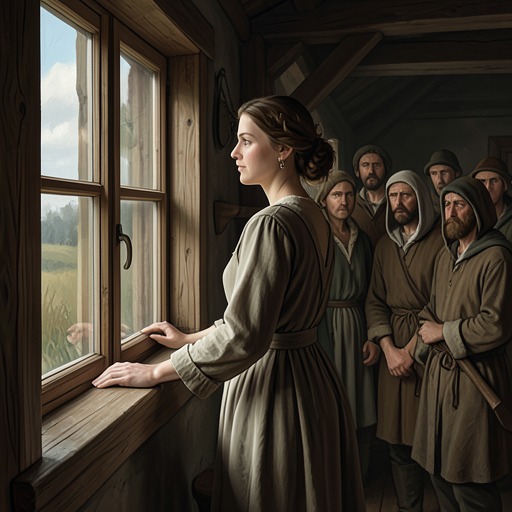
Diana“Ribera umbrosa, ¿ques de mi Sireno?” turns a shaded riverbank into the speaker’s addressee and the absent Sireno into the measure of her loss. Repeated in song, the question binds place to memory: the river and meadow remain recognizable, while love, presence, and feeling change around them.
The riverbank as a landscape of memory
The lyric belongs to a pastoral world in which particular places preserve the history of love. Sireno returns to the green meadows watered by the Ezla River and recalls the freedom and contentment he knew before love took possession of him. A beech tree, the riverbank, and the place where he first saw Diana bring the past sharply into view. He weeps, takes out a paper containing green silk cords and hair, and plays his rabel. In this setting, the question of where Sireno is carries more than a request for his whereabouts: it makes the landscape register the distance between former intimacy and present separation.
The repeated line appears in the form “Ribera umbrosa, ques de mi Sireno?” The riverbank is addressed as though it might answer, but the question preserves absence rather than resolving it. Its emotional force rests on the contrast between a familiar place and a beloved who cannot be reached there.
Repetition and changing voices
The line recurs in two lyric passages, giving it the quality of a refrain within the work’s wider exchange of pastoral songs. Around it, songs repeatedly turn private feeling into something heard and remembered by others. One song laments eyes that can no longer see the person who once looked at them; elsewhere, Selvagia sings of past happiness and the uncertain turns of Fortune. These are distinct lyrics, not repetitions of the riverbank question, but they share its concern with love altered by absence and time.
Song also makes remembered events travel between speakers. Three nymphs sing together beside the stream, then Dorida explains that Celio secretly witnessed Sireno and Diana’s farewell at a nearby spring and set their exchange into verse. The episode shows how a lovers’ separation can become a song carried beyond its original moment and place. The recurring question similarly holds an intimate loss in a form that can return to the pastoral scene.
Diana, Sireno, and the changed meaning of absence
The later scene at the spring of the alders gives the lyric’s central absence a striking reversal. Diana sings a romance while looking down and toward the water, sometimes wiping away tears. Sireno is present with Selvagia and Silvano, but remarks that there was a time when Diana’s music and sight would have given him greater pleasure than they do now. The man once asked after as absent is physically there, yet the feeling that made his presence matter has altered.
This scene does not repeat the riverbank line: Diana sings “Cuando yo triste nací.” Its importance to the expression lies in the contrast it creates. The earlier question makes Sireno’s absence the wound; the later encounter separates physical presence from emotional return. The riverbank’s remembered question therefore belongs to a narrative in which loss can persist even after the lovers meet again.
A lyric motif within the song cycle
The book repeatedly shifts between prose narration and songs, allowing a lyric to pause the action and give feeling a distinct voice. The riverbank question is especially economical: it joins a named place, an absent person, and a direct appeal in a single recurring line. Its return does not settle what has become of Sireno. Instead, the surrounding songs and encounters expose how unstable the answer is: landscapes endure, memories circulate, and the meaning of a beloved’s absence changes as the characters change.