Pasados contentamientos, qué queréis
DianaPasados contentamientos, qué queréis? is a song Sireno sings when he encounters Diana’s sheep in a green pasture. Its refrain turns the past into an interlocutor: former joys are asked to leave him alone, even as the landscape and flock recall the life he once shared with Diana. The song’s decisive force lies in that contradiction. Sireno has been made to forget his love by Felicia’s enchanted water, yet recognition, memory, and song keep drawing the old attachment back into view.
Place in the Narrative
The song occurs late in the novel, after Sireno has returned to the pastoral world in which his love for Diana began. He is making his way down from the village toward the spring of the alders, hoping to meet Selvagia or Silvano, whose companionship now gives him pleasure. His feelings about Diana have changed: remembering the time he loved her brings him a sense of absence, but the narration stresses that her love no longer causes him pain. The distinction matters. The song is not simply an unchanged lament from the beginning of his story; it belongs to a later, altered condition in which love has been forgotten, while recollection still marks what has been lost.
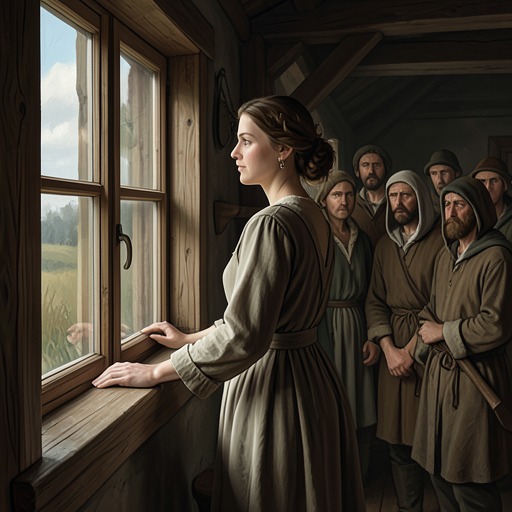
Before reaching the spring, Sireno finds Diana’s sheep grazing among myrtles and laurels, guarded by fierce mastiffs. At first the dogs approach with the force of protectors, their collars ringed with sharp steel points. Once they recognize him, however, they wag their tails, lower their necks, and press around his feet; the sheep gather too, led by the oldest ewe with its rustic bell. The animals’ welcome restores a scene from his former life with Diana more effectively than any deliberate act of recollection could. Their recognition contrasts with Diana’s former change of heart: the flock remembers the shepherd who once tended it, while the human bond that gave the scene its meaning has been transformed.
The Song and Its Refrain
The text identifies the piece as a canción and marks its opening with the title, which is also its central question. Its refrain returns to the demand that the past stop wearying the singer. That recurring appeal gives the song a clear dramatic action: Sireno tries to set a boundary between himself and former happiness, repeating the refusal as the remembered world presses closer. The phrase is not a detached reflection on time but a plea made in the presence of the very creatures and landscape that make the past vivid.
The surviving stanzas move through distinct objects and responses rather than remaining at the level of generalized sorrow. Sireno addresses the green field and shaded valley where he once found joy, then recalls a changed heart that had grown weary of reassuring him. He turns next to the lambs and sheep that once belonged to his shared pastoral life with Diana. Each address ties emotional change to a recognizable part of the scene: landscape, a lover’s altered heart, and the flock itself. The refrain binds these different memories together, while the song’s closing possibility is starkly conditional. If the sheep have come to trouble him, they cannot; if they have come to console him, they may; and if they have come to kill him, he invites them to finish the work. The sequence exposes how little control the singer has over what memory does to him, even when he insists that passion can no longer disturb him.
Memory, Magic, and Recognition
The episode makes the song’s claim of detachment deliberately unstable. The narration explicitly attributes Sireno’s forgetfulness to the water given to him by the wise Felicia. The flock’s recognition does not undo that enchantment in the scene, and the text does not say that Sireno falls back into love. Instead, the animals’ behavior and the remembered pastoral routine move him to tears. He recalls that he once grazed Diana’s flock alongside her, and the contrast between the animals’ recognition and the failure of their mistress to remember their former bond gives the moment its particular sting.
This is a memory scene without a simple return to the past. The song’s repeated request that old joys leave him alone acknowledges that they have arrived again, but the ending does not resolve whether their presence consoles or wounds him. Its alternatives—disturbance, comfort, or death—keep the emotional effect open. The enchantment has altered Sireno’s relation to Diana, yet the scene shows that a changed inward state does not erase the traces of a shared life from its places, habits, and animals.
The Song Within the Novel’s Lyric Form
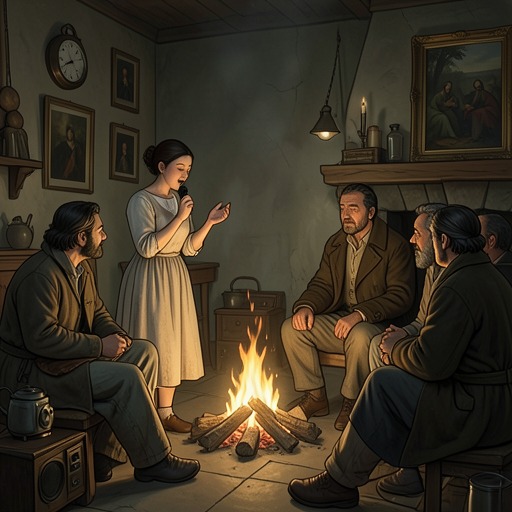
The scene also connects the song to the novel’s larger practice of placing lyric performances inside pastoral narration. The book combines prose and verse, and its characters repeatedly sing in different forms. Earlier, a sonnet is heard when a shepherdess approaches the spring; elsewhere three nymphs perform a villancico together. Diana later sings a romance beside the same spring, and Duarda and Armia sing in Portuguese about changing times and enduring fidelity. These examples establish a varied lyric environment rather than a single fixed form for pastoral feeling.
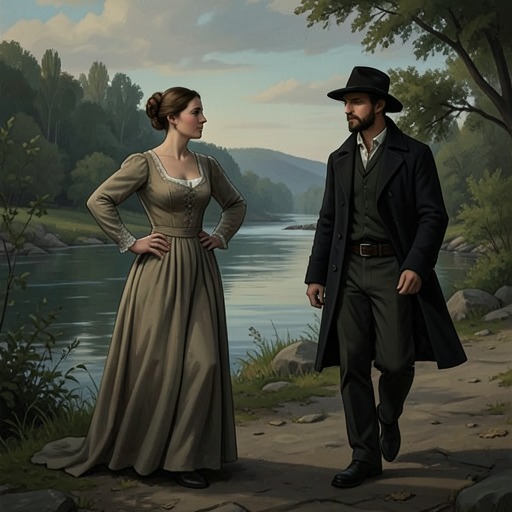
Against that variety, Sireno’s canción is defined by its insistent return to the refrain and by its close attachment to the immediate scene. The rabel he plays makes the flock’s reunion a performance: the animals are not merely the subject of recollection but the listeners and living evidence of the past he is trying to dismiss. After he finishes, Diana recognizes his voice, as do Selvagia and Silvano. They call him to join them at the spring, and he explains that he must remain in the field until it is time to return his flock to the village. The song thus carries him from solitary address back into company without restoring his former love. Its enduring significance is precisely this divided outcome: Sireno can no longer experience Diana as he once did, but the remembered world of their affection still has a voice.