
The Ethics of Magical Ownership
Fantastic Beasts and Where to Find ThemThis flow examines the difference between affection, possession, and responsible care through creatures kept in homes or used for human purposes.
increasing Bearing strength in each event
 decreasing
Bearing strength in each eventdecreasingThe Question of Domestication
The Question of Domestication
A measure of manageability
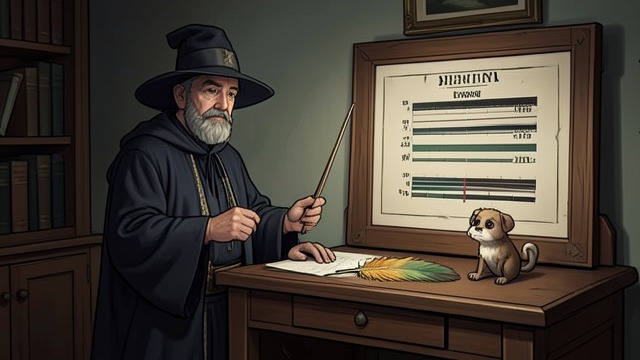
The Ministry rating system describes how dangerous creatures are and whether wizards can handle or domesticate them. Some animals are harmless enough for homes, while others require specialist knowledge.
A limited standard
A creature’s ability to be kept does not establish its value or whether ownership is ethical. A Phoenix receives a demanding rating because few wizards domesticate it, despite its gentleness.
The book separates practical management from moral worth. Being easy to own is not the same as being more deserving of care or attention.
Pets with Conditions
Pets with Conditions
Affection and limits
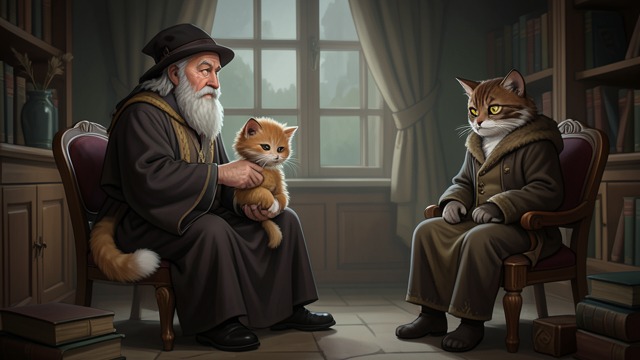
Puffskeins are docile companions, while Kneazles are independent and may become devoted only to a chosen owner. Such differences shape what a responsible household can expect.
Duties accompany attachment
Fwoopers need a maintained Silencing Charm, and Crups need careful control around Muggles. A loving relationship cannot be separated from the animal’s requirements and the effects on others.
The entries resist the idea that possession is a simple expression of affection. Care means learning what each creature needs, not assuming that a pet will adapt to any home.
Creatures Used as Materials
Creatures Used as Materials
Value and exploitation
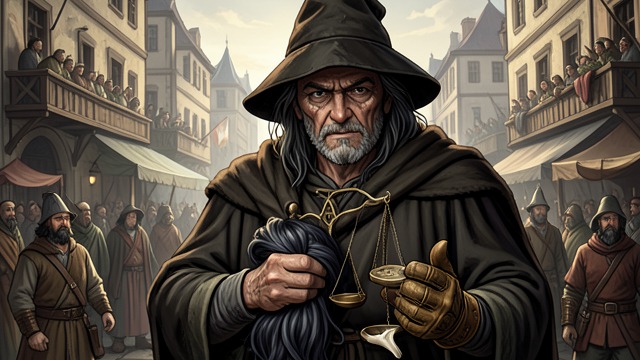
Demiguise hair can be spun into Invisibility Cloaks, Dragon parts have magical properties, and Moke skin becomes valuable for moneybags. These uses give creatures a place in magical commerce.
Protections against overuse
Trade categories restrict items such as eggs and rare animal products. The danger of trade is visible in the decline of the Romanian Longhorn as horns are sought after.
The book acknowledges the usefulness of creature-derived materials while showing that value can threaten populations. Ethical use depends on limits that prevent demand from becoming destruction.
Animals as Warning Devices
Animals as Warning Devices
Utility for wizards
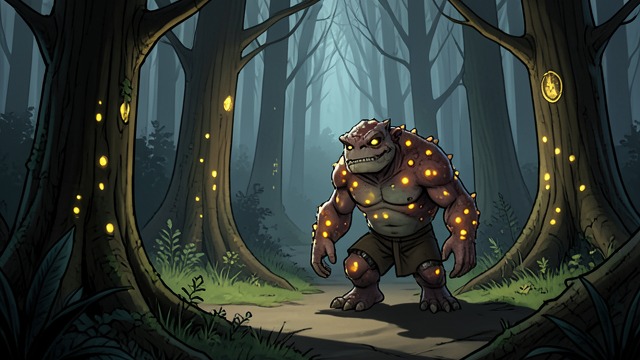
American wizards once keep Clabberts because their flashing pustules warn of approaching Muggles. The creature becomes a living alarm serving its owner’s desire for secrecy.
The costs of display
The glowing trees attract the very attention they are meant to detect, and fines help end the practice. The animal’s usefulness becomes inseparable from the public disturbance its presence creates.
This case asks whether convenience justifies turning a creature into equipment. Even a magical adaptation can be misused when owners ignore the animal’s place in a shared environment.
Knowledge Before Ownership
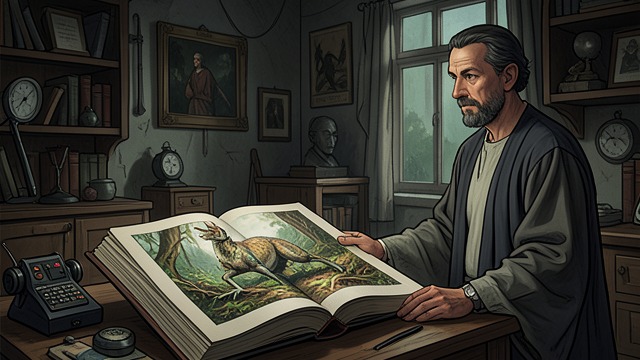
Knowledge Before Ownership
Understanding as a restraint
Newt’s book gives readers the habits, dangers, and habitats of creatures, not merely advice on keeping them. The breadth of the entries encourages observation before human intervention.
A broader responsibility
He argues for protecting even savage and untameable beasts so future generations can encounter their beauty and powers. The goal extends beyond possession or immediate usefulness.
The book’s deepest ethic is that knowledge should make people more responsible, not more entitled. To understand a creature is partly to recognize the limits of human ownership over it.
when Ministry ratings are introduced
when household creatures are described
when magical creature products are catalogued
when Clabbert garden keeping is discussed
in Newt’s closing appeal for magizoology
