
The Long Shadow of the East
FatherlandThis flow traces the novel’s eastern empire from promised settlement and military victory to insurgency, exhaustion, and moral ruin.
increasing Bearing strength in each event
 decreasing
Bearing strength in each eventdecreasingConquest as Promise
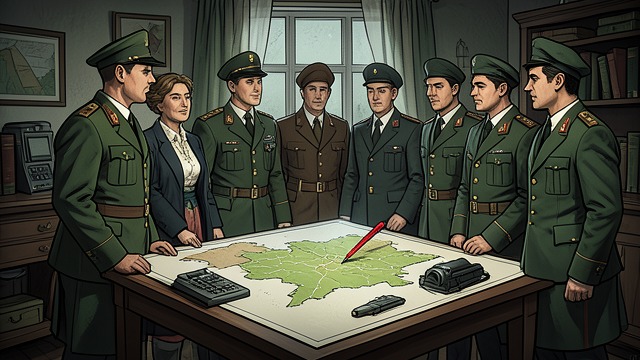
Conquest as Promise
Expansion Eastward
The regime portrays the invasion of Poland and the later campaign against the Soviet Union as a mission to secure living space. Conquest promises land, resources, and national renewal.
Human Displacement
The promise depends on removing existing populations and resettling Germans. Expansion is presented as opportunity while its human costs are pushed out of sight.
Victory and Its Aftermath
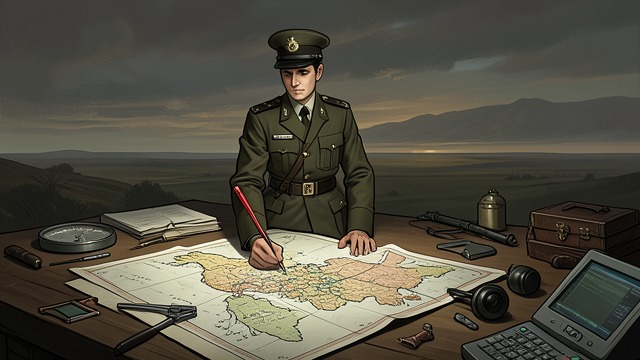
Victory and Its Aftermath
A Changed War
Germany defeats Soviet conventional forces and later reaches armistice with Britain and peace with the United States. The regime presents these outcomes as proof of Hitler’s strategic genius.
A New Stalemate
The conflict persists as a nuclear-era struggle and guerrilla war in the East. Military triumph becomes an unfinished occupation rather than a stable peace.
The Settlers Return
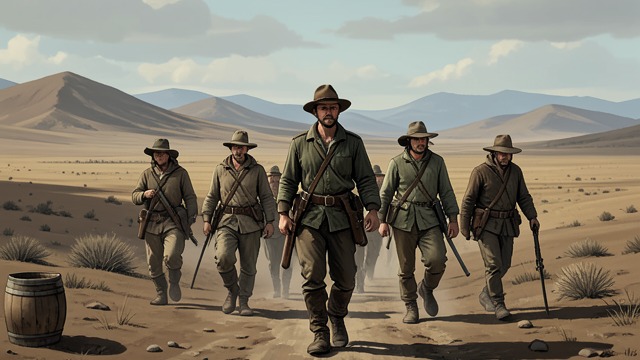
The Settlers Return
A Failed Imperial Dream
Nebe tells March that many settlers sent east want to return. The territories intended as permanent German living space prove difficult to inhabit and defend.
Resistance Persists
Guerrillas supplied by the United States continue to fight. The empire’s expansion has created a vast frontier that consumes people and resources without producing security.
The State Seeks Detente
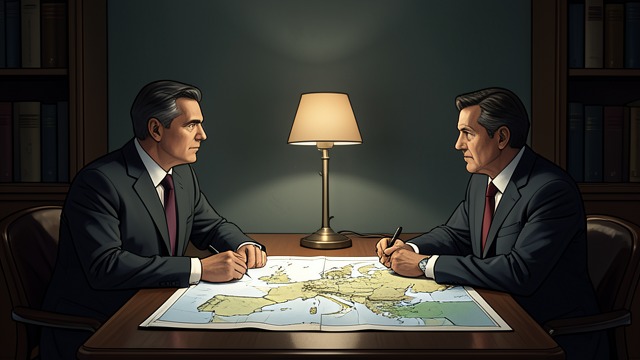
The State Seeks Detente
A Diplomatic Opening
Germany invites Kennedy to Berlin as unrest and war weariness continue. The summit offers a chance to stabilize the regime’s international position.
A Fragile Calculation
The announcement depends on suppressing any revelation that might disrupt negotiations. The diplomatic opening therefore increases the urgency of the witness purge.
An Empire Under Question
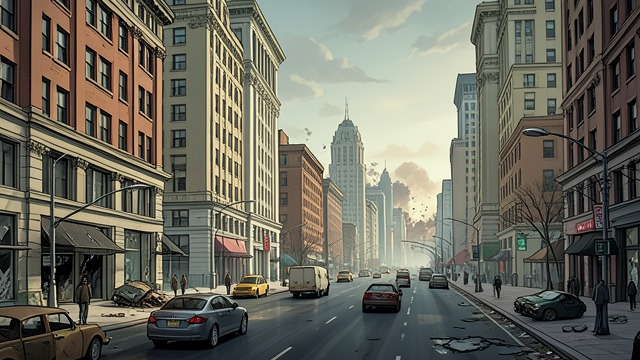
An Empire Under Question
The Price of Permanence
The monumental capital and eastern highways promise an empire that will last, while insurgency and hidden mass graves contradict that promise. Expansion leaves both physical scars and political liabilities.
A Future Unsettled
March’s evidence challenges the history on which the empire depends. The novel does not show the empire falling, but exposes the instability beneath its spectacle.
1941
1943–1946
By 1960
Wednesday, April 15, 1964
Near the ending, April 20
