New Year’s Eve
The New Year’s Party
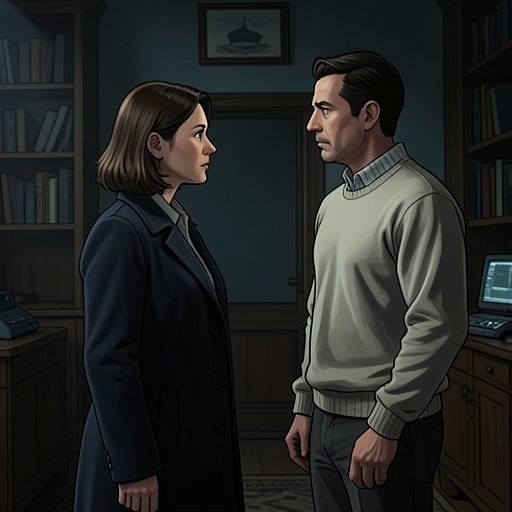
At a fondue party hosted by [Sybil Davison](entity:character-recall-character-sybil-davison-e3e1341dea2f) in Summit, [Katherine Danziger](entity:character-recall-character-katherine-danziger-a9a00586a0ee) meets [Michael Wagner](entity:character-recall-character-michael-wagner-ff5e8d428974) while [Erica Small](entity:character-recall-character-erica-small-413fa6b5347b) helps fend off an awkward boy named Fred. [Katherine](entity:character-recall-character-katherine-66e439ad0b50) notices [Michael](entity:character-recall-character-michael-119cca2a9432)’s reddish-blond hair and mole, but he leaves with Elizabeth, and Katherine watches them kiss at midnight.
[Erica](entity:character-recall-character-erica-8e76eccafb59) later tells Katherine that Michael asked for her surname and phone number. The encounter stirs Katherine’s curiosity even as she tries to pretend it does not.
New Year’s Day
Michael Comes Back
The next day, Sybil tells [Katherine](entity:character-recall-character-katherine-66e439ad0b50) that [Michael](entity:character-recall-character-michael-119cca2a9432) has called and is coming to collect his records. Katherine asks whether he is involved with Elizabeth, then heads downstairs when she hears him calling out her initials.
Michael takes Katherine’s wrist and admits that he came back because he wanted to see her again. He suggests a ride, and she agrees as long as she is home before her father arrives.
New Year’s Day afternoon
The First Date
[Michael](entity:character-recall-character-michael-119cca2a9432) drives [Katherine](entity:character-recall-character-katherine-66e439ad0b50) through the Watchung Reservation, where they talk about their childhoods, school, and plans for college. He compliments her dimples, takes her hand, and offers to teach her to ski.
Before returning her to Sybil’s house, Michael asks if he can kiss her. Their first kiss is warm and gentle, and his affectionate farewell leaves Katherine wishing she had said more than goodbye.
That evening after New Year’s Day
Katherine Tells Her Mother
[Katherine](entity:character-recall-character-katherine-66e439ad0b50) tells [Diana Danziger](entity:character-recall-character-diana-danziger-ac15541edb52) that she has met a nice boy, describing [Michael](entity:character-recall-character-michael-119cca2a9432)’s hair, glasses, and love of skiing. Her mother’s smile makes Katherine feel that the party went well, and she says she will see Michael again that weekend.
At home, [Jamie Danziger](entity:character-recall-character-jamie-danziger-7a6e66265ca3) embroiders Katherine’s jeans and teases her about falling in love. Katherine insists that she has never truly been in love, thinking instead of her former infatuation with [Tommy Aronson](entity:character-recall-character-tommy-aronson-b9940d80f468) and the pressure he put on her to have sex.
The first week of January
Nightly Phone Calls
[Michael](entity:character-recall-character-michael-119cca2a9432) calls [Katherine](entity:character-recall-character-katherine-66e439ad0b50) each night, joking about his elderly dog Tasha and asking about Katherine’s interests. Their conversations grow easy and playful as they trade jokes about tennis, dance, spinach, and skiing.
Katherine finds herself looking forward to their Friday date and prepares carefully, choosing clothes she hopes he will like. When Michael arrives, they start speaking at once and laugh together, easing her nervousness.
The first Friday after New Year’s
Meeting the Danzigers
[Michael](entity:character-recall-character-michael-119cca2a9432) meets [Katherine](entity:character-recall-character-katherine-66e439ad0b50)’s parents and [Jamie](entity:character-recall-character-jamie-9ab1c29c9c6f) in the family’s colorful home, where he admires Jamie’s artwork. Katherine is both proud of her sister and slightly jealous when she sees how genuinely impressed Michael is.
The young couple go to a movie and dinner, then return to the house rather than park somewhere secluded. Katherine’s parents have encouraged her to bring dates home, and she ushers Michael into the private den after checking in with them.
That Friday night
A Boundary in the Den
In the den, [Michael](entity:character-recall-character-michael-119cca2a9432) and [Katherine](entity:character-recall-character-katherine-66e439ad0b50) kiss and become more physically intimate. When he tries to move his hands beneath her sweater, Katherine asks him to save something for another time, and he does not pressure her.
Michael asks whether she is a virgin, explaining that he wants to understand her expectations. Katherine says yes, and the question leaves her wondering whether he would have gone further if she had answered differently.
January
The Families’ Winter Routine
[Katherine](entity:character-recall-character-katherine-66e439ad0b50) describes her family’s life: her father, [Roger Danziger](entity:character-recall-character-roger-danziger-ec718ff64457), owns [Danziger's Drugs](entity:organization-recall-organization-danziger-s-drugs-e989f267fb2a) and values exercise, while her mother works as a librarian. Katherine helps in the family stores during the busy Christmas season and often visits her maternal grandparents, [Hallie Gross](entity:character-recall-character-hallie-gross-7f7c27b11c2d) and [Ivan Gross](entity:character-recall-character-ivan-gross-5c0c58d75e06).
Ivan Gross has suffered a stroke and struggles to speak, while Hallie remains active in law and politics. Their enduring marriage provides Katherine with an example of a loving partnership and makes her attentive to the care and vulnerability within families.
Late January
A Double Date at Home
Before her parents leave for a vacation, [Katherine](entity:character-recall-character-katherine-66e439ad0b50) invites [Michael](entity:character-recall-character-michael-119cca2a9432) and his friend [Artie Lewin](entity:character-recall-character-artie-lewin-f605516f8807) over, while [Erica](entity:character-recall-character-erica-8e76eccafb59) joins them. Artie brings a supply of board games, and his eager preparation becomes a running joke as Erica beats him at backgammon.
Katherine and Michael sit together, tracing one another’s palms and trading flirtatious remarks. The casual gathering gives Katherine a glimpse of Michael’s friendship with Artie and lets her and Michael grow closer in familiar surroundings.
Late January, later that evening
Stopping at the Den Door
After the four friends return from getting pizza, [Michael](entity:character-recall-character-michael-119cca2a9432) and [Katherine](entity:character-recall-character-katherine-66e439ad0b50) are alone in the den. He kisses her and touches her beneath her clothes, but when he moves toward her jeans she stops him because their friends are in the next room.
Michael asks for a moment alone, and Katherine realizes she might not have stopped him if [Erica](entity:character-recall-character-erica-8e76eccafb59) and Artie had not been there. The encounter leaves her both eager for him and newly conscious of how difficult it can be to hold to a boundary in the heat of the moment.
That night
Erica’s Plan
[Erica](entity:character-recall-character-erica-8e76eccafb59) tells [Katherine](entity:character-recall-character-katherine-66e439ad0b50) that she wants to have sex before college, partly because she is tired of wondering what it will be like. She says she sees sex as physical, while Katherine hopes it will express love.
Katherine defends the idea that sex means more when love is involved, though she admits she thinks about it too. Their disagreement establishes a contrast between Erica’s practical approach and Katherine’s romantic hopes without weakening their friendship.
Early February
The Family Dinner
While [Hallie Gross](entity:character-recall-character-hallie-gross-7f7c27b11c2d) and [Ivan Gross](entity:character-recall-character-ivan-gross-5c0c58d75e06) stay with the family, [Jamie](entity:character-recall-character-jamie-9ab1c29c9c6f) cooks elaborate meals with her grandmother’s help. [Katherine](entity:character-recall-character-katherine-66e439ad0b50) observes the closeness between her grandparents and recognizes how openly her parents, Diana and Roger, also enjoy one another’s company.
[Michael](entity:character-recall-character-michael-119cca2a9432) joins the family for dinner and is welcomed by the grandparents. Afterward Hallie tells Katherine to be careful about pregnancy and venereal disease; Katherine protests that she and Michael are not having sex, and Hallie dryly points out that this could change.
Mid-February, before Washington’s Birthday weekend
The Vermont Invitation
[Michael](entity:character-recall-character-michael-119cca2a9432) invites [Katherine](entity:character-recall-character-katherine-66e439ad0b50) to spend the long weekend skiing at his sister [Sharon Wagner](entity:character-recall-character-sharon-wagner-0b363f73b34d)’s house in [Vermont](entity:location-recall-location-vermont-1342c569e4cb). Katherine’s parents hesitate, especially Roger, who worries about the danger of skiing and the possibility of emotional or physical hurt.
Diana speaks with Sharon and supports the trip, and Katherine’s parents eventually agree. Katherine buys bright ski clothes with her savings, while Roger privately tells her that he likes Michael but fears seeing her get hurt.
The Friday before the Vermont trip
The Period Disclosure
Before leaving, [Katherine](entity:character-recall-character-katherine-66e439ad0b50) tells [Michael](entity:character-recall-character-michael-119cca2a9432) that her period has arrived a week early. She is disappointed because she expects it to limit their intimacy, but Michael reassures her that he is glad she can still come.
Their candid exchange reflects Katherine’s increasing willingness to speak plainly about her body and expectations. It also foreshadows how they will have to balance desire with practical concerns during their first trip away together.
Washington’s Birthday weekend
Sharing a Room in Vermont
[Katherine](entity:character-recall-character-katherine-66e439ad0b50) travels to the ski house with [Michael](entity:character-recall-character-michael-119cca2a9432), Sharon, and Sharon’s husband Ike. The house has three bedrooms, and Katherine and Michael are to share one; before bed, however, they go to separate rooms after Michael tells her to call when she is finished in the bathroom.
Katherine feels disappointed by their restrained goodnight, but Michael later comes to her room. He tells her he had not meant to touch her that night, then admits he wants to hold her; Katherine says she would have been disappointed if he had not come.
The first night in Vermont
Their First Declaration
[Katherine](entity:character-recall-character-katherine-66e439ad0b50) and [Michael](entity:character-recall-character-michael-119cca2a9432) kiss and hold one another in bed, while Katherine stops his hand from moving between her legs. She wants the closeness but does not want them to get carried away.
Before they sleep with their arms around each other, Michael tells Katherine that he loves her. She realizes she loves him too, but wonders whether a relationship can truly be called love when they have met only nineteen times. When he asks if it is forever, she answers that it is.
Saturday of Washington’s Birthday weekend
Katherine Learns to Ski
[Michael](entity:character-recall-character-michael-119cca2a9432) teaches [Katherine](entity:character-recall-character-katherine-66e439ad0b50) to ski, guiding her through the awkward walk in ski boots, the chairlift, and the beginners’ slope. She falls repeatedly, but by lunch she has managed several runs and begins to enjoy the exhilaration of moving over snow.
Michael praises her progress and encourages her to continue after lunch. Their shared day gives Katherine confidence and becomes a joyful memory of the relationship they have just promised will last forever.
Saturday night in Vermont
A Quiet Night Together
After skiing, [Katherine](entity:character-recall-character-katherine-66e439ad0b50) and [Michael](entity:character-recall-character-michael-119cca2a9432) walk outside beneath a clear sky and talk about the stars. Back at the house, Sharon and Ike are smoking marijuana, and Michael explains that he sometimes smokes with them, though he no longer does regularly.
Katherine says that she dislikes losing control and declines to smoke. Michael does not push her, and the couple go upstairs together, where their growing intimacy becomes more direct.
Later that night in Vermont
Their First Sexual Encounter
In bed, [Katherine](entity:character-recall-character-katherine-66e439ad0b50) and [Michael](entity:character-recall-character-michael-119cca2a9432) kiss and touch one another while still partly clothed. Katherine asks Michael to show her what to do, and he guides her hand; she discovers that intimate touch feels less frightening than she expected.
Afterward they clean up and lie together. Michael repeats that his love is not merely about sex, and Katherine says she loves him too. The experience marks a new stage in their relationship, though they have not had intercourse.
Monday after Washington’s Birthday weekend
The Return from Vermont
When [Katherine](entity:character-recall-character-katherine-66e439ad0b50) returns, [Jamie](entity:character-recall-character-jamie-9ab1c29c9c6f) asks whether she and [Michael](entity:character-recall-character-michael-119cca2a9432) still like each other. Katherine says the trip has made them stronger, while Roger admits he worries that she may become too involved or make decisions too young.
Katherine resists the idea that love should be treated as a temporary attachment. On the drive to school, she asks Diana about her own sexual history, and her mother explains that she had waited until engagement while emphasizing that Katherine must decide responsibly for herself.
Late February
Erica and Artie Grow Closer
[Erica](entity:character-recall-character-erica-8e76eccafb59) says that Artie still has not kissed her, despite asking her to his school play. She finally asks him whether he is gay, and he answers that he does not know but is trying to find out.
Artie admits that he is frightened, and Erica offers to help him understand himself. Their frank conversation develops into a relationship built on patience and trust, though Erica continues to wonder whether she can help him become comfortable with sexual intimacy.
March
Artie’s College Setback
During a double date at a hockey game, [Erica](entity:character-recall-character-erica-8e76eccafb59) reveals that Artie has been accepted by the [American Academy of Dramatic Arts](entity:organization-recall-organization-american-academy-a79dd0ca5005), but his father refuses to let him attend. Artie says his father will pay only for a traditional four-year college, leaving Artie feeling trapped.
Erica urges him to stand up for himself, and [Michael](entity:character-recall-character-michael-119cca2a9432) sharply tells her to stop pushing. [Katherine](entity:character-recall-character-katherine-66e439ad0b50) later learns that Artie’s joking public persona conceals a deep dislike of school and uncertainty about his future.
Mid-March
Michael Comes Home Early
[Michael](entity:character-recall-character-michael-119cca2a9432) leaves his ski trip early and returns to New Jersey because he misses [Katherine](entity:character-recall-character-katherine-66e439ad0b50). When she jokes that he might have venereal disease, he reacts seriously and tells her that he contracted it the previous summer from a girl he met in Maine.
Katherine is unsettled that Michael never knew the girl’s last name and could not tell her about the infection. Their argument exposes the risks of assuming that love alone guarantees safety, and Michael admits that he feels tangled up and frustrated after a difficult week.
That Friday night
The Apartment Key
[Michael](entity:character-recall-character-michael-119cca2a9432) reveals that he has the key to Sharon and Ike’s apartment in Springfield. [Katherine](entity:character-recall-character-katherine-66e439ad0b50) is wary but agrees to go, and the two joke their way through a tour of the rooms before arriving at the bedroom.
Michael says he has never brought another girl there, then teases Katherine about the key being new. Their playfulness turns into kissing and intimate touching, and Katherine allows their physical relationship to deepen while remaining uncertain about intercourse.
The next night
A Failed First Attempt
[Katherine](entity:character-recall-character-katherine-66e439ad0b50) and [Michael](entity:character-recall-character-michael-119cca2a9432) return to the apartment, where they intend to have intercourse. Katherine tells him she is frightened and insists on using a condom because she is worried about pregnancy; Michael finds one in his wallet.
Michael ejaculates before he can enter her, and he is ashamed and apologetic. They try again after buying more condoms, and he enters her with a brief sharp pain, but Katherine does not experience pleasure or orgasm. She leaves feeling relieved to have passed through the first-time experience, yet disappointed that it was not the perfect moment she had imagined.
The Sunday after their first intercourse
The Article About Saying No
[Katherine](entity:character-recall-character-katherine-66e439ad0b50) receives a call from [Tommy Aronson](entity:character-recall-character-tommy-aronson-b9940d80f468), who asks her out and then tries to get [Erica](entity:character-recall-character-erica-8e76eccafb59)’s number. She refuses him, recognizing how little she now cares about the old relationship.
Diana gives Katherine a newspaper article about sexual decision-making, discussing consent, expectations, sources of help, and the possibility that a relationship may end. Katherine appreciates its advice about not feeling pressured, but resents the suggestion that she should already be planning for a breakup.
Mid-March
The Clinic Pamphlets
[Hallie Gross](entity:character-recall-character-hallie-gross-7f7c27b11c2d) sends [Katherine](entity:character-recall-character-katherine-66e439ad0b50) information from [Planned Parenthood](entity:organization-recall-organization-planned-parentho-957aee035794) about birth control, abortion, and venereal disease. Katherine initially thinks her grandmother has jumped to conclusions, but she reads the material and realizes how useful it is.
Katherine calls the [Margaret Sanger Clinic](entity:location-recall-location-margaret-sanger-clin-b0a40372743c) in [New York City](entity:location-recall-location-7a11f2949ca3) and schedules an appointment without telling her parents. She decides that preventing pregnancy is her responsibility, even though she has not yet discussed the plan with [Michael](entity:character-recall-character-michael-119cca2a9432).
The Friday of Katherine’s clinic visit
Birth-Control Counseling
In a clinic session, [Katherine](entity:character-recall-character-katherine-66e439ad0b50) speaks with a social worker about her relationship, sexual experience, and use of condoms. She learns that the clinic will not require parental permission and answers questions about her menstrual cycle and health.
Katherine requests the Pill, and a doctor performs a physical examination, including a pelvic exam and tests for infection. She receives a prescription and instructions, taking a concrete step toward managing contraception herself.
Late March
The Flu Separates Them
Before [Katherine](entity:character-recall-character-katherine-66e439ad0b50) can tell [Michael](entity:character-recall-character-michael-119cca2a9432) about the Pill, she learns that he has the flu. Two days later she becomes seriously ill as well, with a high fever that leaves her weak and confined to bed for several days.
Her parents care for her, and she and Michael exchange calls while they recover. Their illness postpones their reunion and delays Katherine’s planned conversation about contraception.
Katherine’s eighteenth birthday
The Birthday Necklace
For [Katherine](entity:character-recall-character-katherine-66e439ad0b50)’s eighteenth birthday, [Michael](entity:character-recall-character-michael-119cca2a9432) takes her to a play and dinner, then gives her a silver necklace engraved with her name and the words “Forever … Michael.” Katherine is so moved that she begins to cry.
Katherine shows him the birth-control pills she obtained at the clinic. Michael is pleased and recognizes that contraception is sensible, strengthening their shared effort to approach sex responsibly.
The night after Katherine’s birthday
A More Comfortable Intimacy
Unable to be alone at [Katherine](entity:character-recall-character-katherine-66e439ad0b50)’s house, [Michael](entity:character-recall-character-michael-119cca2a9432) takes her to his family home. Katherine meets Tasha and explores Michael’s untidy bedroom, closet, and bathroom, treating the tour as a way to know him more completely.
Their joking about aftershave turns into a more relaxed sexual encounter. Later, they try again in bed, and Katherine reaches orgasm for the first time. The experience gives her confidence and deepens the feeling that Michael is also her closest friend.
April
Choosing Their Colleges
[Katherine](entity:character-recall-character-katherine-66e439ad0b50) worries that she and [Michael](entity:character-recall-character-michael-119cca2a9432) will attend different colleges and asks her guidance counselor about applying late to [University of Vermont](entity:organization-recall-organization-university-of-ve-da64ba6003d4) or Middlebury. Her mother refuses to let her change her applications, arguing that they can visit and might transfer later.
Katherine is hurt but remains committed to Michael. She has already applied to Michigan, Penn State, and Denver, while Michael is pursuing his own college plans and a possible winter job teaching skiing.
Mid-April
Sybil’s Pregnancy Revealed
[Erica](entity:character-recall-character-erica-8e76eccafb59) tells [Katherine](entity:character-recall-character-katherine-66e439ad0b50) that Sybil is pregnant and does not know who the father is. Sybil concealed the pregnancy beneath loose clothing and plans to place the baby for adoption after birth.
The news shocks Katherine, who questions why Sybil chose to continue the pregnancy. Erica says Sybil wanted the experience of having a baby, and the revelation makes the consequences of unplanned sex more immediate for Katherine and her friends.
Late April
College Decisions

[Katherine](entity:character-recall-character-katherine-66e439ad0b50) hosts Sharon and [Hallie Gross](entity:character-recall-character-hallie-gross-7f7c27b11c2d) at the school’s Career Day, where Sharon speaks about her work as an anthropologist at the [Museum of Natural History](entity:organization-recall-organization-museum-of-natura-f6d04832a646). The day goes well, but Katherine’s thoughts remain fixed on college admissions and the possibility of staying near [Michael](entity:character-recall-character-michael-119cca2a9432).
Katherine is accepted at Penn State and Denver but rejected by Michigan. Michael gets into [University of Vermont](entity:organization-recall-organization-university-of-ve-da64ba6003d4), while [Erica](entity:character-recall-character-erica-8e76eccafb59) is accepted at [Radcliffe College](entity:organization-recall-organization-radcliffe-colleg-e0c1bad2206f) and Sybil receives several prestigious offers despite her pregnancy. Katherine accepts Denver, and she and Michael plan around his idea of working in Colorado during winter.
Late April
The Summer Camp Job
Roger offers [Katherine](entity:character-recall-character-katherine-66e439ad0b50) a paid job as an assistant tennis counselor at [Jamie](entity:character-recall-character-jamie-9ab1c29c9c6f)’s camp in New Hampshire. Katherine immediately refuses because she wants to spend the remaining summer with [Michael](entity:character-recall-character-michael-119cca2a9432) before they leave for college.
Her parents insist that the camp job is settled, believing that time apart will be good for her. Katherine feels betrayed when they tell her she has no choice, and Jamie privately supports her, though Katherine finally accepts that she will go.
Early May
The Birthday Supper at Erica’s
[Erica](entity:character-recall-character-erica-8e76eccafb59) invites [Katherine](entity:character-recall-character-katherine-66e439ad0b50) to stay with her after learning about the camp decision. [Michael](entity:character-recall-character-michael-119cca2a9432) and Artie join them for a birthday supper, and the group tries to avoid discussing the impending separation.
Artie turns gloomy about aging, illness, and death, while Erica urges him to enjoy what he can. Later, Katherine and Michael make love, and Katherine finally tells him she must spend seven weeks at camp; Michael reveals that he too will be away, working in [North Carolina](entity:location-recall-location-north-carolina-02c7fd11f230).
That night
The Summer Plans Collide
[Katherine](entity:character-recall-character-katherine-66e439ad0b50) is surprised that [Michael](entity:character-recall-character-michael-119cca2a9432) has known for weeks about his [North Carolina](entity:location-recall-location-north-carolina-02c7fd11f230) job and had not told her. Both had hoped to find local work, and each feels hurt that the other waited to disclose the separation.
They recognize that their parents have independently arranged the summer apart, and Michael hopes the experience will prove that distance will not weaken them. They try to make the most of the remaining weeks, but the news unsettles them both.
The following night
Erica Ends It with Artie
Artie’s continuing struggle with sexual intimacy and the pressure surrounding their relationship lead [Erica](entity:character-recall-character-erica-8e76eccafb59) to decide that she cannot keep waiting for things to change. She tells [Katherine](entity:character-recall-character-katherine-66e439ad0b50) that she has given the relationship months and cannot help him.
Erica explains that Artie locked himself in the bathroom and threatened to kill himself before emerging as if nothing had happened. She tells him she does not want to see him anymore, and his composed response leaves her devastated and uncertain about what she could have done differently.
Michael’s eighteenth birthday
Artie’s Suicide Attempt
The morning after [Erica](entity:character-recall-character-erica-8e76eccafb59) ends the relationship, Artie attempts suicide by hanging himself from a shower curtain rod. The rod breaks, and he survives with a concussion and several cuts and bruises.
Artie is treated at [Overlook Hospital](entity:location-recall-location-overlook-hospital-adeb1d4618a3) and transferred to [Carrier Clinic](entity:location-recall-location-carrier-clinic-1bfa241c524d) for psychiatric care. [Michael](entity:character-recall-character-michael-119cca2a9432) blames himself for failing to listen to Artie on the drive home, while Erica blames herself for ending the relationship; [Katherine](entity:character-recall-character-katherine-66e439ad0b50) tries to reassure both that professional help may be necessary.
The night after Artie’s attempt
A Drunken Night
[Michael](entity:character-recall-character-michael-119cca2a9432) and [Erica](entity:character-recall-character-erica-8e76eccafb59) drink heavily at a bar while grieving Artie’s crisis. [Katherine](entity:character-recall-character-katherine-66e439ad0b50) drinks little and eventually insists they leave, struggling to get her intoxicated friends to the car.
She brings them home, where her parents help clean them up and contact their families. Watching her parents care for the two young people reminds Katherine that their support remains dependable despite the recent conflict over her summer job.
Mid-June
Sybil Gives Birth
Sybil gives birth to a girl two weeks earlier than expected. [Katherine](entity:character-recall-character-katherine-66e439ad0b50) and [Erica](entity:character-recall-character-erica-8e76eccafb59) visit her in the hospital and see the baby through the nursery glass before bringing Sybil a bouquet of daisies.
Sybil describes the birth briskly and says the baby will be adopted, explaining that she could not keep her. She hopes the child will have a good life and plans to use contraception in the future, while Katherine and Erica listen to the complicated aftermath of Sybil’s choice.
Late June
Michael’s Graduation
[Katherine](entity:character-recall-character-katherine-66e439ad0b50) attends [Michael](entity:character-recall-character-michael-119cca2a9432)’s outdoor graduation and meets his parents, who introduce her as Michael’s little friend. She is moved when Sybil’s name is called and Artie’s is not, then becomes emotional when Michael receives his diploma.
At the family gathering afterward, Katherine finds herself explaining that she wants a happy life and hopes to make others happy. That night she and Michael make love at her house, recalling their early days together on the den rug and feeling more confident in their intimacy.
Late June, before camp
Graduation and the Beach
A thunderstorm forces [Katherine](entity:character-recall-character-katherine-66e439ad0b50)’s graduation indoors, and [Michael](entity:character-recall-character-michael-119cca2a9432) cannot attend because the ceremony allows only two family tickets. The next morning they drive to [Erica](entity:character-recall-character-erica-8e76eccafb59)’s family home at [Loveladies Harbor](entity:location-recall-location-loveladies-harbor-dbf29764e291) on [Long Beach Island](entity:location-recall-location-95abc44f5b83).
They spend the weekend with Erica and other summer visitors, while the absence of Artie hangs over a trip originally planned for four. After the visitors leave, Katherine and Michael take a sleeping bag to the beach, make love, and watch the sunrise together.
Late June
Katherine Arrives at Camp
[Katherine](entity:character-recall-character-katherine-66e439ad0b50) and [Jamie](entity:character-recall-character-jamie-9ab1c29c9c6f) travel to the [New Hampshire camp](entity:location-recall-location-9817869c6ca1), where Katherine begins work as an assistant tennis counselor. She is assigned to teach less experienced players and shares a room with Angela, whose views on body hair and deodorant immediately unsettle her.
Katherine misses [Michael](entity:character-recall-character-michael-119cca2a9432) and counts the days until they can be together again. The camp director’s rules and the close quarters establish a new daily world, one in which she must make friends and build a life away from Michael.
Late June and early July
Letters Across the Distance
[Katherine](entity:character-recall-character-katherine-66e439ad0b50) and [Michael](entity:character-recall-character-michael-119cca2a9432) begin writing to each other regularly. Katherine describes her work, her roommate, and her homesickness, while Michael writes from [North Carolina](entity:location-recall-location-north-carolina-02c7fd11f230) about lumber work and how much he misses her.
[Erica](entity:character-recall-character-erica-8e76eccafb59) also writes from home, sharing news about Sybil and Artie. Katherine encourages Erica to stop blaming herself for Artie’s crisis, but Erica says she has reconsidered casual sex and wants any future intimacy to be special.
Early July
Theo and Nan
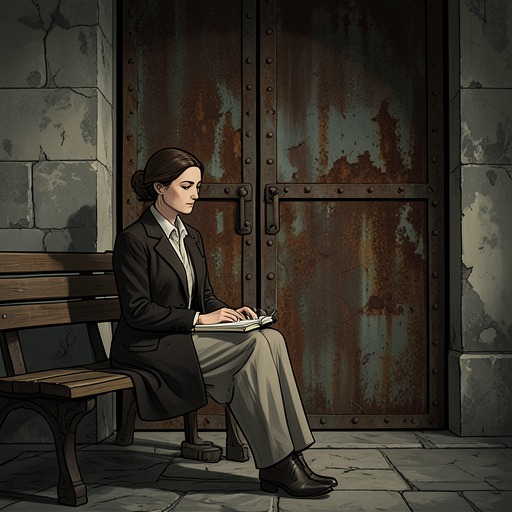
[Katherine](entity:character-recall-character-katherine-66e439ad0b50) becomes friends with [Nan](entity:character-recall-character-nan-8b3a0b065eb0), a shy photography counselor, and gets to know [Theo](entity:character-recall-character-theo-107bd6003b61), the head tennis counselor. Theo helps her improve her tennis and sometimes watches her as she writes letters in the staff retreat.
Katherine hopes to bring Theo and Nan together, but she increasingly notices Theo’s looks and attention. When he asks about her necklace, she tells him it bears [Michael](entity:character-recall-character-michael-119cca2a9432)’s and her names; Theo questions whether forever is realistic for someone so young.
Mid-July
The Dream About Theo
After a movie outing with [Theo](entity:character-recall-character-theo-107bd6003b61) and [Nan](entity:character-recall-character-nan-8b3a0b065eb0), [Katherine](entity:character-recall-character-katherine-66e439ad0b50) dreams vividly that she is with Theo. The dream frightens her because it feels physically real and leaves her ashamed of wanting someone other than [Michael](entity:character-recall-character-michael-119cca2a9432).
She writes Michael a long letter and keeps her distance from Theo, trying to restore her sense of loyalty. Yet the attraction does not disappear, and Katherine is forced to face the difference between loving one person and being drawn to another.
Mid-July
A Dance at the Canteen
At the camp canteen, Marsha tries to draw [Theo](entity:character-recall-character-theo-107bd6003b61) into a slow dance, but he says he promised the dance to [Katherine](entity:character-recall-character-katherine-66e439ad0b50). He holds her close as the campers cheer, and the moment makes their attraction impossible for Katherine to ignore.
Katherine leaves the room and cries by the lake, asking herself how she can love [Michael](entity:character-recall-character-michael-119cca2a9432) and still be attracted to Theo. The scene becomes a turning point in her growing emotional uncertainty.
Mid-July
The Visiting Day
On visiting day, [Katherine](entity:character-recall-character-katherine-66e439ad0b50)’s parents come to camp, and she shows them her life there. Roger plays tennis with her and is impressed when she beats him; Diana sees [Michael](entity:character-recall-character-michael-119cca2a9432)’s photographs on Katherine’s wall and says she is glad her daughter is managing.
Katherine shows Diana a box of Michael’s letters, emphasizing that they write every day. The visit reassures her family that she is coping, even though Katherine’s inner life is becoming more complicated.
Late July
Grandpa’s Death
[Katherine](entity:character-recall-character-katherine-66e439ad0b50) receives a late-night call from her parents: [Ivan Gross](entity:character-recall-character-ivan-gross-5c0c58d75e06) has suffered another stroke and died. She is devastated and wants to go home immediately, but her family asks her to stay at camp so [Hallie Gross](entity:character-recall-character-hallie-gross-7f7c27b11c2d) can have time to recover.
Katherine remembers her grandfather’s affection, his storytelling, and the way he joined family meals despite his post-stroke difficulties. Sitting alone by the lake, she grieves the first death of someone she has loved.
The night Grandpa dies
Theo Comforts Katherine
[Theo](entity:character-recall-character-theo-107bd6003b61) finds [Katherine](entity:character-recall-character-katherine-66e439ad0b50) by the lake and listens as she cries about her grandfather. He stays with her until she is ready to return to her room, offering quiet support without trying to hurry her grief.
At the door, Katherine embraces and kisses him. Theo ends the kiss, saying that he will not let them turn death into an excuse for sex, and Katherine runs to her room in tears, shaken by her own desire and his restraint.
A few nights after Grandpa’s death
After the Kiss
[Theo](entity:character-recall-character-theo-107bd6003b61) asks [Katherine](entity:character-recall-character-katherine-66e439ad0b50) to talk about the kiss, explaining that grief can make people seek physical closeness as proof that they are alive. Katherine is unsure that this fully explains her feelings, but she recognizes that the kiss has unsettled her.
Theo says he wants to see her after camp but will wait until she has sorted out her feelings. Katherine cannot answer [Michael](entity:character-recall-character-michael-119cca2a9432)’s letters with certainty, and she drafts an honest confession about her confusion before tearing it up rather than sending it.
Early August
Michael Arrives at Camp
Worried by [Katherine](entity:character-recall-character-katherine-66e439ad0b50)’s silence, [Michael](entity:character-recall-character-michael-119cca2a9432) flies to New Hampshire and surprises her at camp. He finds her holding [Theo](entity:character-recall-character-theo-107bd6003b61)’s hand after tennis, and the two immediately separate as Katherine introduces them.
Katherine is relieved and frightened to see Michael again. She takes a shower and dresses for their evening together, knowing that she must explain what has changed but uncertain whether she wants to preserve their relationship.
That evening
The Last Night Together
[Michael](entity:character-recall-character-michael-119cca2a9432) takes [Katherine](entity:character-recall-character-katherine-66e439ad0b50) to dinner, where they talk about her grandfather, his summer in [North Carolina](entity:location-recall-location-north-carolina-02c7fd11f230), and ordinary subjects, avoiding the central issue between them. At the motel, he tries to make love, but Katherine cannot respond as she once did.
When she asks to stop and talk, Michael realizes that another person is involved and asks whether she slept with him. Katherine says she did not, but admits that she cannot make promises about the future. Their shared memories and the necklace cannot restore the certainty they once had.
Late that night
The Breakup
[Michael](entity:character-recall-character-michael-119cca2a9432) says he cannot share [Katherine](entity:character-recall-character-katherine-66e439ad0b50) and asks her to decide whether she can return to the relationship as it was. Katherine cannot promise that, and she asks whether their relationship is over; Michael says it is.
Katherine offers him the necklace, but he tells her to keep it and places it in her purse. As he drives her back to camp, he claims he slept with many women in [North Carolina](entity:location-recall-location-north-carolina-02c7fd11f230), shouting the words to hurt her. Katherine calls him a liar, and he speeds away.
Before leaving for college
The Final Encounter
[Katherine](entity:character-recall-character-katherine-66e439ad0b50) and [Erica](entity:character-recall-character-erica-8e76eccafb59) run into [Michael](entity:character-recall-character-michael-119cca2a9432) at a department store. They exchange polite greetings and ask briefly about Artie, who is home from the clinic, but the intimacy they once shared is gone.
Katherine wants to tell Michael that she will never regret loving him and that their time together mattered. Instead, she manages only a goodbye, thinking that perhaps she is simply not ready for forever.
Near the ending
Theo’s Phone Call
Back at home, [Katherine](entity:character-recall-character-katherine-66e439ad0b50) finds [Jamie](entity:character-recall-character-jamie-9ab1c29c9c6f) with her boyfriend and speaks briefly with Diana, who notices that she looks unwell. Katherine says she has had better days but plans to shower before dinner.
Diana tells her that [Theo](entity:character-recall-character-theo-107bd6003b61) called. The novel ends on this possibility, leaving Katherine’s next choice unresolved after the breakup with [Michael](entity:character-recall-character-michael-119cca2a9432) and the emotional upheaval of the summer.