The mattress is weeping
FosterThe mattress is weeping is a recurring expression whose force comes from the movement between a child’s literal impressions and an adult’s practical explanation. First heard in the description of trees, then applied to an old mattress, the language of weeping returns among the girl’s most vivid memories of her summer with John Kinsella and Edna Kinsella. The phrase gathers domestic discomfort and unspoken feeling without explaining either away.
First Use: Weeping Willows
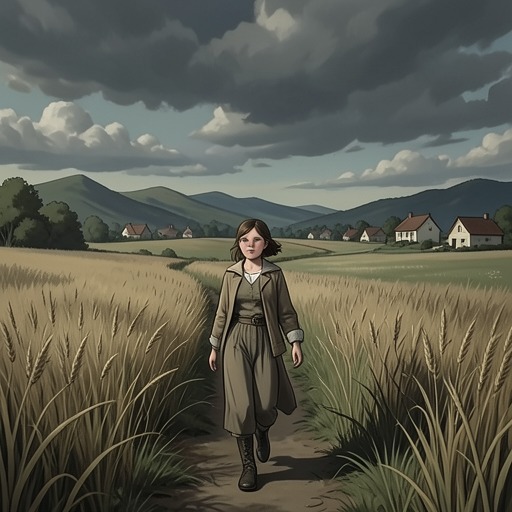
On the drive to the Kinsellas’ house, the girl sees trees whose trailing limbs make them seem sick. Dan corrects her: they are weeping willows. The exchange establishes a small but telling pattern: the girl interprets what she sees through distress, while an adult supplies an ordinary name for it. The word weeping enters the story before the mattress episode, attached first to the trees that mark her arrival.
The Mattress in the Yard
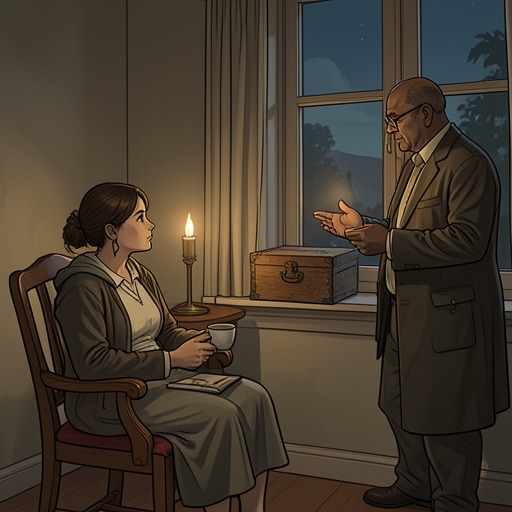
Later, when the girl wants to confess and be sent home, Edna Kinsella says that the old mattresses weep and wonders aloud why she put the girl on this one. The mattress is not presented as a supernatural object; Edna’s explanation makes its age the immediate cause of the problem. Yet the timing gives the remark a second significance: it comes as the girl is poised to admit something she would rather not face. They drag the mattress downstairs and out into the sunlit yard, where the hound approaches and sniffs it. Edna drives him away sharply, turning an embarrassing bedroom difficulty into a practical task she handles in front of the girl.
A Phrase Carried into the Ending
The expression returns in the girl’s recollection of the summer as she runs toward John Kinsella after her return home. Among the things that flash through her mind are the boy in the wallpaper, the gooseberries, the bucket that pulled her under, the lost heifer, the weeping mattress, and the third light. The mattress is thus preserved not as an isolated mishap but as one element in a sequence of concrete memories, some unsettling and some ordinary. Its recurrence joins the arrival scene’s weeping willows to the final rush down the lane: the repeated word makes a domestic episode part of the emotional history the girl carries with her, even when she chooses not to speak about what happened.