
Bottom-Up Thinking and Larger Purpose
Getting Things DoneThe book reconciles high-level purpose with practical control by showing why action-level order can create room for broader reflection.
increasing Bearing strength in each event
 decreasing
Bearing strength in each eventdecreasingThe Top-Down Ideal
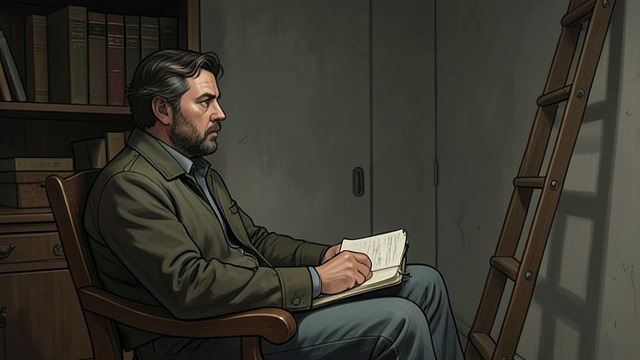
Begin with Mission and Goals
A Rational Hierarchy
It seems logical to start with personal or organizational purpose, then define objectives, and finally determine implementation details. This approach promises alignment from the largest aim down to the smallest task.
The logic is attractive because it mirrors a hierarchy of priorities.
A Practical Difficulty
People already overwhelmed by daily commitments may struggle to sustain high-level reflection. Unmanaged details continue to intrude and undermine the attention needed for strategic thinking.
The ideal sequence can fail when the operational foundation is unstable.
The Runway Is Cleared
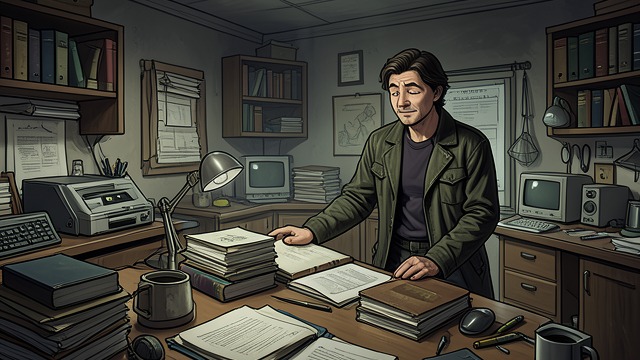
Concrete Control First
Current Work Becomes Visible
The person collects, clarifies, and organizes immediate actions and projects. This work addresses the most tangible commitments currently occupying attention.
The process can produce an immediate sense of relief and practical control.
Energy Is Released
When loose ends are no longer held in memory, people may find more attention available for creative and strategic thought. The bottom level supports rather than competes with broader reflection.
The method’s practical sequence begins with what is present and manageable.
Projects Reveal Responsibilities
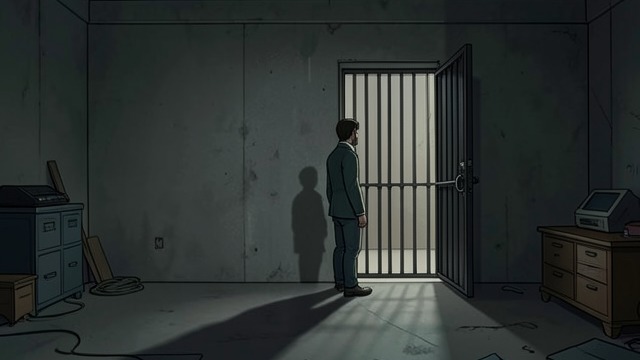
Moving One Level Up
Outcomes Show Their Sources
Current projects arise from roles and responsibilities in work and personal life. Reviewing them can reveal whether important areas are receiving appropriate attention.
A project list becomes a bridge from immediate tasks to ongoing obligations.
New Work May Appear
A review of responsibility areas may expose gaps or standards that require a new project. The inventory helps the person see not only what is underway but what should be considered.
The ascent from the runway broadens awareness through concrete evidence.
Higher Horizons Become Accessible

Goals and Visions Re-enter
Broader Questions
The person can consider one-to-two-year goals, longer-term visions, and life purpose with fewer immediate distractions. These horizons can illuminate which projects matter most and whether current work points in a desired direction.
The book acknowledges that such reflection may be deep and complex.
Alignment Without Escape
Higher-level thinking does not remove the need to handle daily work. Rather, it helps a person understand why that work matters and whether it should continue.
The relationship between practical control and larger purpose becomes reciprocal.
The Levels Work Together
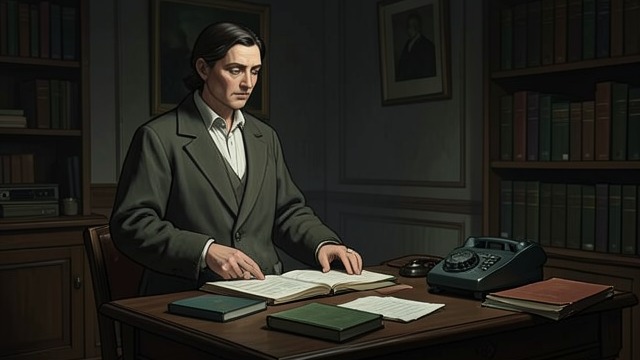
A Balanced Review of Life and Work
No Single Altitude Suffices
Current actions, projects, responsibilities, goals, visions, and life purpose all shape the work a person experiences. The appropriate horizon to examine depends on what is calling for attention.
The levels are connected rather than competing systems.
Practical Wisdom
Starting from the bottom can create the confidence and resources needed for larger reflection, while higher priorities can guide the selection of lower-level actions. A balanced system moves between both directions.
The theme resolves in an ongoing practice of aligning what is done with what is intended.
When the book compares ways to improve productivity
When immediate actions are organized
After the current project inventory is completed
As operational control improves
Near the book’s final account of priorities
