Ogino method
HappeningThe Ogino method is a birth-control approach that frames the narrator’s account of her unintended pregnancy in 1963. She knew that her encounters with P had taken place during a risky period according to the method, yet did not imagine that she would become pregnant. In the book, the method is both a practical reference point in her past and a marker of the limited choices through which she later measures her life.
Use and Pregnancy
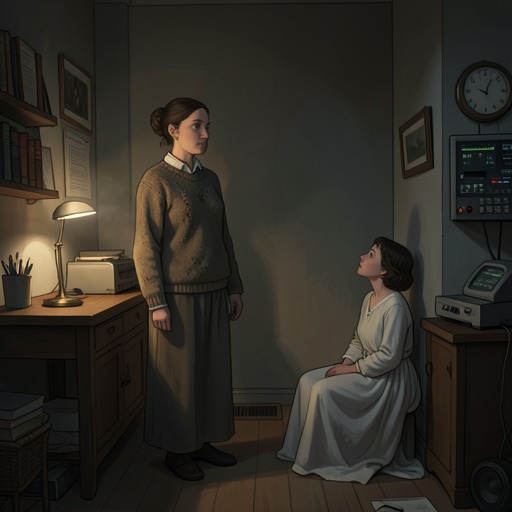
In early October 1963, the narrator made love with P, a political science student she had met during the summer and visited in Bordeaux. The Ogino method identified that time as risky, but she could not imagine that conception would take place. Her recollection makes the gap between knowing a period was risky and expecting pregnancy central: the method informed her understanding of the circumstances, but did not prevent the event that followed. When her period did not arrive, the narrator waited in Rouen, hoping for bleeding and recording its absence in her diary. A doctor confirmed the pregnancy and issued a certificate giving a delivery date of July 8, 1964. She tore up the certificate. The pregnancy made the method’s limits in her own circumstances immediate, while her response turned toward seeking an abortion rather than continuing the pregnancy.
Reproductive Choices and Constraints
The account places the method within a setting where reproductive decisions were shaped by more than an individual’s knowledge of timing. The narrator describes abortion as criminalized and recalls a legal climate that exposed women and those who helped them to punishment. She also encounters doctors who do not provide the help she seeks, while practical information and support come through other women. The method belongs to this wider history of constrained access to contraception and abortion, rather than appearing as a sufficient answer to the risks of pregnancy. Class further shapes the narrator’s sense of what choices were available. Although she was the first in her family to pursue higher education, she connects her pregnancy and the stigma attached to it with her working-class background. Her account therefore distinguishes awareness of a risky period from the social conditions required to exercise reproductive choice: knowing about the method did not resolve the consequences of pregnancy or make safe care accessible.
Retrospective Meaning
Looking back from a later encounter with medical testing at Lariboisière Hospital, the narrator links her feelings then to those she experienced while waiting for a doctor’s verdict in 1963. She describes her life as confined to the span between the Ogino method and the age of cheap condom dispensers. That comparison makes the method a measure of historical change in reproductive life, not simply a detail about how the pregnancy occurred. The method also sits within the book’s account of memory and writing. The narrator returns to the past through diaries, dates, and material traces, while recognizing that remembered experience cannot always be verified in the same way. By naming the Ogino method as a boundary in her life’s chronology, she makes a private episode part of a broader account of changing access, legal constraint, and the lived consequences of reproductive risk.