
Confucius and the Later Tradition
I ChingThis flow follows the changing account of Confucius's relationship to the Changes, from reported late study to disputed authorship of its appendixes.
increasing Bearing strength in each event
 decreasing
Bearing strength in each eventdecreasingA Late-Life Dedication
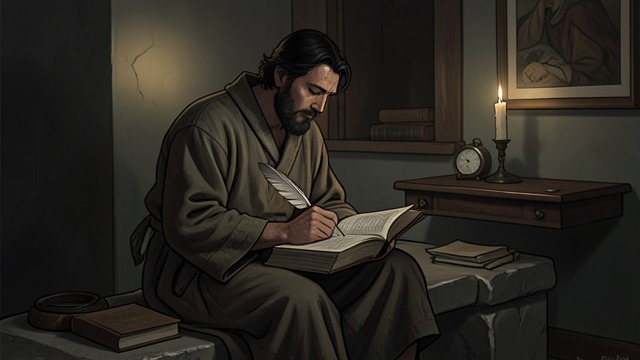
A Sage Turns to the Changes
A remembered ambition
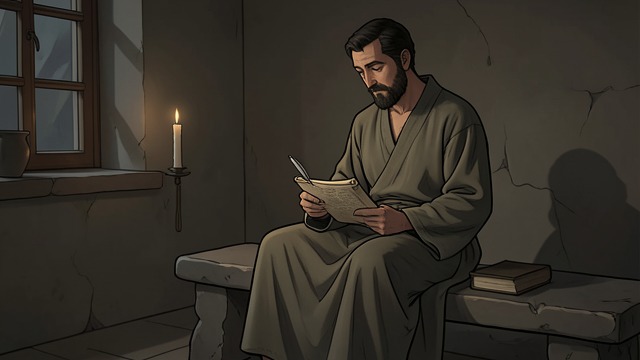
The tradition reports that Confucius wanted many more years to study the Changes. Legge cites the statement to establish that the classic was known in Confucius's lifetime.
The anecdote also portrays the text as demanding enough to occupy a mature scholar.
A separate claim
The saying does not prove that Confucius composed the appendixes. Legge distinguishes evidence for the book's existence from evidence about who wrote its later explanations.
That distinction anchors the dispute that unfolds across the commentarial tradition.
The Appendixes Gain Authority
Attribution Becomes Tradition
A powerful association
Later accounts attribute many appendixes to Confucius. Joined to the ancient text, these writings come to be received as an integral part of the classic.
The attribution gives explanatory and cosmological passages exceptional authority.
A long interval
Legge emphasizes the centuries between the core text and the commentaries. In that interval, views about the diagrams, nature, and divination could change substantially.
The chronological gap does not invalidate the appendixes, but it prevents them from being treated as the original authors' unmediated voice.
The Master Said
A Compiler's Voice
Older Words Enter an Appendix
A Text Before Its Attributed Author
The earlier saying
Legge notes that the opening of one appendix draws on a narrative attributed to a woman who lived before Confucius was born. The material therefore predates the supposed compiler.
Its presence raises a problem for a simple account of authorship.
Compilation after quotation
Legge concludes that the appendix must have been assembled after Confucius's death if it presents his words as quotations while incorporating older material.
The evidence makes the appendix look layered, not like a unified work written by a single sage.
Authorship Becomes Uncertain
Tradition Reconsidered
A measured doubt
Legge says the internal evidence undermines the claim that Confucius composed several appendixes. He does not deny their value, but refuses to accept authorship on tradition alone.
His argument is framed as a response to evidence, not as a desire to diminish the sage.
A freer reading
Once authorship is uncertain, the appendixes can be examined for their own historical assumptions and strengths. Legge admires some explanations while criticizing others.
The shift turns reverence into scrutiny without requiring readers to discard the tradition wholesale.
Late in Confucius's life
After Confucius's death
During the compilation of the Great Treatise
Before Confucius's birth, as preserved in a later appendix
Legge's nineteenth-century reassessment
