Lycée Mossette
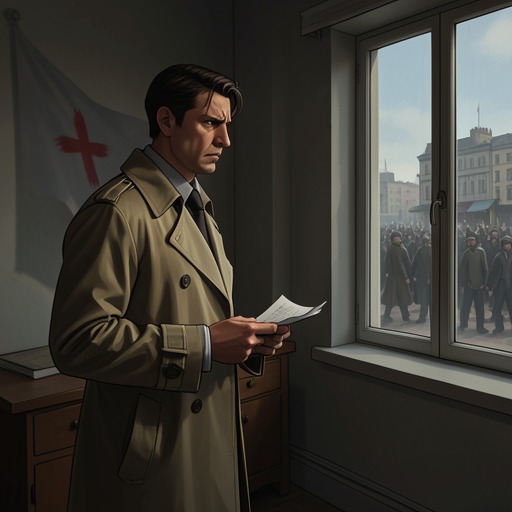
Impure BloodLycée Mossette is the secondary school where Emil Florian teaches figure-drawing classes. After Florian’s murder, the school becomes a focus of the police inquiry into whether he sexually abused students, and its staff, pupils, and families are approached through a deliberately low-profile information-gathering strategy. The investigation at the school also exposes a practical dilemma: learning that Florian was murdered could discourage people who knew or suspected misconduct from coming forward, even as the police still need to identify his killer.
Identity and Connection to Florian
Florian is identified as a teacher at Lycée Mossette in the Riquier district. His subject is figure drawing, a detail that gives him access to students in an educational setting but also prompts investigators to consider whether he might have selected victims from among his own classes. Darac notes that this could have been riskier than seeking victims elsewhere; he also recognizes that risk itself may have formed part of the attraction for offenders. The school’s connection to the case is therefore more than biographical: its timetable, relationships, and student community may hold evidence relevant to the suspected assaults as well as the murder.
The Inquiry at the School
Darac tells the school’s principal, André Volpini, that investigators must question staff, students, and their families. Volpini accepts that staff may be interviewed but objects to involving pupils and parents, calling the prospect unconscionable and emphasizing that it is vacation time, when many families may be away. Darac replies that the investigation must proceed, but proposes a lower-impact approach for the children and their families.
Frankie Lejeune implements that approach through an email questionnaire presented as a standard feedback exercise about the school experience. It makes no direct reference to Florian or to the murder inquiry, but provides a confidential opportunity for respondents to raise concerns about sexual harassment or deviant behavior. Contact details allow them to call, email, or write instead. The indirect format is designed to reach people who might not respond to a direct police approach, while reducing disruption at the school during the holidays.
Staff Responses and the Problem of Disclosure
When Darac later receives an update, most of the staff have not left for vacation, and Frankie has already spoken with several of them. Their responses fall into three broad groups: people who liked Florian, including Volpini; those who were indifferent to him; and those who disliked him. That variation gives the investigation a first map of his standing among colleagues, though it does not by itself establish what anyone knew about his conduct.
The questionnaire is launched quickly because the way the death is described can affect whether people speak. Frankie explains that she has told staff only that Florian died, not that he was murdered. Once the murder becomes known, someone who had suspected he was a paedophile might fear that coming forward would make them a suspect. Darac recognizes that this kind of disclosure could gag a witness, while stressing that finding the murderer remains the primary aim, regardless of whether that person believed they were doing the world a favor. Agnès Dantier’s reminder that the police must not play God sharpens the distinction between investigating a crime and deciding privately who deserves punishment.
Student Safety and the Limits of the Lead
The police consider whether Florian and Manou Esquebel might have targeted children attracted to Medusa, the living-statue performer whose crowds gather in the city. Frankie cautions that the theory is uncertain. No recent report in the city or wider conurbation indicates that a young child has obviously suffered abuse or gone missing, so investigators must also consider older unaccompanied children and teenagers. Teenagers subjected to abuse may be too ashamed to report it, and Frankie notes that this can be especially true of boys; even when an attack is known to have occurred, information may need to be drawn out gently. This reasoning helps explain why the school questionnaire is framed broadly and confidentially rather than as a direct question about Florian.
At the time of the discussion, the questionnaire has produced nothing conclusive. Frankie also resists treating Medusa’s audience as an established link: such crowds are only one of many places where young people congregate, and Florian was often seen on Rue Verbier. Lycée Mossette thus remains a route for gathering possible testimony, not proof that the suspected crimes took place there or that students were the victims. Its significance lies in the investigation’s careful effort to uncover concealed information without turning suspicion into a verdict.