
The Meaning of Heroism
Journey to the End of the NightThis flow tracks the novel’s shifting treatment of bravery, from its public glorification to its use as a survival performance and private accusation.
increasing Bearing strength in each event
 decreasing
Bearing strength in each eventdecreasingA Heroic March
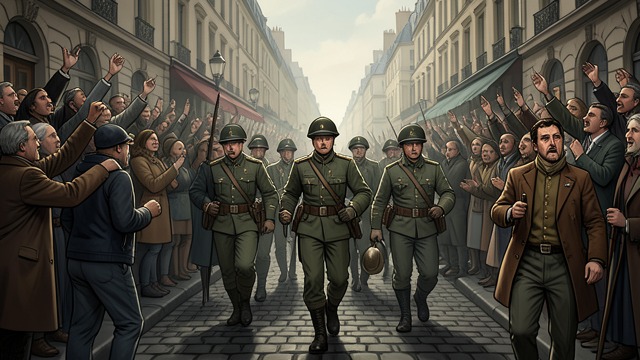
A Heroic March
Public enthusiasm
Civilians celebrate soldiers as they pass through Paris. Their cheers invite Bardamu to confuse spectacle with purpose.
The cost arrives later
Once the crowd vanishes, soldiers face danger without the support of their admirers. The contrast makes heroism appear less like a quality than a public demand.
The Colonel’s Example
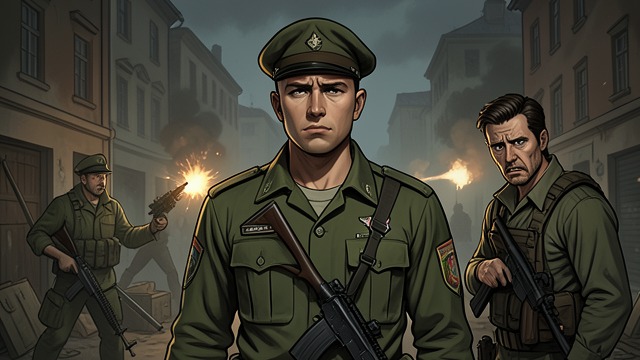
The Colonel’s Example
Courage without imagination
The colonel moves calmly under fire, unable or unwilling to imagine his own death. Bardamu sees this fearlessness as monstrous rather than admirable.
A lesson in survival
The colonel’s death does not redeem his courage. Bardamu instead concludes that the brave can be as captive to military madness as anyone else.
The Hospital’s Heroic Act
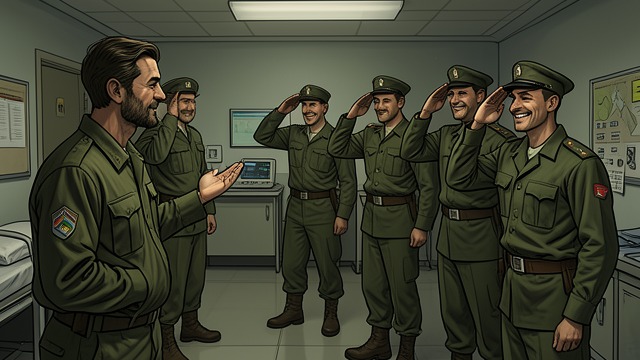
The Hospital’s Heroic Act
A practiced role
Branledore teaches the wounded to speak and behave like enthusiastic soldiers. Their performance wins approval and improves their chance of avoiding immediate punishment.
Public story, private fear
Bardamu learns that the hospital rewards an appearance of courage, not inner conviction. Heroism becomes one more mask required for survival.
The Invented Exploits
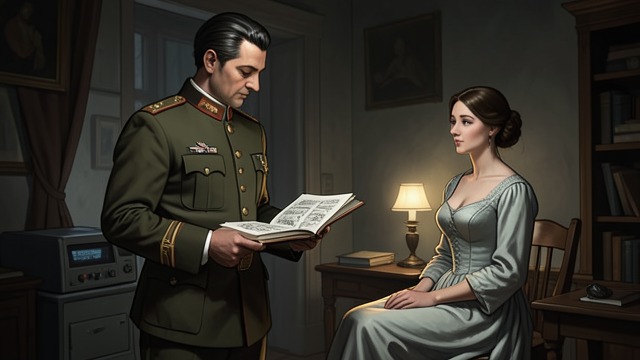
The Invented Exploits
A manufactured hero
Bardamu invents battle stories for an actress and poet, who transform them into a public epic. The audience celebrates a version of him that has little relation to his real fear.
Recognition as another trap
The performance brings applause but also competition and humiliation. Bardamu learns that the heroic image can be appropriated by others.
Fear as Honesty
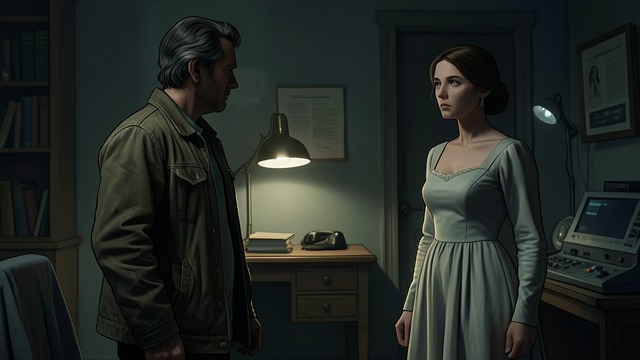
Fear as Honesty
Refusal to pretend
Bardamu tells Lola that he rejects war and does not want to die. She calls this cowardice, while he treats self-preservation as the only honest position.
A lasting division
Their disagreement exposes the emotional cost of refusing heroic language. Lola leaves, and Bardamu remains suspicious of any praise that requires a body to be sacrificed.
Before the front-line scenes
During Bardamu’s first battle
During Bardamu’s recovery under observation
During the hospital’s publicity campaign
During Bardamu’s argument with Lola
