
Shmuel’s Household and Political Disagreement
JudasThis thread traces how debates over statehood and force shape Shmuel’s relationships with Wald and Atalia.
increasing Bearing strength in each event
 decreasing
Bearing strength in each eventdecreasingThe Socialists Split
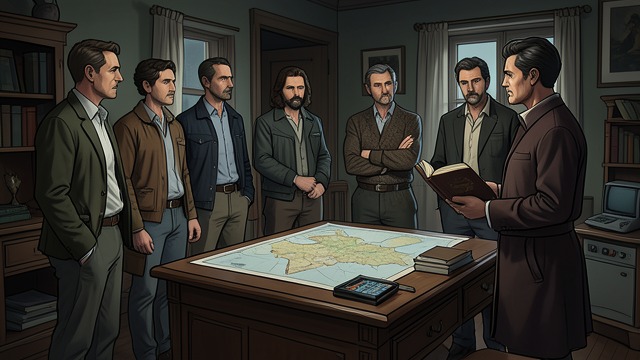
A Political Circle Fractures
Stalin’s Crimes
The group’s members confront revelations about Stalin’s terror and the foundations of proletarian dictatorship.
The Split
Four of six members leave to form an independent cell, including both women in the circle.
The political break compounds Shmuel’s personal and academic losses.
Shmuel Defends His Hope
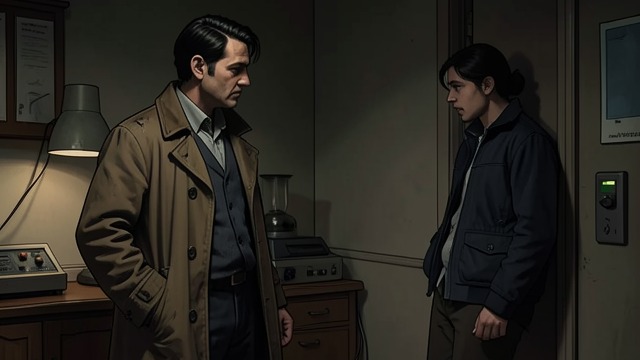
Revolution Under Suspicion
The Question
Shmuel wonders whether Stalin’s corruption invalidates the hope of social justice.
Wald’s Warning
Wald argues that movements promising universal salvation often bring violence in its name.
Their debate makes Shmuel’s political ideals answerable to historical suffering.
The Eleventh Soldier
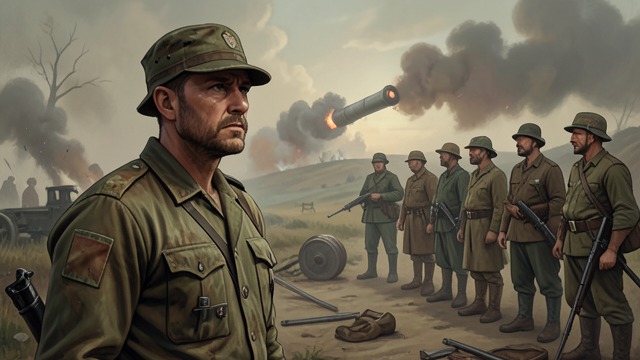
Strength’s Limits
Shmuel’s Analogy
Shmuel recalls the story of a Finnish commander who wonders what happens when an eleventh enemy soldier arrives.
Wald’s Reply
Wald accepts that Israel must defend itself but questions whether military force can solve political hostility.
The argument separates immediate survival from durable peace.
Atalia’s Accusation
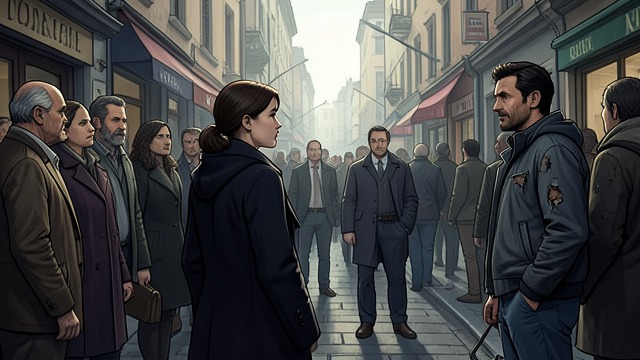
The Cost of the State
Direct Challenge
Atalia accuses the national project of sacrificing a generation and displacing Arab residents.
Shmuel’s Response
Shmuel argues that the Jewish community faced existential danger and could not rely on peaceful persuasion alone.
Their disagreement is sharpened by the fact that each speaks from a different experience of loss.
A Complicated Inheritance
Doubt Without Conversion
Shmuel Reconsiders
Shmuel admits that Wald’s arguments have taught him to notice cracks in his own certainties.
No Resolution
He still questions Abravanel’s political optimism while recognizing its moral force.
The debate changes him without providing a final verdict on the conflict.
Before Shmuel leaves university
Early winter in Wald’s library
During a discussion of the 1956 crisis
Late winter, after Mija’s death is discussed
Near the novel’s ending
