
The Cane and the Street Animals
JudasThis thread traces how Shmuel’s encounters with animals expose the difference between compassion and practical care.
increasing Bearing strength in each event
 decreasing
Bearing strength in each eventdecreasingThe Cat He Did Not Rescue
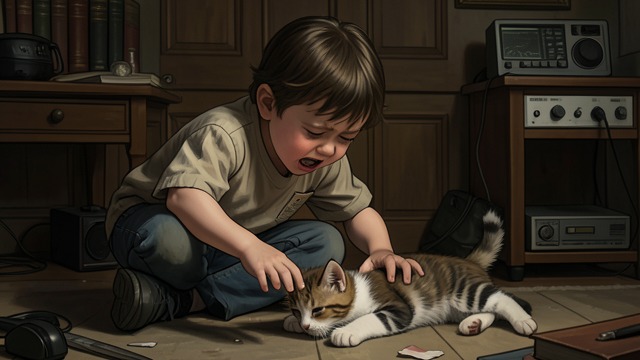
Pity Without Action
A Childhood Pattern
Shmuel remembers crying over a kitten but not taking it home, despite imagining that he could have helped.
Self-Reproach
He asks himself why feeling sorry is easier than doing something.
The question follows him as a persistent criticism of his passive kindness.
A Fox Under the Bed
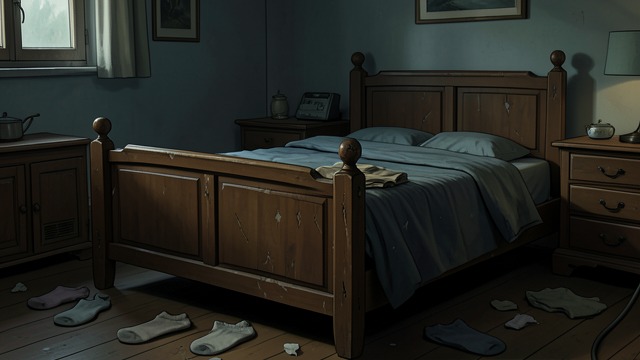
An Unexplained Possession
Discovery
While looking for a lost sock, Shmuel finds an elegant cane with a fox carved into its handle beneath his bed.
Adoption
He takes the cane on walks, making it a companion and a symbol of the life he is inventing for himself.
The object’s unexplained presence adds mystery to an otherwise practical household.
The Dog Follows Them

A Companion Turns Back
Brief Kindness
Shmuel stops to stroke a stray dog that follows him and Atalia through the dark streets.
Boundary
The dog refuses to continue near the dangerous frontier and turns away.
Its retreat echoes the limits that shape Shmuel’s own hope of accompanying Atalia.
A Cat Accepts His Hand

Contact Without Words
Encounter
Shmuel meets a hungry street cat near garbage bins and first has nothing to offer it.
Trust
The cat approaches anyway, rubs against his fingers, and accepts his touch.
For once, his compassion becomes a quiet act of contact rather than a fantasy of rescue.
Leaving the Cane Behind

A Small Possession
Decision
Shmuel takes the fox-headed cane when he leaves the house, believing it has become his by right.
Continuity
The cane accompanies him south, a remnant of the winter he is trying to leave behind.
Its journey preserves attachment without changing the uncertainty of his destination.
Before Shmuel leaves Jerusalem
A few days after moving in
The walk toward Mount Zion
A late winter night after the affair begins
At the bus station before departure
