
Shmuel’s Emotional Awakening
JudasThis thread follows Shmuel’s movement from self-pity and passivity toward imperfect contact with other people.
increasing Bearing strength in each event
 decreasing
Bearing strength in each eventdecreasingThe Weeping Student

Sensitivity and Shame
Uncontrolled Feeling
Shmuel cries at strangers’ grief, suffering animals, and sentimental scenes.
Self-Accusation
He regards this tenderness as evidence of defective masculinity and wishes he could act instead of merely pitying.
His emotional openness is both a vulnerability and a capacity for attention.
A Child in the Hallway
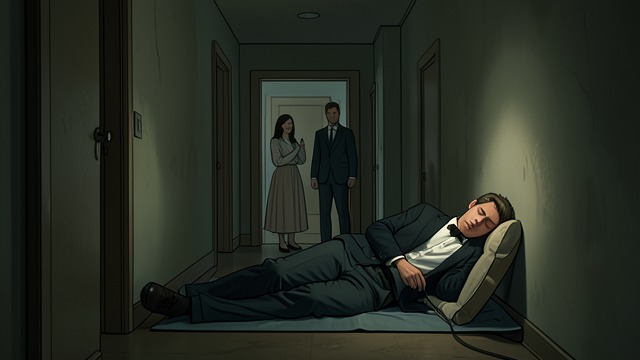
The Family Corridor
Constrained Childhood
Shmuel sleeps in a dark hallway while his parents and sister occupy the small rooms.
Imagined Family
He invents more affectionate, accomplished parents and feels guilty about his estrangement from the real ones.
The early fantasy of being adopted anticipates his later longing to belong elsewhere.
The Scorpion Memory

Fear and Care
The Sting
A scorpion stings Shmuel during a hike, and panic sends him running down the hillside.
A Rare Comfort
At the hospital, his family gathers around him and his sister touches him tenderly.
He remembers the episode as one of the few moments when fear briefly opens a path to closeness.
Learning to Stay Present
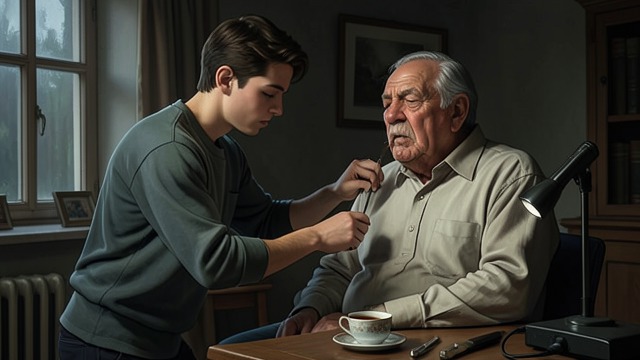
Care Beyond Words
Physical Attention
Shmuel changes Wald’s clothes, brings him tea, and stays through his coughing and grief.
A Different Response
Rather than offer false comfort, he recognizes that another person’s pain cannot simply be shared or removed.
The caregiving marks a shift from imagined rescue to patient presence.
A Road Without a Plan

Departure and Uncertainty
A Farewell
Shmuel leaves the house with mixed grief and relief, taking a cane and a small gift.
An Open Ending
He heads south without knowing what work or life awaits him.
His departure is not a cure for loneliness, but it is a choice to move rather than remain enclosed.
Before the winter retreat
Shmuel’s childhood in Haifa
At about eleven years old
During Wald’s winter illness
Early March 1960
